Complete breed guide
Bulldog OWNERSHIP GUIDE
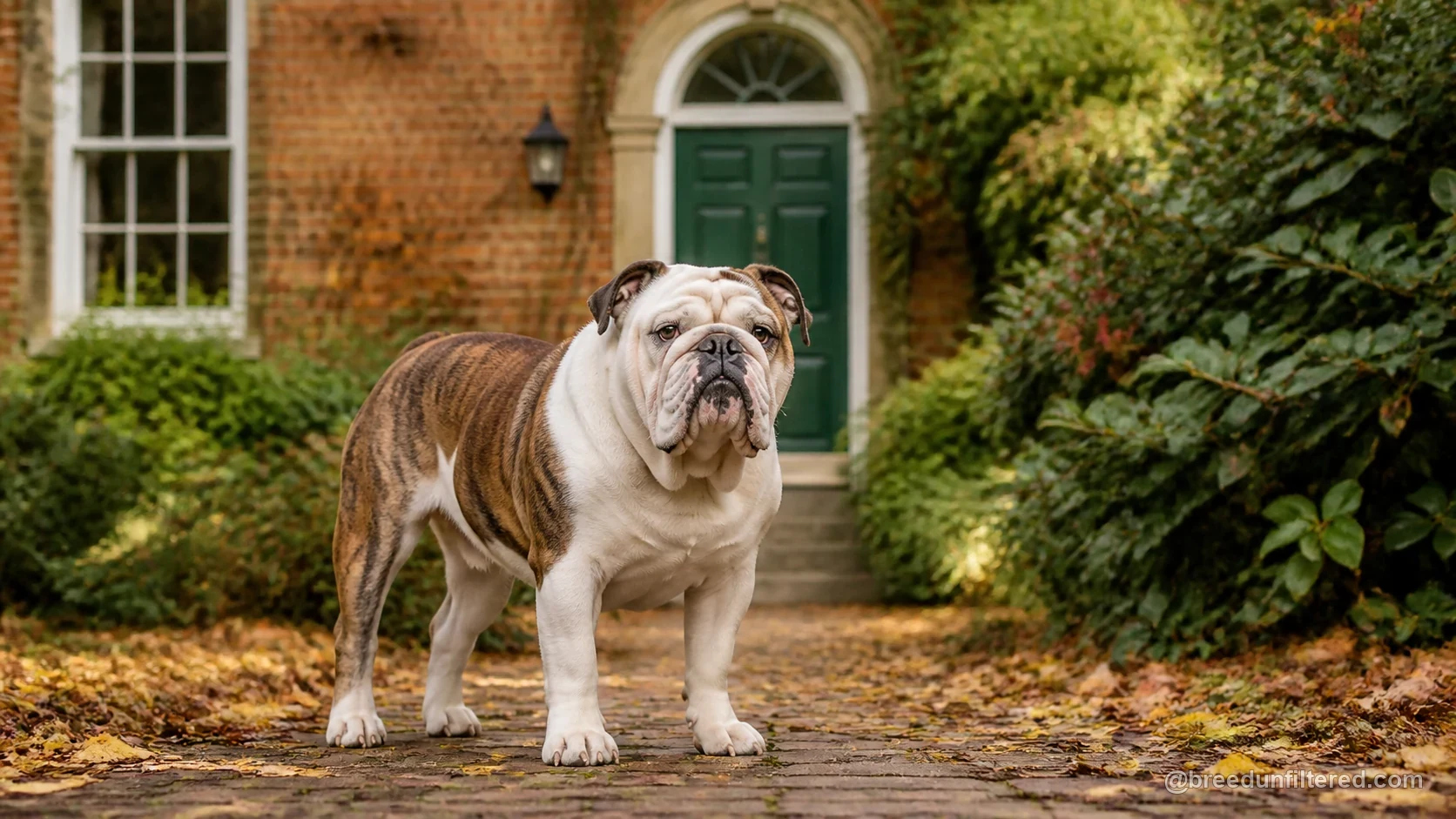
The Bulldog, with its distinctive pushed-in nose, loose skin, and rolling gait, is one of the most recognizable breeds in the world. Originally bred for bull-baiting, a brutal sport banned in the 19th century, the modern Bulldog has evolved into a gentle and affectionate companion. Their unique appearance and calm demeanor have made them a beloved symbol of tenacity and courage, yet they are far from the fierce fighters of their past.
Prospective owners should understand that the Bulldog is a breed with specific needs and health considerations. They are not high-energy athletes but rather laid-back companions who thrive on human interaction. Their brachycephalic (short-nosed) anatomy requires careful management of heat and exercise. This guide provides an honest overview of what it truly means to share your life with a Bulldog, covering everything from their history to their daily care.
Origin and Purpose
The Bulldog's roots trace back to the British Isles, where they were bred for bull-baiting, a cruel sport that involved dogs attacking a tethered bull. This required immense courage, strength, and a low center of gravity to avoid being tossed. After the sport was outlawed in 1835, the breed faced extinction, but dedicated enthusiasts selectively bred for a more docile temperament, creating the companion we know today.
Modern Bulldogs are primarily companion animals, prized for their loyalty and comical personalities. They have become cultural icons, serving as mascots for universities and sports teams, and appearing in popular media. Their history as fighters is a distant memory, but their physical traits—broad shoulders, strong jaws, and determined expression—remain as a testament to their past.
Temperament and Variation
Bulldogs are typically known for their gentle, affectionate, and somewhat stubborn nature. They form strong bonds with their families and often seek out laps, despite their substantial weight. They are generally good-natured and get along well with children, though their stubborn streak can be a challenge for first-time owners. Individual temperaments vary, and early socialization plays a crucial role in shaping a well-rounded adult.
There is some variation within the breed, with some lines being more energetic or more reserved. However, the breed standard emphasizes a kind and courageous disposition. They are not typically aggressive, but they can be protective of their home and family. Understanding that each Bulldog is an individual is key to appreciating their unique quirks and charms.
Exercise and Mental Work
Bulldogs have low to moderate exercise needs. They enjoy short walks and play sessions, but they are prone to overheating due to their brachycephalic airways. Vigorous exercise in hot weather can be dangerous, so it's best to keep activities gentle and avoid the heat of the day. Mental stimulation is equally important; puzzle toys, scent games, and basic obedience training can keep their minds engaged without overexerting their bodies.
Despite their laid-back reputation, Bulldogs can become bored and destructive if left without mental challenges. They are intelligent but independent, so training sessions should be short and positive. Providing a variety of toys and rotating them can help maintain their interest. Remember, a tired Bulldog is a happy Bulldog, but 'tired' for them means a good nap after a moderate walk, not a marathon.
Training and Socialisation
Training a Bulldog requires patience and consistency. They are intelligent but have a stubborn streak, so positive reinforcement methods work best. Harsh corrections can lead to resistance or fear. Early socialization is essential to help them become confident and well-mannered adults. Exposing them to various people, places, and situations in a positive way can prevent shyness or overprotectiveness.
Bulldogs respond well to food rewards and praise. Keep training sessions short and fun to hold their attention. Crate training can be beneficial for housebreaking and providing a safe space. They are not typically eager to please like some other breeds, but they are capable of learning commands with time and consistency. A well-trained Bulldog is a joy to live with, but it takes effort to get there.
Family and Other Pets
Bulldogs are generally excellent family dogs. They are patient and tolerant with children, making them a popular choice for families. They often form strong attachments to all family members and may follow them from room to room. However, due to their heavy build, they can accidentally knock over small children during play, so supervision is recommended.
When it comes to other pets, Bulldogs can vary. They often get along well with other dogs, especially if raised together. However, they may have a higher prey drive towards smaller animals, though this is not universal. Early socialization with cats and other pets can help foster harmony. As with any breed, introductions should be gradual and supervised to ensure a peaceful household.
Grooming and Health
Grooming a Bulldog is relatively low-maintenance. Their short, smooth coat requires weekly brushing to remove loose hair. The distinctive wrinkles on their face need regular cleaning to prevent skin infections. Wipe between the folds with a damp cloth and dry thoroughly. They also tend to drool, so keeping a towel handy is practical. Nail trimming and ear cleaning should be done regularly.
Health-wise, Bulldogs are prone to certain conditions due to their conformation. Brachycephalic airway syndrome can cause breathing difficulties, especially in hot weather or during exercise. They are also susceptible to hip dysplasia, skin allergies, and eye issues. Regular veterinary check-ups and a healthy diet are crucial. Prospective owners should be prepared for potential medical expenses and seek a reputable breeder who screens for hereditary conditions.
Costs and Responsibility
Owning a Bulldog is a significant financial commitment. The initial cost of a puppy from a reputable breeder can be high, often ranging from $1,500 to $4,000 or more. Ongoing expenses include high-quality food, routine veterinary care, grooming supplies, and pet insurance. Due to their health issues, unexpected medical bills can be substantial, so a financial safety net is essential.
Beyond money, Bulldogs require a time commitment. They thrive on human companionship and should not be left alone for long periods. They are not ideal for very active individuals who want a running partner, but they are perfect for those who enjoy a relaxed lifestyle. Responsible ownership means understanding their limitations and providing a safe, comfortable environment. It's a rewarding experience, but it's not without its challenges.
Clear answers
FREQUENTLY ASKED QUESTIONS
Are Bulldogs good with children?
Bulldogs are generally known for their gentle and patient nature, making them good companions for children. They are typically tolerant and affectionate, but due to their heavy build, they can accidentally knock over small kids during play. Supervision is always recommended, and teaching children how to interact respectfully with dogs is essential for a safe and happy relationship.
How much exercise does a Bulldog need?
Bulldogs have low to moderate exercise needs. A couple of short walks and some playtime each day are usually sufficient. They are prone to overheating because of their short noses, so exercise should be gentle and avoided in hot weather. Mental stimulation through puzzle toys and training is also important to keep them engaged without overexerting them.
Do Bulldogs have health problems?
Yes, Bulldogs are prone to certain health issues, particularly related to their brachycephalic (short-nosed) anatomy, such as breathing difficulties. They can also suffer from hip dysplasia, skin infections, and eye problems. Regular veterinary care and a healthy lifestyle can help manage these risks, but prospective owners should be prepared for potential medical expenses.
Are Bulldogs easy to train?
Bulldogs are intelligent but can be stubborn, which can make training a challenge. They respond best to positive reinforcement methods like treats and praise. Consistency and patience are key. Early socialization and obedience training are crucial to ensure they grow into well-mannered adults. They are not typically eager to please, but they can learn with time.
Do Bulldogs shed a lot?
Bulldogs have a short, smooth coat that sheds moderately. Regular brushing, about once a week, can help manage loose hair. They also require regular cleaning of their facial wrinkles to prevent skin issues. While they are not heavy shedders, they do shed, and potential owners should be prepared for some hair around the house.
Sources and further reading
Scores describe typical breed tendencies from 1 to 10. They are not a quality ranking or a prediction for an individual dog.
Size and presence8/10
CompactVery large
Physical strength8/10
LightExceptional
Energy level7/10
LowRelentless
Exercise demand7/10
ModestVery demanding
Mental work needed7/10
ModerateDaily job
Trainability6/10
ChallengingExceptional
Everyday manageability2/10
SpecialistStraightforward
First-time owner fit3/10
Poor fitGood fit
Family-life fit6/10
LimitedExcellent
Dog sociability4/10
SelectiveVery social
Prey drive6/10
LowVery high
Guarding tendency8/10
MinimalSerious
Independence9/10
Handler-focusedSelf-directed
Grooming demand5/10
LightHeavy
Apartment fit3/10
Poor fitGood fit