Complete breed guide
Spanish Water Dog OWNERSHIP GUIDE
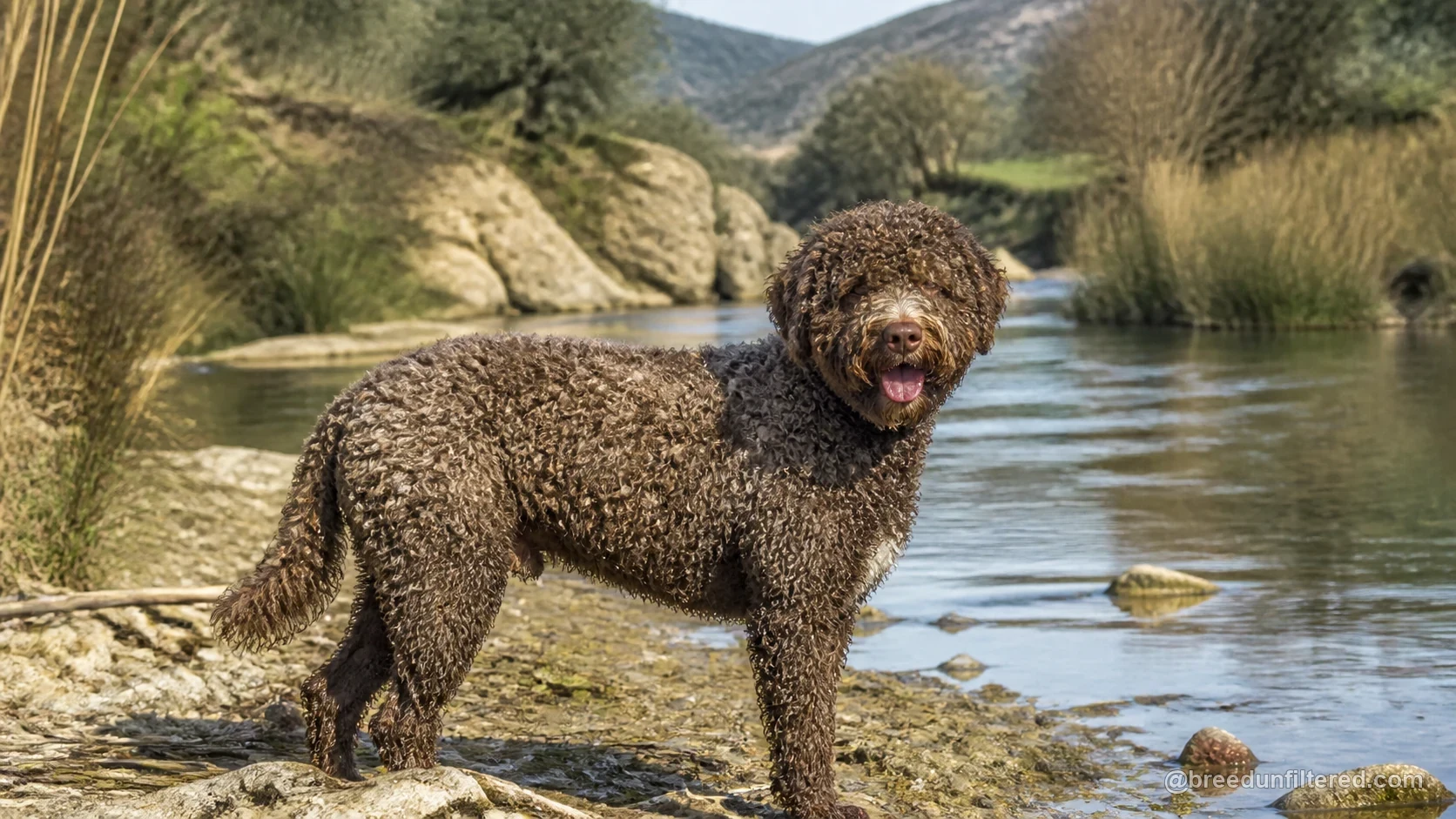
The Spanish Water Dog, known officially as the Perro de Agua Español, is a versatile working breed with a curly, woolly coat that sets it apart from many other gundogs. Originating from the Iberian Peninsula, this breed has historically assisted shepherds and fishermen, herding livestock and retrieving from water. Its intelligence and adaptability have made it a valued companion for those who appreciate an active, biddable dog with a strong work ethic.
Before welcoming a Spanish Water Dog into your home, it is essential to understand the breed's distinctive needs. This article provides an evidence-conscious overview of the breed's origin, temperament, exercise requirements, training, family compatibility, grooming, health considerations, and the financial and time commitments involved. By the end, you will have a clearer picture of whether this energetic and loyal dog aligns with your lifestyle.
Origin and Purpose
The Spanish Water Dog's roots trace back to the rural regions of Spain, where it served as a multipurpose farm dog. Historical records suggest that similar water dogs existed across the Mediterranean, but the Spanish variety developed its own distinct characteristics. The breed was primarily used for herding sheep and goats, as well as retrieving game from water, thanks to its waterproof coat and natural swimming ability.
In the 20th century, the breed's numbers declined as traditional farming practices changed, but dedicated enthusiasts worked to preserve it. The Fédération Cynologique Internationale (FCI) recognized the breed definitively under standard number 336, placing it in Group 8, which includes retrievers, flushing dogs, and water dogs. Today, the Spanish Water Dog is still used for working purposes in some regions, while also gaining popularity as a companion in various countries.
Temperament and Variation
Spanish Water Dogs are known for their loyalty and strong bond with their families. They are often described as alert, intelligent, and somewhat reserved with strangers, which can make them good watchdogs. However, individual temperaments can vary widely based on genetics, socialization, and training. Some may be more outgoing, while others are more cautious, so early and consistent exposure to different people and environments is recommended.
This breed is typically energetic and thrives on having a job to do. Without adequate mental and physical stimulation, they may develop undesirable behaviors such as excessive barking or chewing. While they are generally affectionate with their owners, they can be independent thinkers, which means training should be patient and positive. Prospective owners should be prepared for a dog that is both devoted and spirited.
Exercise and Mental Work
The Spanish Water Dog is a high-energy breed that requires regular daily exercise to maintain physical and mental well-being. Activities such as brisk walks, jogging, hiking, and swimming are excellent ways to burn off energy. Because of their herding background, they also enjoy games that involve chasing and fetching, but it is important to provide structured outlets to prevent obsessive behaviors.
Mental stimulation is equally crucial for this intelligent breed. Puzzle toys, obedience training, and canine sports like agility or dock diving can challenge their minds and strengthen the bond with their owner. Without sufficient mental engagement, they may become bored and resort to destructive activities. A balanced routine of physical exercise and cognitive tasks is essential for a happy, well-adjusted Spanish Water Dog.
Training and Socialisation
Training a Spanish Water Dog requires patience, consistency, and positive reinforcement methods. This breed is intelligent and eager to please, but it can also be sensitive to harsh corrections. Using treats, praise, and play as rewards will yield the best results. Early training should focus on basic obedience commands, impulse control, and recall, as these are foundational for a well-mannered companion.
Socialisation is a critical component of raising a Spanish Water Dog. Exposing the puppy to a variety of people, animals, sounds, and environments from a young age helps prevent shyness or aggression. Puppy classes and supervised interactions with other dogs can build confidence. While the breed may have a natural wariness of strangers, proper socialisation can help them become more accepting and relaxed in new situations.
Family and Other Pets
Spanish Water Dogs can make wonderful family pets for active households. They are generally good with children, especially when raised with them, and they often form strong attachments to all family members. However, because of their herding instincts, they may try to nip at heels, so supervision is advised when they are around very young children. Teaching children how to interact respectfully with dogs is also important.
When it comes to other pets, the Spanish Water Dog's compatibility varies. They may get along well with other dogs if properly socialized, but their prey drive could be triggered by small animals like cats or rabbits. Early introductions and controlled environments can help, but there is no guarantee. Prospective owners with small pets should be prepared to manage interactions carefully and provide separate spaces if needed.
Grooming and Health
The Spanish Water Dog has a unique single-layer coat that is curly and woolly, and it does not shed much. However, this coat requires regular grooming to prevent matting. Many owners choose to clip the coat short for easier maintenance, but if left long, it needs frequent brushing and occasional trimming. The coat should be allowed to dry thoroughly after swimming to avoid skin issues.
As with many purebred dogs, the Spanish Water Dog may be predisposed to certain health conditions, though not every individual will be affected. Some concerns that have been reported include hip dysplasia, eye disorders, and hypothyroidism. Responsible breeders screen their breeding stock for these issues. Regular veterinary check-ups, a balanced diet, and appropriate exercise contribute to overall health, but prospective owners should be aware of potential hereditary risks.
Costs and Responsibility
Owning a Spanish Water Dog involves significant financial and time commitments. Initial costs include the purchase price from a reputable breeder, which can vary widely, as well as supplies like a crate, bedding, food bowls, and grooming tools. Ongoing expenses include high-quality dog food, routine veterinary care, vaccinations, parasite prevention, and pet insurance. Emergency medical costs can be substantial, so planning is essential.
Beyond finances, this breed demands a considerable amount of time and energy. Daily exercise, training sessions, and mental enrichment are non-negotiable for their well-being. They are not suited to a sedentary lifestyle or long periods alone. Prospective owners should honestly assess their ability to meet these needs. Adopting a dog is a long-term commitment, and the Spanish Water Dog can live for 12 to 14 years, so it is crucial to be prepared for the responsibility.
Clear answers
FREQUENTLY ASKED QUESTIONS
Are Spanish Water Dogs good with children?
Spanish Water Dogs can be good with children, especially when raised together and properly socialized. They are often loyal and affectionate with their family. However, their herding instincts may lead them to nip at heels, so supervision with young children is recommended. Teaching children how to interact gently and respectfully with dogs is also important to ensure a positive relationship.
How much exercise does a Spanish Water Dog need?
Spanish Water Dogs are high-energy and need regular daily exercise to stay healthy and happy. This typically includes at least an hour of physical activity, such as brisk walks, jogging, or swimming. They also benefit from mental stimulation like puzzle toys and training sessions. Without enough exercise, they may become bored and develop behavioral issues.
Do Spanish Water Dogs shed?
Spanish Water Dogs have a curly, woolly coat that sheds very little, making them a potential option for people with mild allergies. However, their coat requires regular grooming to prevent matting. Many owners choose to clip the coat short for easier maintenance. Regular brushing and occasional trimming are necessary to keep the coat in good condition.
Are Spanish Water Dogs easy to train?
Spanish Water Dogs are intelligent and eager to please, which can make training rewarding. They respond best to positive reinforcement methods like treats and praise. However, they can be independent and sensitive, so harsh training techniques should be avoided. Consistency and patience are key, and early socialization is crucial to develop a well-rounded adult dog.
What health issues are common in Spanish Water Dogs?
Like many purebreds, Spanish Water Dogs may be prone to certain health conditions, though not all individuals will be affected. Some reported issues include hip dysplasia, eye disorders, and hypothyroidism. Responsible breeders screen their dogs for these conditions. Regular veterinary check-ups and a healthy lifestyle can help manage risks, but prospective owners should be aware of potential hereditary problems.
Sources and further reading
Scores describe typical breed tendencies from 1 to 10. They are not a quality ranking or a prediction for an individual dog.
Size and presence6/10
CompactVery large
Physical strength6/10
LightExceptional
Energy level9/10
LowRelentless
Exercise demand9/10
ModestVery demanding
Mental work needed8/10
ModerateDaily job
Trainability9/10
ChallengingExceptional
Everyday manageability6/10
SpecialistStraightforward
First-time owner fit6/10
Poor fitGood fit
Family-life fit9/10
LimitedExcellent
Dog sociability8/10
SelectiveVery social
Prey drive7/10
LowVery high
Guarding tendency3/10
MinimalSerious
Independence4/10
Handler-focusedSelf-directed
Grooming demand7/10
LightHeavy
Apartment fit5/10
Poor fitGood fit