Complete breed guide
French Pointing Dog - Pyrenean Type OWNERSHIP GUIDE
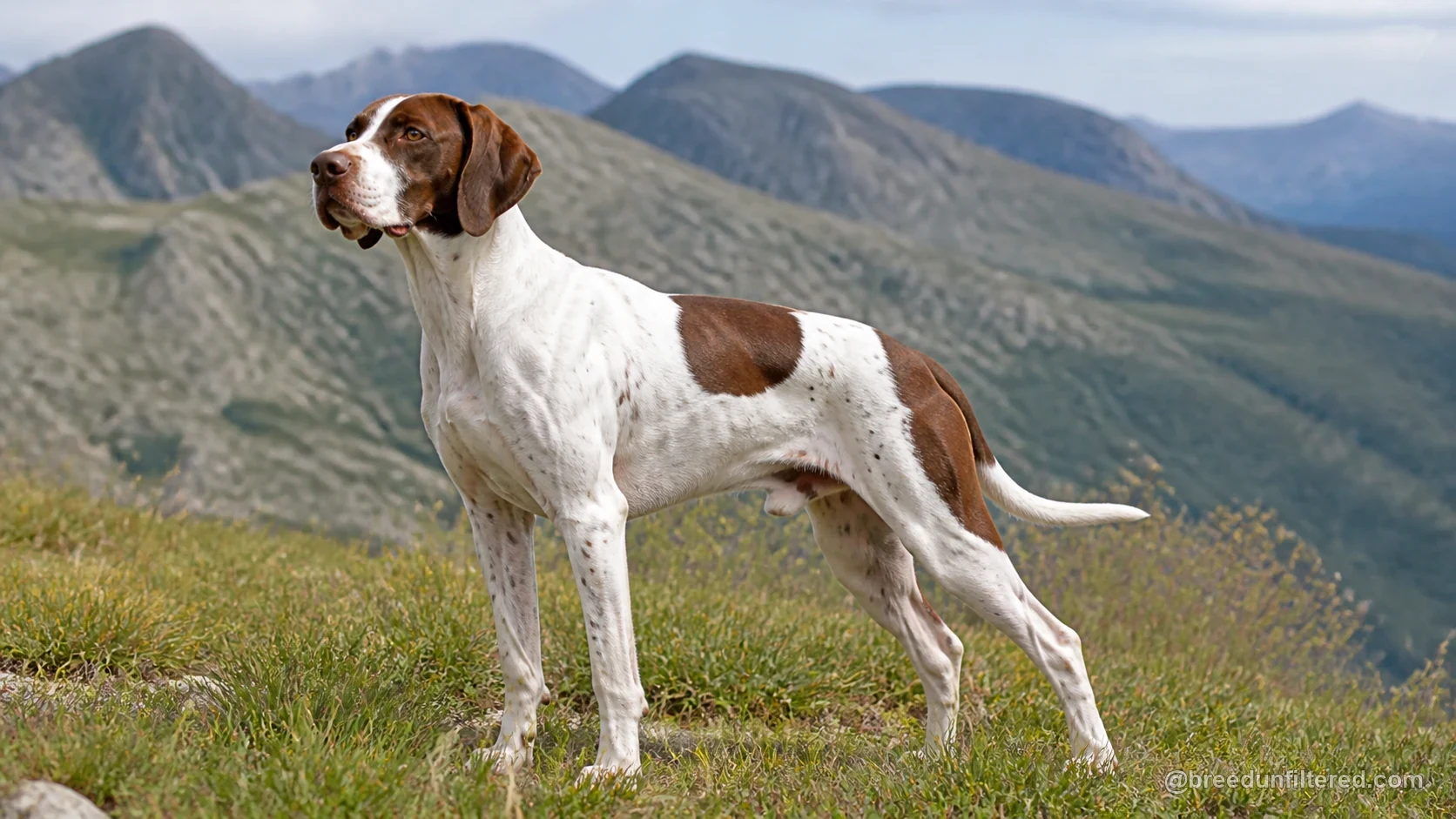
The French Pointing Dog, Pyrenean Type, is a versatile gundog developed in the rugged foothills of the Pyrenees mountains. Known for its keen nose and methodical hunting style, this breed has been prized by hunters for centuries. Today, it is also gaining recognition as a loyal companion for active families who appreciate its affectionate nature and moderate size.
This guide provides a balanced overview of what to expect when living with a Pyrenean Type. We cover the breed's origins, temperament, exercise needs, training approach, family compatibility, grooming, health considerations, and the financial and time commitments involved. Whether you are a seasoned hunter or a first-time owner, understanding these aspects will help you decide if this breed is the right fit for your lifestyle.
Origin and Purpose
The French Pointing Dog, Pyrenean Type, is one of two varieties of the Braque Français, the other being the larger Gascony Type. The Pyrenean Type originated in the Pyrenees region of southwestern France, where it was developed to hunt game birds such as partridge and woodcock. Its compact size and agility made it well-suited for navigating dense undergrowth and steep terrain.
Historically, these dogs were bred for their exceptional scenting ability and their natural pointing instinct, which allows them to freeze and indicate the location of game. They were also valued for their retrieving skills and their willingness to work closely with hunters. The breed's versatility and endurance have ensured its continued popularity among hunters in France and increasingly among sporting dog enthusiasts worldwide.
Temperament and Variation
The Pyrenean Type is generally described as gentle, affectionate, and eager to please. These dogs often form strong bonds with their family members and may be reserved with strangers, though they are not typically aggressive. Their temperament can vary individually, influenced by genetics, socialization, and training. Some may be more outgoing, while others are more cautious.
Compared to the Gascony Type, the Pyrenean is often considered slightly more sensitive and adaptable, but both share the same core traits of intelligence and a strong desire to work. It is important to remember that temperament is not guaranteed; early and ongoing socialization is crucial to help these dogs develop into confident, well-adjusted adults. They thrive on positive interactions and consistent, gentle guidance.
Exercise and Mental Work
As a sporting breed, the Pyrenean Type requires regular physical activity to stay healthy and content. Daily walks, runs, or play sessions in a securely fenced area are essential. They particularly enjoy activities that engage their natural instincts, such as retrieving games or scent work. Without adequate exercise, they may become restless and develop undesirable behaviors.
Mental stimulation is equally important. These intelligent dogs benefit from puzzle toys, obedience training, and activities that challenge their problem-solving skills. Participating in dog sports like agility, rally, or field trials can provide both physical and mental outlets. The amount of exercise needed varies by age, health, and individual energy levels, so it is best to tailor a routine to your dog's specific needs.
Training and Socialisation
Training a Pyrenean Type is generally a rewarding experience due to their eagerness to please and their responsiveness to positive reinforcement methods. They are intelligent and learn quickly, but they can also be sensitive, so harsh corrections are counterproductive. Consistency, patience, and reward-based techniques yield the best results. Early training helps establish good manners and strengthens the bond between dog and owner.
Socialisation is a critical component of raising a well-rounded dog. Exposing the puppy to a variety of people, animals, environments, and situations from an early age helps prevent fearfulness and aggression. Puppy classes and supervised interactions with other dogs are beneficial. Even as adults, continued socialisation is important to maintain their confidence and adaptability in new situations.
Family and Pets
The Pyrenean Type can make a wonderful family dog for those who can meet its exercise and companionship needs. They are often gentle with children, especially when raised with them, but supervision is always recommended, particularly with younger children. Their affectionate nature means they enjoy being part of family activities and may not do well when left alone for long periods.
With proper socialisation, they can coexist peacefully with other dogs and even cats, especially if introduced gradually. However, their hunting instincts may be triggered by small animals such as rabbits or birds, so caution is advised. Each dog is an individual, and early experiences play a significant role in shaping their behavior around other pets.
Grooming and Health
The Pyrenean Type has a short, dense coat that is relatively low-maintenance. Weekly brushing with a soft bristle brush or grooming mitt helps remove loose hair and keep the coat healthy. They shed moderately, and more frequent brushing may be needed during seasonal shedding periods. Bathing should be done only when necessary to avoid stripping natural oils.
As with many purebred dogs, the Pyrenean Type may be predisposed to certain health conditions, including hip dysplasia and ear infections. Regular veterinary check-ups, a balanced diet, and proper ear cleaning are important preventive measures. Responsible breeders screen their breeding stock for hereditary issues. It is essential to obtain a puppy from a reputable breeder who prioritizes health and temperament.
Costs and Responsibility
Owning a Pyrenean Type involves significant financial and time commitments. Initial costs include the purchase price, which can vary widely depending on the breeder and location, as well as supplies like a crate, bedding, and food. Ongoing expenses include high-quality dog food, routine veterinary care, vaccinations, parasite prevention, and pet insurance. Emergency medical costs can be substantial, so planning is essential.
Beyond finances, responsible ownership requires a commitment to training, exercise, and companionship. These dogs thrive on human interaction and should not be left alone for extended periods. They are best suited to homes with a securely fenced yard and owners who can dedicate time to their physical and mental well-being. Prospective owners should carefully evaluate their lifestyle and resources before bringing a dog home.
Clear answers
FREQUENTLY ASKED QUESTIONS
Is the French Pointing Dog Pyrenean Type good for first-time owners?
The Pyrenean Type can be suitable for first-time owners who are committed to consistent training and providing ample exercise. They are intelligent and eager to please, which makes training rewarding. However, their energy and need for mental stimulation may be challenging for some novices. It is essential to research thoroughly and consider working with a professional trainer or enrolling in obedience classes to ensure a successful experience.
How much exercise does a Pyrenean Type need daily?
The exercise needs of a Pyrenean Type vary by age, health, and individual energy levels. Generally, they require at least an hour of physical activity each day, which can include walks, runs, or play sessions. They also benefit from mental challenges like puzzle toys or scent work. Without sufficient exercise, they may become bored and develop destructive behaviors. Adjust the routine based on your dog's cues and consult a veterinarian for specific recommendations.
Are Pyrenean Type dogs good with children?
Many Pyrenean Type dogs are gentle and affectionate with children, especially when raised together. They are typically patient and enjoy being part of family activities. However, as with any breed, interactions should be supervised, particularly with young children who may not understand how to behave around dogs. Teaching children to respect the dog's space and body language is crucial for a harmonious relationship.
What are common health issues in the Pyrenean Type?
Like many purebred dogs, the Pyrenean Type may be prone to certain health conditions, including hip dysplasia, ear infections, and eye disorders. Regular veterinary check-ups, a healthy diet, and proper ear care can help mitigate some risks. Responsible breeders screen their breeding dogs for hereditary conditions. It is important to ask the breeder about health clearances and to maintain a good relationship with your veterinarian.
Do Pyrenean Type dogs shed a lot?
The Pyrenean Type has a short, dense coat that sheds moderately throughout the year. Shedding may increase during seasonal changes, typically in spring and fall. Weekly brushing with a soft bristle brush or grooming mitt can help remove loose hair and reduce shedding around the home. Regular grooming also keeps the coat healthy and provides an opportunity to check for skin issues or parasites.
Sources and further reading
Scores describe typical breed tendencies from 1 to 10. They are not a quality ranking or a prediction for an individual dog.
Size and presence6/10
CompactVery large
Physical strength5/10
LightExceptional
Energy level8/10
LowRelentless
Exercise demand9/10
ModestVery demanding
Mental work needed8/10
ModerateDaily job
Trainability9/10
ChallengingExceptional
Everyday manageability7/10
SpecialistStraightforward
First-time owner fit7/10
Poor fitGood fit
Family-life fit9/10
LimitedExcellent
Dog sociability8/10
SelectiveVery social
Prey drive9/10
LowVery high
Guarding tendency3/10
MinimalSerious
Independence4/10
Handler-focusedSelf-directed
Grooming demand4/10
LightHeavy
Apartment fit5/10
Poor fitGood fit