Complete breed guide
Hungarian Hound - Transylvanian Scent Hound OWNERSHIP GUIDE
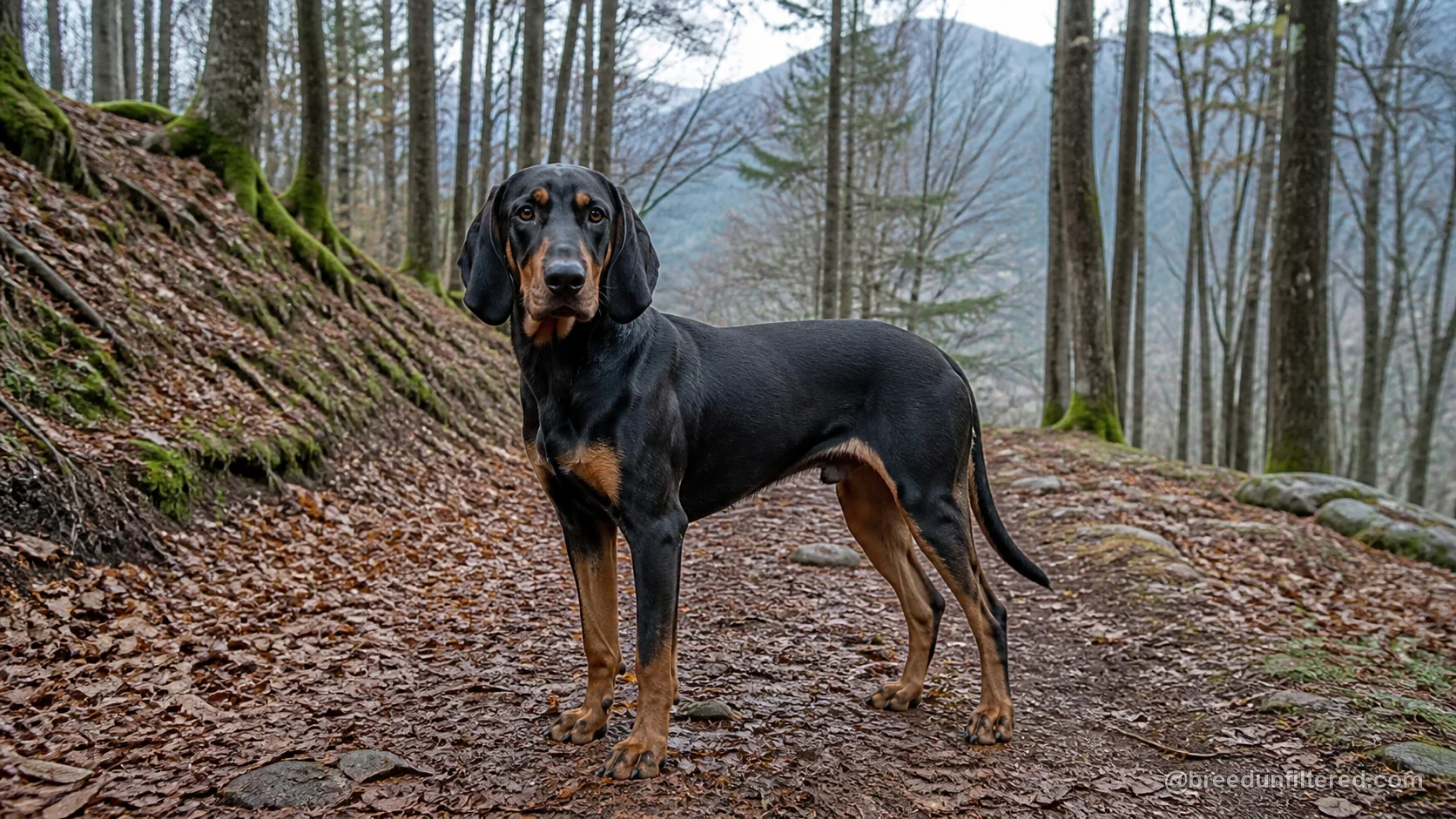
The Hungarian Hound, also known as the Transylvanian Scent Hound (Erdélyi Kopó), is a rare and ancient breed developed for hunting in the rugged Carpathian Mountains. Recognized by the FCI in Group 6, this hound is prized for its endurance, courage, and ability to track game across challenging terrain. Its history is intertwined with Hungarian nobility, and it remains a working dog at heart, thriving when given a job to do.
For prospective owners, the Transylvanian Scent Hound offers a unique blend of loyalty, intelligence, and independence. However, it is not a typical companion breed. Its strong hunting instincts, high energy, and need for mental stimulation require an experienced and active home. This article provides a comprehensive overview of the breed's characteristics, care requirements, and considerations for those thinking of welcoming one into their lives.
Origin and Purpose
The Transylvanian Scent Hound is one of the oldest Hungarian breeds, with roots tracing back to the Middle Ages. It was developed to hunt large game such as bear, boar, and lynx in the dense forests of Transylvania. The breed's name, Erdélyi Kopó, reflects its regional heritage. Over centuries, selective breeding produced a robust, determined hound capable of working independently while cooperating with hunters.
Today, the breed remains primarily a working dog, though its numbers are limited even in its native Hungary. The FCI standard (No. 241) describes a medium-sized, well-muscled hound with a keen nose and a melodious voice. Its historical purpose has shaped its temperament and physical abilities, making it a specialized hunter rather than a generic family pet. Understanding this background is essential for anyone considering the breed.
Temperament and Variation
The Transylvanian Scent Hound is known for its calm and balanced demeanor at home, yet it can be intense and focused when working. It is typically loyal and affectionate with its family, forming strong bonds. However, it also possesses a stubborn streak and a high degree of independence, traits common in scent hounds. Individual variation exists, influenced by genetics and upbringing, so early experiences play a significant role.
There are two recognized varieties within the breed: the tall (or large) and the short (or small) type, differing mainly in height and weight. Both share similar temperamental characteristics. While generally not aggressive, the breed can be reserved with strangers, making early socialization important. Its hunting drive is strong, and it may not always get along with small pets unless raised with them from puppyhood.
Exercise and Mental Work
The Transylvanian Scent Hound is a high-energy breed that requires substantial daily exercise to remain physically and mentally healthy. Long walks, jogs, or hikes are essential, but off-leash activity in a securely fenced area is also beneficial. Because it is a scent hound, it thrives on activities that engage its nose, such as tracking or nose work. Without adequate outlets, it may become restless and develop destructive behaviors.
Mental stimulation is as important as physical exercise. Puzzle toys, scent games, and obedience training that challenges its mind can help satisfy its intellectual needs. This breed is not suited to a sedentary lifestyle or apartment living without a committed owner who can provide ample outdoor time. Prospective owners should be prepared to dedicate at least one to two hours daily to exercise and enrichment, though individual needs vary.
Training and Socialisation
Training a Transylvanian Scent Hound requires patience, consistency, and positive reinforcement techniques. This breed is intelligent but can be independent and somewhat stubborn, so harsh methods are counterproductive. Early obedience training is crucial to establish basic commands and a reliable recall, especially given its strong prey drive. Short, varied sessions tend to work better than long, repetitive ones.
Socialisation from a young age is vital to help the dog become a well-adjusted adult. Exposing it to various people, animals, environments, and situations can reduce the likelihood of fearfulness or aggression. While it may never be overly outgoing with strangers, proper socialisation can teach it to remain calm and neutral. Enrolling in puppy classes and arranging controlled introductions with other dogs can be beneficial.
Family and Other Pets
The Transylvanian Scent Hound can be a devoted family companion, especially in households that understand its needs. It is generally good with children, particularly when raised with them, and can be playful and protective. However, due to its size and energy, supervision is recommended around very young children to prevent accidental knocking over. Its loyalty makes it a good watchdog, though it is not typically aggressive.
When it comes to other pets, the breed's hunting instincts can pose challenges. It may view small animals such as cats, rabbits, or rodents as prey, especially if not socialised with them early. Even with socialisation, there is no guarantee of safety, so caution is advised. With other dogs, it often gets along well, especially if they are of similar size and temperament, but introductions should be gradual and supervised.
Grooming and Health
The Transylvanian Scent Hound has a short, dense coat that is relatively low-maintenance. Weekly brushing helps remove loose hair and keep the coat healthy, with more frequent brushing during seasonal sheds. Bathing is only necessary when dirty. Regular ear checks are important, as floppy ears can trap moisture and debris, potentially leading to infections. Nail trimming and dental care should be part of the routine.
As a breed, the Transylvanian Scent Hound is generally hardy, but like all dogs, it can be prone to certain health conditions. Hip dysplasia and ear infections are among the concerns noted in some lines. Responsible breeders screen for hereditary issues, but prospective owners should be prepared for potential veterinary costs. Maintaining a healthy weight and providing regular exercise can contribute to overall well-being.
Costs and Responsibility
Owning a Transylvanian Scent Hound involves significant financial and time commitments. Initial costs include the purchase price, which can be high due to the breed's rarity, as well as supplies such as crates, bedding, and feeding equipment. Ongoing expenses include high-quality food, routine veterinary care, vaccinations, and parasite prevention. Emergency medical care and pet insurance are also worth considering.
Beyond finances, this breed demands a responsible owner who can provide ample exercise, mental stimulation, and training. It is not a suitable choice for first-time dog owners or those with a sedentary lifestyle. Prospective owners should research the breed thoroughly, connect with reputable breeders or rescue organizations, and honestly assess their ability to meet the dog's needs. Owning a Transylvanian Scent Hound is a long-term commitment that can be deeply rewarding for the right person.
Clear answers
FREQUENTLY ASKED QUESTIONS
Is the Transylvanian Scent Hound good with children?
Generally, the Transylvanian Scent Hound can be good with children, especially when raised with them from puppyhood. It is typically patient and playful, but due to its size and energy, supervision is recommended with very young children to prevent accidental injury. Early socialisation and training are key to fostering a positive relationship.
How much exercise does a Transylvanian Scent Hound need?
This breed has high exercise needs and requires at least one to two hours of vigorous activity daily. This can include long walks, jogs, or hikes, as well as off-leash time in a secure area. Mental stimulation through scent work or puzzle toys is also essential to prevent boredom and destructive behavior.
Is the Transylvanian Scent Hound easy to train?
Training can be challenging due to the breed's independent and sometimes stubborn nature. However, with patient, consistent, and positive reinforcement methods, it can learn well. Early obedience training and socialisation are crucial. Harsh training methods are not recommended and can damage the bond.
Does the Transylvanian Scent Hound get along with other pets?
Due to its strong hunting instincts, the Transylvanian Scent Hound may not be reliable with small pets like cats or rabbits, especially if not raised with them. With other dogs, it often gets along well, particularly if they are of similar size. Introductions should be gradual and supervised.
What are the grooming requirements for a Transylvanian Scent Hound?
The coat is short and dense, requiring minimal grooming. Weekly brushing is sufficient to remove loose hair, with more frequent brushing during shedding seasons. Regular ear checks are important to prevent infections, and routine nail trimming and dental care should be maintained.
Sources and further reading
15-point breed scorecard
HUNGARIAN HOUND - TRANSYLVANIAN SCENT HOUND AT A GLANCE
Compare this breedScores describe typical breed tendencies from 1 to 10. They are not a quality ranking or a prediction for an individual dog.
Size and presence5/10
CompactVery large
Physical strength6/10
LightExceptional
Energy level9/10
LowRelentless
Exercise demand10/10
ModestVery demanding
Mental work needed8/10
ModerateDaily job
Trainability4/10
ChallengingExceptional
Everyday manageability1/10
SpecialistStraightforward
First-time owner fit3/10
Poor fitGood fit
Family-life fit6/10
LimitedExcellent
Dog sociability8/10
SelectiveVery social
Prey drive10/10
LowVery high
Guarding tendency4/10
MinimalSerious
Independence10/10
Handler-focusedSelf-directed
Grooming demand2/10
LightHeavy
Apartment fit4/10
Poor fitGood fit