Complete breed guide
Brazilian Tracker OWNERSHIP GUIDE
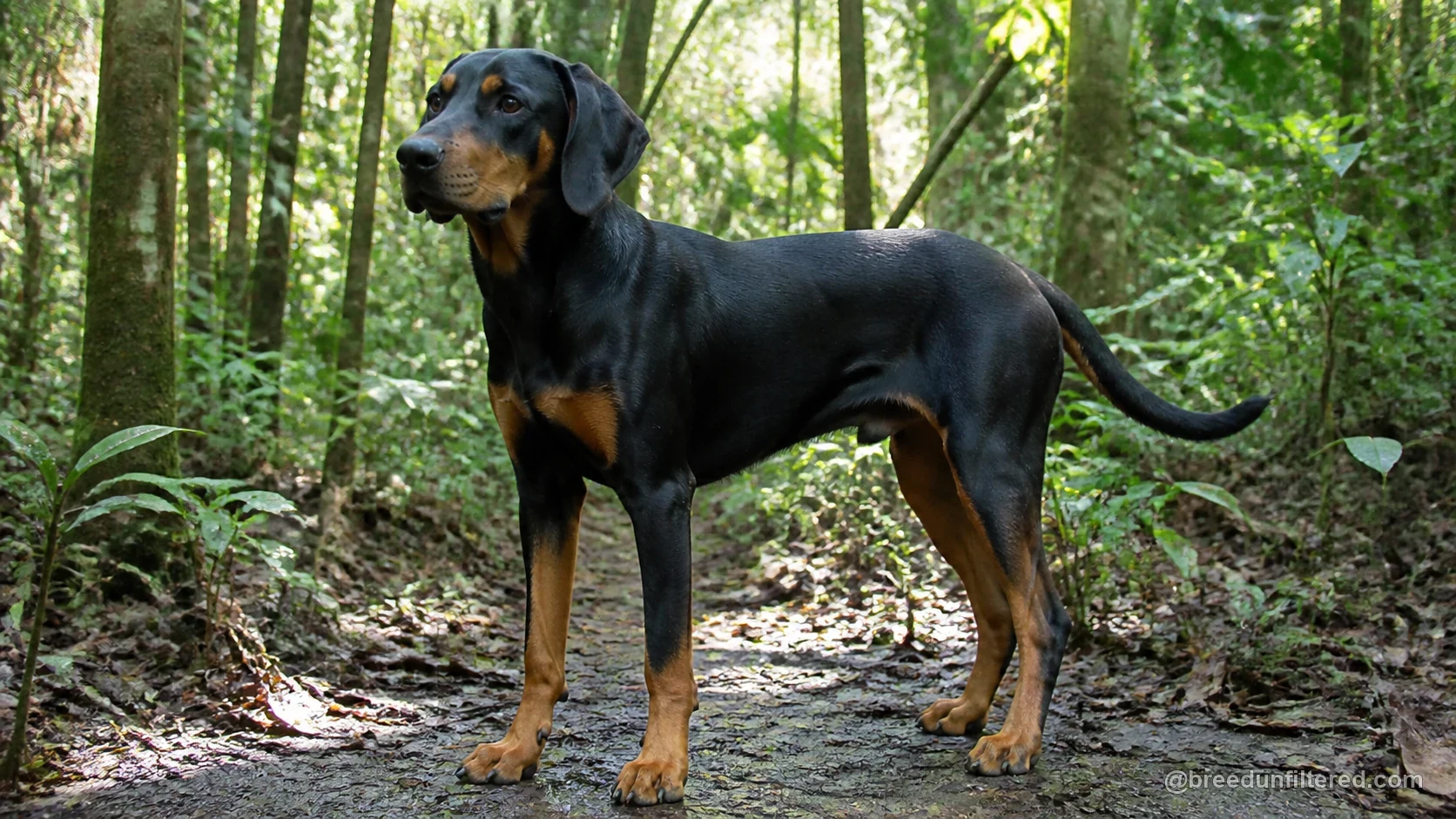
The Brazilian Tracker, known locally as Rastreador Brasileiro, is a rare scenthound developed in Brazil for hunting large game such as jaguars and peccaries. Recognized by the Fédération Cynologique Internationale (FCI) in Group 6, this breed is prized for its exceptional tracking ability, endurance, and determination in the field. Despite its working heritage, the Brazilian Tracker is a devoted companion, forming strong bonds with its family while maintaining an independent streak.
For prospective owners, understanding the Brazilian Tracker's unique needs is essential. This is not a low-maintenance pet; it requires ample physical exercise, mental stimulation, and consistent training. Its rarity outside Brazil means finding a reputable breeder or rescue can be challenging, and potential owners should be prepared for a long-term commitment to a breed that thrives in an active, outdoor-oriented lifestyle.
Origin and Purpose
The Brazilian Tracker originated in Brazil in the mid-20th century, developed by breeders aiming to create a dog capable of tracking and hunting large game in the country's diverse terrains. The breed's foundation includes crosses between various hounds, such as the Bloodhound, Foxhound, and American Coonhound, selected for their scenting ability and stamina. The result is a dog with an extraordinary nose and a relentless drive to follow a trail.
Recognized by the FCI in 1967, the Brazilian Tracker remains a working breed first and foremost. Its primary role is to track wounded game, often over long distances and in challenging conditions. This purpose has shaped its physical and mental characteristics, including a strong prey drive, independence in decision-making, and a robust, athletic build. Today, while still used for hunting in Brazil, the breed also participates in dog sports like tracking and scent work.
Temperament and Variation
The Brazilian Tracker is known for its determined and tenacious temperament, especially when on a scent trail. At home, it is typically calm and affectionate with its family, showing a gentle and loyal side. However, its independent nature can make it seem aloof at times, and it may not be as overtly demonstrative as some other hounds. Individual temperament varies, influenced by genetics, socialization, and training.
Like many hounds, the Brazilian Tracker is generally good-natured and tolerant, but it can be reserved with strangers. Its guarding instinct is moderate; it may alert its family to unusual occurrences but is not typically aggressive. Early and ongoing socialization is crucial to help it distinguish between normal and threatening situations. Prospective owners should expect a dog that is both a dedicated worker and a loving companion, with a personality that reflects its dual roles.
Exercise and Mental Work
The Brazilian Tracker is a high-energy breed that requires substantial daily exercise to stay physically and mentally healthy. Long walks, jogs, or hikes are essential, but off-leash activities in a securely fenced area are particularly beneficial, as they allow the dog to use its natural tracking instincts. Without adequate exercise, this breed may become restless and develop destructive behaviors.
Mental stimulation is equally important. Scent games, tracking trials, and puzzle toys can help satisfy the breed's need to use its nose and problem-solving skills. Engaging in activities like nose work or barn hunt can provide an outlet for its instincts. Owners should be prepared to dedicate at least an hour or more each day to exercise and enrichment, adjusting based on the individual dog's age and health.
Training and Socialisation
Training a Brazilian Tracker requires patience and consistency. This breed is intelligent but independent, often preferring to follow its nose rather than obey commands. Positive reinforcement methods, such as treats and praise, work best, while harsh corrections can cause the dog to become stubborn or shut down. Early obedience training is essential to establish a strong foundation and to manage the breed's strong will.
Socialisation from a young age is critical to help the Brazilian Tracker become a well-adjusted adult. Exposing it to various people, animals, environments, and sounds can reduce the likelihood of shyness or reactivity. Because of its hunting background, it may have a high prey drive, so careful introductions to small pets are necessary. Consistent, lifelong training and socialisation will help channel its instincts appropriately.
Family and Pets
The Brazilian Tracker can make a devoted family dog, especially in households that appreciate its active nature. It tends to form strong bonds with its family members and is generally good with children, particularly when raised with them. However, its size and energy may be overwhelming for very young children, so supervision and training are recommended to ensure safe interactions.
When it comes to other pets, the Brazilian Tracker's prey drive can be a challenge. It may view smaller animals, such as cats or rabbits, as quarry, especially if not socialised with them from an early age. With proper introductions and management, some individuals can coexist peacefully with other dogs, but it is often best suited to homes without small furry pets. Prospective owners should assess their household dynamics carefully.
Grooming and Health
The Brazilian Tracker has a short, dense coat that is relatively low-maintenance. Weekly brushing with a rubber curry or hound glove can help remove loose hair and keep the coat healthy. It sheds moderately, and more frequent brushing may be needed during seasonal changes. Bathing should be done only when necessary to avoid stripping natural oils from the skin.
As a relatively rare breed, the Brazilian Tracker may have a limited gene pool, which could increase the risk of inherited health conditions. While specific health issues are not well-documented, potential owners should be aware of common hound ailments such as hip dysplasia, ear infections, and bloat. Regular veterinary check-ups, a balanced diet, and proper ear care are essential. Responsible breeders should screen for known conditions and provide health clearances.
Costs and Responsibility
Owning a Brazilian Tracker involves significant financial and time commitments. Initial costs include the purchase price from a reputable breeder, which can be high due to the breed's rarity, as well as supplies such as a crate, bedding, and food. Ongoing expenses include high-quality dog food, routine veterinary care, vaccinations, and preventive medications. Emergency medical costs should also be considered.
Beyond finances, responsible ownership requires a commitment to providing adequate exercise, training, and mental stimulation for the dog's entire life, which can be 10-12 years. This breed is not suitable for a sedentary lifestyle or for owners who are away from home for long periods. Prospective owners should thoroughly research the breed, connect with experienced owners or breed clubs, and honestly assess their ability to meet the dog's needs before making a decision.
Clear answers
FREQUENTLY ASKED QUESTIONS
Is the Brazilian Tracker a good family dog?
The Brazilian Tracker can be a good family dog for active households that can provide ample exercise and mental stimulation. It is generally affectionate and loyal to its family, and with proper socialisation, it can get along well with children. However, its high energy and strong prey drive may not be suitable for homes with very young children or small pets. Supervision and training are essential.
How much exercise does a Brazilian Tracker need?
The Brazilian Tracker is a high-energy breed that requires at least an hour of vigorous exercise daily, though individual needs vary. Activities like long walks, jogging, hiking, and off-leash running in a secure area are ideal. Mental exercise, such as scent work or puzzle toys, is equally important to prevent boredom and destructive behavior.
Is the Brazilian Tracker easy to train?
Training a Brazilian Tracker can be challenging due to its independent and stubborn nature. It is intelligent but may be easily distracted by scents. Positive reinforcement methods, consistency, and patience are key. Early obedience training and socialisation are crucial to manage its strong will and prey drive. Harsh methods are counterproductive.
Does the Brazilian Tracker get along with other dogs?
With proper socialisation, the Brazilian Tracker can coexist with other dogs, especially if raised together. However, its hunting background may make it prone to chasing smaller animals. It may be more selective with unfamiliar dogs, so introductions should be gradual and supervised. Its temperament varies, so early and ongoing socialisation is important.
What health issues are common in Brazilian Trackers?
As a rare breed, specific health issues are not well-documented, but potential concerns include hip dysplasia, ear infections, and bloat, which are common in hounds. Responsible breeders should screen for hereditary conditions. Regular veterinary check-ups, a balanced diet, and proper ear care can help maintain health. Prospective owners should ask breeders about health testing.
Sources and further reading
Scores describe typical breed tendencies from 1 to 10. They are not a quality ranking or a prediction for an individual dog.
Size and presence5/10
CompactVery large
Physical strength6/10
LightExceptional
Energy level9/10
LowRelentless
Exercise demand10/10
ModestVery demanding
Mental work needed8/10
ModerateDaily job
Trainability5/10
ChallengingExceptional
Everyday manageability2/10
SpecialistStraightforward
First-time owner fit3/10
Poor fitGood fit
Family-life fit6/10
LimitedExcellent
Dog sociability8/10
SelectiveVery social
Prey drive10/10
LowVery high
Guarding tendency3/10
MinimalSerious
Independence8/10
Handler-focusedSelf-directed
Grooming demand4/10
LightHeavy
Apartment fit4/10
Poor fitGood fit