Complete breed guide
Harrier OWNERSHIP GUIDE
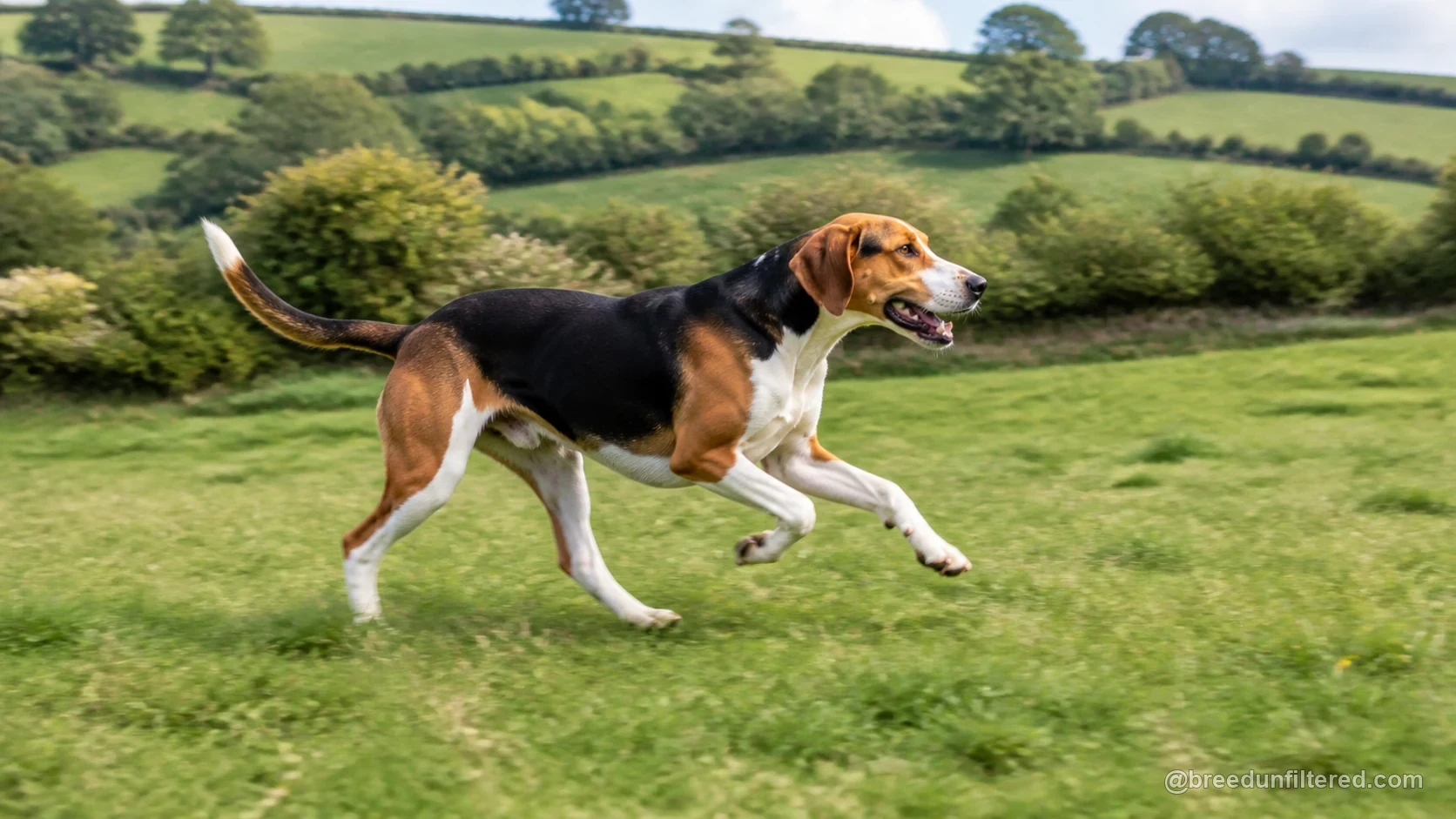
The Harrier is a medium-sized scenthound that originated in England, bred to hunt hares in packs. Often described as a smaller version of the English Foxhound, the Harrier is a robust and athletic dog with a keen nose and a cheerful disposition. While historically a pack hound, today's Harrier can be a devoted companion for active individuals and families who can meet its considerable exercise needs.
This breed is known for its endurance, sociability, and even temperament. Harriers are typically friendly and outgoing, getting along well with people and other dogs. However, they are also independent thinkers with a strong prey drive, which means they require consistent training and a securely fenced yard. Prospective owners should be prepared for a dog that thrives on activity and companionship, both in the field and at home.
Origin and Purpose
The Harrier's exact origins are debated, but it is believed to have been developed in medieval England, possibly from crosses between the English Foxhound, the Bloodhound, and the Talbot Hound. The breed was designed to hunt hares in packs, following the scent with remarkable stamina and a distinctive baying voice. The name 'Harrier' itself derives from the Old English word 'harier,' meaning a dog that hunts hares.
For centuries, Harriers were prized by English huntsmen for their ability to work in large packs, covering vast distances over varied terrain. While their primary role was hunting, they were also valued as loyal companions in the kennels. Today, the Harrier remains a rare breed, especially outside the United Kingdom, but it still retains its strong hunting instincts and pack-oriented nature.
Temperament and Variation
Harriers are generally known for their friendly, outgoing, and even-tempered nature. They are typically good-natured and sociable, often getting along well with children and other dogs. As pack hounds, they tend to be tolerant and enjoy the company of other canines. However, individual temperaments can vary, and early socialization is important to ensure a well-rounded adult dog.
While they are not typically aggressive, Harriers can be stubborn and independent, traits common in hounds. They are not usually guard dogs, as they are more likely to greet strangers with enthusiasm than suspicion. Their baying voice can be loud, especially when they are excited or on a scent, which may not suit all households. Prospective owners should be prepared for a dog that is both affectionate and willful.
Exercise and Mental Work
The Harrier is a high-energy breed with a strong need for regular exercise. They were bred to run for hours, so daily vigorous activity is essential to keep them physically and mentally satisfied. Long walks, jogs, or off-leash runs in a safe, enclosed area are ideal. Without adequate exercise, Harriers may become restless and develop destructive behaviors.
Mental stimulation is equally important. Scent games, tracking exercises, and puzzle toys can help engage their keen noses and problem-solving abilities. Activities like nose work or barn hunt can provide an outlet for their natural instincts. A bored Harrier may resort to digging or barking, so owners should incorporate both physical and mental challenges into their routine.
Training and Socialisation
Training a Harrier requires patience and consistency. They are intelligent but can be independent and easily distracted by scents, so training sessions should be short, varied, and reward-based. Positive reinforcement methods, such as treats and praise, work best. Harsh corrections are counterproductive and can damage the trust between dog and owner.
Early and ongoing socialization is crucial for Harriers. Exposing them to a variety of people, animals, and environments helps them develop into confident, well-mannered adults. Because they are pack dogs, they generally do well with other dogs, but their prey drive means they may not be reliable with small pets like cats or rabbits unless raised with them. A securely fenced yard is a must, as a Harrier will follow a scent without hesitation.
Family and Other Pets
Harriers can make wonderful family dogs for active households. They are typically gentle and playful with children, and their sturdy build allows them to handle rough-and-tumble play. However, as with any breed, interactions should be supervised, and children should be taught how to behave around dogs. Harriers thrive on companionship and do not do well when left alone for long periods.
When it comes to other pets, Harriers generally get along well with other dogs, especially if they are raised together. However, their strong prey drive can be a concern with smaller animals such as cats, rabbits, or guinea pigs. Early socialization may help, but there is no guarantee. Prospective owners with small pets should carefully consider whether a Harrier is the right fit.
Grooming and Health
The Harrier has a short, dense coat that is relatively low-maintenance. Weekly brushing with a hound glove or soft brush will help remove loose hair and keep the coat healthy. They shed moderately year-round, and more during seasonal changes. Bathing is only necessary when they are dirty or have a strong odor, which can happen after a day of hunting.
As a breed, Harriers are generally healthy, but like all dogs, they can be prone to certain conditions. Hip dysplasia, ear infections, and eye issues are among the health concerns that have been reported. Responsible breeders screen for these conditions. Regular veterinary check-ups, a balanced diet, and proper exercise contribute to overall well-being. Owners should also be mindful of their Harrier's weight, as obesity can exacerbate joint problems.
Costs and Responsibility
Owning a Harrier is a long-term commitment that involves financial and time investments. Initial costs include the purchase price from a reputable breeder, which can vary, as well as supplies like a crate, bedding, and food. Ongoing expenses include high-quality dog food, routine veterinary care, vaccinations, and preventive medications. Emergency medical care can be costly, so pet insurance is worth considering.
Beyond finances, Harriers require a significant time commitment. They need daily exercise, mental stimulation, and social interaction. They are not suited to a sedentary lifestyle or being left alone for extended periods. Prospective owners should assess their ability to meet these needs before bringing a Harrier home. Adopting from a rescue or breed-specific organization is also a responsible option, giving a deserving dog a second chance.
Clear answers
FREQUENTLY ASKED QUESTIONS
Are Harriers good with children?
Harriers are generally good with children, especially when raised with them. They are playful and sturdy, making them suitable playmates for older kids who understand how to interact with dogs. However, as with any breed, supervision is recommended, and children should be taught to respect the dog's space and signals.
How much exercise does a Harrier need?
Harriers are high-energy dogs that need at least an hour of vigorous exercise daily, though many will thrive with more. This can include long walks, runs, or off-leash play in a secure area. Mental exercise, such as scent games or puzzle toys, is also important to prevent boredom and destructive behavior.
Are Harriers easy to train?
Harriers are intelligent but can be stubborn and easily distracted by scents, making training a challenge for novice owners. They respond best to positive reinforcement techniques like treats and praise. Consistency and patience are key, and early socialization is essential to develop a well-mannered adult.
Do Harriers get along with other dogs?
Yes, Harriers are pack hounds and generally get along well with other dogs. They are sociable and enjoy the company of canines, making them a good fit for multi-dog households. However, their prey drive may be triggered by smaller animals, so introductions with non-canine pets should be done carefully.
What are the grooming requirements for a Harrier?
Harriers have a short, dense coat that requires minimal grooming. Weekly brushing with a hound glove or soft brush helps remove loose hair and distribute skin oils. They shed moderately, and bathing is only needed occasionally. Regular ear cleaning and nail trimming are also part of their care routine.
Sources and further reading
Scores describe typical breed tendencies from 1 to 10. They are not a quality ranking or a prediction for an individual dog.
Size and presence5/10
CompactVery large
Physical strength6/10
LightExceptional
Energy level9/10
LowRelentless
Exercise demand9/10
ModestVery demanding
Mental work needed8/10
ModerateDaily job
Trainability5/10
ChallengingExceptional
Everyday manageability2/10
SpecialistStraightforward
First-time owner fit3/10
Poor fitGood fit
Family-life fit6/10
LimitedExcellent
Dog sociability8/10
SelectiveVery social
Prey drive10/10
LowVery high
Guarding tendency3/10
MinimalSerious
Independence8/10
Handler-focusedSelf-directed
Grooming demand2/10
LightHeavy
Apartment fit4/10
Poor fitGood fit