Complete breed guide
Bloodhound OWNERSHIP GUIDE
The Bloodhound, also known as the Chien de Saint Hubert, is one of the oldest and most distinguished scenthounds, with a lineage that traces back to medieval France. Recognized by the FCI under standard number 84, this breed is celebrated for its extraordinary olfactory abilities, capable of following a scent trail over great distances and across challenging terrain. However, the Bloodhound is not just a working nose; it is a gentle, affectionate, and somewhat comical companion, known for its droopy eyes, long ears, and soulful expression.
Prospective owners should understand that the Bloodhound is a breed of contrasts: it is both a determined, single-minded tracker and a laid-back, family-oriented dog. While its size and strength can be imposing, its temperament is typically mild and patient. This article provides a comprehensive overview of the Bloodhound, covering its origins, temperament, exercise and mental stimulation needs, training and socialization, compatibility with families and other pets, grooming and health considerations, and the financial and time commitments involved. Armed with this knowledge, you can decide if a Bloodhound is the right addition to your home.
Origin and Purpose: A Nose for the Ages
The Bloodhound's history is steeped in antiquity, with ancestors believed to have been bred by monks at the Saint Hubert Monastery in Belgium as early as the 8th century. These dogs were later refined in England, where they became the quintessential trailing hound, used to track game and, eventually, to locate missing persons. The breed's name is thought to derive from 'blooded hound', referring to the purity of its lineage, not a propensity for aggression. Today, the Bloodhound's remarkable scenting ability is still harnessed in search and rescue operations, and it is often used to provide evidence in legal proceedings, as its trailing results are admissible in some courts.
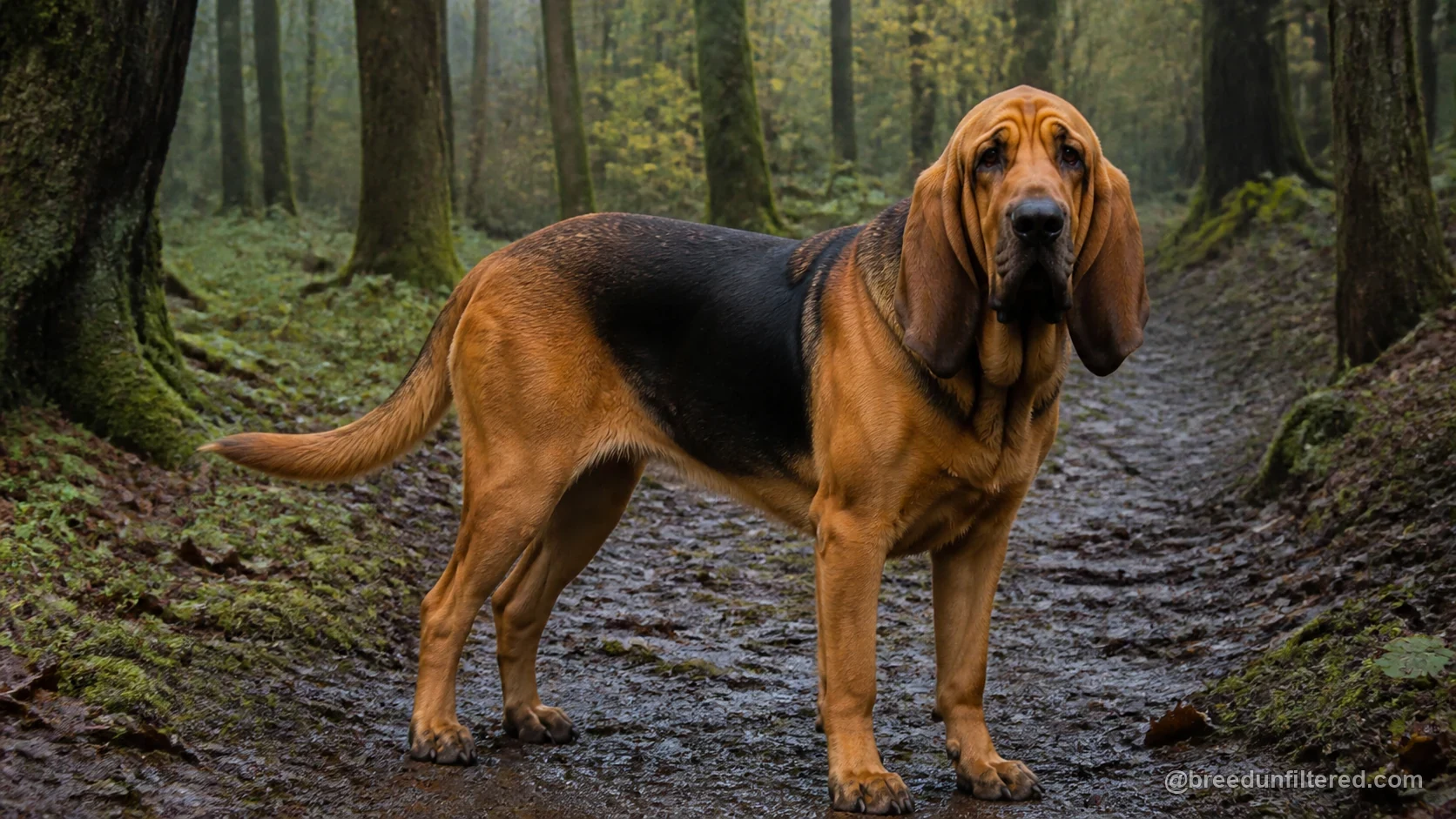
The FCI standard describes the Bloodhound as a large, powerful dog with a long, deep head, loose skin, and long, low-set ears. Its physical attributes are perfectly adapted to its purpose: the long ears and wrinkles help trap scent particles near the nose, while its sturdy build allows it to traverse rough terrain for hours. Despite its size, the Bloodhound is not a fast dog but rather a persistent one, capable of following a trail that is several days old. This purpose-driven history has shaped a breed that is both determined and methodical, traits that are essential for any prospective owner to appreciate.
Temperament and Variation: Gentle and Stubborn
The Bloodhound is renowned for its gentle, affectionate, and even-tempered nature. It is typically good-natured with people, including children, and is known to be sensitive and responsive to its family's moods. However, this breed also possesses a strong independent streak, a legacy of its working heritage. When a Bloodhound catches an interesting scent, its focus can become all-consuming, and it may appear oblivious to commands. This combination of gentleness and stubbornness means that the Bloodhound is not a dog that will obey blindly; it requires patient, consistent training and a good sense of humor from its owner.
While there is variation among individuals, most Bloodhounds share a calm, laid-back demeanor when indoors, often content to lounge on a comfortable bed. They are not typically aggressive, but their size and deep bark can make them effective deterrents. It is important to note that Bloodhounds are pack-oriented and may suffer from separation anxiety if left alone for long periods. They thrive on human companionship and are best suited to homes where someone is present for much of the day. Understanding these temperamental traits is crucial for ensuring a harmonious relationship with this unique breed.
Exercise and Mental Work: More Than a Walk
The Bloodhound is a large, athletic dog that requires regular exercise to maintain physical health and mental well-being. However, its exercise needs are not as high as one might expect for a working breed. A daily walk of moderate length, combined with opportunities to stretch its legs in a securely fenced area, is generally sufficient. The key is not the duration but the quality of the exercise, as Bloodhounds benefit greatly from activities that engage their powerful nose. Scent games, such as hiding treats or toys for them to find, can provide excellent mental stimulation and satisfy their innate tracking instincts.
Mental work is arguably more important than physical exercise for a Bloodhound. Without adequate mental challenges, they may become bored and resort to destructive behaviors, such as chewing or howling. Engaging their nose in structured activities, like nose work classes or simple tracking exercises, can be immensely rewarding for both dog and owner. It is also essential to keep a Bloodhound on a leash or in a secure enclosure when outdoors, as their instinct to follow a scent can override their recall. A well-exercised and mentally stimulated Bloodhound is a calm and content companion.
Training and Socialisation: Patience and Positive Reinforcement
Training a Bloodhound requires patience, consistency, and a positive reinforcement approach. This breed is intelligent but can be stubborn, and harsh training methods are likely to be counterproductive. Short, engaging sessions that focus on one command at a time tend to work best. Food rewards are often highly motivating for Bloodhounds, as they are typically food-oriented. Early socialization is crucial to help them become well-adjusted adults. Exposing them to a variety of people, places, and situations in a positive manner can help prevent shyness or fearfulness, which can sometimes manifest in this breed.
Because of their strong scenting instincts, recall training is particularly important but can be challenging. It is advisable to practice recall in a safe, enclosed area and to use high-value treats. Some owners find that using a long line during training provides a safety net while allowing the dog some freedom. It is also important to teach a Bloodhound to walk politely on a leash, as their size and strength can make them difficult to control if they pull. With time and effort, a well-trained Bloodhound can be a delightful companion, but owners must be prepared for a training journey that may require more patience than with other breeds.
Family and Other Pets: A Gentle Giant at Home
The Bloodhound is generally an excellent family dog, known for its patience and tolerance, especially with children. Its gentle nature makes it a good playmate, though supervision is always recommended due to its large size and boisterousness. Bloodhounds are typically sociable with other dogs and can get along well with them, especially if raised together. However, their strong prey drive can be a concern with smaller pets, such as cats or rabbits. While some Bloodhounds may live peacefully with cats, others may view them as quarry, so careful introductions and management are necessary.
It is also important to consider the Bloodhound's need for companionship. They do not do well when left alone for extended periods and may become destructive or vocal. They are best suited to families where someone is home most of the time. Their size means they need ample space to move around, but they are not overly active indoors and can adapt to apartment living if given sufficient exercise. However, a home with a securely fenced yard is ideal, as it provides a safe space for them to explore and play. With the right environment, a Bloodhound can be a loving and loyal member of the family.
Grooming and Health: Maintaining the Hound
The Bloodhound has a short, dense coat that is relatively easy to groom. Weekly brushing with a hound glove or rubber curry brush can help remove loose hair and distribute skin oils. However, the breed's most distinctive features—the loose skin and long ears—require special attention. The wrinkles on the face and neck should be checked and cleaned regularly to prevent skin infections, and the ears should be inspected and dried thoroughly after any exposure to moisture, as they are prone to ear infections. Additionally, the Bloodhound's droopy eyelids can lead to eye issues, so regular cleaning of the eye area is necessary.
Like many large breeds, Bloodhounds are prone to certain health conditions, including hip and elbow dysplasia, bloat (gastric dilatation-volvulus), and heart issues. They also have a relatively short lifespan, typically around 7 to 10 years. Prospective owners should be prepared for potential veterinary expenses and should seek a reputable breeder who screens their breeding stock for hereditary conditions. Regular veterinary check-ups, a balanced diet, and appropriate exercise can help mitigate some health risks. Grooming and health care are not overly demanding, but they do require consistency and attention to detail to keep a Bloodhound in optimal condition.
Costs and Responsibility: A Long-Term Commitment
Owning a Bloodhound is a significant financial and time commitment. The initial cost of purchasing a puppy from a responsible breeder can be substantial, and ongoing expenses include high-quality food, routine veterinary care, grooming supplies, and pet insurance. Bloodhounds are large dogs with hearty appetites, so food costs can be higher than average. Additionally, their potential health issues may lead to unexpected veterinary bills. It is wise to budget for these expenses and to consider pet insurance to help manage costs.
Beyond finances, Bloodhounds require a considerable investment of time and energy. They need daily exercise, mental stimulation, and social interaction. Their training needs are ongoing, and their stubborn nature can be challenging for first-time owners. They also shed and drool, which may not be suitable for those who prefer a spotless home. Prospective owners should honestly assess their lifestyle and ability to meet these needs. A Bloodhound is not a dog to be acquired on a whim; it is a loyal companion that thrives in a committed, understanding home. With the right preparation, the rewards of sharing your life with a Bloodhound are immense.
Clear answers
FREQUENTLY ASKED QUESTIONS
Are Bloodhounds good with children?
Bloodhounds are generally gentle and patient with children, making them suitable family dogs. However, due to their large size and playful nature, supervision is essential to prevent accidental knocking over of small children. Early socialization and training can help ensure positive interactions.
How much exercise does a Bloodhound need?
Bloodhounds require moderate daily exercise, such as a long walk or playtime in a fenced yard. Mental stimulation is equally important, as they are scent-driven dogs. Without adequate exercise and mental engagement, they may become bored and develop destructive behaviors.
Are Bloodhounds easy to train?
Bloodhounds are intelligent but can be stubborn and independent, making training a challenge. They respond best to positive reinforcement techniques, such as treats and praise. Consistency and patience are key, and early socialization is crucial for a well-behaved adult.
Do Bloodhounds get along with other pets?
Bloodhounds generally get along well with other dogs, especially if raised together. However, their strong prey drive may make them unsafe around small animals like cats or rabbits. Careful introductions and management are necessary to ensure harmony in a multi-pet household.
What are the main health concerns for Bloodhounds?
Bloodhounds are prone to certain health issues, including hip and elbow dysplasia, bloat, and ear infections due to their long ears. They also have a relatively short lifespan. Regular veterinary care, a healthy diet, and proper grooming can help mitigate some risks.
Sources and further reading
Scores describe typical breed tendencies from 1 to 10. They are not a quality ranking or a prediction for an individual dog.
Size and presence5/10
CompactVery large
Physical strength6/10
LightExceptional
Energy level8/10
LowRelentless
Exercise demand8/10
ModestVery demanding
Mental work needed8/10
ModerateDaily job
Trainability5/10
ChallengingExceptional
Everyday manageability3/10
SpecialistStraightforward
First-time owner fit3/10
Poor fitGood fit
Family-life fit7/10
LimitedExcellent
Dog sociability9/10
SelectiveVery social
Prey drive10/10
LowVery high
Guarding tendency3/10
MinimalSerious
Independence8/10
Handler-focusedSelf-directed
Grooming demand4/10
LightHeavy
Apartment fit4/10
Poor fitGood fit