Complete breed guide
Griffon Nivernais OWNERSHIP GUIDE
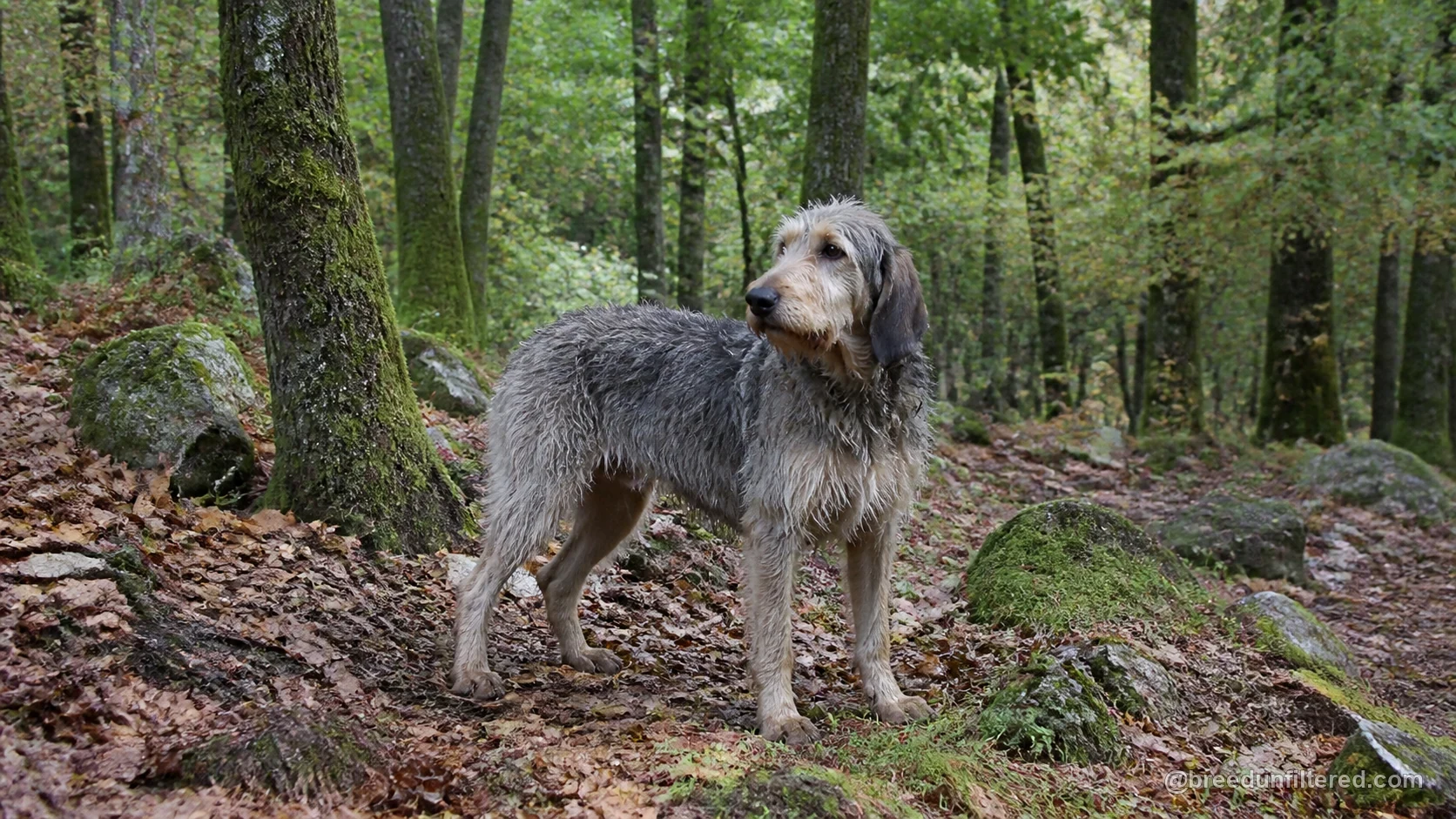
The Griffon Nivernais is a rustic French scent hound with a history steeped in the wild boar hunts of the Nivernais region. Bred for endurance and tenacity, this breed is a study in contrasts: a shaggy, unkempt appearance that belies a keen nose and a determined spirit. For the right owner, the Griffon Nivernais offers a unique partnership built on mutual respect and a shared love of the outdoors.
This is not a dog that thrives on the couch or in a city apartment. The Griffon Nivernais is a working hound at heart, requiring substantial exercise and mental stimulation. Prospective owners should be prepared for a dog that is independent, sometimes stubborn, and always ready to follow a scent. In return, they gain a loyal companion with a deep-rooted hunting heritage and a distinctive, wolf-like appearance.
Origin and Purpose
The Griffon Nivernais originates from the Nivernais region of central France, where it was developed to hunt wild boar in dense, rugged terrain. Its ancestors include ancient French hounds and possibly the now-extinct Chien Gris de Saint Louis. The breed's harsh, wiry coat and powerful build were shaped by the need to navigate thick underbrush and endure long, demanding hunts.
Historically, the Griffon Nivernais was prized for its ability to track game with persistence and courage. While its numbers declined after the French Revolution, dedicated breeders revived the line in the 19th century. Today, it remains a rare breed, primarily used for hunting in its native France, but also gaining recognition as a companion for those who appreciate its working heritage.
Temperament and Variation
The Griffon Nivernais is known for its independent and determined temperament, a reflection of its working hound background. It is typically affectionate with its family but can be reserved with strangers. This breed is not known for overt aggression, but its strong prey drive and stubborn streak require an experienced owner who can provide firm, consistent guidance.
Individual variation exists within the breed. Some Griffons may be more sociable and eager to please, while others are more aloof and self-reliant. Early and ongoing socialisation is crucial to help shape a well-adjusted adult. As with any breed, temperament is influenced by genetics, upbringing, and environment, so meeting the parents and observing the puppy's behaviour can offer clues.
Exercise and Mental Work
The Griffon Nivernais is a high-energy breed that requires substantial daily exercise. Long walks, jogs, or hikes are essential, but off-lead activity in a securely fenced area is ideal. This breed thrives when given a job, such as scent work or tracking, which taps into its natural abilities. Without adequate physical and mental stimulation, it may become restless and develop destructive behaviours.
Mental enrichment is as important as physical exercise. Puzzle toys, scent games, and obedience training that challenges the mind can help satisfy the Griffon's need for mental work. Activities like nose work or barn hunt can provide an outlet for its strong hunting instincts. Owners should be prepared to dedicate time each day to both physical and mental engagement.
Training and Socialisation
Training a Griffon Nivernais requires patience, consistency, and a sense of humour. This breed is intelligent but independent, often choosing to follow its nose over commands. Positive reinforcement methods, such as treats and praise, work best, while harsh corrections can lead to resistance. Early training should focus on basic obedience and recall, which are essential for safety, especially in areas with wildlife.
Socialisation from a young age is vital to help the Griffon Nivernais become a well-mannered adult. Expose it to a variety of people, animals, and environments to build confidence and reduce the likelihood of fearfulness or reactivity. Puppy classes and controlled introductions to other dogs can be beneficial. Remember that this breed's prey drive may make off-lead interactions with small animals risky.
Family and Other Pets
The Griffon Nivernais can be a devoted family companion, especially in households that appreciate its energetic and playful nature. It generally gets along well with children, particularly when raised with them, but its boisterousness may be too much for very young kids. Supervision and teaching children how to interact respectfully with dogs are always recommended.
With other dogs, the Griffon Nivernais often does well, especially if socialised early. However, its strong prey drive means that cats and small pets may be viewed as quarry. While some individuals may live peacefully with cats, it is not a guarantee. Prospective owners with small animals should exercise caution and consider the breed's inherent hunting instincts.
Grooming and Health
The Griffon Nivernais has a harsh, wiry coat that requires moderate grooming. Weekly brushing helps remove dead hair and prevent matting. Occasional hand-stripping, a process of plucking dead hairs, can maintain the coat's texture, though many pet owners opt for clipping. Regular ear checks are important, as floppy ears can trap moisture and debris, leading to infections.
As a breed, the Griffon Nivernais is generally robust, but like all dogs, it may be prone to certain health conditions. Hip dysplasia and ear infections are potential concerns. Responsible breeders screen for hereditary issues. Regular veterinary check-ups, a balanced diet, and appropriate exercise contribute to overall health. Prospective owners should be prepared for the financial and time commitments of preventive care.
Costs and Responsibility
Owning a Griffon Nivernais involves significant financial and time commitments. Initial costs include purchase price, which can be high for a rare breed, and essential supplies like a crate, bedding, and grooming tools. Ongoing expenses include high-quality food, routine veterinary care, vaccinations, and parasite prevention. Emergency medical costs can be substantial, so pet insurance is worth considering.
Beyond finances, this breed demands a responsible owner who can provide ample exercise, training, and mental stimulation. It is not a dog for a sedentary lifestyle or a first-time owner. Prospective owners should research the breed thoroughly, meet adult Griffons if possible, and be prepared for a long-term commitment of 10 to 12 years. Adopting from a rescue or breed-specific organisation is also an option.
Clear answers
FREQUENTLY ASKED QUESTIONS
Is the Griffon Nivernais good with children?
The Griffon Nivernais can be good with children, especially when raised with them and properly socialised. However, its energetic and boisterous nature may be overwhelming for very young children. Supervision and teaching children how to interact respectfully with dogs are essential to ensure positive experiences for both the dog and the child.
Does the Griffon Nivernais get along with other dogs?
Generally, the Griffon Nivernais can get along well with other dogs, particularly if socialised from an early age. However, its strong prey drive may lead to chasing smaller animals, including cats. Individual temperament varies, so careful introductions and ongoing supervision are recommended, especially with non-canine pets.
How much exercise does a Griffon Nivernais need?
The Griffon Nivernais is a high-energy breed that requires substantial daily exercise. Long walks, jogs, or hikes are essential, and off-lead activity in a securely fenced area is ideal. Mental stimulation, such as scent work or puzzle toys, is equally important to prevent boredom and destructive behaviours.
Is the Griffon Nivernais easy to train?
Training a Griffon Nivernais can be challenging due to its independent and stubborn nature. It is intelligent but may choose to follow its nose over commands. Positive reinforcement methods, consistency, and patience are key. Early socialisation and basic obedience training are crucial for a well-behaved adult.
What is the grooming requirement for a Griffon Nivernais?
The Griffon Nivernais has a harsh, wiry coat that requires moderate grooming. Weekly brushing is recommended to remove dead hair and prevent matting. Occasional hand-stripping can maintain coat texture, though clipping is an alternative. Regular ear checks are important to prevent infections due to floppy ears.
Sources and further reading
Scores describe typical breed tendencies from 1 to 10. They are not a quality ranking or a prediction for an individual dog.
Size and presence5/10
CompactVery large
Physical strength6/10
LightExceptional
Energy level9/10
LowRelentless
Exercise demand10/10
ModestVery demanding
Mental work needed8/10
ModerateDaily job
Trainability5/10
ChallengingExceptional
Everyday manageability1/10
SpecialistStraightforward
First-time owner fit3/10
Poor fitGood fit
Family-life fit6/10
LimitedExcellent
Dog sociability8/10
SelectiveVery social
Prey drive10/10
LowVery high
Guarding tendency3/10
MinimalSerious
Independence10/10
Handler-focusedSelf-directed
Grooming demand4/10
LightHeavy
Apartment fit4/10
Poor fitGood fit