Complete breed guide
Dogue De Bordeaux OWNERSHIP GUIDE
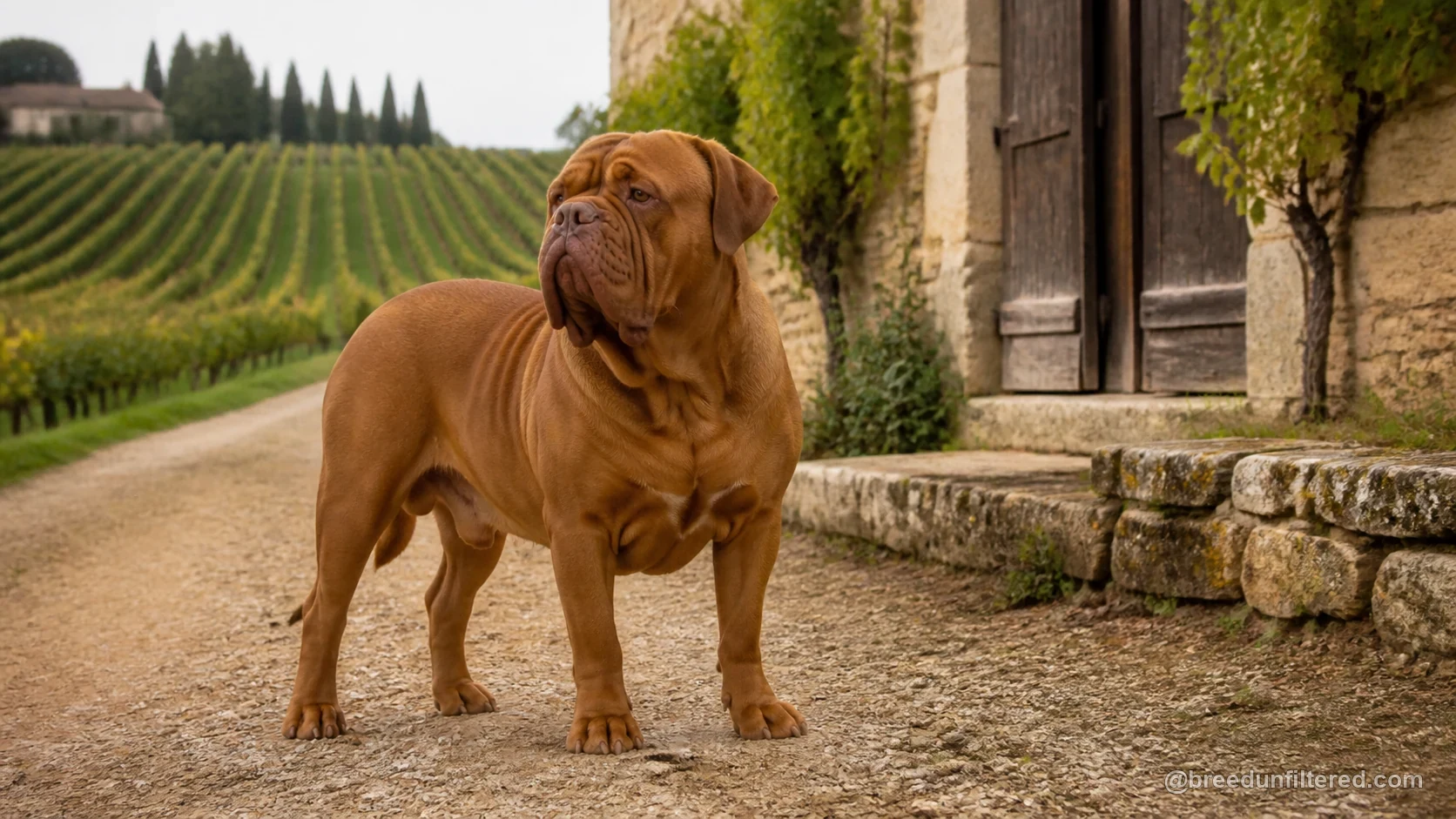
The Dogue de Bordeaux, also known as the French Mastiff, is a powerful and imposing breed with a history that traces back to ancient France. Recognized by the FCI in Group 2, this molossoid dog was historically used for guarding, hunting, and even dog fighting. Today, the breed is known for its loyal and protective nature, making it a devoted companion for experienced owners who appreciate its calm demeanor and substantial presence.
Before welcoming a Dogue de Bordeaux into your home, it's essential to understand the breed's unique characteristics and requirements. This guide provides an evidence-based overview of the breed's origin, temperament, exercise needs, training, health considerations, and more. While individual dogs vary, this information will help you make an informed decision about whether this majestic breed is the right fit for your lifestyle.
Origin and Purpose
The Dogue de Bordeaux is one of France's oldest breeds, with roots that may extend back to the 14th century. Historically, these dogs were used for guarding estates, pulling carts, and participating in blood sports such as bear and bull baiting. The breed's name reflects its regional association with the Bordeaux area of France, where it was developed and refined over centuries.
The FCI standard (No. 116) describes the Dogue de Bordeaux as a typical molossoid with a powerful, muscular build and a formidable head. While the breed's original working roles have largely disappeared, its guarding instincts and protective nature remain. Today, the Dogue de Bordeaux is primarily a companion and family guardian, though it still retains the strength and courage of its ancestors.
Temperament and Variation
The Dogue de Bordeaux is often described as calm, loyal, and devoted to its family. It tends to form strong bonds with its owners and can be affectionate and gentle with those it knows well. However, the breed is also naturally wary of strangers and can be protective, making early socialisation and consistent training crucial to ensure a well-adjusted adult dog.
Individual temperament varies widely within the breed, influenced by genetics, socialisation, and training. Some Dogues are more outgoing, while others are more reserved. It's important to meet the parents of a puppy and observe their temperaments, as this can provide clues about the puppy's future disposition. Responsible breeders prioritise stable temperaments and health in their breeding programs.
Exercise and Mental Work
Despite their large size, Dogue de Bordeaux dogs are not excessively energetic. They typically require moderate daily exercise, such as a few walks and some playtime, to keep them physically fit and mentally stimulated. However, they are not suited for intense athletic activities, especially in hot weather, due to their brachycephalic (short-nosed) anatomy, which can impair breathing and heat regulation.
Mental stimulation is equally important for this intelligent breed. Puzzle toys, obedience training, and scent games can help prevent boredom and destructive behaviors. Because they are strong and powerful, a well-exercised and mentally engaged Dogue is more likely to be calm and content indoors. Always consult with a veterinarian to tailor an exercise plan appropriate for your dog's age and health.
Training and Socialisation
Training a Dogue de Bordeaux requires patience, consistency, and positive reinforcement methods. This breed can be stubborn and independent, so early and ongoing training is essential. They respond best to firm but gentle guidance, and harsh methods are counterproductive. Basic obedience and leash manners are particularly important given their size and strength.
Socialisation from a young age is critical to help the Dogue de Bordeaux become a well-mannered adult. Exposing the puppy to a variety of people, animals, and environments in a controlled, positive way can reduce the likelihood of fearfulness or aggression. Puppy classes and supervised interactions with other dogs can be beneficial, but always prioritise safety and positive experiences.
Family and Other Pets
The Dogue de Bordeaux can be an excellent family dog for households with older children who understand how to interact respectfully with dogs. They are often gentle and patient with their family members, but their sheer size and strength can accidentally knock over small children. Supervision and teaching children appropriate behavior around dogs are essential.
When it comes to other pets, the Dogue de Bordeaux may have a high prey drive and can be territorial, especially with unfamiliar dogs. Early socialisation can help them coexist with other animals, but they may not be suitable for homes with small pets like cats or rabbits. Each dog is an individual, and careful introductions and management are necessary to ensure harmony.
Grooming and Health
The Dogue de Bordeaux has a short, fine coat that is relatively low-maintenance. Weekly brushing with a soft bristle brush or grooming mitt can help remove loose hair and keep the coat healthy. They are moderate shedders, and more frequent brushing may be needed during seasonal changes. Regular nail trimming, ear cleaning, and dental care are also important parts of their grooming routine.
Like many large breeds, the Dogue de Bordeaux is prone to certain health conditions, including hip dysplasia, heart issues, and bloat (gastric dilatation-volvulus). Their brachycephalic conformation can also lead to breathing difficulties and heat sensitivity. Responsible breeders screen for hereditary conditions, and prospective owners should be prepared for potential veterinary costs. Regular check-ups and a healthy diet are vital to support their well-being.
Costs and Responsibility
Owning a Dogue de Bordeaux is a significant financial and time commitment. Initial costs include purchasing from a reputable breeder, which can be substantial, as well as supplies like a crate, bed, and food. Ongoing expenses include high-quality food, routine veterinary care, grooming supplies, and pet insurance. Emergency medical care can be costly, especially for conditions like bloat.
Beyond finances, this breed requires a responsible owner who can provide consistent training, socialisation, and a safe environment. Due to their size and strength, they are not recommended for first-time dog owners or those who cannot dedicate time to their care. Prospective owners should research thoroughly, talk to breeders and veterinarians, and honestly assess their ability to meet the breed's needs.
Clear answers
FREQUENTLY ASKED QUESTIONS
Are Dogue de Bordeaux good family dogs?
Dogue de Bordeaux can be good family dogs for households with older children who know how to behave around dogs. They are often loyal and affectionate with their family, but their large size and strength require supervision around small children. Early socialisation and training are essential to ensure they are well-mannered and safe.
How much exercise does a Dogue de Bordeaux need?
Dogue de Bordeaux typically need moderate daily exercise, such as a few walks and playtime. They are not high-energy dogs, but they do need regular activity to stay healthy and prevent boredom. Due to their brachycephalic anatomy, they should avoid strenuous exercise in hot weather. Always tailor exercise to your dog's age and health.
Are Dogue de Bordeaux easy to train?
Dogue de Bordeaux can be stubborn and independent, making training a challenge for novice owners. They respond best to positive reinforcement and consistent, patient methods. Early socialisation and obedience training are crucial to manage their size and protective instincts. With the right approach, they can learn well.
What health issues are common in Dogue de Bordeaux?
Dogue de Bordeaux are prone to certain health conditions, including hip dysplasia, heart problems, and bloat. Their short muzzles can also cause breathing difficulties and heat sensitivity. Responsible breeders screen for hereditary issues, but owners should be prepared for potential veterinary costs and regular health monitoring.
Is a Dogue de Bordeaux suitable for apartment living?
Dogue de Bordeaux can adapt to apartment living if they receive enough exercise and mental stimulation, but their large size and low energy levels make them better suited to homes with space. They are not very active indoors, but they need a comfortable place to rest. Apartment dwellers must be committed to daily walks and training.
Sources and further reading
Scores describe typical breed tendencies from 1 to 10. They are not a quality ranking or a prediction for an individual dog.
Size and presence8/10
CompactVery large
Physical strength9/10
LightExceptional
Energy level7/10
LowRelentless
Exercise demand7/10
ModestVery demanding
Mental work needed7/10
ModerateDaily job
Trainability6/10
ChallengingExceptional
Everyday manageability1/10
SpecialistStraightforward
First-time owner fit2/10
Poor fitGood fit
Family-life fit7/10
LimitedExcellent
Dog sociability4/10
SelectiveVery social
Prey drive8/10
LowVery high
Guarding tendency8/10
MinimalSerious
Independence7/10
Handler-focusedSelf-directed
Grooming demand5/10
LightHeavy
Apartment fit3/10
Poor fitGood fit