Complete breed guide
Coarse-Haired Styrian Hound OWNERSHIP GUIDE
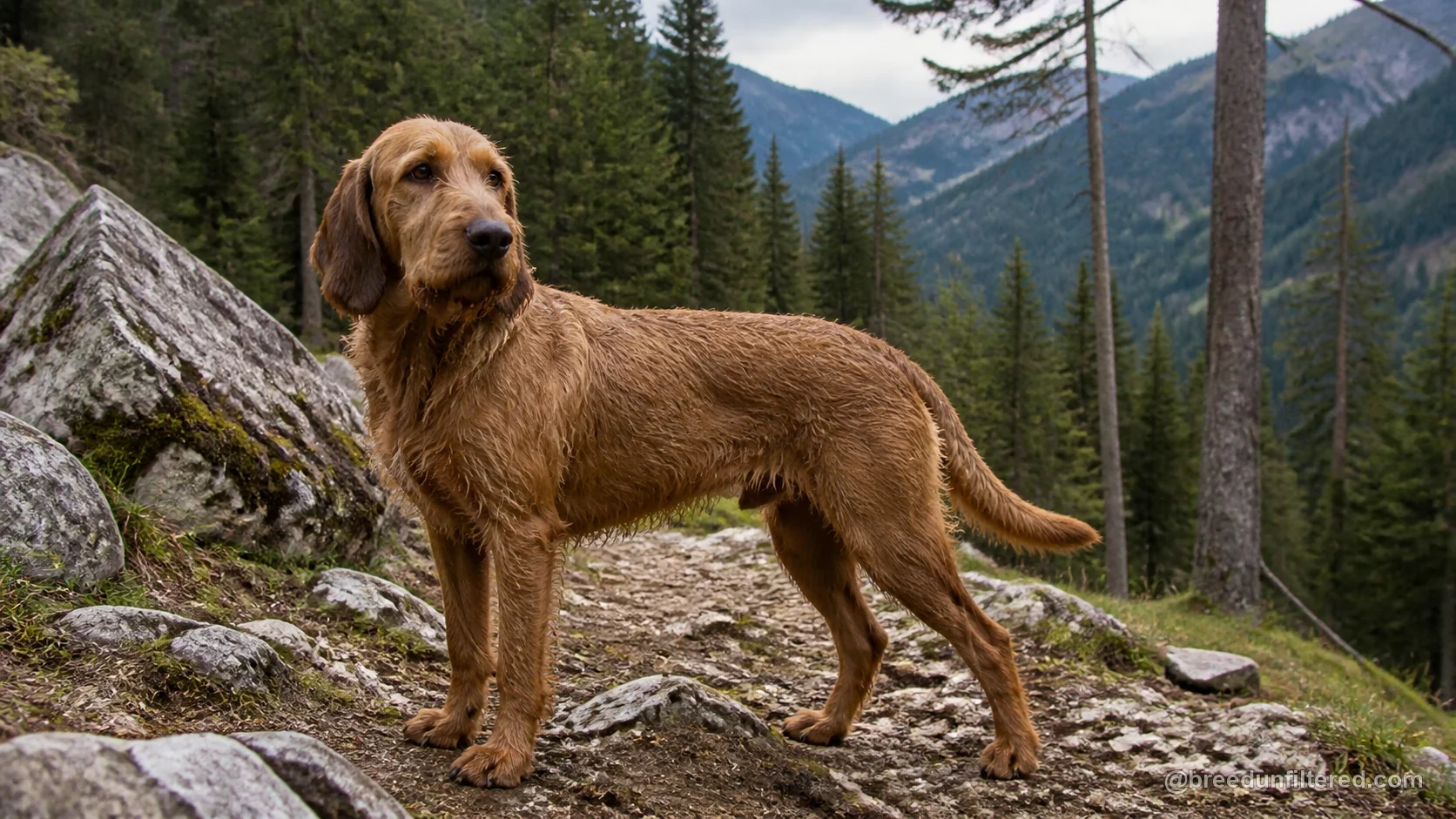
The Coarse-Haired Styrian Hound, also known as the Steirische Rauhhaarbracke, is a rugged and determined scenthound originating from the mountainous regions of Styria in Austria. Developed in the late 19th century by crossing the Hanoverian Hound with the Istrian Coarse-Haired Hound, this breed was purpose-built to track wounded game across challenging terrain. Its dense, wiry coat and powerful build reflect a working heritage that prioritizes endurance, nose, and grit over flashy appearance.
For prospective owners, the Coarse-Haired Styrian Hound offers a fascinating blend of independence and loyalty. While not a common companion breed, it excels in its traditional role as a hunting partner, and its adaptable nature can suit active families or individuals who appreciate a dog with a strong work ethic. However, this is not a low-maintenance pet; it requires ample physical and mental stimulation, consistent training, and a clear understanding of its instinctual drives. This article provides an evidence-conscious overview of the breed's characteristics, care needs, and considerations for those thinking of welcoming one into their home.
Origin and Purpose
The Coarse-Haired Styrian Hound was developed in the 1870s by Karl Peintinger, a Styrian forester, who aimed to create a robust tracking dog capable of working in the dense forests and rugged mountains of Austria. By crossing the Hanoverian Hound with the Istrian Coarse-Haired Hound, he sought to combine the former's excellent scenting ability with the latter's hardiness and coarse coat. The result was a versatile hound that could trail game for hours, even in cold and wet conditions, and give voice to alert hunters.
Today, the breed remains primarily a working dog, recognized by the Fédération Cynologique Internationale (FCI) in Group 6 (Scent Hounds and Related Breeds) with definitive recognition. Its primary role is still hunting, particularly tracking wounded big game such as deer and boar. This purpose has shaped its physical and behavioral traits: a strong, muscular body, a keen nose, and a persistent, determined attitude. While some individuals may adapt to non-hunting homes, the breed's instinctual drives are deeply ingrained, and prospective owners should consider whether they can provide an outlet for these natural behaviors.
Temperament and Variation
The Coarse-Haired Styrian Hound is typically described as calm and composed in the home, yet intense and focused when working. It forms strong bonds with its family and can be affectionate, though it often retains a degree of independence inherited from its hound ancestors. This independence means it may not be as overtly clingy as some companion breeds, but it is generally loyal and eager to please its owner, especially when training involves positive reinforcement and consistency.
As with any breed, individual temperament varies based on genetics, socialization, and environment. Some lines may be more outgoing, while others are more reserved. Early and ongoing socialization is crucial to help the dog become a well-adjusted adult, particularly around unfamiliar people and situations. Because it is a scenthound, its nose can lead it into trouble if not managed, and its vocalizations—baying and howling—are natural behaviors that owners should be prepared for. Understanding these traits helps set realistic expectations and fosters a harmonious relationship.
Exercise and Mental Work
The Coarse-Haired Styrian Hound is a high-energy breed with substantial exercise needs. It was bred to cover large distances in challenging terrain, so it thrives with daily vigorous activity such as long walks, jogs, or off-leash runs in safe, enclosed areas. Without adequate physical exercise, it may become restless and develop undesirable behaviors. However, exercise alone is not enough; this intelligent hound also requires mental stimulation to keep its mind engaged.
Mental work can include scent games, tracking exercises, puzzle toys, and obedience training that challenges its problem-solving abilities. Activities that tap into its natural hunting instincts, such as nose work or barn hunt, can be particularly fulfilling. Prospective owners should be prepared to dedicate significant time each day to both physical and mental outlets. A tired hound is a content hound, and meeting these needs is essential for the dog's well-being and for preventing frustration-related issues.
Training and Socialisation
Training a Coarse-Haired Styrian Hound requires patience, consistency, and a positive approach. This breed is intelligent but can be stubborn and easily distracted by scents, so sessions should be short, varied, and rewarding. Harsh methods are counterproductive; instead, using treats, praise, and play as rewards will yield better results. Early training should focus on basic obedience, recall, and impulse control, as a strong recall is vital for a dog with such a keen nose.
Socialisation is equally important. Exposing the puppy to a wide range of people, animals, environments, and sounds from an early age helps build a confident and well-mannered adult. While the breed is generally not aggressive, it can be reserved with strangers, and proper socialisation can prevent shyness or overreaction. Additionally, because it is a pack-oriented hound, it usually gets along well with other dogs, but introductions should be managed carefully. Consistent, lifelong training and socialisation are key to a harmonious relationship.
Family and Pets
The Coarse-Haired Styrian Hound can make a devoted family companion for those who understand its needs. It is typically good with children, especially when raised with them, and can be playful and tolerant. However, its size and energy may be overwhelming for very young children, so supervision is recommended. As with any dog, teaching children how to interact respectfully is essential. The breed's affectionate nature means it often enjoys being part of family activities, though it may also appreciate quiet time.
Regarding other pets, this hound's prey drive is significant due to its hunting background. It may view small animals such as cats, rabbits, or rodents as quarry, and caution is advised when introducing it to non-canine pets. With proper socialisation, some individuals may learn to coexist with cats, but it is not guaranteed. On the other hand, it generally gets along well with other dogs, especially those of similar size and temperament. Prospective owners should assess their household dynamics and be prepared to manage the breed's instincts responsibly.
Grooming and Health
The Coarse-Haired Styrian Hound has a dense, wiry double coat that is weather-resistant and requires moderate grooming. Weekly brushing with a slicker brush or a grooming mitt helps remove loose hair and prevent matting. During seasonal sheds, more frequent brushing may be necessary. Bathing should be done only when needed to avoid stripping natural oils. Regular ear checks are important, as floppy ears can trap moisture and debris, potentially leading to infections. Nail trimming and dental care are also part of routine maintenance.
As a generally hardy breed, the Coarse-Haired Styrian Hound has no known breed-specific health issues, but like all dogs, it can be prone to common conditions such as hip dysplasia, ear infections, and bloat. Responsible breeders screen for hereditary conditions, and prospective owners should ask about health clearances. Regular veterinary check-ups, a balanced diet, and appropriate exercise contribute to overall health. While the breed's lifespan is typically around 10-14 years, individual health outcomes vary. It is important to be prepared for potential veterinary costs and to provide a healthy lifestyle.
Costs and Responsibility
Owning a Coarse-Haired Styrian Hound involves significant financial and time commitments. Initial costs include the purchase price from a reputable breeder, which can vary, as well as supplies such as a crate, bedding, food, and grooming tools. Ongoing expenses include high-quality food, routine veterinary care, vaccinations, parasite prevention, and pet insurance. Additionally, because this breed requires substantial exercise and mental stimulation, owners must be prepared to invest time daily, which may be a challenge for those with busy schedules.
Beyond finances, responsible ownership means understanding and accommodating the breed's instincts. This includes providing secure fencing to prevent escape, as a hound will follow its nose. It also means being a good neighbor by managing excessive barking, which can be a natural trait. Prospective owners should consider whether their lifestyle and living situation are suitable for a high-energy hunting dog. Adoption from a rescue or breed-specific organization is also an option, though availability may be limited. Ultimately, bringing a Coarse-Haired Styrian Hound into your life is a long-term commitment that should not be taken lightly.
Clear answers
FREQUENTLY ASKED QUESTIONS
Is the Coarse-Haired Styrian Hound good with children?
Generally, the Coarse-Haired Styrian Hound can be good with children, especially when raised with them from puppyhood. It is typically playful and tolerant, but its size and energy may be too much for very young kids. Supervision is recommended, and teaching children how to interact respectfully with the dog is essential. Early socialisation helps ensure a positive relationship.
How much exercise does a Coarse-Haired Styrian Hound need?
This breed has high exercise needs due to its hunting heritage. It requires daily vigorous activity such as long walks, jogs, or off-leash runs in safe areas. Mental stimulation is equally important, including scent games and puzzle toys. Without adequate exercise and mental work, it may become restless and develop behavioral issues.
Does the Coarse-Haired Styrian Hound get along with other pets?
It generally gets along well with other dogs, especially those of similar size. However, due to a strong prey drive, it may not be safe with small animals like cats, rabbits, or rodents. Early socialisation can help, but there is no guarantee. Caution and management are necessary when introducing it to non-canine pets.
What are the grooming requirements for a Coarse-Haired Styrian Hound?
The coat is dense and wiry, requiring weekly brushing to remove loose hair and prevent matting. More frequent brushing may be needed during shedding seasons. Bathing should be occasional, and regular ear checks are important due to floppy ears. Nail trimming and dental care are also part of routine grooming.
Is the Coarse-Haired Styrian Hound suitable for first-time dog owners?
This breed is not typically recommended for first-time owners due to its high energy, independence, and strong hunting instincts. It requires experienced handling, consistent training, and ample exercise. A novice owner may find it challenging to meet its needs, but with dedication and professional guidance, it could be possible.
Sources and further reading
Scores describe typical breed tendencies from 1 to 10. They are not a quality ranking or a prediction for an individual dog.
Size and presence5/10
CompactVery large
Physical strength6/10
LightExceptional
Energy level9/10
LowRelentless
Exercise demand9/10
ModestVery demanding
Mental work needed8/10
ModerateDaily job
Trainability6/10
ChallengingExceptional
Everyday manageability3/10
SpecialistStraightforward
First-time owner fit5/10
Poor fitGood fit
Family-life fit6/10
LimitedExcellent
Dog sociability8/10
SelectiveVery social
Prey drive10/10
LowVery high
Guarding tendency3/10
MinimalSerious
Independence8/10
Handler-focusedSelf-directed
Grooming demand4/10
LightHeavy
Apartment fit4/10
Poor fitGood fit