Complete breed guide
Pyrenean Mastiff OWNERSHIP GUIDE
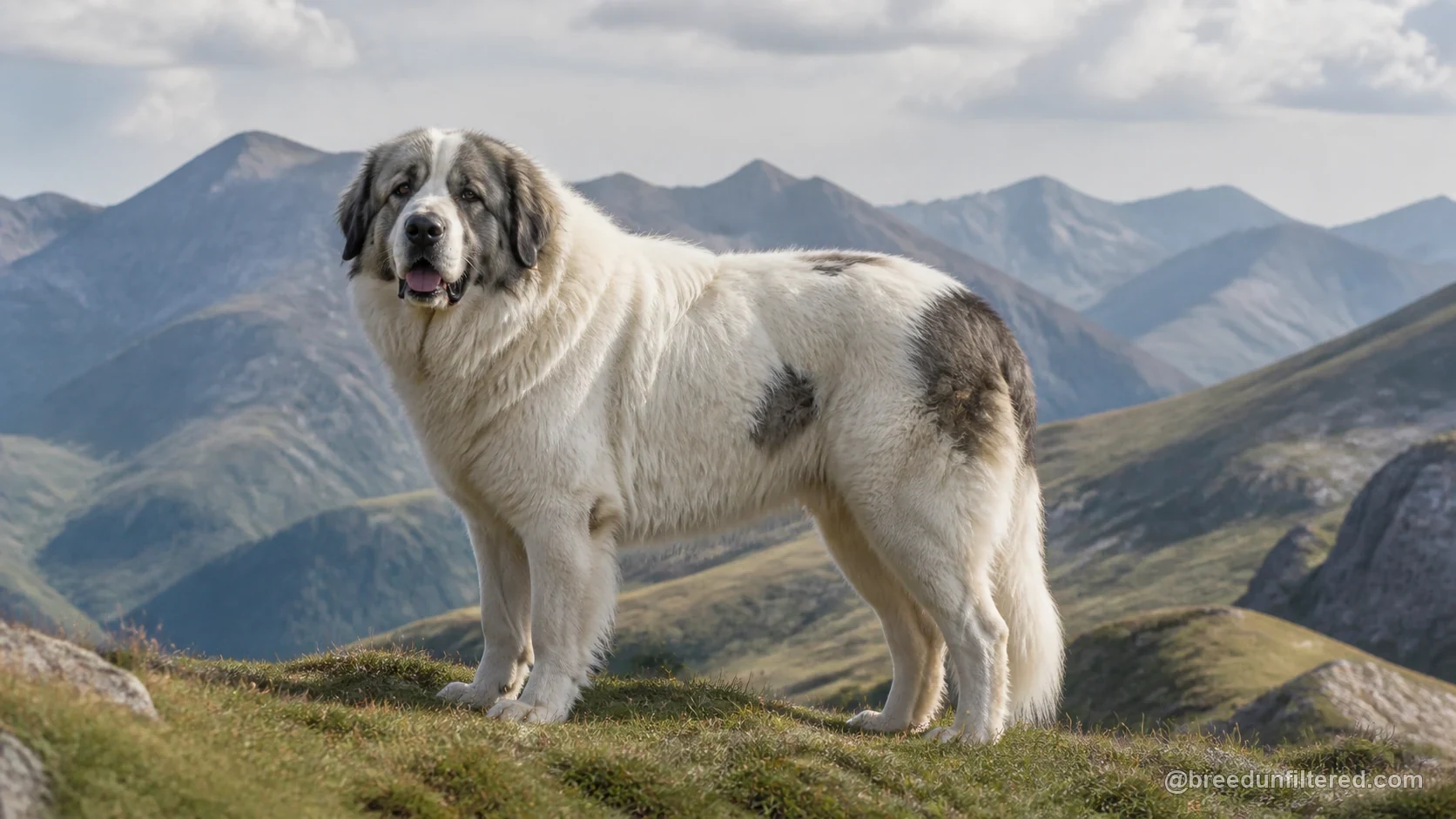
The Pyrenean Mastiff is a majestic livestock guardian from the Spanish Pyrenees, bred for centuries to protect flocks from wolves and bears. This giant breed is known for its calm, patient demeanor and unwavering loyalty to its family. While its size can be intimidating, the Pyrenean Mastiff is typically gentle and affectionate indoors, making it a devoted companion for those with ample space and experience.
Prospective owners should understand that this is a working breed with strong guarding instincts and a need for purposeful activity. They are not suited to apartment living or novice handlers. With proper socialization, training, and a commitment to their physical and mental well-being, Pyrenean Mastiffs can be wonderful family members, but they require a significant investment of time, space, and resources.
Origin and Purpose
The Pyrenean Mastiff, known as Mastín del Pirineo in its native Spain, has a long history as a livestock guardian in the Pyrenees mountains. For centuries, these dogs worked alongside shepherds, protecting sheep from predators such as wolves and bears. Their size, strength, and courage were essential for this demanding role, and they were valued for their ability to make independent decisions in remote, rugged terrain.
The breed's working heritage has shaped its temperament and physical characteristics. They are large, powerful dogs with a thick double coat that protects them from harsh weather. Their calm and watchful nature, combined with a strong protective instinct, made them ideal guardians. Today, while their primary role has shifted to companionship, they still retain the instincts and capabilities of their ancestors.
Temperament and Variation
Pyrenean Mastiffs are typically calm, gentle, and devoted to their families. They are known for their patience, especially with children, and their quiet, watchful demeanor. However, they are also independent thinkers, a trait inherited from their livestock guarding past. This independence can manifest as stubbornness, so consistent, patient training is essential.
Individual temperament can vary based on genetics, socialization, and environment. While the breed standard describes a steady and reliable dog, early and ongoing socialization is crucial to ensure they are comfortable with various people, animals, and situations. They are naturally wary of strangers and may be protective, so proper introductions are important. Potential owners should meet the parents of a puppy and discuss temperament with breeders to understand the range within the breed.
Exercise and Mental Work
Despite their large size, Pyrenean Mastiffs are not overly energetic. They require moderate daily exercise, such as long walks and opportunities to roam in a securely fenced yard. However, they are not suited to intense athletic activities or jogging, especially in hot weather. Their exercise needs are more about maintaining physical health and providing mental stimulation than exhausting them physically.
Mental work is equally important for this intelligent breed. They thrive when given tasks that engage their minds, such as puzzle toys, scent work, or basic obedience training. Boredom can lead to destructive behaviors, so owners should provide a variety of enrichment activities. Because they were bred to make independent decisions, they benefit from structured activities that channel their problem-solving abilities in positive ways.
Training and Socialisation
Training a Pyrenean Mastiff requires patience, consistency, and positive reinforcement methods. They respond well to gentle, reward-based training, but they can be sensitive to harsh corrections. Early socialization is critical to help them become well-adjusted adults. Exposing them to a wide range of people, animals, and environments from a young age can reduce wariness and prevent over-protectiveness.
Because of their size and strength, basic obedience training is non-negotiable. Commands like 'sit', 'stay', and 'come' should be taught early and reinforced throughout their lives. However, owners should be aware that these dogs may not be as eager to please as some other breeds; they may require more time and creativity to keep them engaged. Professional training classes can be beneficial, especially for first-time owners of giant breeds.
Family and Other Pets
Pyrenean Mastiffs are generally excellent with children, often displaying a gentle and protective nature. Their calm demeanor makes them suitable playmates for older children who understand how to interact with dogs. However, due to their size, supervision is necessary around very young children to prevent accidental knocking over. They are not typically aggressive, but their sheer size can be a hazard in clumsy moments.
When it comes to other pets, Pyrenean Mastiffs can coexist peacefully with other dogs and animals, especially if raised together. Their livestock guarding heritage means they may be protective of smaller animals in the household. However, they may be wary of unfamiliar dogs, particularly same-sex ones, and may exhibit dominance. Proper introductions and ongoing socialization are key to fostering harmonious relationships.
Grooming and Health
The Pyrenean Mastiff has a thick, double coat that sheds heavily, especially during seasonal changes. Regular brushing, at least two to three times a week, is necessary to manage loose hair and prevent matting. During heavy shedding periods, daily brushing may be required. They are not considered hypoallergenic, and their grooming needs are substantial, so prospective owners should be prepared for a significant time commitment.
As a giant breed, Pyrenean Mastiffs are prone to certain health issues, including hip and elbow dysplasia, bloat (gastric dilatation-volvulus), and heart conditions. Responsible breeders screen their breeding dogs for these conditions. Regular veterinary check-ups, a balanced diet, and appropriate exercise can help maintain their health. Owners should also be aware of the breed's relatively short lifespan, typically 8-10 years, and be prepared for potential health challenges.
Costs and Responsibility
Owning a Pyrenean Mastiff is a significant financial commitment. The initial cost of a puppy from a reputable breeder can be high, often ranging from $1,500 to $3,000 or more. Additionally, their large size means higher costs for food, veterinary care, and medications. They may also require specialized equipment, such as extra-large crates and beds, and their grooming needs can add to ongoing expenses.
Beyond finances, responsible ownership involves a long-term commitment to training, socialization, and providing a suitable living environment. These dogs need space to move and a securely fenced yard. They are not suitable for apartment living or homes with limited outdoor access. Potential owners should also consider their ability to handle a dog that may weigh over 100 pounds and have strong protective instincts. It is essential to research the breed thoroughly and consider adopting from a rescue if possible.
Clear answers
FREQUENTLY ASKED QUESTIONS
Are Pyrenean Mastiffs good with children?
Yes, Pyrenean Mastiffs are generally gentle and patient with children, especially when raised with them. Their calm nature makes them good companions for older kids. However, due to their large size, supervision is recommended around toddlers to prevent accidental injury. Early socialization and training are important to ensure they interact appropriately.
Do Pyrenean Mastiffs bark a lot?
Pyrenean Mastiffs are not excessive barkers, but they will bark to alert their family to unusual activity or strangers. As livestock guardians, they were bred to be watchful and may bark at night. Proper training and socialization can help manage excessive barking, but they will always retain some guarding instincts.
How much exercise does a Pyrenean Mastiff need?
Pyrenean Mastiffs have moderate exercise needs. They enjoy daily walks and time to roam in a securely fenced yard, but they are not high-energy dogs. Mental stimulation is equally important to prevent boredom. Avoid strenuous exercise, especially in hot weather, due to their size and thick coat.
Are Pyrenean Mastiffs easy to train?
Pyrenean Mastiffs are intelligent but can be independent and stubborn. They respond best to positive reinforcement and consistent, patient training. Early socialization and obedience classes are recommended. They may not be as eager to please as some other breeds, so training requires time and creativity.
Do Pyrenean Mastiffs get along with other dogs?
Pyrenean Mastiffs can get along with other dogs, especially if raised together. They may be wary of unfamiliar dogs, particularly same-sex ones, and may show dominance. Proper introductions and ongoing socialization are essential. Their guarding instincts may make them protective of their family and territory.
Sources and further reading
Scores describe typical breed tendencies from 1 to 10. They are not a quality ranking or a prediction for an individual dog.
Size and presence10/10
CompactVery large
Physical strength10/10
LightExceptional
Energy level7/10
LowRelentless
Exercise demand7/10
ModestVery demanding
Mental work needed7/10
ModerateDaily job
Trainability7/10
ChallengingExceptional
Everyday manageability1/10
SpecialistStraightforward
First-time owner fit2/10
Poor fitGood fit
Family-life fit6/10
LimitedExcellent
Dog sociability4/10
SelectiveVery social
Prey drive6/10
LowVery high
Guarding tendency10/10
MinimalSerious
Independence8/10
Handler-focusedSelf-directed
Grooming demand7/10
LightHeavy
Apartment fit1/10
Poor fitGood fit