Complete breed guide
Small Blue Gascony OWNERSHIP GUIDE
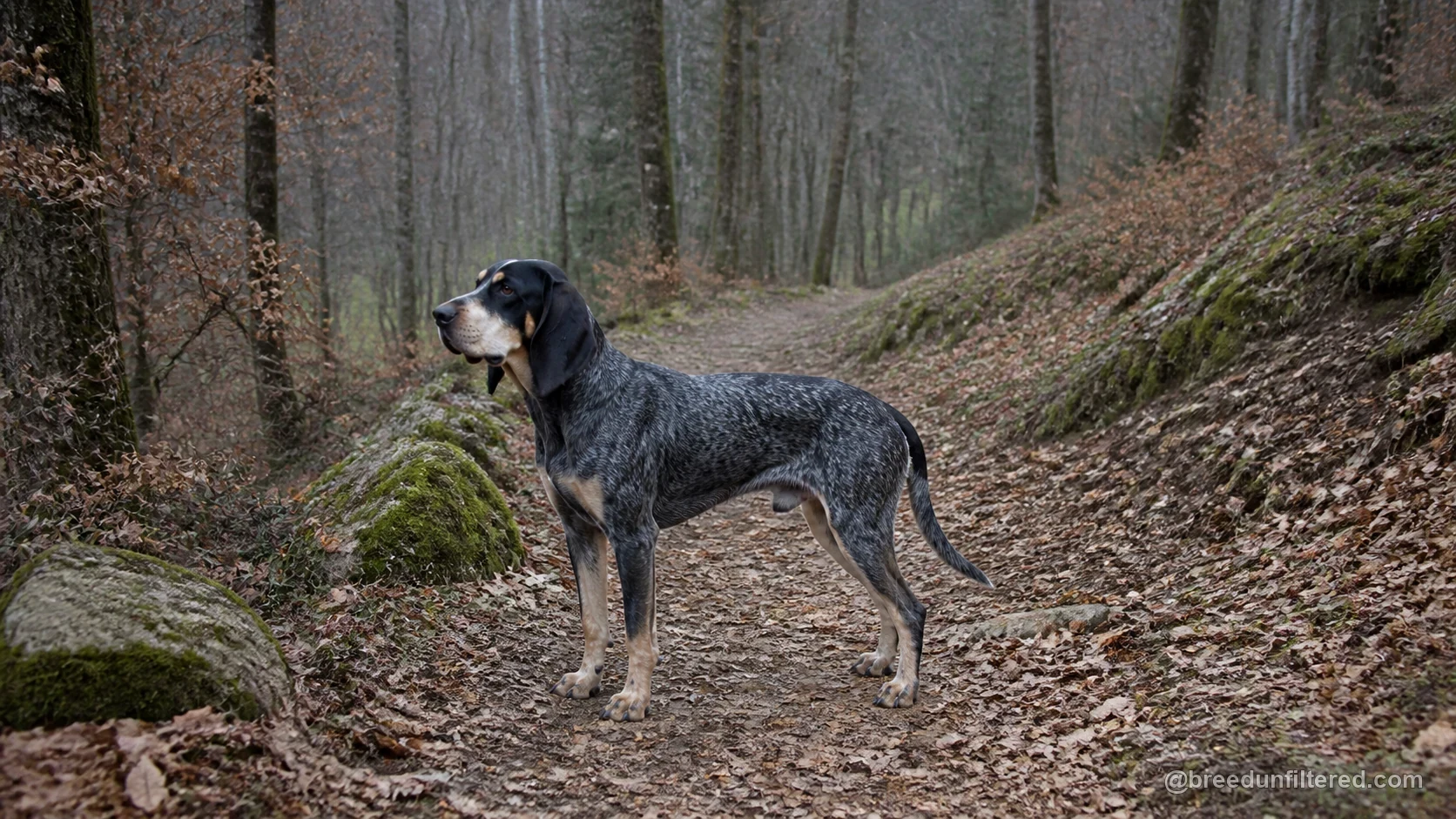
The Small Blue Gascony, known in its native France as the Petit Bleu de Gascogne, is a rare and ancient scent hound that hails from the Gascony region of southwestern France. This breed is a smaller version of the Grand Bleu de Gascogne, developed to hunt smaller game while retaining the distinctive blue-mottled coat and melodious voice of its larger relative. For prospective owners, the Small Blue Gascony offers a unique blend of hunting prowess and devoted companionship, but it is not a breed for everyone.
This article provides an in-depth look at the Small Blue Gascony, covering its origins, temperament, exercise and training needs, family compatibility, grooming, and health considerations. By understanding the breed's characteristics and requirements, you can make an informed decision about whether this rare and noble hound is the right fit for your lifestyle.
Origin and Purpose
The Small Blue Gascony is a French scent hound with roots tracing back to the Middle Ages, developed in the Gascony region for hunting small game such as hare and rabbit. It is a descendant of the Grand Bleu de Gascogne, sharing the same distinctive blue coat and long, drooping ears. The breed was refined to be smaller and more agile, allowing hunters to pursue game in dense cover and on foot. Recognized by the Fédération Cynologique Internationale (FCI) under standard number 31, the Small Blue Gascony remains a rare breed, especially outside its native France.
Historically, these hounds were prized for their exceptional scenting ability and their distinctive baying voice, which carries across long distances. They were often kept in packs by French nobility and hunters. Today, while still used for hunting in some regions, the Small Blue Gascony is also kept as a companion dog. However, its strong hunting instincts and need for regular activity mean it is best suited to owners who appreciate its working heritage and can provide appropriate outlets for its energy.
Temperament and Variation
The Small Blue Gascony is known for its gentle and affectionate nature with its family, often forming strong bonds with its owners. It is typically good-natured and sociable, though it can be reserved with strangers. As a hound, it has a strong pack instinct and generally gets along well with other dogs. However, its prey drive is high, and it may not be trustworthy with small non-canine pets such as cats or rabbits, especially if not socialized early. Individual temperament can vary, and early socialization plays a crucial role in shaping a well-rounded adult dog.
While the breed is generally even-tempered, it can be independent and somewhat stubborn, traits common in scent hounds. This independence can make training a challenge for novice owners. The Small Blue Gascony is not typically aggressive, but it may be vocal, using its voice to communicate or when following a scent. Prospective owners should be prepared for a dog that is both loving and determined, with a personality that reflects its centuries of hunting heritage.
Exercise and Mental Work
The Small Blue Gascony is an active breed with considerable exercise needs. It thrives on regular opportunities to run and explore, ideally in a securely fenced area where it can follow its nose. Daily walks are essential, but the breed truly benefits from off-lead exercise in safe, enclosed spaces. Without adequate physical activity, these hounds can become restless and may develop undesirable behaviors such as excessive barking or digging. Prospective owners should be prepared to commit to at least an hour of vigorous exercise each day, though individual needs vary.
Mental stimulation is equally important for this intelligent and inquisitive breed. Scent games, tracking exercises, and puzzle toys can help satisfy its natural instincts and prevent boredom. The Small Blue Gascony is not a breed that thrives on being left alone for long periods; it prefers to be involved in family activities. Engaging its nose and mind is key to keeping this hound content and well-behaved. Owners who enjoy outdoor activities such as hiking or jogging may find the Small Blue Gascony an enthusiastic companion.
Training and Socialisation
Training a Small Blue Gascony requires patience, consistency, and a positive approach. This breed is intelligent but can be independent and somewhat stubborn, so harsh methods are counterproductive. Using rewards such as treats, praise, and play can be effective, but owners should be prepared for occasional lapses in focus, especially when the dog catches an interesting scent. Early obedience training is recommended to establish basic commands and a reliable recall, which is crucial for a hound with a strong prey drive.
Socialisation is vital from a young age to help the Small Blue Gascony become a well-adjusted adult. Exposing the puppy to a variety of people, environments, and other animals can reduce the likelihood of shyness or over-excitement. While the breed generally gets along with other dogs, its hunting instincts may lead it to chase small animals, so careful introductions and management are necessary. Enrolling in puppy classes or working with an experienced trainer can be beneficial, especially for first-time hound owners.
Family and Pets
The Small Blue Gascony can make a loving and loyal family companion for the right household. It is typically gentle with children, especially when raised with them, and enjoys being part of family activities. However, due to its size and exuberance, it may inadvertently knock over small children, so supervision is recommended. The breed's strong pack instinct means it often does well in multi-dog households, but its prey drive can be a concern with smaller pets. Early socialisation and training can help mitigate these tendencies, but caution is advised.
Families considering this breed should be prepared for a dog that is not overly clingy but still wants to be near its people. It may follow family members from room to room and enjoy lounging at their feet. The Small Blue Gascony is not a guard dog; it is more likely to greet strangers with curiosity than aggression. Its vocal nature, however, means it may bark to alert its family to unusual sights or sounds, which can be a consideration for those living in close quarters.
Grooming and Health
The Small Blue Gascony has a short, dense coat that is relatively low-maintenance. Weekly brushing with a firm bristle brush or a hound glove can help remove loose hair and keep the coat healthy. The breed sheds moderately year-round, and more heavily during seasonal changes. Regular ear care is essential, as the long, drooping ears can trap moisture and debris, leading to infections. Owners should check and clean the ears weekly and keep them dry. Nail trimming and dental care should also be part of the routine.
As a rare breed, the Small Blue Gascony may be prone to certain health issues, though comprehensive data is limited. Potential concerns include hip dysplasia, ear infections, and bloat (gastric dilatation-volvulus), which can affect deep-chested breeds. Responsible breeders screen for hereditary conditions, and prospective owners should ask about health clearances. Regular veterinary check-ups, a balanced diet, and appropriate exercise can contribute to overall well-being. The average lifespan is typically around 10 to 13 years, but individual health can vary.
Costs and Responsibility
Owning a Small Blue Gascony involves significant financial and time commitments. The initial cost of purchasing a puppy from a reputable breeder can be high, especially given the breed's rarity. Additionally, owners should budget for quality food, routine veterinary care, vaccinations, and preventive medications. Unexpected medical expenses can arise, so pet insurance or a dedicated savings fund is advisable. Grooming costs are generally low, but ear care supplies and professional grooming for nail trimming may be needed.
Beyond finances, responsible ownership requires a commitment to providing adequate exercise, mental stimulation, and companionship. This breed is not suited to a sedentary lifestyle or being left alone for long hours. Prospective owners should also consider their living situation; a securely fenced yard is ideal, though the breed can adapt to apartment living if given sufficient exercise. It is essential to research the breed thoroughly, connect with breed clubs or experienced owners, and ensure that you can meet the dog's needs for its entire life, which can span over a decade.
Clear answers
FREQUENTLY ASKED QUESTIONS
Is the Small Blue Gascony good with children?
The Small Blue Gascony can be good with children, especially when raised with them from puppyhood. It is generally gentle and affectionate, but due to its size and energy, it may accidentally knock over small children. Supervision and teaching children how to interact with dogs are important. Early socialisation helps ensure a positive relationship.
How much exercise does a Small Blue Gascony need?
The Small Blue Gascony is an active breed that requires at least an hour of vigorous exercise daily, though individual needs vary. It enjoys running, hiking, and exploring with its nose. Without sufficient exercise, it may become restless and develop behavioral issues. A securely fenced area for off-lead activity is ideal.
Does the Small Blue Gascony get along with other dogs?
Yes, the Small Blue Gascony generally gets along well with other dogs due to its pack-oriented nature. It is often happiest in a multi-dog household. However, its prey drive may lead it to chase small animals, so introductions with smaller pets should be managed carefully and socialisation should begin early.
Is the Small Blue Gascony easy to train?
Training a Small Blue Gascony can be challenging due to its independent and sometimes stubborn nature. It responds best to positive reinforcement methods, such as treats and praise. Consistency and patience are key. Early obedience training and socialisation are essential, and novice owners may benefit from professional guidance.
What are the grooming requirements for a Small Blue Gascony?
The Small Blue Gascony has a short, dense coat that requires minimal grooming. Weekly brushing helps remove loose hair. Special attention must be given to its long, drooping ears, which should be checked and cleaned weekly to prevent infections. Regular nail trimming and dental care are also necessary.
Sources and further reading
Scores describe typical breed tendencies from 1 to 10. They are not a quality ranking or a prediction for an individual dog.
Size and presence3/10
CompactVery large
Physical strength4/10
LightExceptional
Energy level9/10
LowRelentless
Exercise demand9/10
ModestVery demanding
Mental work needed8/10
ModerateDaily job
Trainability5/10
ChallengingExceptional
Everyday manageability2/10
SpecialistStraightforward
First-time owner fit3/10
Poor fitGood fit
Family-life fit7/10
LimitedExcellent
Dog sociability8/10
SelectiveVery social
Prey drive10/10
LowVery high
Guarding tendency3/10
MinimalSerious
Independence8/10
Handler-focusedSelf-directed
Grooming demand6/10
LightHeavy
Apartment fit5/10
Poor fitGood fit