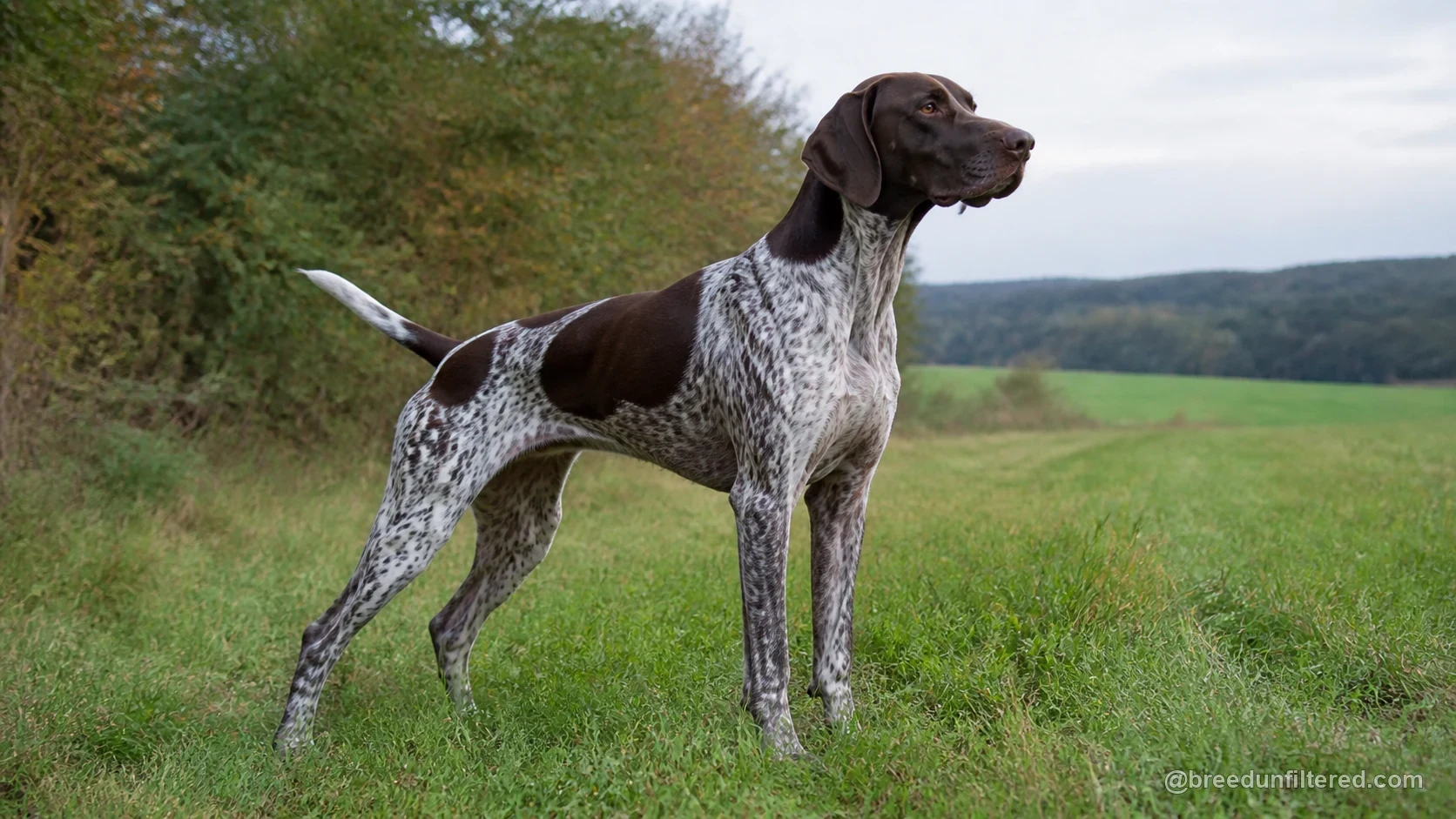
Complete breed guide
German Short- Haired Pointing Dog OWNERSHIP GUIDE
The German Shorthaired Pointer (GSP) is a versatile hunting dog developed in Germany in the 19th century to be an all-around gundog, capable of pointing, retrieving, and tracking both fur and feather. Recognized by the FCI in Group 7, this breed is prized for its endurance, intelligence, and strong work ethic. Today, GSPs are popular not only among hunters but also with active families and sports enthusiasts who appreciate their athleticism and affectionate nature.
However, owning a German Shorthaired Pointer is a significant commitment. These dogs are high-energy, intelligent, and thrive on human companionship and purposeful activity. They are not suited to a sedentary lifestyle or being left alone for long periods. This article provides a comprehensive overview of the breed's characteristics, care requirements, and potential challenges to help you decide if a GSP is the right companion for you.
Origin and Purpose
The German Shorthaired Pointer originated in Germany in the 1800s, developed by crossing various German and Spanish pointing breeds with English Pointers and other scent hounds. The goal was to create a versatile hunting dog that could work on land and water, pointing game birds and retrieving them, as well as tracking wounded game. The breed was standardized in the late 19th century, and the first studbook was established in 1897.
Today, the GSP remains a premier hunting companion, but many are also beloved family pets. Their versatility extends to dog sports such as agility, obedience, and dock diving. The FCI standard describes the breed as 'a noble, harmonious dog' with a 'determined and friendly' expression, emphasizing its suitability as a working dog and companion.
Temperament and Variation
German Shorthaired Pointers are known for their intelligent, eager, and sometimes exuberant temperament. They are typically affectionate with their families and can be quite clownish, but they also have a serious, focused side when working. Individual variation exists: some GSPs are more laid-back, while others are extremely high-strung. Early socialization and consistent training help shape a well-adjusted adult.
It's important to note that the breed's temperament is influenced by genetics and environment. While many GSPs are friendly and outgoing, some may be reserved with strangers. They are generally not aggressive, but their protective instincts can emerge if they perceive a threat to their family. As with any breed, responsible breeding and proper socialization are key to a stable temperament.
Exercise and Mental Work
Exercise is non-negotiable for a German Shorthaired Pointer. These dogs were bred to run and hunt for hours, so they require substantial daily physical activity. A brisk walk is not enough; they need opportunities to run off-leash in a safe area, such as a fenced yard or open field. Activities like jogging, hiking, and swimming are excellent outlets for their energy.
Mental stimulation is equally important. GSPs are intelligent and problem-solving dogs that can become bored and destructive if under-stimulated. Puzzle toys, nose work, obedience training, and interactive games can help keep their minds engaged. Without adequate physical and mental exercise, they may develop behavioral issues like excessive barking, digging, or chewing.
Training and Socialisation
Training a German Shorthaired Pointer requires patience, consistency, and positive reinforcement methods. They are eager to please but can be stubborn at times. Early socialization is crucial to help them become well-mannered adults. Expose them to various people, animals, environments, and sounds from a young age to build confidence and reduce the risk of fearfulness or reactivity.
Because of their hunting background, GSPs have a strong prey drive and may chase small animals. Reliable recall is essential, so training should emphasize a solid 'come' command. They respond best to reward-based training that is fun and varied. Harsh methods can damage their trust and enthusiasm. Many GSP owners find that involving their dog in organized activities like agility or rally obedience strengthens the bond and provides mental challenges.
Family and Other Pets
German Shorthaired Pointers can make wonderful family dogs, especially in active households. They are typically affectionate with children and enjoy being part of family activities. However, their exuberance and size mean they should be supervised around very young children to prevent accidental knocking over. They are generally tolerant, but like all dogs, they need to be taught boundaries.
With other pets, GSPs can coexist if raised together, but their prey drive may be triggered by smaller animals like rabbits, cats, or birds. Early socialization can help them learn to accept other household pets, but caution is advised. They usually get along well with other dogs, especially if they are well-socialized. Their social nature means they prefer to be with their family rather than left alone for long periods.
Grooming and Health
Grooming a German Shorthaired Pointer is relatively low-maintenance. Their short, dense coat sheds moderately and requires weekly brushing to remove loose hair. They are a clean breed and typically need bathing only occasionally. Regular ear cleaning, nail trimming, and dental care are important for overall health.
As with many purebred dogs, GSPs are prone to certain health conditions, including hip dysplasia, bloat (gastric dilatation-volvulus), and some eye disorders. Responsible breeders screen for these issues. Regular veterinary check-ups and a balanced diet are essential. While GSPs are generally healthy, prospective owners should be aware of potential health costs and consider pet insurance.
Costs and Responsibility
Owning a German Shorthaired Pointer involves significant financial and time commitments. Initial costs include purchasing from a reputable breeder (typically $800-$2,000) or adoption fees, plus supplies like a crate, bed, and food. Ongoing expenses include high-quality food, routine veterinary care, vaccinations, and preventive medications. Emergency medical costs can be substantial, so pet insurance is often recommended.
Beyond finances, GSPs require a great deal of time and energy. They are not a breed for someone who is away from home frequently or prefers a quiet, sedentary lifestyle. They need daily exercise, mental stimulation, and companionship. Prospective owners should be prepared for a long-term commitment of 10-14 years and ensure they can provide the active, engaged lifestyle this breed thrives on.
Clear answers
FREQUENTLY ASKED QUESTIONS
Are German Shorthaired Pointers good family dogs?
German Shorthaired Pointers can be excellent family dogs for active households. They are typically affectionate and playful with children, but their high energy and size require supervision with young kids. They thrive when included in family activities and need plenty of exercise. Early socialization and training are essential to ensure they are well-mannered around children and other pets.
How much exercise does a German Shorthaired Pointer need?
German Shorthaired Pointers need substantial daily exercise, typically at least 1-2 hours of vigorous activity. This should include opportunities to run off-leash in a safe area, as well as mental stimulation like puzzle toys or training sessions. Without adequate exercise, they may become restless and develop destructive behaviors. The exact amount varies by individual age and health.
Are German Shorthaired Pointers easy to train?
German Shorthaired Pointers are intelligent and eager to please, making them generally trainable. However, they can be independent and stubborn at times. Positive reinforcement methods work best, and consistency is key. Early socialization and obedience training are crucial. They excel in activities that channel their natural abilities, such as hunting, agility, and scent work.
Do German Shorthaired Pointers get along with other dogs?
German Shorthaired Pointers often get along well with other dogs, especially if they are socialized from a young age. They are generally friendly and enjoy canine companionship. However, their prey drive may be triggered by smaller animals, so caution is needed with non-canine pets. Proper introductions and supervision are recommended when introducing a GSP to new animals.
What are common health issues in German Shorthaired Pointers?
German Shorthaired Pointers are generally healthy, but they can be prone to certain conditions like hip dysplasia, bloat (gastric dilatation-volvulus), and eye disorders such as progressive retinal atrophy. Responsible breeders screen for these issues. Regular veterinary care, a balanced diet, and maintaining a healthy weight can help reduce risks. Prospective owners should discuss health testing with breeders.
Sources and further reading
Scores describe typical breed tendencies from 1 to 10. They are not a quality ranking or a prediction for an individual dog.
Size and presence6/10
CompactVery large
Physical strength5/10
LightExceptional
Energy level9/10
LowRelentless
Exercise demand10/10
ModestVery demanding
Mental work needed8/10
ModerateDaily job
Trainability9/10
ChallengingExceptional
Everyday manageability4/10
SpecialistStraightforward
First-time owner fit5/10
Poor fitGood fit
Family-life fit9/10
LimitedExcellent
Dog sociability8/10
SelectiveVery social
Prey drive10/10
LowVery high
Guarding tendency3/10
MinimalSerious
Independence4/10
Handler-focusedSelf-directed
Grooming demand4/10
LightHeavy
Apartment fit5/10
Poor fitGood fit