The honest version
WHAT THIS DOG NEEDS
Often sociable and adaptable, but happiest when exercise, food and training stay intentional.
The honest version
Often sociable and adaptable, but happiest when exercise, food and training stay intentional.
Watch the episode
Complete breed guide
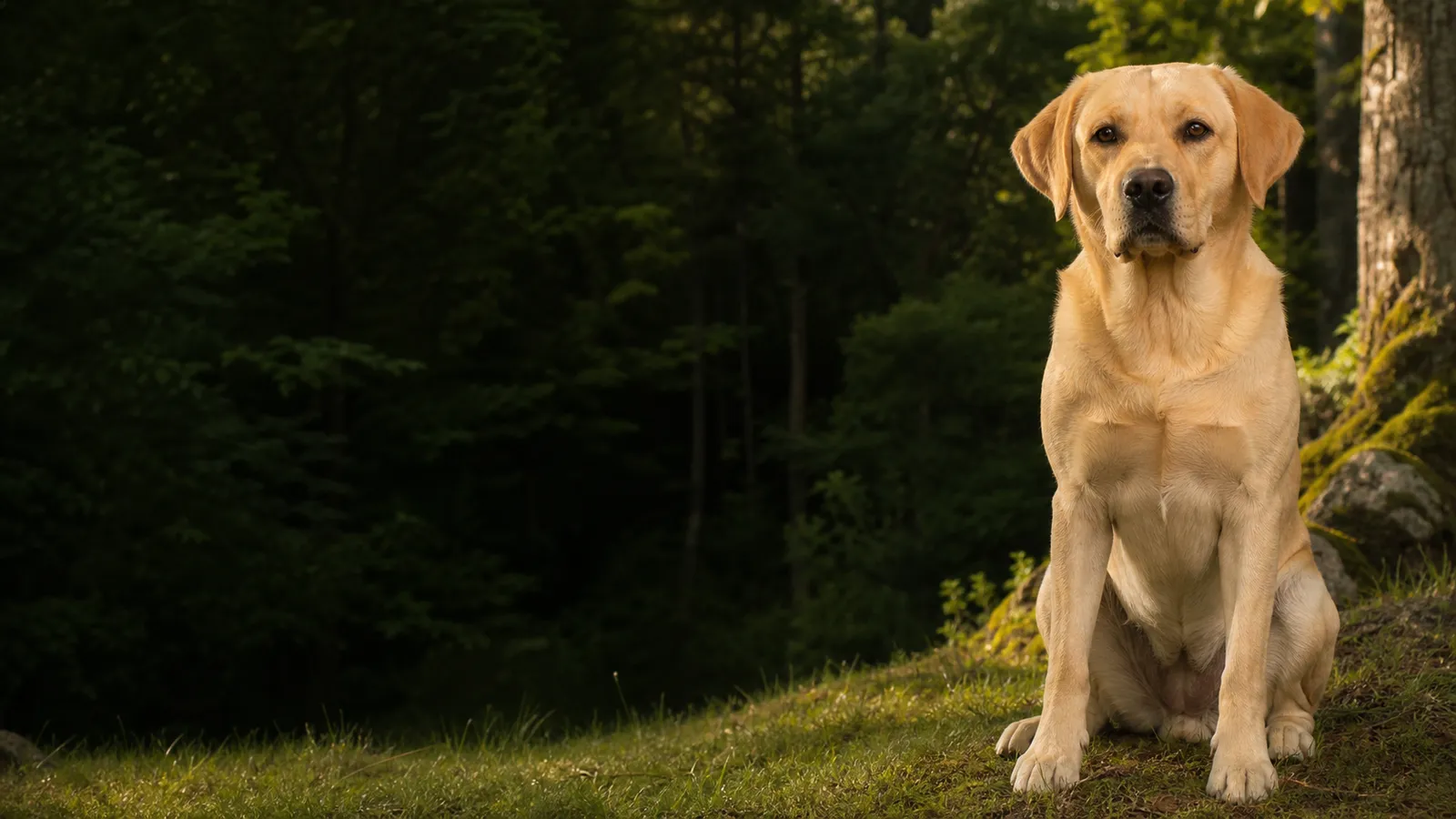
Labrador Retrievers are robust sporting dogs with a global reputation as companions, assistance dogs, and working partners. Their popularity does not make them low-effort. A young Labrador may be strong, highly social, mouthy, hungry, and relentlessly interested in whatever is on the floor. Good outcomes depend on thoughtful breeding or rescue assessment, daily activity, patient training, and realistic management.
Prospective owners should compare the breed's needs with their actual weekday schedule, climate, transport, housing, and budget. Labs vary substantially in energy, sensitivity, sociability, and retrieving intensity. This guide describes useful tendencies without promising a particular personality. The individual dog's genetics, health, development, experiences, and current environment remain central to every ownership decision.
The Labrador's foundations lie with water dogs associated with Newfoundland, later developed in Britain as retrievers for shooting sports. The work required entering cold water, marking fallen birds, carrying game with a controlled mouth, negotiating rough ground, and returning reliably to a handler. A dense coat, thick tail, physical strength, persistence, and a cooperative working style all supported that purpose.
Modern Labradors work in detection, assistance, search roles, field sports, and many other activities, while most live primarily as companions. Field-bred dogs may be lighter and more intense, and show-bred dogs may be heavier with a broader build, but these are tendencies rather than dependable rules. Ask about the adults' real behavior, working history, health, and ability to relax instead of choosing only by color or body type.
Many Labs are outgoing, playful, resilient, and eager to engage with people. The same enthusiasm can produce jumping, lead pulling, grabbing hands or sleeves, crashing into furniture, and overexcited greetings during adolescence. Food interest is often useful in training but can also support counter surfing, bin raiding, and swallowing unsafe objects. Secure storage and active supervision are everyday safety tools, not signs of failed training.
Not every Labrador welcomes strangers or other dogs, and some are noise-sensitive, cautious, easily frustrated, or prone to guarding valued items. Observe the dog in multiple contexts and allow distance when body language shows discomfort. A sudden behavior change deserves veterinary attention because pain or illness can reduce tolerance. Persistent fear, aggression, or compulsive behavior warrants help from a qualified behavior professional using humane, evidence-based methods.
A healthy adult Labrador generally needs purposeful activity every day, with the amount adapted to age, fitness, weather, and medical status. Combine brisk walking, safe off-lead movement where legal, controlled retrieving, sniffing, and swimming only in suitable water. Labs can continue working despite fatigue, so owners must watch temperature, breathing, coordination, surfaces, currents, and recovery rather than waiting for the dog to stop voluntarily.
Endless ball throwing can create repetitive strain and a dog who expects constant high arousal. Use marked retrieves, hidden objects, scent searches, food puzzles, directional cues, and calm observation to exercise the brain as well as the body. Puppies need exploration and short skill sessions alongside plentiful sleep, not forced running. Teach settling deliberately so the household does not accidentally build an athlete who cannot switch off indoors.
Start reward-based training immediately with recall, loose-lead walking, leave it, drop, waiting at doors, polite greetings, and cooperative handling. A well-fitted harness, gates, long line, and inaccessible food prevent rehearsal of unwanted behavior while the dog learns. Trade for stolen objects rather than chasing or forcing the mouth open, unless an immediate emergency requires intervention. Contact a veterinarian promptly if the dog may have swallowed something hazardous.
Quality socialisation develops confidence and neutrality through positive, manageable experiences. Introduce transport, varied people, surfaces, sounds, grooming, veterinary handling, livestock at a safe distance, and calm dogs whose behavior is known. Dog parks are not essential and may be overwhelming. During adolescence, previously solid responses can weaken around distractions; lower the challenge, reward heavily, and avoid interpreting normal developmental difficulty as stubbornness or dominance.
Labradors often enjoy busy family life, but a large excited dog can knock over children, older adults, or anyone with limited balance. Supervise closely and create quiet zones where dog and children can separate. Children should never ride, hug, corner, or disturb a sleeping or eating dog. Adults remain responsible for walks and training even when a child originally asked for the puppy.
Many Labs coexist with dogs and cats after gradual introductions, yet prey interest, play style, resource use, and social skill differ between individuals. Use barriers, parallel walks, separate meals, and protected beds at first. Small pets should remain securely housed and interactions should not be assumed safe. Consider the welfare of a resident senior animal before adding a boisterous youngster who may repeatedly demand play.
The short double coat is easy to wash but sheds more than its length suggests. Brush regularly, check the skin, trim nails, maintain dental care, and dry ears and coat after swimming. Recurrent ear odor, redness, head shaking, or skin irritation needs veterinary assessment rather than repeated home remedies. Routine shaving is unnecessary and does not prevent the undercoat from shedding into the home.
Health planning commonly considers hip and elbow development, eyes, exercise-induced collapse, inherited muscle conditions, and other issues relevant to the dog's family. Screening recommendations differ by registry and may change, so verify current breed-club guidance and actual results for both parents. Keep the dog at a veterinarian-recommended body condition and seek care for lameness, collapse, weakness, persistent thirst, repeated digestive signs, or any notable change rather than diagnosing from breed lists online.
Plan beyond the acquisition fee. A Labrador budget includes food measured to maintain a lean condition, routine veterinary care, preventive treatments appropriate to the region, insurance or emergency savings, training, durable equipment, secure travel arrangements, boarding, and damage or replacement costs during puppyhood. Medication and procedures for a larger dog can cost more, and emergency treatment for swallowed objects can be substantial.
An ethical breeder provides verifiable health results, explains the strengths and limitations of the pairing, raises puppies with appropriate care, matches temperament to homes, and accepts the dog back if circumstances change. A responsible rescue should share observed medical and behavior information without guarantees. Owners need a lifelong plan for identification, legal requirements, daily company, exercise, illness, holidays, housing changes, and the slower pace and increased care that may come with age.
Clear answers
They can suit first-time owners who are ready for a strong, energetic young dog and who will attend training rather than expecting friendliness to solve practical problems. Their food and play motivation often helps learning. However, pulling, jumping, chewing, scavenging, shedding, and separation training require daily work. Access to a supportive trainer can make the long adolescent period much more manageable.
Needs vary, but a healthy adult generally requires substantial daily activity and mental engagement, not only a quick toilet walk or access to a garden. Puppies should not follow an adult endurance routine, and seniors may need shorter, more frequent outings. Adjust for heat, water conditions, fitness, and recovery, and ask a veterinarian for an individual plan when health or mobility is uncertain.
No. Many are keen swimmers, while others are cautious or dislike water. Introduce safe, shallow water without forcing entry, and use a canine flotation device when conditions or ability justify it. Avoid strong currents, toxic algae, thin ice, fishing hazards, and water that is too cold or rough. Rinse and dry the dog afterward, especially the ears and skin folds between toes.
Food focus is common and can have both genetic and learned influences, but appetite varies. Measure meals, include training rewards within the daily ration, secure rubbish and human food, and monitor body condition rather than responding to every request. A sudden increase or decrease in appetite, especially with weight, thirst, digestive, or energy changes, should be discussed with a veterinarian.
Ask for independently verifiable results that meet current recommendations from the relevant national breed club or registry. These commonly include hips, elbows, eyes, and specified DNA tests, but requirements vary by country and over time. Also discuss temperament, longevity, close relatives, previous litters, and any conditions without a simple screening test. A registration certificate alone is not evidence of comprehensive health screening.
Scores describe typical breed tendencies from 1 to 10. They are not a quality ranking or a prediction for an individual dog.