Complete breed guide
German Pinscher OWNERSHIP GUIDE
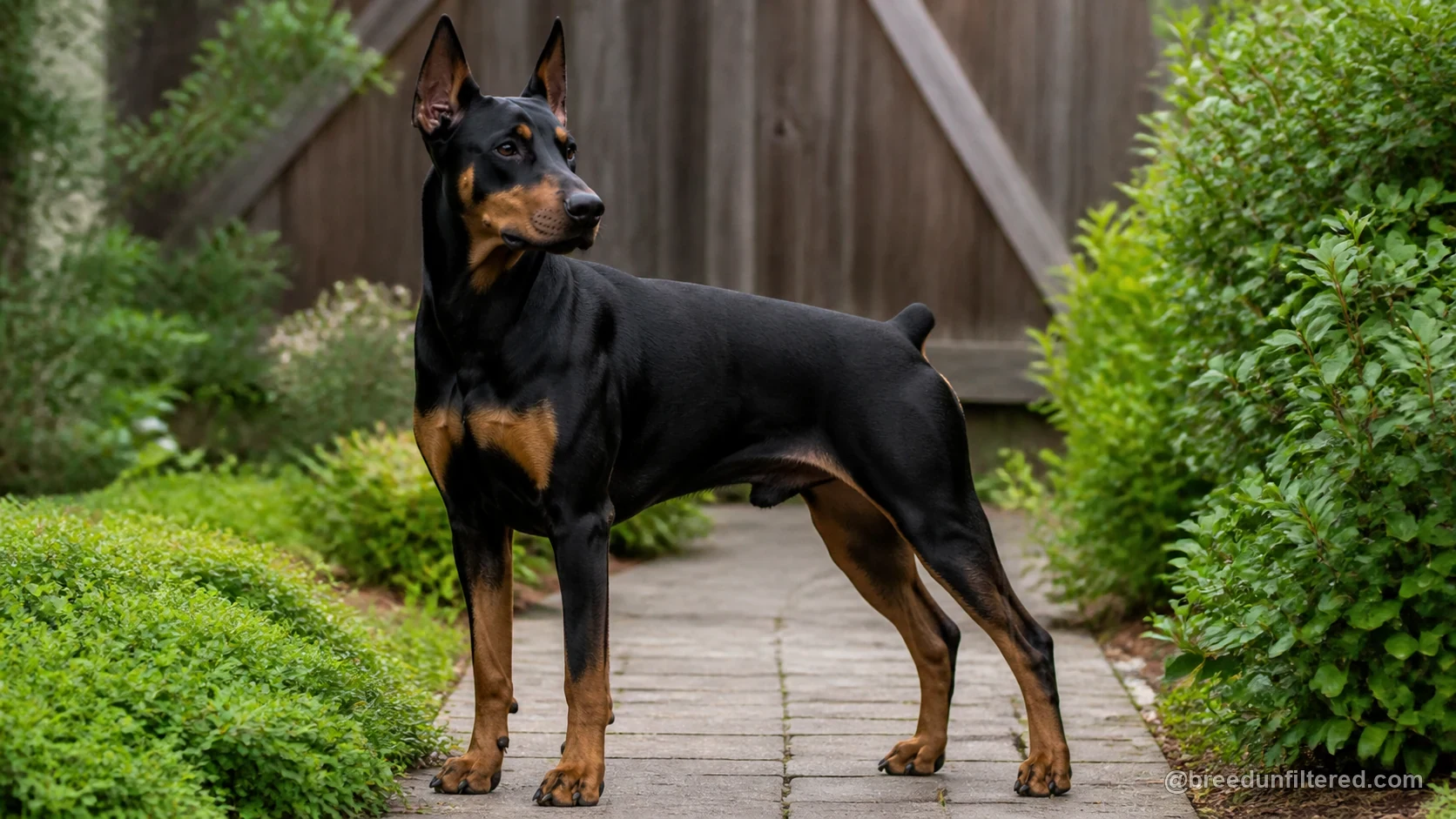
The German Pinscher is a medium-sized, sleek-coated dog that combines the alertness of a terrier with the substance of a working breed. Recognized by the Fédération Cynologique Internationale (FCI) in Group 2, this breed has a long history as a versatile farm dog, adept at both ratting and guarding. With its elegant, muscular build and keen expression, the German Pinscher is a breed of contrasts: affectionate with its family yet reserved with strangers, and lively indoors while capable of great endurance outdoors.
Prospective owners should understand that the German Pinscher is not a low-maintenance companion. It is a high-energy, intelligent dog that thrives on structured activity and mental challenges. While its short coat is easy to groom, its need for consistent training, early socialisation, and ample exercise can be demanding. This article provides an evidence-conscious overview of the breed's origin, temperament, care requirements, and potential costs, helping you decide if this dynamic breed fits your lifestyle.
Origin and Purpose
The German Pinscher (Deutscher Pinscher) is an ancient breed that originated in Germany, where it was historically used as a farm dog for catching rats and guarding property. The FCI standard (No. 184) places it in Group 2, Pinscher and Schnauzer type, and notes its development from early German farm dogs. The breed's name 'Pinscher' likely derives from the English word 'pinch,' referring to its tendency to nip at vermin. Over time, the German Pinscher contributed to the development of other breeds, including the Dobermann and the Miniature Pinscher.
Today, the German Pinscher remains a rare breed outside its native country, but it is valued for its versatility and working ability. The FCI standard describes it as a 'medium-sized, elegant, and square-proportioned dog' with a lively temperament. Its original purpose as a ratter and watchdog is still reflected in its alertness, courage, and strong prey drive. Understanding this heritage is essential for prospective owners, as it explains the breed's need for purposeful activity and its tendency to chase small animals.
Temperament and Variation
The German Pinscher is known for its spirited and confident personality. The FCI standard describes it as 'full of temperament' and 'self-assured.' It is typically alert, intelligent, and watchful, making it an excellent watchdog. However, individual temperament can vary based on genetics, socialisation, and training. While many German Pinschers are affectionate and playful with their families, they can be reserved or wary around strangers. This breed is not typically aggressive without reason, but it will not hesitate to defend its home if threatened.
Prospective owners should be prepared for a dog that is both independent and loyal. The German Pinscher often forms a strong bond with its primary caregiver but may be less tolerant of rough handling from children. It is a breed that thrives on being included in family activities and can become destructive if left alone for long periods. Because of its intelligence and strong will, it is not recommended for first-time dog owners unless they are committed to professional training and consistent leadership.
Exercise and Mental Work
The German Pinscher is a high-energy breed that requires regular physical exercise to maintain its physical and mental well-being. As a working dog, it benefits from at least an hour of vigorous activity daily, such as brisk walks, jogging, or interactive play. However, the exact amount varies with age, health, and individual temperament. Without adequate exercise, this breed may develop behavioural issues like excessive barking, digging, or chewing. It is not a dog that can be left to lounge in an apartment all day without structured outlets.
Mental stimulation is equally important for this intelligent breed. Puzzle toys, obedience training, and canine sports like agility or nose work can help channel its energy constructively. The German Pinscher enjoys having a job to do, and activities that engage its problem-solving skills are particularly rewarding. Prospective owners should plan for daily training sessions and interactive games to prevent boredom. A tired German Pinscher is a content and well-behaved companion.
Training and Socialisation
Training a German Pinscher requires patience, consistency, and positive reinforcement methods. This breed is intelligent and learns quickly, but it can also be stubborn and independent. Harsh training techniques are counterproductive and may lead to resistance or fearfulness. Early socialisation is crucial to help the dog develop into a well-adjusted adult. Exposing it to various people, animals, and environments from a young age can reduce the risk of over-protectiveness or aggression toward strangers.
Because of its strong prey drive and guarding instincts, the German Pinscher should be trained to have reliable recall and to walk calmly on a leash. Obedience classes are highly recommended, and many owners find that enrolling in a local kennel club or working with a professional trainer yields the best results. The breed responds well to clear boundaries and a structured routine. With consistent guidance, the German Pinscher can excel in obedience, agility, and even therapy work, but it is not a breed that will tolerate inconsistent or permissive handling.
Family and Other Pets
The German Pinscher can be a devoted family dog, but it is best suited to families with older children who understand how to interact respectfully with dogs. Its playful nature and sturdy build allow it to enjoy active games, but it may not tolerate tail-pulling or roughhousing. As with any breed, supervision is essential when the dog is around young children. The German Pinscher often forms a strong bond with its family and may be protective, which can be a positive trait but also requires careful management.
Regarding other pets, the German Pinscher's high prey drive can make it a risk to small animals such as cats, rabbits, or rodents. Early socialisation can help, but there is no guarantee that it will live peacefully with smaller pets. Many German Pinschers do well with other dogs of similar size if properly introduced and raised together, but same-sex aggression can occur. Prospective owners should be prepared to manage introductions carefully and provide separate spaces if needed. A securely fenced yard is essential to prevent the dog from chasing after wildlife.
Grooming and Health
The German Pinscher has a short, dense coat that is relatively low-maintenance. Weekly brushing with a soft bristle brush or rubber mitt will help remove loose hair and keep the coat shiny. The breed sheds moderately year-round, with heavier shedding during seasonal changes. Bathing is only necessary when the dog is dirty, as over-bathing can strip the coat of natural oils. Regular nail trimming, ear cleaning, and dental care are also important parts of the grooming routine.
As with many purebred dogs, the German Pinscher is prone to certain health conditions, though responsible breeding can reduce risks. Some conditions that have been reported in the breed include hip dysplasia, eye disorders, and heart issues. It is essential to obtain a puppy from a breeder who performs health screenings on their breeding stock. The German Pinscher has a lifespan of around 12 to 14 years, and maintaining a healthy weight, providing regular veterinary care, and ensuring proper nutrition can contribute to a long, active life. Prospective owners should budget for routine and potential emergency veterinary expenses.
Costs and Responsibility
Owning a German Pinscher involves significant financial and time commitments. The initial cost of a puppy from a reputable breeder can be high, often ranging from $1,500 to $3,000 or more, depending on location and bloodline. Additionally, there are costs for vaccinations, microchipping, spaying or neutering, and basic supplies such as a crate, leash, and food. Ongoing expenses include high-quality dog food, routine veterinary care, and pet insurance, which can help manage unexpected medical bills.
Beyond finances, responsible ownership requires a commitment to training, socialisation, and daily exercise. The German Pinscher is not a breed that can be left alone for long hours or ignored. It thrives on human interaction and mental stimulation. Prospective owners should assess their lifestyle to ensure they can meet the breed's needs. Adopting an adult German Pinscher from a rescue or breed-specific organisation is also an option, and it can be a rewarding way to give a dog a second chance. Regardless of the source, owning a German Pinscher is a long-term responsibility that should not be taken lightly.
Clear answers
FREQUENTLY ASKED QUESTIONS
Are German Pinschers good with children?
German Pinschers can be good with children, especially if they are raised together and the children are taught to interact respectfully. However, due to their energetic and sometimes boisterous nature, they are better suited to families with older children who can handle a robust dog. Supervision is always recommended to prevent accidental injuries.
How much exercise does a German Pinscher need?
German Pinschers are high-energy dogs that require at least an hour of vigorous exercise daily, such as brisk walks, runs, or play sessions. They also need mental stimulation through training, puzzle toys, or canine sports. Without adequate exercise, they may become bored and develop destructive behaviors.
Are German Pinschers easy to train?
German Pinschers are intelligent and eager to learn, but they can also be stubborn and independent. They respond best to positive reinforcement methods, such as treats and praise, and consistent, patient training. Early socialisation and obedience classes are highly recommended to ensure they become well-mannered adults.
Do German Pinschers get along with other pets?
German Pinschers have a strong prey drive, so they may not be safe around small animals like cats, rabbits, or rodents. They can get along with other dogs, especially if socialised early, but same-sex aggression can occur. Careful introductions and management are necessary if you have other pets.
What health issues are common in German Pinschers?
German Pinschers are generally healthy, but like many purebreds, they can be prone to certain conditions such as hip dysplasia, eye disorders, and heart issues. Responsible breeders screen for these conditions. Regular veterinary check-ups and a healthy lifestyle can help mitigate risks, but owners should be prepared for potential health expenses.
Sources and further reading
Scores describe typical breed tendencies from 1 to 10. They are not a quality ranking or a prediction for an individual dog.
Size and presence8/10
CompactVery large
Physical strength9/10
LightExceptional
Energy level7/10
LowRelentless
Exercise demand7/10
ModestVery demanding
Mental work needed7/10
ModerateDaily job
Trainability6/10
ChallengingExceptional
Everyday manageability1/10
SpecialistStraightforward
First-time owner fit2/10
Poor fitGood fit
Family-life fit6/10
LimitedExcellent
Dog sociability3/10
SelectiveVery social
Prey drive8/10
LowVery high
Guarding tendency9/10
MinimalSerious
Independence7/10
Handler-focusedSelf-directed
Grooming demand5/10
LightHeavy
Apartment fit3/10
Poor fitGood fit