Complete breed guide
Kintamani-Bali Dog OWNERSHIP GUIDE
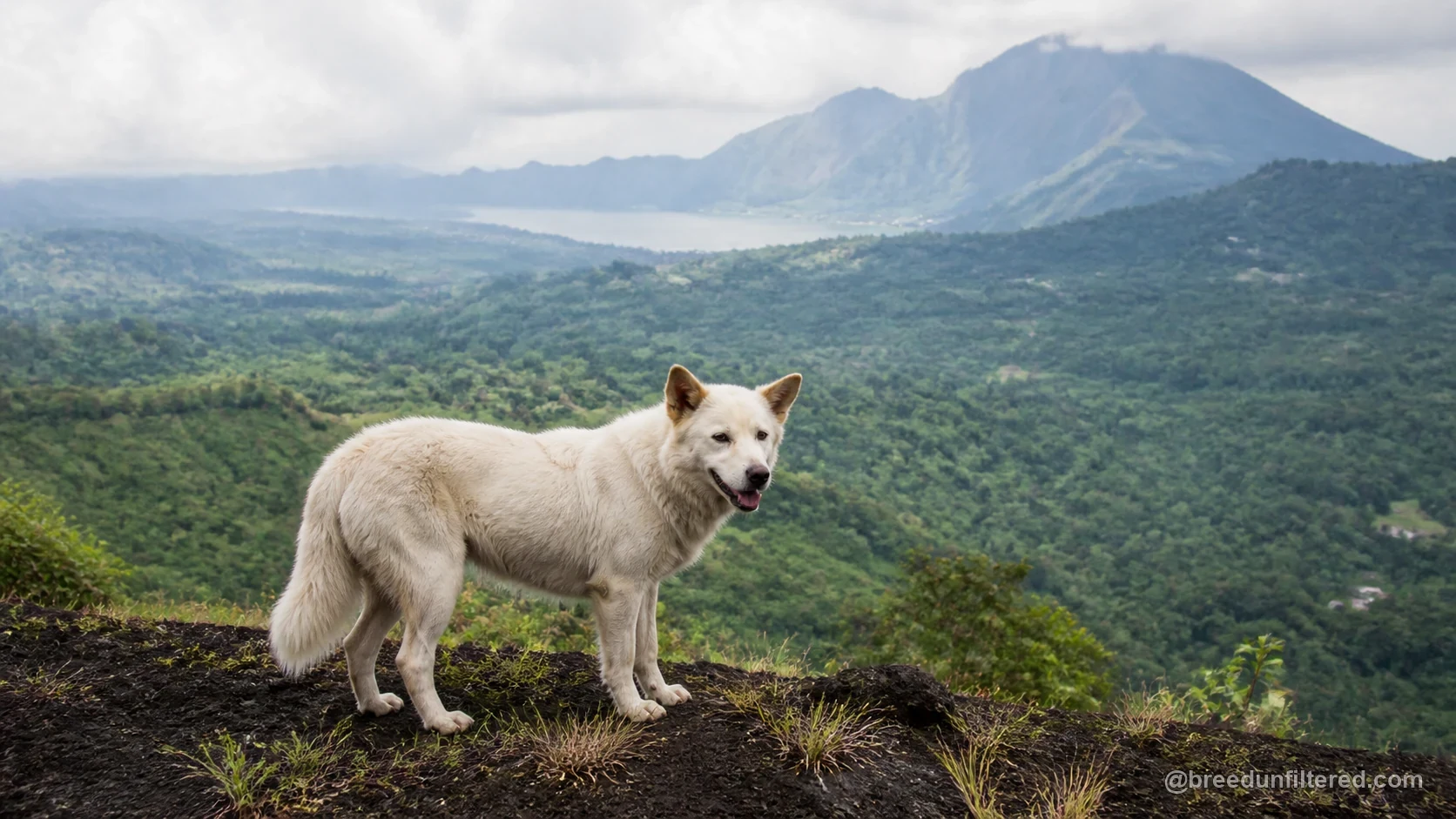
The Kintamani-Bali Dog, also known as Anjing Kintamani-Bali, is a breed that hails from the highlands of Bali, Indonesia. Recognized provisionally by the Fédération Cynologique Internationale (FCI) under standard number 362, this dog is a fascinating example of a landrace breed that has been shaped by its environment and cultural history. For prospective owners, understanding the Kintamani's background is essential, as it influences its temperament, care needs, and suitability for various lifestyles.
This article provides a comprehensive overview of the Kintamani-Bali Dog, covering its origin, temperament, exercise and mental stimulation requirements, training and socialization, family compatibility, grooming and health considerations, and the financial and time commitments involved. Whether you are considering adding one to your home or simply wish to learn more, this guide offers practical, evidence-conscious information to help you make an informed decision.
Origin and Purpose
The Kintamani-Bali Dog originates from the Kintamani region in the mountainous area of Bali, Indonesia. Historically, these dogs have lived semi-wild in villages and temples, serving as guardians and companions. The breed's development has been influenced by natural selection and local practices, resulting in a dog that is well-adapted to the tropical highland climate and the social dynamics of Balinese communities.
The FCI has provisionally recognized the breed, which means it is in the process of gaining full international recognition. This provisional status reflects ongoing efforts to standardize the breed while preserving its unique characteristics. For prospective owners, understanding this heritage is important because it highlights the Kintamani's innate guarding instincts and its need for a clear role within the family.
Temperament and Variation
Kintamani-Bali Dogs are often described as alert, loyal, and intelligent. They tend to form strong bonds with their families and can be wary of strangers, which makes them natural watchdogs. However, individual temperaments can vary widely, influenced by genetics, early experiences, and socialization. Some may be more outgoing, while others are more reserved, so it is crucial to meet the parents or observe the puppy's behavior when possible.
The breed also exhibits variation in appearance, including coat color and size, though the FCI standard provides a general framework. Common colors include white, black, and fawn, often with a distinctive mask. These variations are part of the breed's charm, but they also mean that prospective owners should focus on temperament and health rather than solely on physical traits.
Exercise and Mental Work
As a moderately active breed, the Kintamani-Bali Dog benefits from regular daily exercise to maintain physical health and mental well-being. This can include brisk walks, play sessions in a securely fenced area, and opportunities to explore. However, the exact amount of exercise needed can vary by age, health, and individual energy levels, so owners should adapt routines accordingly.
Mental stimulation is equally important for this intelligent breed. Puzzle toys, obedience training, and scent games can help prevent boredom and destructive behaviors. Given their guarding background, they also appreciate having a job to do, such as alerting to visitors or participating in canine activities like agility or rally. A well-exercised and mentally engaged Kintamani is more likely to be a calm and content companion.
Training and Socialisation
Training a Kintamani-Bali Dog requires patience, consistency, and positive reinforcement methods. They are intelligent but can be independent, so early training is essential to establish good manners and a strong bond. Short, engaging sessions work best, and using treats or play as rewards can be highly effective. Harsh methods are counterproductive and may damage trust.
Socialisation from a young age is critical to help the Kintamani become a well-adjusted adult. Exposing them to various people, animals, environments, and sounds in a controlled, positive manner can reduce the likelihood of fearfulness or aggression. Puppy classes and regular outings can be valuable, but it is important to go at the dog's pace and ensure experiences are positive.
Family and Other Pets
Kintamani-Bali Dogs can make devoted family companions, especially when raised with children and given proper socialisation. They tend to be protective of their family, which can be reassuring, but it also means they may not be ideal for households with frequent visitors unless they are well-trained to accept guests. Supervision is recommended when they are around young children, as with any breed.
Their compatibility with other pets varies. Some Kintamanis may get along well with dogs they are raised with, while others may exhibit territorial or prey-driven behaviors towards smaller animals. Early and ongoing socialisation can improve the chances of peaceful coexistence, but there are no guarantees. Prospective owners should assess their household dynamics and be prepared to manage introductions carefully.
Grooming and Health
The Kintamani-Bali Dog has a short to medium-length coat that is relatively low-maintenance. Regular brushing, perhaps once or twice a week, can help remove loose hair and keep the coat healthy. They are moderate shedders, and bathing should be done as needed, using a gentle dog shampoo. Routine care such as nail trimming, ear cleaning, and dental hygiene should also be part of the grooming regimen.
As a breed, the Kintamani is generally considered hardy, but like all dogs, they can be prone to certain health conditions. Responsible breeders should screen for common issues, and owners should be aware of signs of illness. Regular veterinary check-ups, a balanced diet, and appropriate exercise contribute to overall health. Since the breed is relatively rare outside Indonesia, finding a veterinarian familiar with the breed may require some research.
Costs and Responsibility
Owning a Kintamani-Bali Dog involves financial commitments beyond the initial purchase price. Costs include high-quality food, routine veterinary care, vaccinations, parasite prevention, grooming supplies, and potential emergency medical expenses. Additionally, training classes or professional behavioral consultations may be beneficial, especially for first-time owners. It is wise to budget for these ongoing expenses.
Beyond finances, responsible ownership means providing time, attention, and a safe environment. Kintamanis thrive on companionship and should not be left alone for long periods regularly. They require secure fencing to prevent roaming, as their guarding instincts may lead them to patrol. Prospective owners should also consider local regulations regarding dog ownership and ensure they can meet the breed's needs for a lifetime, which can be 12 to 15 years or more.
Clear answers
FREQUENTLY ASKED QUESTIONS
Are Kintamani-Bali Dogs good with children?
Kintamani-Bali Dogs can be good with children when raised together and properly socialized. They tend to be loyal and protective, but their guarding instincts may make them wary of unfamiliar children. Supervision is always recommended, and teaching children how to interact respectfully with dogs is essential. Individual temperament varies, so early positive experiences are key.
Do Kintamani-Bali Dogs require a lot of exercise?
Kintamani-Bali Dogs are moderately active and need daily exercise to stay healthy and happy. This can include walks, playtime, and mental challenges. The exact amount depends on the dog's age, health, and energy level. A bored Kintamani may develop destructive behaviors, so providing both physical and mental stimulation is important.
Are Kintamani-Bali Dogs easy to train?
Kintamani-Bali Dogs are intelligent but can be independent, which may make training a bit challenging for novice owners. They respond best to positive reinforcement methods like treats and praise. Consistency and patience are crucial. Early socialisation and obedience training are highly recommended to shape a well-mannered adult dog.
Do Kintamani-Bali Dogs get along with other pets?
Compatibility with other pets varies. Some Kintamanis may live peacefully with other dogs, especially if raised together, but they may have a strong prey drive towards smaller animals like cats or rodents. Early and ongoing socialisation can help, but there are no guarantees. Careful introductions and management are necessary.
What is the grooming requirement for a Kintamani-Bali Dog?
The Kintamani-Bali Dog has a short to medium coat that is relatively low-maintenance. Weekly brushing is usually sufficient to remove loose hair and keep the coat in good condition. They shed moderately, and bathing should be done as needed. Regular nail trimming, ear cleaning, and dental care are also part of routine grooming.
Sources and further reading
Scores describe typical breed tendencies from 1 to 10. They are not a quality ranking or a prediction for an individual dog.
Size and presence5/10
CompactVery large
Physical strength5/10
LightExceptional
Energy level6/10
LowRelentless
Exercise demand6/10
ModestVery demanding
Mental work needed7/10
ModerateDaily job
Trainability6/10
ChallengingExceptional
Everyday manageability4/10
SpecialistStraightforward
First-time owner fit5/10
Poor fitGood fit
Family-life fit6/10
LimitedExcellent
Dog sociability6/10
SelectiveVery social
Prey drive8/10
LowVery high
Guarding tendency6/10
MinimalSerious
Independence6/10
Handler-focusedSelf-directed
Grooming demand5/10
LightHeavy
Apartment fit5/10
Poor fitGood fit