Complete breed guide
Istrian Short-Haired Hound OWNERSHIP GUIDE
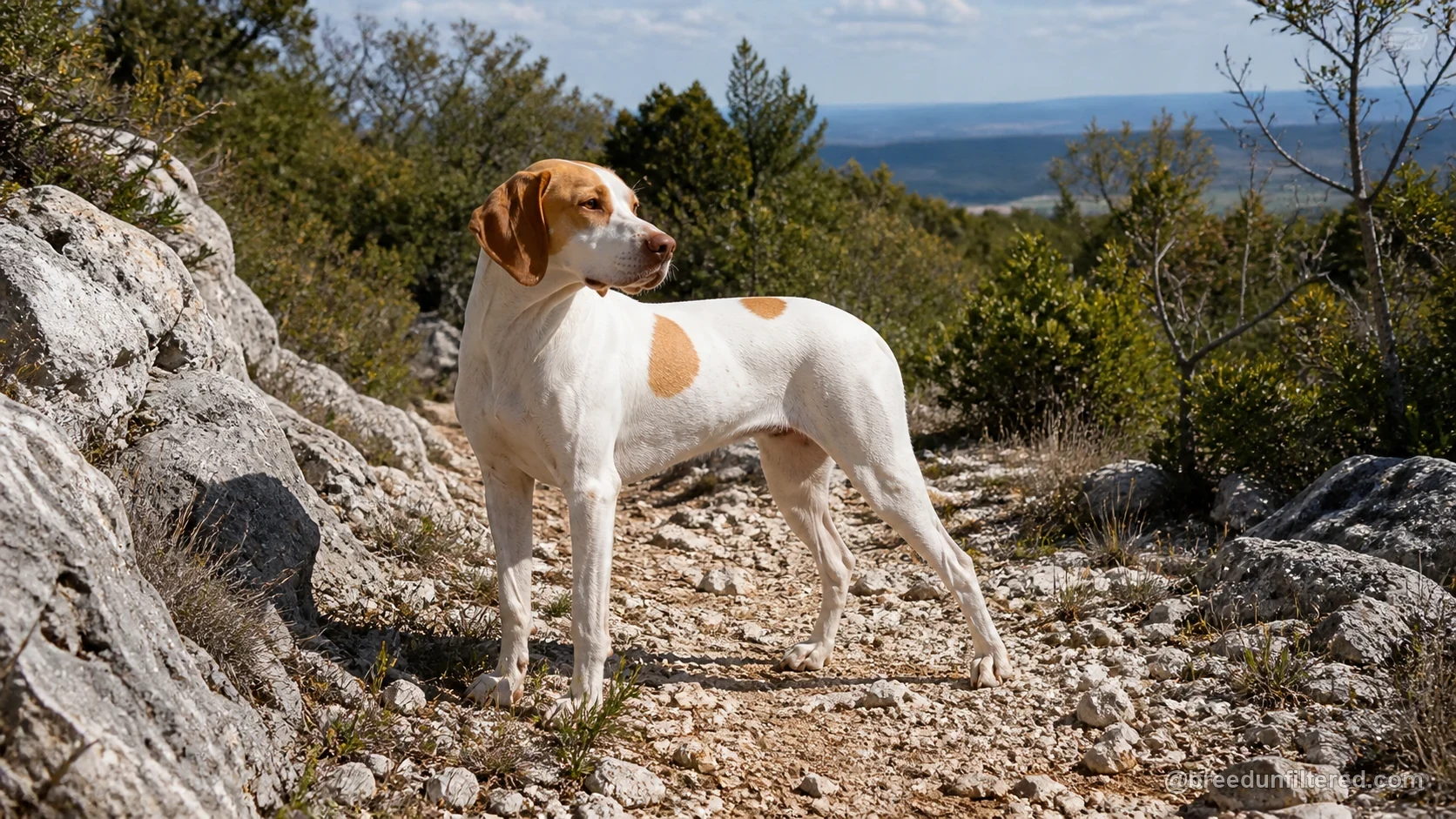
The Istrian Short-Haired Hound, known in its native Croatia as the Istarski Kratkodlaki Gonič, is a scenthound of ancient lineage, developed for hunting hare and fox across the rugged karst landscapes of the Istrian peninsula. Recognized definitively by the Fédération Cynologique Internationale (FCI) in Group 6, this breed embodies the endurance, determination, and keen nose required for sustained work in challenging terrain. Its short, dense coat and balanced build reflect a purpose-built athlete, yet the breed also possesses a calm and affectionate demeanor at home, making it a loyal companion for the right owner.
For prospective owners, understanding the Istrian Short-Haired Hound means appreciating its dual nature: a tireless hunter in the field and a gentle, family-oriented dog indoors. This breed thrives on meaningful activity and mental engagement, and it is not suited to a sedentary lifestyle. With proper socialization and training, the Istrian Short-Haired Hound can be a devoted and adaptable partner, but it requires commitment to its exercise needs and its inherent instinct to follow a scent. This guide provides a comprehensive overview to help you decide if this remarkable hound is the right match for your home and lifestyle.
Origin and Purpose
The Istrian Short-Haired Hound is one of several hound breeds originating from the Istrian peninsula, a region shared by Croatia and Slovenia. Its history is intertwined with the development of scenthounds in the Mediterranean, where hunting has been a longstanding tradition. The breed was refined to work in the rocky, brush-covered terrain of the karst, where a keen nose and persistent tracking ability are essential. The FCI standard, first published in 1949, describes a dog of medium size, with a short, glossy coat that protects against brambles and weather.
The primary purpose of the Istrian Short-Haired Hound is to hunt hare and fox, often working in packs or individually. It is a 'scenthound' that follows ground scent with great accuracy, giving voice (baying) when on a trail. This vocalization is a hallmark of the breed, and prospective owners should be prepared for a dog that may bark or howl when excited or on a scent. While still used for hunting in its homeland, the breed is also gaining recognition as a companion, though its instincts remain strong and should be channeled appropriately.
Temperament and Variation
The Istrian Short-Haired Hound is typically described as lively, alert, and affectionate with its family. It is a pack-oriented breed, which often translates to a strong desire for companionship and a dislike of being left alone for long periods. While individual temperaments vary, the breed generally displays a balanced and stable disposition, neither overly aggressive nor excessively timid. Its hunting heritage contributes to a determined and persistent nature, especially when following a scent, but at home it often relaxes into a calm and gentle companion.
There is a short-haired and a wire-haired variety of the Istrian Hound, but the short-haired is the more common and is the subject of this article. Within the short-haired variety, there can be differences in drive and energy levels, influenced by breeding lines and individual upbringing. Some dogs may be more reserved with strangers, while others are outgoing. Early and ongoing socialization is crucial to ensure that the dog's natural caution does not develop into shyness or reactivity. As with any breed, temperament is shaped by genetics, environment, and training.
Exercise and Mental Work
The Istrian Short-Haired Hound is a high-energy breed with substantial exercise requirements. It was bred to cover large areas of ground while hunting, so it needs daily opportunities to run and explore. A securely fenced yard is beneficial, but on-leash walks are not sufficient to meet its needs. Activities such as hiking, jogging, or cycling alongside a bike (once the dog is mature and trained) can help expend energy. Off-leash exercise in a safe, enclosed area is ideal, as the breed's strong prey drive may lead it to chase after scents if given the chance.
Mental stimulation is equally important for this intelligent hound. Scent games, tracking exercises, and puzzle toys can engage its mind and prevent boredom, which might otherwise lead to destructive behaviors. The breed excels in canine sports like nose work, tracking, and barn hunt, which tap into its natural abilities. Without adequate physical and mental outlets, the Istrian Short-Haired Hound may become restless and develop undesirable habits such as excessive barking or digging. Prospective owners should be prepared to dedicate at least one to two hours of vigorous activity per day, though this varies with age and individual.
Training and Socialisation
Training an Istrian Short-Haired Hound requires patience, consistency, and positive reinforcement. This breed is intelligent but can be independent and somewhat stubborn, traits common in hounds that were bred to make decisions in the field. Harsh training methods are counterproductive and can damage the trust between dog and owner. Instead, using treats, praise, and play as rewards will yield better results. Short, varied training sessions help maintain the dog's interest, as repetition can lead to boredom.
Socialisation is critical from an early age. Exposing the puppy to a wide range of people, animals, environments, and sounds helps it develop into a well-adjusted adult. Because the breed has a strong prey drive, it may not be reliable with small pets such as cats or rabbits unless raised with them and carefully supervised. Early and ongoing socialization with other dogs is also important, as the breed generally gets along well with its own kind, but individual personalities vary. Enrolling in puppy classes and continuing with obedience training can provide a solid foundation for a well-mannered companion.
Family and Pets
The Istrian Short-Haired Hound can make a loving and loyal family dog, especially in households that can meet its exercise and companionship needs. It tends to form strong bonds with its family members and often enjoys being involved in activities. The breed is generally good with children, especially when raised with them, but as with any dog, interactions should be supervised, and children should be taught how to behave around dogs. Its sturdy build and playful nature can make it a good playmate for older children who understand how to respect a dog's space.
When it comes to other pets, the picture is more nuanced. Due to its hunting background, the Istrian Short-Haired Hound may view small animals as prey. Cats and small dogs can be accepted if introduced early and raised together, but there is always a risk that the prey drive may kick in, especially with unfamiliar animals. The breed is generally sociable with other dogs, and many owners find that having a canine companion helps meet the hound's need for social interaction. However, introductions should be gradual and controlled, and supervision is recommended until you are confident in the dog's behavior.
Grooming and Health
The Istrian Short-Haired Hound has a short, dense, and glossy coat that is relatively low-maintenance. Weekly brushing with a rubber curry comb or a soft bristle brush will help remove loose hair and keep the coat healthy. The breed sheds moderately, and during seasonal changes, more frequent brushing may be needed. Bathing should be done only when necessary, as over-bathing can strip the coat of natural oils. Routine care includes checking and cleaning the ears, trimming nails, and brushing teeth to maintain overall health.
As a generally healthy breed, the Istrian Short-Haired Hound has a life expectancy of around 12 to 14 years. However, like all breeds, it may be prone to certain health conditions, including hip dysplasia and ear infections, the latter due to its floppy ears. Responsible breeders screen their breeding stock for hereditary issues, and prospective owners should ask for health clearances. Regular veterinary check-ups, a balanced diet, and appropriate exercise contribute to a long and healthy life. It is important to be aware of the breed's tendency to gain weight if overfed or under-exercised, so portion control and activity are key.
Costs and Responsibility
Owning an Istrian Short-Haired Hound involves significant financial and time commitments. Initial costs include the purchase price from a reputable breeder, which can vary, as well as supplies such as a crate, bedding, food, and veterinary care. Ongoing expenses include high-quality dog food, routine veterinary visits, vaccinations, parasite prevention, and pet insurance. Because the breed is energetic, you may also need to budget for professional training or dog sports, as well as secure fencing to provide safe exercise areas.
Beyond finances, responsible ownership requires a dedication to the dog's physical and mental well-being. This breed is not suitable for a sedentary lifestyle or for owners who are away from home for long hours. It needs ample exercise, mental stimulation, and companionship. Prospective owners should also consider the breed's vocal nature, which may not be ideal for apartment living or close neighbors. Before acquiring an Istrian Short-Haired Hound, research the breed thoroughly, talk to breeders and owners, and honestly assess your ability to meet its needs for the entirety of its life, which can be 12 years or more.
Clear answers
FREQUENTLY ASKED QUESTIONS
Is the Istrian Short-Haired Hound good with children?
The Istrian Short-Haired Hound can be good with children, especially when raised with them and properly socialized. It is generally playful and tolerant, but as with any breed, interactions should be supervised, and children should be taught to respect the dog's space. Its sturdy build allows it to handle rough play, but its high energy may be overwhelming for very young children.
How much exercise does an Istrian Short-Haired Hound need?
This breed requires substantial daily exercise, typically at least one to two hours of vigorous activity. This should include opportunities to run off-leash in a safe area, as well as mental stimulation like scent games or tracking. Without adequate exercise, the dog may become restless and develop behavioral issues.
Does the Istrian Short-Haired Hound get along with other dogs?
Generally, yes. As a pack hound, it tends to be sociable with other dogs and often enjoys canine companionship. However, individual temperaments vary, and proper introductions are important. Its prey drive may be triggered by small animals, so caution is advised with non-canine pets.
Is the Istrian Short-Haired Hound easy to train?
Training can be moderately challenging due to the breed's independent and sometimes stubborn nature. Positive reinforcement methods work best, and consistency is key. Early socialization and obedience training are essential. The breed is intelligent and responds well to reward-based training, but patience is required.
What are the grooming needs of the Istrian Short-Haired Hound?
Grooming is relatively low-maintenance. Weekly brushing with a rubber curry or bristle brush helps remove loose hair and keep the coat shiny. The breed sheds moderately, and more frequent brushing may be needed during shedding seasons. Regular ear cleaning is important to prevent infections, along with routine nail trimming and dental care.
Sources and further reading
Scores describe typical breed tendencies from 1 to 10. They are not a quality ranking or a prediction for an individual dog.
Size and presence5/10
CompactVery large
Physical strength5/10
LightExceptional
Energy level9/10
LowRelentless
Exercise demand10/10
ModestVery demanding
Mental work needed8/10
ModerateDaily job
Trainability5/10
ChallengingExceptional
Everyday manageability2/10
SpecialistStraightforward
First-time owner fit3/10
Poor fitGood fit
Family-life fit6/10
LimitedExcellent
Dog sociability9/10
SelectiveVery social
Prey drive10/10
LowVery high
Guarding tendency3/10
MinimalSerious
Independence8/10
Handler-focusedSelf-directed
Grooming demand4/10
LightHeavy
Apartment fit4/10
Poor fitGood fit