Complete breed guide
French Pointing Dog - Gascogne Type OWNERSHIP GUIDE
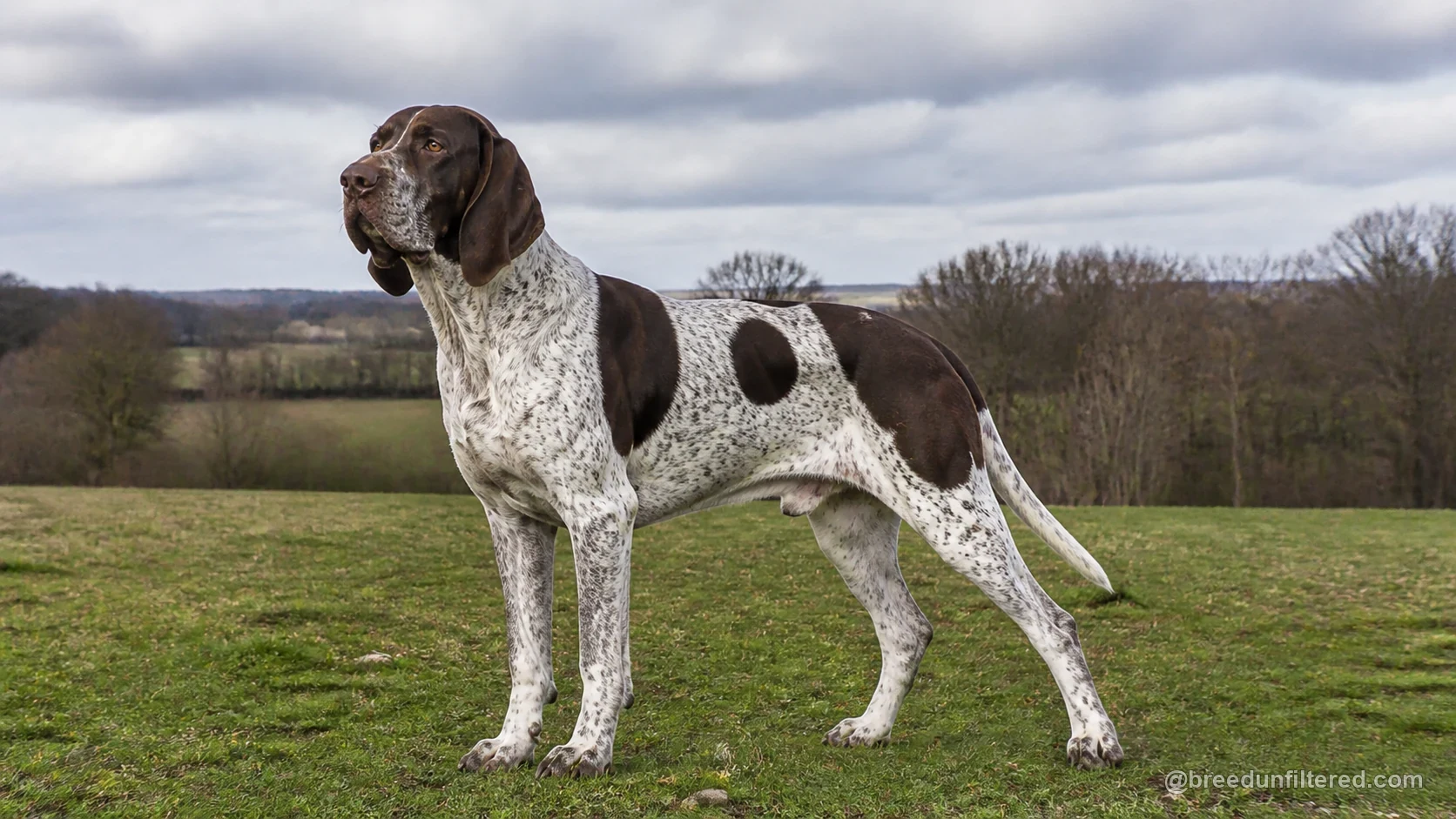
The French Pointing Dog – Gascogne Type, known in French as the Braque Français type Gascogne, is a classic continental pointing dog with deep roots in the southwest of France. Recognized by the Fédération Cynologique Internationale (FCI) under standard number 133, this breed is one of two varieties of the Braque Français, the other being the smaller Pyrenean type. The Gascogne type is prized for its methodical hunting style, strong nose, and loyal companionship, making it a favorite among hunters and active families alike.
This breed embodies the essence of a versatile gun dog: it points, retrieves, and works closely with its handler in the field, yet it is also known for a gentle and affectionate nature at home. While not as widely known outside Europe, the Gascogne type has a devoted following among those who appreciate its rustic elegance and steady temperament. For prospective owners, understanding the breed's needs for exercise, mental stimulation, and social connection is essential to providing a fulfilling life for this noble sporting dog.
Origin and Purpose
The Braque Français type Gascogne is one of the oldest pointing breeds, with ancestors dating back to the 16th century. Originating in the Gascogne region of southwestern France, these dogs were developed to hunt game birds and small mammals in the varied terrain of the area. The breed's name 'Braque' derives from the French word for 'pointer,' reflecting its primary function of locating game and freezing in a distinctive point to alert the hunter.
Historically, the Gascogne type was favored by nobility and hunters for its endurance and keen nose. The FCI recognized the breed definitively, and today it remains a working dog at heart, though it also participates in conformation shows and field trials. Its purpose has always been practical: a reliable partner in the field, capable of quartering ground, pointing, and retrieving. This heritage continues to shape the breed's temperament and physical abilities, making it a dedicated and responsive companion for those who engage in hunting or active outdoor pursuits.
Temperament and Variation
The Gascogne type is generally described as calm, gentle, and even-tempered, especially when compared to some other pointing breeds. It forms strong bonds with its family and tends to be affectionate and loyal. In the field, it is enthusiastic and focused, but at home it often settles into a relaxed and quiet demeanor. This duality makes it an appealing choice for those who want a dog that can switch from work mode to family companion seamlessly.
There is natural variation among individuals, influenced by genetics, socialization, and training. Some lines may be more energetic or more reserved, but the breed standard emphasizes a balanced and sociable nature. Early and consistent socialization helps ensure that these dogs develop into confident adults. While they are not typically aggressive, they can be somewhat reserved with strangers, which makes proper introduction and positive experiences important. Overall, the Gascogne type is known for its adaptability and willingness to please, traits that endear it to owners.
Exercise and Mental Work
As a sporting breed, the French Pointing Dog Gascogne Type requires regular and substantial exercise to maintain its physical and mental well-being. Daily opportunities to run, explore, and engage in activities that mimic hunting are ideal. Long walks, jogs, or off-leash time in a secure area can help meet its energy needs. Without adequate exercise, these dogs may become restless or develop undesirable behaviors.
Mental stimulation is equally important. This breed is intelligent and thrives on problem-solving tasks, such as scent games, obedience training, or agility. Activities that engage its natural pointing and retrieving instincts are particularly rewarding. Puzzle toys and interactive games can also provide mental challenges. Owners should be prepared to dedicate time each day to both physical and mental exercise, as a tired and stimulated dog is a content and well-adjusted companion.
Training and Socialisation
Training a Gascogne type is generally a rewarding experience due to its eagerness to please and cooperative nature. Positive reinforcement methods, such as treats, praise, and play, work best. Harsh corrections are unnecessary and can damage the trust between dog and handler. Consistency and patience are key, as this breed can be sensitive to tone and atmosphere. Early training should focus on basic obedience, recall, and loose-leash walking, building a strong foundation for more advanced work.
Socialisation from a young age is crucial to help the dog become well-adjusted and comfortable in various situations. Exposing the puppy to different people, animals, environments, and sounds in a positive manner can prevent shyness or fearfulness. Because this breed has a natural hunting instinct, it is important to teach reliable recall and impulse control, especially in areas with wildlife. With proper socialisation and training, the Gascogne type can be a polite and trustworthy companion both at home and in public.
Family and Pets
The French Pointing Dog Gascogne Type is known for its gentle and affectionate nature, making it a good fit for families that can provide the necessary exercise and attention. It typically gets along well with children, especially when raised with them, and can be patient and tolerant. However, as with any dog, supervision and teaching children how to interact respectfully are important. The breed's size and energy mean it may inadvertently knock over small children during play, so early training and management are advisable.
Regarding other pets, this breed can coexist with other dogs, particularly if socialised early. Its hunting instinct may be triggered by small animals such as cats, rabbits, or birds, so introductions should be careful and gradual. While some individuals may live peacefully with cats, others may view them as prey. Prospective owners with small pets should assess the individual dog's temperament and provide proper training and supervision. Overall, with appropriate socialisation, the Gascogne type can be a loving and loyal family member.
Grooming and Health
Grooming needs for the Gascogne type are relatively low-maintenance. Its short, dense coat requires weekly brushing to remove loose hair and keep it healthy. During shedding seasons, more frequent brushing may be needed. Bathing should be done only when necessary to avoid stripping natural oils. Routine care includes checking ears for dirt or infection, trimming nails regularly, and brushing teeth to maintain oral health. These practices contribute to the dog's overall well-being.
As with many purebred dogs, the Gascogne type may be predisposed to certain health conditions, though the breed is generally considered robust. Potential issues that have been reported include hip dysplasia, ear infections, and certain eye conditions, but these are not universal. Responsible breeders screen their breeding stock for hereditary problems. Prospective owners should ask about health clearances and the health history of the puppy's parents. Regular veterinary check-ups and a balanced diet are essential to help prevent or manage health issues.
Costs and Responsibility
Owning a French Pointing Dog Gascogne Type involves financial and time commitments. The initial cost of a puppy from a reputable breeder can vary, and ongoing expenses include high-quality food, routine veterinary care, vaccinations, and preventive medications. Additionally, owners should budget for training classes, grooming supplies, and potential emergency medical costs. It is wise to consider pet insurance to help manage unexpected expenses.
Beyond finances, this breed requires a significant investment of time and energy. Daily exercise, mental stimulation, and companionship are non-negotiable. Prospective owners should honestly assess their lifestyle to ensure they can meet these needs. The Gascogne type is not suited to a sedentary or frequently absent owner. Responsible ownership also involves proper containment, identification, and adherence to local regulations. By understanding and accepting these responsibilities, owners can enjoy a rewarding relationship with this remarkable breed.
Clear answers
FREQUENTLY ASKED QUESTIONS
Is the French Pointing Dog Gascogne Type good with children?
Generally, yes. This breed is known for its gentle and patient nature, and it can form strong bonds with children, especially when raised together. However, due to its size and energy, supervision is recommended during play to prevent accidental knocking over of small kids. Teaching children how to interact respectfully with the dog is also important for a harmonious relationship.
How much exercise does a Gascogne Type need?
As a sporting breed, it requires substantial daily exercise to stay physically and mentally healthy. This includes long walks, runs, or off-leash time in a secure area. At least an hour or more of vigorous activity is often recommended, but the exact amount can vary by individual. Mental stimulation through scent games or training is equally important to prevent boredom.
Does the Gascogne Type get along with other pets?
It can get along with other dogs, especially with early socialisation. However, its hunting instinct may be triggered by small animals like cats, rabbits, or birds. Some individuals may live peacefully with cats, but others may see them as prey. Careful introductions and training are essential, and supervision is advised when small pets are present.
What are the grooming requirements for this breed?
Grooming is relatively low-maintenance. Weekly brushing of its short coat helps remove loose hair and keep it healthy. More frequent brushing may be needed during shedding seasons. Regular ear checks, nail trimming, and teeth brushing are also part of routine care. Bathing should be done only when necessary to preserve natural oils.
Is the French Pointing Dog Gascogne Type suitable for first-time owners?
It can be, but it depends on the owner's commitment to training and exercise. This breed is intelligent and eager to please, making it trainable, but it has high energy needs and a strong hunting instinct. First-time owners who are active and willing to invest time in socialisation and positive training may find it a rewarding companion. However, those with a more sedentary lifestyle might struggle.
Sources and further reading
Scores describe typical breed tendencies from 1 to 10. They are not a quality ranking or a prediction for an individual dog.
Size and presence6/10
CompactVery large
Physical strength6/10
LightExceptional
Energy level8/10
LowRelentless
Exercise demand10/10
ModestVery demanding
Mental work needed8/10
ModerateDaily job
Trainability9/10
ChallengingExceptional
Everyday manageability7/10
SpecialistStraightforward
First-time owner fit7/10
Poor fitGood fit
Family-life fit8/10
LimitedExcellent
Dog sociability8/10
SelectiveVery social
Prey drive9/10
LowVery high
Guarding tendency3/10
MinimalSerious
Independence4/10
Handler-focusedSelf-directed
Grooming demand4/10
LightHeavy
Apartment fit5/10
Poor fitGood fit