Complete breed guide
Wetterhoun OWNERSHIP GUIDE
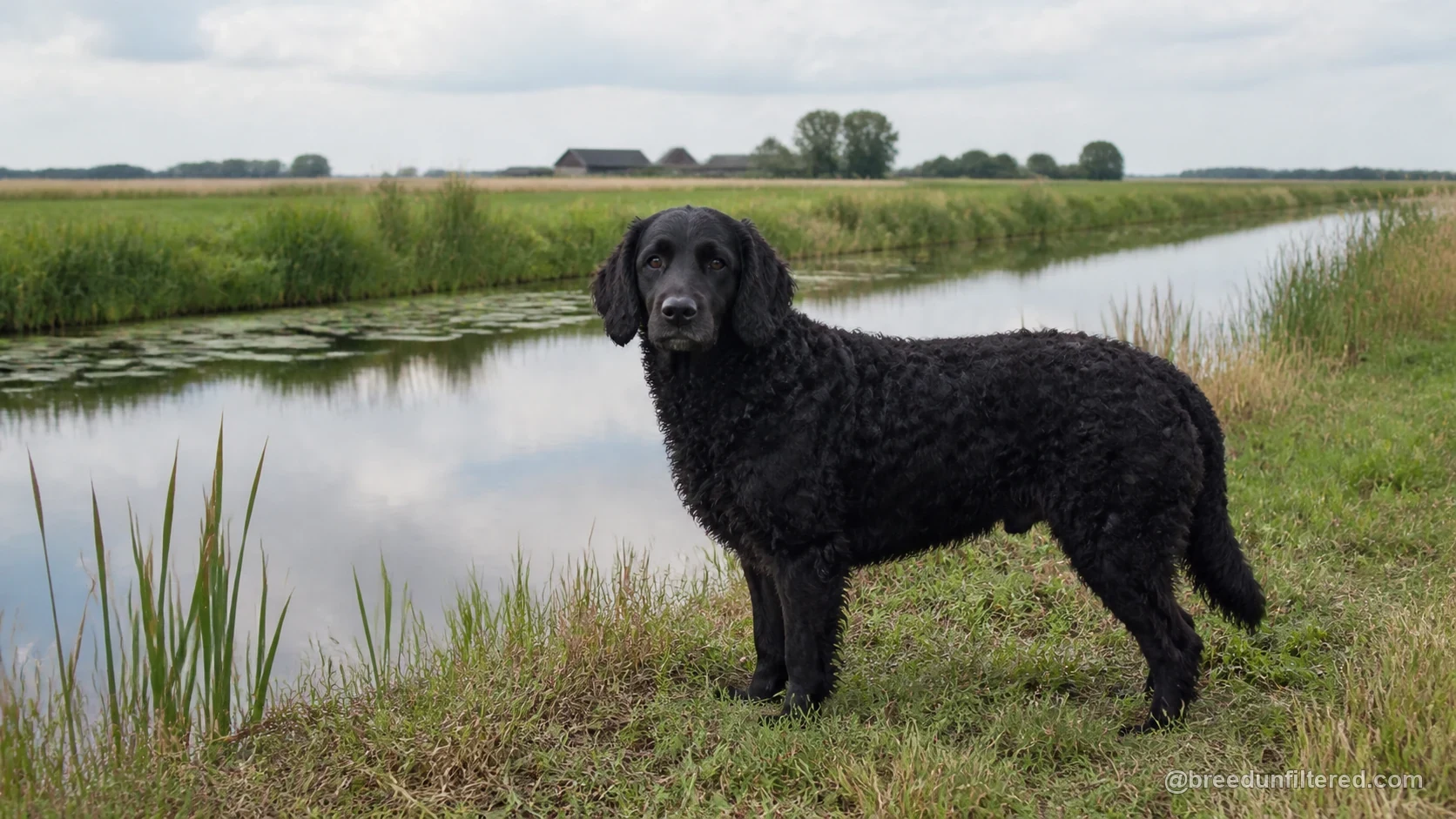
The Wetterhoun, also known as the Dutch Spaniel or Friesian Water Dog, is a rare and ancient breed originating from the Friesland region of the Netherlands. Recognized by the Fédération Cynologique Internationale (FCI) in Group 8, this versatile gundog was historically used for hunting otters and waterfowl in the marshy lowlands. Its name translates to 'water hound,' reflecting its affinity for water and its remarkable swimming abilities. Despite its working heritage, the Wetterhoun remains a niche breed, cherished by enthusiasts for its distinctive curly coat and loyal, protective nature.
Prospective owners should understand that the Wetterhoun is not a typical companion dog. It is a primitive breed with strong instincts, a independent streak, and a deep bond with its family. While it can be a devoted and affectionate companion, it requires experienced handling, consistent training, and ample opportunities to exercise both body and mind. This article provides an in-depth look at the breed's characteristics, care requirements, and the responsibilities involved in welcoming a Wetterhoun into your home.
Origin and Purpose
The Wetterhoun's history is deeply rooted in the Friesland region of the Netherlands, where it was developed as a versatile hunting dog. Its primary role was to hunt otters and waterfowl in the region's lakes, rivers, and marshes. The breed's name, 'Wetterhoun,' literally means 'water hound,' underscoring its aquatic expertise. The Wetterhoun is one of the four Dutch landraces, alongside the Kooikerhondje, the Drentsche Patrijshond, and the Stabyhoun, and it is considered the rarest of the group.
The breed's exact origins are unclear, but it is believed to have descended from ancient water dogs brought to the Netherlands by traders and settlers. Over centuries, the Wetterhoun was selectively bred for its hunting prowess, particularly its ability to work in cold, wet conditions. Its dense, curly coat provides insulation and protection, while its webbed feet and powerful build make it an efficient swimmer. Today, the Wetterhoun is still used for hunting in its native country, but it also serves as a loyal companion and watchdog.
Temperament and Variation
The Wetterhoun is known for its loyal and protective nature. It forms strong bonds with its family and can be reserved or wary of strangers, making it an excellent watchdog. However, this same trait means that early and ongoing socialisation is crucial to prevent over-protectiveness or shyness. The breed is intelligent and independent, often displaying a stubborn streak that can challenge novice owners. While individual temperaments vary, the Wetterhoun generally thrives in a calm, structured environment where it knows its place in the family hierarchy.
As a working breed, the Wetterhoun has a strong prey drive and a natural instinct to guard. It may not be the best fit for households with small pets, as its hunting instincts can be triggered. However, with proper training and socialisation, many Wetterhouns live peacefully with cats and other dogs. The breed is not typically aggressive but can be aloof with strangers, a trait that should be managed through positive exposure. Prospective owners should be prepared for a dog that is devoted to its family but may take time to warm up to new people and situations.
Exercise and Mental Work
The Wetterhoun is an energetic and athletic breed that requires regular, vigorous exercise to stay happy and healthy. As a gundog, it has a natural love for water and enjoys swimming, retrieving, and exploring. Daily walks, runs, or hikes are essential, but the breed also benefits from activities that engage its mind, such as scent work, puzzle toys, and obedience training. Without adequate physical and mental stimulation, the Wetterhoun may become bored and develop destructive behaviors like digging or chewing.
It is important to note that the Wetterhoun is not a high-energy dog in the same way as a Border Collie; rather, it has a moderate to high energy level that is best channeled through purposeful activities. A fenced yard is recommended, as the breed's hunting instincts may lead it to wander. Swimming is an excellent form of exercise for this breed, and many Wetterhouns will eagerly take to water. However, owners should always supervise water activities and ensure the dog has a safe exit point. Mental stimulation is equally important, as this intelligent breed thrives on problem-solving and learning new tasks.
Training and Socialisation
Training a Wetterhoun requires patience, consistency, and a firm but gentle hand. This breed is intelligent but independent, and it may question commands if it does not see the value in them. Positive reinforcement methods, such as treats, praise, and play, work best. Harsh or repetitive training techniques are likely to be counterproductive, as the Wetterhoun can become stubborn or withdrawn. Early training should focus on basic obedience, impulse control, and recall, as the breed's prey drive can make off-leash reliability a challenge.
Socialisation is equally critical for the Wetterhoun. Exposing the puppy to a wide variety of people, animals, sounds, and environments from a young age helps to prevent fearfulness and aggression. Because the breed is naturally wary of strangers, socialisation should be a lifelong process. Puppy classes and regular outings can help the Wetterhoun become a well-adjusted adult. It is also important to teach children how to interact respectfully with the dog, as the breed may not tolerate rough handling. With proper training and socialisation, the Wetterhoun can be a well-mannered and dependable companion.
Family and Pets
The Wetterhoun can make a wonderful family dog for the right household. It is loyal, affectionate, and protective of its family, often forming a particularly strong bond with one person. The breed is generally good with children, especially when raised with them, but its size and energy may be overwhelming for very young kids. Supervision is recommended to ensure safe interactions. The Wetterhoun's guarding instincts mean it will alert the family to strangers, but it is not typically aggressive unless provoked.
When it comes to other pets, the Wetterhoun's compatibility varies. Its hunting background gives it a strong prey drive, so it may not be trustworthy around small animals like rabbits, guinea pigs, or even cats, unless it has been raised with them. With proper socialisation, some Wetterhouns live peacefully with other dogs, but they may be dominant or territorial. Early and ongoing socialisation is key to fostering positive relationships with other pets. Prospective owners should consider their existing pets and lifestyle before bringing a Wetterhoun into their home.
Grooming and Health
The Wetterhoun's distinctive curly coat is water-resistant and requires regular grooming to keep it in good condition. Weekly brushing is necessary to prevent mats and tangles, and more frequent grooming may be needed during shedding seasons. The breed is a moderate shedder, and its coat should not be clipped or shaved, as this can damage its texture and water-repellent properties. Regular ear cleaning is essential, as the breed's floppy ears can trap moisture and lead to infections. Nail trimming and dental care should also be part of the routine.
As a relatively rare breed, the Wetterhoun benefits from health screening to identify potential hereditary issues. While the breed is generally healthy, some lines may be prone to hip dysplasia, elbow dysplasia, and eye conditions such as cataracts. Responsible breeders perform health tests on their breeding stock and provide health clearances. The breed's average lifespan is around 12 to 14 years. Prospective owners should be prepared for routine veterinary care and potential costs associated with chronic conditions. Maintaining a healthy weight and providing regular exercise can help mitigate some health risks.
Costs and Responsibility
Owning a Wetterhoun is a significant financial and time commitment. The initial cost of a puppy from a reputable breeder can be substantial, often ranging from $1,500 to $3,000 or more, depending on the breeder's location and the dog's lineage. Additionally, owners should budget for essential supplies such as a crate, bedding, food, grooming tools, and initial veterinary care. Ongoing expenses include high-quality dog food, routine vet visits, vaccinations, flea and tick prevention, and pet insurance. Emergency medical care can add unexpected costs, so a financial buffer is advisable.
Beyond finances, the Wetterhoun requires a dedicated owner who can provide ample time for exercise, training, and companionship. This breed is not suited to a sedentary lifestyle or long periods of isolation. It thrives in a home where someone is present for much of the day and can offer mental and physical engagement. Prospective owners should also consider their living situation; a house with a securely fenced yard is ideal, though the breed can adapt to apartment living if given sufficient exercise. Ultimately, the Wetterhoun is a rewarding companion for those who appreciate its unique character and are willing to meet its needs.
Clear answers
FREQUENTLY ASKED QUESTIONS
Is the Wetterhoun a good family dog?
The Wetterhoun can be a good family dog for experienced owners who understand its protective and independent nature. It is loyal and affectionate with its family, and it can get along well with children if properly socialised and supervised. However, its size and energy may be too much for very young children, and its guarding instincts require careful management. Early training and socialisation are essential to ensure a well-adjusted family companion.
How much exercise does a Wetterhoun need?
The Wetterhoun has moderate to high exercise needs. It requires daily physical activity such as long walks, runs, or hikes, and it particularly enjoys swimming and retrieving. Mental stimulation is equally important, as the breed is intelligent and can become bored easily. Without adequate exercise and mental engagement, the Wetterhoun may develop destructive behaviors. A securely fenced yard is recommended to allow safe off-leash play.
Does the Wetterhoun shed a lot?
The Wetterhoun is a moderate shedder. Its curly, water-resistant coat requires regular brushing, at least once a week, to prevent mats and tangles. During shedding seasons, more frequent grooming may be necessary. It is important not to clip or shave the coat, as this can damage its texture and protective qualities. Regular ear cleaning is also essential to prevent infections.
Are Wetterhouns good with other pets?
Wetterhouns have a strong prey drive due to their hunting heritage, so they may not be trustworthy around small animals like rabbits or cats unless raised with them. With proper socialisation, they can coexist with other dogs, but they may be dominant or territorial. Early and ongoing socialisation is crucial to foster positive relationships with other pets. Prospective owners should assess their existing pets' temperaments and the Wetterhoun's individual personality.
What health issues are common in Wetterhouns?
The Wetterhoun is generally a healthy breed, but like many purebred dogs, it may be prone to certain hereditary conditions. These can include hip dysplasia, elbow dysplasia, and eye problems such as cataracts. Responsible breeders screen their breeding dogs for these conditions and provide health clearances. Regular veterinary check-ups and a healthy lifestyle can help manage potential health issues. The breed's average lifespan is around 12 to 14 years.
Sources and further reading
Scores describe typical breed tendencies from 1 to 10. They are not a quality ranking or a prediction for an individual dog.
Size and presence6/10
CompactVery large
Physical strength7/10
LightExceptional
Energy level9/10
LowRelentless
Exercise demand9/10
ModestVery demanding
Mental work needed8/10
ModerateDaily job
Trainability7/10
ChallengingExceptional
Everyday manageability4/10
SpecialistStraightforward
First-time owner fit6/10
Poor fitGood fit
Family-life fit9/10
LimitedExcellent
Dog sociability8/10
SelectiveVery social
Prey drive9/10
LowVery high
Guarding tendency4/10
MinimalSerious
Independence6/10
Handler-focusedSelf-directed
Grooming demand7/10
LightHeavy
Apartment fit5/10
Poor fitGood fit