Complete breed guide
Old Danish Pointing Dog OWNERSHIP GUIDE
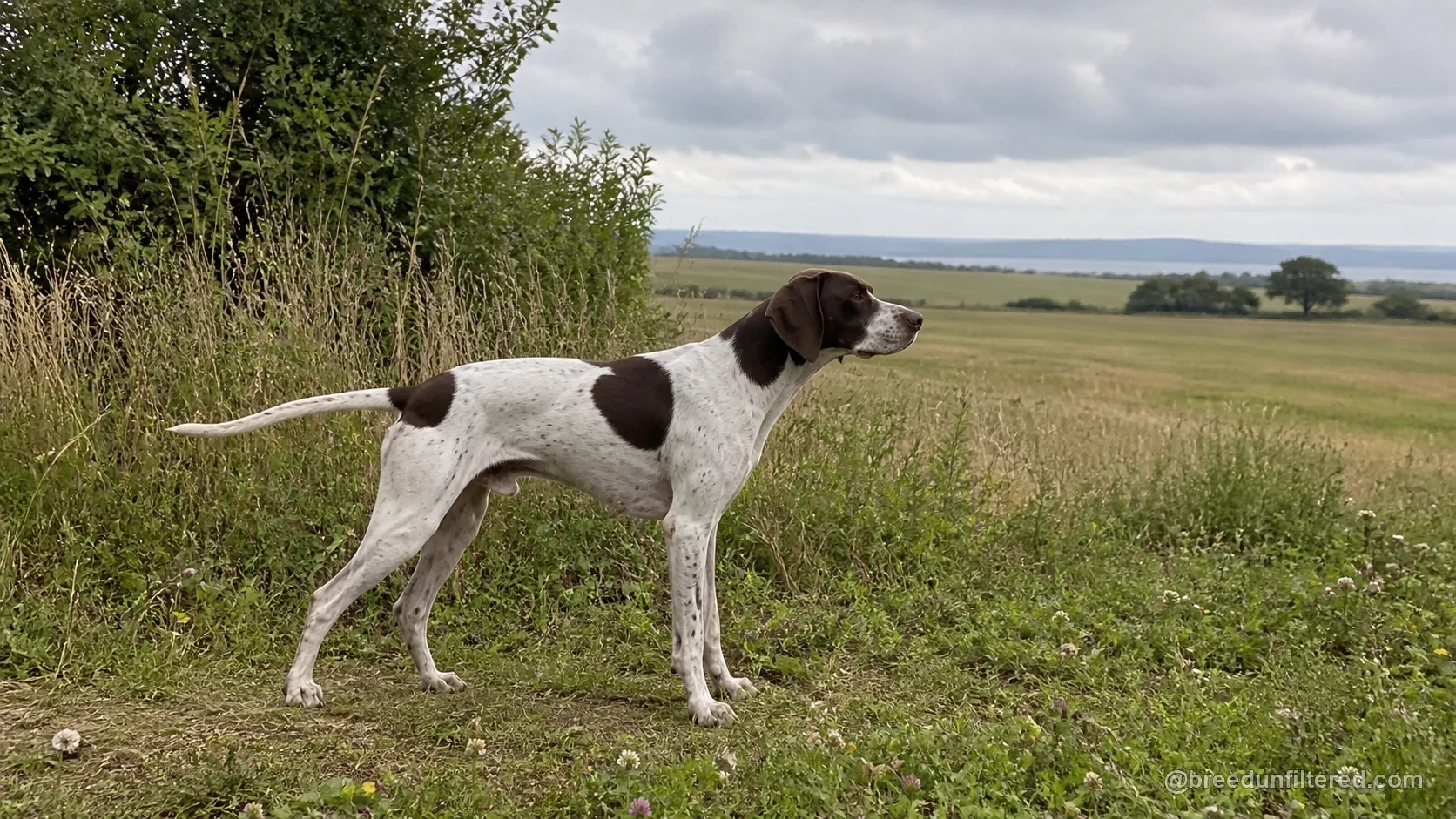
The Old Danish Pointing Dog, known in its homeland as the Gammel Dansk Hønsehund, is a breed with deep roots in Scandinavian hunting tradition. Developed in the 18th century by a Danish forester named Morten Bak, this versatile gundog was bred to locate and point game with remarkable precision and a calm, methodical style. Today, it remains a prized working partner for hunters, yet its even-tempered and affectionate nature also appeals to those seeking a devoted family companion.
Despite its name, the Old Danish Pointing Dog is not a high-energy, frantic hunter. Instead, it is known for its steady, deliberate approach in the field and its relaxed demeanor at home. This breed thrives on close human companionship and is often described as a 'one-family dog' that forms deep bonds. However, its moderate exercise needs and independent streak mean it is not suited to every household. Understanding the breed's unique blend of hunting instinct and calm companionship is essential for any prospective owner.
Origin and Purpose
The Old Danish Pointing Dog originated in Denmark in the early 18th century, credited to Morten Bak, a forester from Glenstrup. He crossed local farm dogs with various pointing breeds, including the Spanish Pointer and perhaps the Bloodhound, to create a dog that could work slowly and methodically in the dense Scandinavian terrain. The goal was a dog that would quarter close, point reliably, and retrieve game with a soft mouth, all while being hardy enough to handle cold weather.
The breed was officially recognized by the FCI in 1963, and today it remains a rare breed, primarily found in Denmark and other Scandinavian countries. Its purpose has always been practical: a versatile hunting companion for the lone hunter. This heritage shapes its temperament, as it was bred to work in partnership with a single handler, not to be a kennel dog. Consequently, the Old Danish Pointing Dog is deeply loyal and thrives on being an integral part of the family unit.
Temperament and Variation
The Old Danish Pointing Dog is known for its calm, gentle, and even-tempered nature. It is typically reserved with strangers but affectionate and devoted to its family. This breed is not prone to excessive barking or nervous energy, making it a pleasant companion in the home. However, individual temperament can vary, and early socialization is crucial to ensure a well-rounded adult dog. Some lines may be more energetic or more independent, so meeting the parents and understanding their temperaments can be helpful.
While the breed standard describes a dog that is 'not aggressive' and 'not shy,' there is natural variation. Some individuals may be more outgoing, while others are more aloof. The breed's hunting instinct is strong, and this can manifest as a focused, determined attitude when following a scent. Yet, in the house, they often prefer to lounge near their owners, enjoying a quiet evening. This duality of calm at home and intensity in the field is a hallmark of the breed.
Exercise and Mental Work
The Old Danish Pointing Dog has moderate exercise needs compared to many other sporting breeds. A daily walk or jog, combined with opportunities to run off-leash in a safe area, is generally sufficient to keep them physically satisfied. However, they are not couch potatoes; they need regular activity to prevent boredom and maintain a healthy weight. Because they are hunting dogs, they particularly enjoy activities that engage their nose, such as scent trails or nose work games.
Mental stimulation is just as important as physical exercise. This intelligent breed thrives when given a job to do, whether that is participating in dog sports like rally or obedience, or simply playing puzzle games at home. Without adequate mental engagement, they may become restless and develop undesirable behaviors like digging or chewing. A well-exercised and mentally challenged Old Danish Pointing Dog is a calm and content companion.
Training and Socialisation
Training an Old Danish Pointing Dog requires patience and consistency. This breed is intelligent but can be somewhat independent, so a firm yet gentle approach works best. Positive reinforcement methods, such as treats and praise, are highly effective, while harsh corrections can damage their sensitive nature. Early socialization is essential to help them become confident and well-mannered around other dogs and people. Exposing them to various environments, sounds, and experiences during puppyhood will help prevent timidity or over-reactivity.
Because they were bred to work closely with a handler, they are generally eager to please and respond well to training. However, they may have a stubborn streak, so short, engaging sessions are more productive than long, repetitive ones. Consistency is key, and involving the whole family in training ensures that the dog learns to respect all members. With proper training, the Old Danish Pointing Dog can excel in obedience and even in competitive events, but the primary goal should be a well-adjusted companion.
Family and Other Pets
The Old Danish Pointing Dog is typically excellent with children, especially when raised with them. Its gentle and patient nature makes it a good playmate, though supervision is always recommended with young children to ensure both the dog and child are safe. This breed forms strong bonds with all family members and prefers to be included in family activities. They are not suited to being left alone for long periods, as they can become anxious and destructive.
When it comes to other pets, the Old Danish Pointing Dog's hunting instinct can be a challenge. They may view small animals, such as cats or rabbits, as prey, especially if not socialized with them from a young age. However, with careful introduction and training, some individuals can live peacefully with cats. They generally get along well with other dogs, particularly if they are socialized early. As with any breed, individual temperament varies, so it is important to assess each situation carefully.
Grooming and Health
Grooming the Old Danish Pointing Dog is relatively low-maintenance. They have a short, dense coat that sheds moderately, so weekly brushing with a rubber curry or bristle brush will help remove loose hair and keep the coat healthy. They only need occasional baths, and regular ear cleaning is important to prevent infections, especially after swimming or hunting in brush. Nail trimming and dental care should be part of the routine.
As a breed, the Old Danish Pointing Dog is generally healthy, but like all purebreds, they can be prone to certain conditions. Hip dysplasia and elbow dysplasia are seen in some lines, and eye issues such as progressive retinal atrophy (PRA) have been reported. Responsible breeders screen their breeding stock for these conditions. Regular veterinary check-ups, a balanced diet, and appropriate exercise can help maintain overall health. Prospective owners should ask breeders about health testing and the longevity of the lines.
Costs and Responsibility
Owning an Old Danish Pointing Dog involves significant financial and time commitments. The initial cost of a puppy from a reputable breeder can be substantial, reflecting the rarity of the breed and the health testing involved. Ongoing expenses include high-quality food, routine veterinary care, vaccinations, and preventive medications. Additionally, because this breed thrives on human interaction, owners must be prepared to invest time in daily exercise, training, and companionship. They are not a breed that can be left alone for long hours.
Responsible ownership also means ensuring the dog's physical and mental needs are met throughout its life, which can be 10 to 12 years. This includes providing a safe, fenced yard for off-leash play and being prepared for the hunting instinct that may lead them to chase wildlife. Prospective owners should research the breed thoroughly, talk to breeders and owners, and consider whether their lifestyle can accommodate a dog that wants to be by their side. The rewards of owning an Old Danish Pointing Dog are great, but they come with a serious commitment.
Clear answers
FREQUENTLY ASKED QUESTIONS
Is the Old Danish Pointing Dog good with children?
Yes, the Old Danish Pointing Dog is generally good with children, especially when raised with them. They are known for their gentle and patient nature, making them suitable playmates. However, as with any breed, supervision is recommended with very young children to prevent accidental injury. Early socialization and training help ensure a positive relationship between the dog and children.
How much exercise does an Old Danish Pointing Dog need?
The Old Danish Pointing Dog has moderate exercise needs. They require daily walks or jogs, and they enjoy off-leash running in a secure area. They also benefit from mental stimulation such as scent games or puzzle toys. While they are not as high-energy as some other sporting breeds, they still need regular activity to stay happy and healthy. Without enough exercise, they may become bored and develop behavioral issues.
Are Old Danish Pointing Dogs easy to train?
Old Danish Pointing Dogs are intelligent and generally eager to please, but they can have an independent streak. Training should be consistent, patient, and based on positive reinforcement. Harsh methods are counterproductive. Early socialization and obedience training are essential. With the right approach, they can excel in various dog sports and make well-mannered companions.
Do Old Danish Pointing Dogs get along with other pets?
Their compatibility with other pets depends on early socialization and individual temperament. They have a strong prey drive, so they may chase small animals like cats or rabbits. However, if raised with cats from puppyhood, some can live peacefully. They generally get along with other dogs, especially if socialized. Always introduce new pets carefully and monitor interactions.
What are the grooming requirements for an Old Danish Pointing Dog?
Grooming is relatively low-maintenance. They have a short, dense coat that sheds moderately, so weekly brushing is recommended to remove loose hair. They need occasional baths, regular ear cleaning to prevent infections, and routine nail trimming. Dental care is also important. Overall, they are an easy breed to groom compared to many others.
Sources and further reading
Scores describe typical breed tendencies from 1 to 10. They are not a quality ranking or a prediction for an individual dog.
Size and presence6/10
CompactVery large
Physical strength5/10
LightExceptional
Energy level9/10
LowRelentless
Exercise demand10/10
ModestVery demanding
Mental work needed8/10
ModerateDaily job
Trainability8/10
ChallengingExceptional
Everyday manageability3/10
SpecialistStraightforward
First-time owner fit5/10
Poor fitGood fit
Family-life fit8/10
LimitedExcellent
Dog sociability8/10
SelectiveVery social
Prey drive10/10
LowVery high
Guarding tendency3/10
MinimalSerious
Independence6/10
Handler-focusedSelf-directed
Grooming demand4/10
LightHeavy
Apartment fit5/10
Poor fitGood fit