Complete breed guide
French Water Dog OWNERSHIP GUIDE
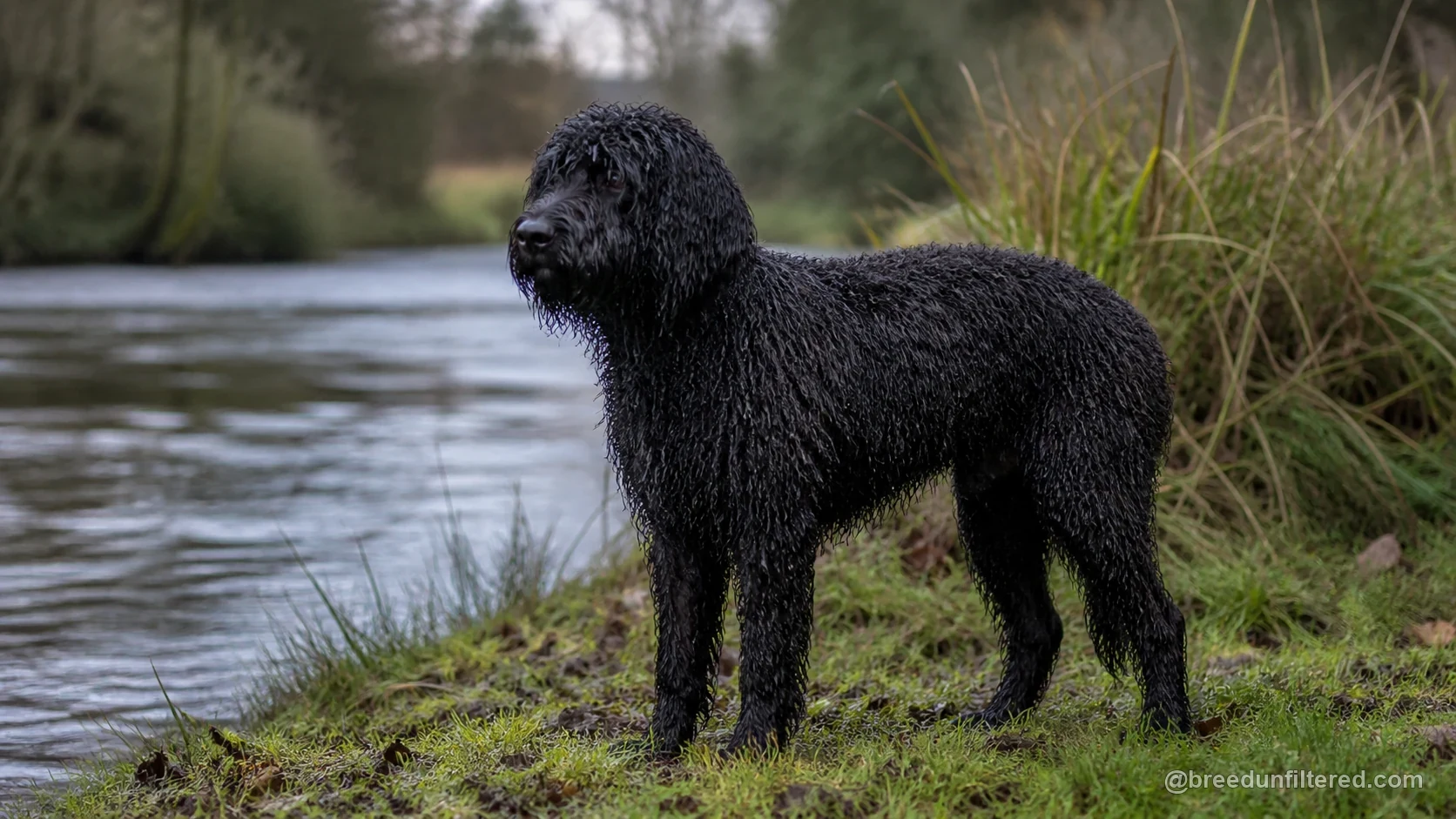
The French Water Dog, also known as the Barbet, is a rustic, woolly-coated gundog with deep roots in French waterfowl hunting. Recognized by the Fédération Cynologique Internationale (FCI) under standard number 105, this breed has historically worked alongside hunters, retrieving game from cold ponds and marshes. Its name derives from the French word 'barbe,' meaning beard, a nod to its characteristic facial furnishings. Today, the Barbet is cherished as a versatile companion, but its working heritage still shapes its needs and temperament.
Prospective owners should understand that the French Water Dog is not a low-maintenance couch potato. It is an intelligent, sociable, and energetic breed that thrives on human interaction and purposeful activity. While individual dogs vary, the breed generally requires consistent training, ample exercise, and dedicated grooming. This article provides an evidence-conscious overview of the breed's origin, temperament, care requirements, and practical considerations to help you decide if a Barbet is the right fit for your lifestyle.
Origin and Purpose
The Barbet is an ancient French breed, with references dating back to the 14th century. It was developed as a water retriever, prized for its ability to work in harsh aquatic environments. The breed's dense, curly coat provides insulation and protection, while its webbed feet aid in swimming. Historically, the Barbet was used for hunting waterfowl, and it is considered an ancestor of several modern breeds, including the Poodle and the Briard. The FCI classifies the Barbet in Group 8, Retrievers, Flushing Dogs, and Water Dogs, reflecting its traditional role.
Despite its long history, the Barbet nearly faced extinction after the World Wars, but dedicated breeders worked to revive the population. Today, the breed remains relatively rare, especially outside of France. The official FCI standard describes a medium-sized, balanced dog with a distinctive woolly coat and a gentle expression. Understanding this heritage is crucial for prospective owners, as it explains the breed's strong retrieving instincts, love of water, and need for mental and physical stimulation.
Temperament and Variation
The French Water Dog is generally described as sociable, affectionate, and eager to please. It forms strong bonds with its family and often enjoys being involved in daily activities. The breed is known for its playful and sometimes clownish demeanor, which can bring joy to a household. However, individual temperaments can vary based on genetics, socialization, and training. Some Barbets may be more reserved with strangers, while others are outgoing. Early and ongoing socialization is essential to help them develop into well-rounded adults.
As a working breed, the Barbet is intelligent and responsive, but it can also be sensitive. Harsh training methods are counterproductive; positive reinforcement works best. The breed tends to be adaptable, but it does not do well when left alone for long periods. Separation anxiety can develop if the dog is not gradually accustomed to solitude. Prospective owners should be prepared to provide companionship and mental engagement to prevent behavioral issues.
Exercise and Mental Work
The French Water Dog is an energetic breed that requires regular physical activity to stay healthy and content. Daily walks, play sessions, and opportunities to swim are often appreciated. Because of its retrieving background, games like fetch can be particularly rewarding. However, exercise needs can vary with age, health, and individual energy levels. It is important to tailor activity to the dog's condition and avoid overexertion, especially in hot weather, as the thick coat can cause overheating.
Mental stimulation is equally important for this intelligent breed. Puzzle toys, nose work, and obedience training can help keep the Barbet's mind sharp. Without adequate mental and physical outlets, the breed may develop destructive behaviors such as chewing or digging. Engaging in dog sports like agility, rally, or dock diving can be excellent ways to channel its energy. Prospective owners should be ready to commit time each day to both exercise and mental enrichment.
Training and Socialisation
Training a French Water Dog can be a rewarding experience due to its intelligence and willingness to work. The breed responds well to positive reinforcement techniques, including treats, praise, and play. Consistency and patience are key. Early socialization is crucial to expose the dog to various people, animals, and environments. This helps prevent shyness or fearfulness later in life. Puppy classes and supervised interactions with other dogs can be beneficial.
While the Barbet is generally eager to please, it can also be independent at times. Owners should establish clear boundaries and use gentle, firm guidance. Harsh corrections are not recommended and can damage the trust between dog and owner. The breed's retrieving instinct can be channeled into training exercises, making learning fun. With proper training, the Barbet can excel in obedience and become a well-mannered companion.
Family and Other Pets
The French Water Dog is often a good fit for families, as it tends to be affectionate and playful with children. Its sturdy build allows it to handle rough play, but supervision is always recommended, especially with younger children. The breed's sociable nature usually extends to other dogs, and many Barbets enjoy the company of canine companions. However, early socialization is important to ensure positive interactions.
Regarding other pets, the Barbet's hunting background may trigger a prey drive, particularly toward small animals like birds or rodents. With proper introduction and training, some Barbets can coexist with cats, but individual results vary. It is essential to monitor interactions and provide a safe environment. Prospective owners with small pets should be cautious and seek guidance from breeders or trainers experienced with the breed.
Grooming and Health
The Barbet's coat is one of its most distinctive features, but it requires significant grooming. The dense, curly hair can mat easily if not brushed regularly. Many owners opt for professional grooming every few months to keep the coat manageable. Regular brushing, at least a few times a week, is necessary to prevent tangles and remove debris. The coat also tends to trap water, so thorough drying after swimming is important to prevent skin issues.
As with many purebred dogs, the French Water Dog may be predisposed to certain health conditions, including hip dysplasia, eye disorders, and ear infections. Responsible breeders screen their breeding stock for these issues. Prospective owners should ask for health clearances and be prepared for potential veterinary costs. The breed's floppy ears require regular cleaning to prevent infections. Overall, the Barbet is generally a hardy breed, but proactive health care is essential.
Costs and Responsibility
Owning a French Water Dog involves significant financial and time commitments. Initial costs include the purchase price from a reputable breeder, which can be substantial due to the breed's rarity. Additionally, expenses for food, grooming, veterinary care, and supplies add up over the dog's lifetime. Grooming costs can be higher than average due to the coat's needs. Prospective owners should budget for routine care and unexpected medical emergencies.
Beyond finances, the breed requires a considerable time investment for exercise, training, and companionship. The Barbet is not suited for a lifestyle that involves long absences. It thrives in an environment where it can be part of the family. Adopting a dog is a long-term commitment, and the Barbet can live 12 to 14 years or more. Prospective owners should honestly assess their ability to meet these responsibilities before bringing a French Water Dog into their home.
Clear answers
FREQUENTLY ASKED QUESTIONS
Are French Water Dogs good with children?
French Water Dogs are generally sociable and playful, which can make them good companions for children. However, as with any breed, supervision is essential, especially with younger kids. Early socialization and training help ensure positive interactions. Individual temperament varies, so it's important to meet the dog's parents and discuss with the breeder.
How much exercise does a French Water Dog need?
The French Water Dog is an energetic breed that benefits from daily exercise, including walks, playtime, and opportunities to swim. The exact amount varies with age and health, but most need at least an hour of activity each day. Mental stimulation is equally important to prevent boredom and destructive behaviors.
Is the French Water Dog easy to train?
The breed is intelligent and eager to please, making training relatively straightforward with positive reinforcement methods. However, they can be sensitive and independent at times, so consistency and patience are key. Harsh training methods are not recommended. Early socialization and obedience classes are beneficial.
What are the grooming requirements for a French Water Dog?
The Barbet's curly coat requires regular brushing, at least several times a week, to prevent mats and tangles. Professional grooming every few months is often recommended. The coat also needs thorough drying after swimming to avoid skin issues. Regular ear cleaning is important to prevent infections.
Do French Water Dogs get along with other pets?
French Water Dogs often get along well with other dogs, especially if socialized early. However, due to their hunting background, they may have a prey drive toward small animals like birds or rodents. With proper introduction and training, some can live with cats, but individual results vary. Supervision is advised.
Sources and further reading
Scores describe typical breed tendencies from 1 to 10. They are not a quality ranking or a prediction for an individual dog.
Size and presence6/10
CompactVery large
Physical strength6/10
LightExceptional
Energy level8/10
LowRelentless
Exercise demand8/10
ModestVery demanding
Mental work needed8/10
ModerateDaily job
Trainability9/10
ChallengingExceptional
Everyday manageability7/10
SpecialistStraightforward
First-time owner fit6/10
Poor fitGood fit
Family-life fit9/10
LimitedExcellent
Dog sociability8/10
SelectiveVery social
Prey drive7/10
LowVery high
Guarding tendency3/10
MinimalSerious
Independence4/10
Handler-focusedSelf-directed
Grooming demand9/10
LightHeavy
Apartment fit5/10
Poor fitGood fit