Complete breed guide
Fox Terrier (Wire) OWNERSHIP GUIDE
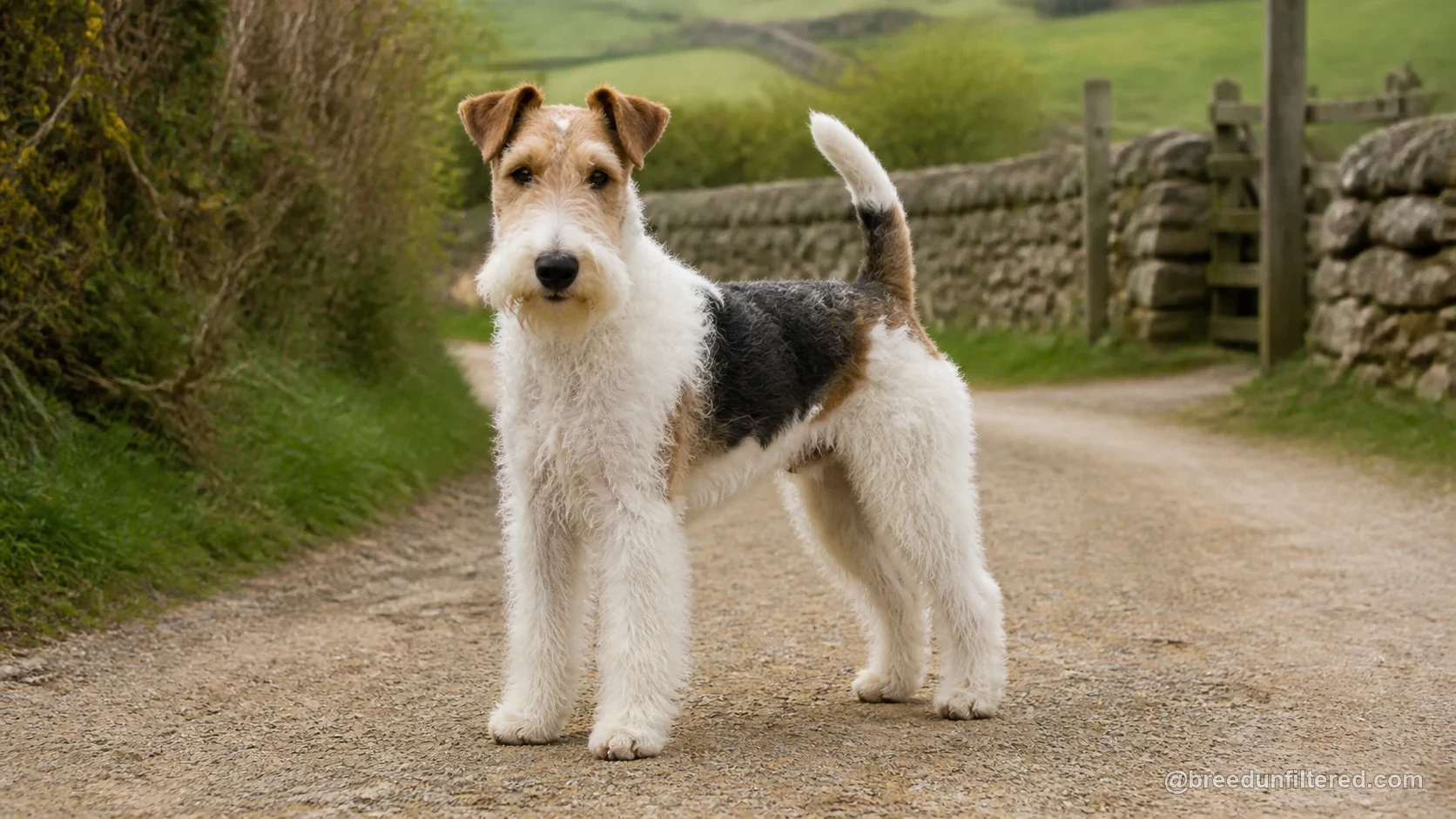
The Wire Fox Terrier, a breed with a rich heritage in the British Isles, is a study in contrasts: a compact, elegant hunter with a bold, energetic personality. Recognized by the FCI under standard number 169, this terrier was developed to work alongside foxhounds, fearlessly going to ground to flush out foxes. Today, it is equally at home in the show ring and the family home, provided its considerable physical and mental needs are met.
Prospective owners should be prepared for a dog that is intelligent, spirited, and often described as having a 'terrier' temperament—independent, determined, and always ready for action. The Wire Fox Terrier is not a lapdog, but for the right household, it offers unwavering loyalty, a playful nature, and a distinctive, wiry coat that adds to its charm. This guide explores the breed's origins, care requirements, and the realities of living with this vivacious companion.
Origin and Purpose
The Wire Fox Terrier originated in England in the 19th century, bred to assist in fox hunting. Unlike the smooth-coated variety, the wire coat provided better protection against brambles and weather. These dogs were expected to work independently, chasing foxes from their dens, and their courage and tenacity were highly valued. The breed was officially recognized by the Kennel Club in the late 1800s, and the FCI standard was established later, reflecting its enduring appeal.
Today, the Wire Fox Terrier's hunting instincts remain strong, but its role has evolved. Many are beloved companions and successful participants in dog sports like agility and earthdog trials. Understanding this heritage is crucial for owners, as it explains the breed's high prey drive, love of digging, and need for mental stimulation. A well-exercised and mentally engaged Wire Fox Terrier is a joy, but one that is bored can become destructive.
Temperament and Variation
Wire Fox Terriers are known for their lively, alert, and friendly disposition. They are typically bold and confident, often displaying a 'big dog' attitude in a small package. While they are affectionate with their families, they can be reserved with strangers and may be quick to bark, making them decent watchdogs. However, their temperament can vary: some are more easygoing, while others are intensely driven and stubborn.
It is important to note that individual temperament is influenced by genetics, socialization, and training. Early and consistent exposure to different people, places, and situations is essential to help a Wire Fox Terrier develop into a well-rounded adult. They are not typically aggressive, but their terrier tenacity means they may not back down from a challenge. Prospective owners should be prepared for a dog that is both charming and willful.
Exercise and Mental Work
The Wire Fox Terrier is an energetic breed that requires regular physical activity to stay healthy and happy. Daily walks, play sessions, and opportunities to run in a securely fenced area are important. However, exercise alone is not enough; these intelligent dogs need mental challenges to prevent boredom. Puzzle toys, nose work, and training sessions that engage their problem-solving skills can be highly beneficial.
Because of their hunting background, they have a strong prey drive and may chase small animals if given the chance. Therefore, leash walking in unfenced areas is recommended. Activities like agility, obedience, and earthdog trials can provide both physical and mental outlets, strengthening the bond between dog and owner. Without adequate exercise and mental stimulation, a Wire Fox Terrier may resort to excessive barking, digging, or other undesirable behaviors.
Training and Socialisation
Training a Wire Fox Terrier requires patience, consistency, and a sense of humor. They are intelligent but can be independent and stubborn, so traditional 'dominance' methods are counterproductive. Positive reinforcement techniques, using treats, praise, and play, work best. Early socialization is critical to help them get along with other dogs and people, as they can be feisty with unfamiliar canines.
Obedience training should begin early and be maintained throughout the dog's life. These terriers respond well to short, varied sessions that keep their interest. Crate training can also be helpful, providing a safe space and aiding in housebreaking. Owners should be aware that Wire Fox Terriers may try to test boundaries, so a firm but gentle approach is necessary. With the right training, they can excel in various canine activities.
Family and Other Pets
Wire Fox Terriers can make wonderful family pets for households that understand their needs. They are generally good with children, especially when raised with them, and they enjoy being part of family activities. However, their boisterous nature may be too much for very young children, and they may not tolerate rough handling. Supervision and teaching children how to interact respectfully with dogs are essential.
When it comes to other pets, the Wire Fox Terrier's prey drive can be a challenge. They may not be reliable with small animals like rabbits, guinea pigs, or even cats, especially if not raised with them. They can get along with other dogs, but may be assertive and prefer same-sex or opposite-sex companions depending on the individual. Early socialization and careful introductions can improve compatibility, but there are no guarantees.
Grooming and Health
The Wire Fox Terrier's wiry coat requires regular grooming to maintain its texture and appearance. Hand-stripping, a process of pulling out dead hair, is the traditional method and helps preserve the coat's color and stiffness. Alternatively, some owners opt for clipping, which is easier but can soften the coat over time. Weekly brushing, regular ear cleaning, and nail trimming are also part of the routine.
As with many purebred dogs, Wire Fox Terriers may be prone to certain health conditions, including patellar luxation, Legg-Calve-Perthes disease, and some eye disorders. Reputable breeders screen for these issues, but prospective owners should be aware of potential health costs. Regular veterinary check-ups, a balanced diet, and appropriate exercise can help maintain overall health. It is also important to note that the breed's lifespan is typically 12-15 years.
Costs and Responsibility
Owning a Wire Fox Terrier involves significant financial and time commitments. Initial costs include the purchase price from a responsible breeder, which can vary, as well as supplies like a crate, bedding, and grooming tools. Ongoing expenses include high-quality food, routine veterinary care, vaccinations, and preventive medications. Grooming costs can add up if you use professional services, and pet insurance is worth considering.
Beyond finances, responsible ownership means providing adequate exercise, mental stimulation, and training throughout the dog's life. This breed is not suitable for a sedentary lifestyle or for owners who are away from home for long periods. They thrive in an active household where they can be included in daily activities. Prospective owners should honestly assess their ability to meet these needs before acquiring a Wire Fox Terrier.
Clear answers
FREQUENTLY ASKED QUESTIONS
Are Wire Fox Terriers good with children?
Wire Fox Terriers can be good with children, especially if they are raised together and the children are taught to interact respectfully. However, their energetic and sometimes boisterous nature may be overwhelming for very young kids. Supervision is recommended to ensure safe interactions, and it's important to teach children how to approach and handle the dog gently.
How much exercise does a Wire Fox Terrier need?
Wire Fox Terriers are energetic and need daily exercise, including walks and playtime in a secure area. They also require mental stimulation to prevent boredom. While the exact amount varies by individual, a general guideline is at least an hour of activity per day, split into sessions. Activities like agility or nose work can help meet their needs.
Are Wire Fox Terriers easy to train?
Wire Fox Terriers are intelligent but can be stubborn and independent, which can make training challenging. They respond best to positive reinforcement methods, such as treats and praise, and short, varied training sessions. Consistency and patience are key. Early socialization and obedience training are essential to manage their strong-willed nature.
Do Wire Fox Terriers get along with other pets?
Wire Fox Terriers have a strong prey drive, so they may not be reliable with small animals like rabbits or hamsters. They can get along with cats if raised with them, but it's not guaranteed. With other dogs, they can be assertive and may not tolerate same-sex rivals. Early socialization and careful introductions can help, but supervision is always advised.
What are the grooming requirements for a Wire Fox Terrier?
The Wire Fox Terrier's coat requires regular grooming. Hand-stripping is recommended to maintain the coat's texture, but clipping is an easier alternative. Weekly brushing, ear cleaning, and nail trimming are necessary. Professional grooming may be needed every few months. This breed is considered moderate to high maintenance in terms of grooming.
Sources and further reading
Scores describe typical breed tendencies from 1 to 10. They are not a quality ranking or a prediction for an individual dog.
Size and presence4/10
CompactVery large
Physical strength5/10
LightExceptional
Energy level8/10
LowRelentless
Exercise demand8/10
ModestVery demanding
Mental work needed8/10
ModerateDaily job
Trainability5/10
ChallengingExceptional
Everyday manageability3/10
SpecialistStraightforward
First-time owner fit4/10
Poor fitGood fit
Family-life fit6/10
LimitedExcellent
Dog sociability4/10
SelectiveVery social
Prey drive10/10
LowVery high
Guarding tendency4/10
MinimalSerious
Independence9/10
Handler-focusedSelf-directed
Grooming demand6/10
LightHeavy
Apartment fit5/10
Poor fitGood fit