Complete breed guide
Entlebuch Cattle Dog OWNERSHIP GUIDE
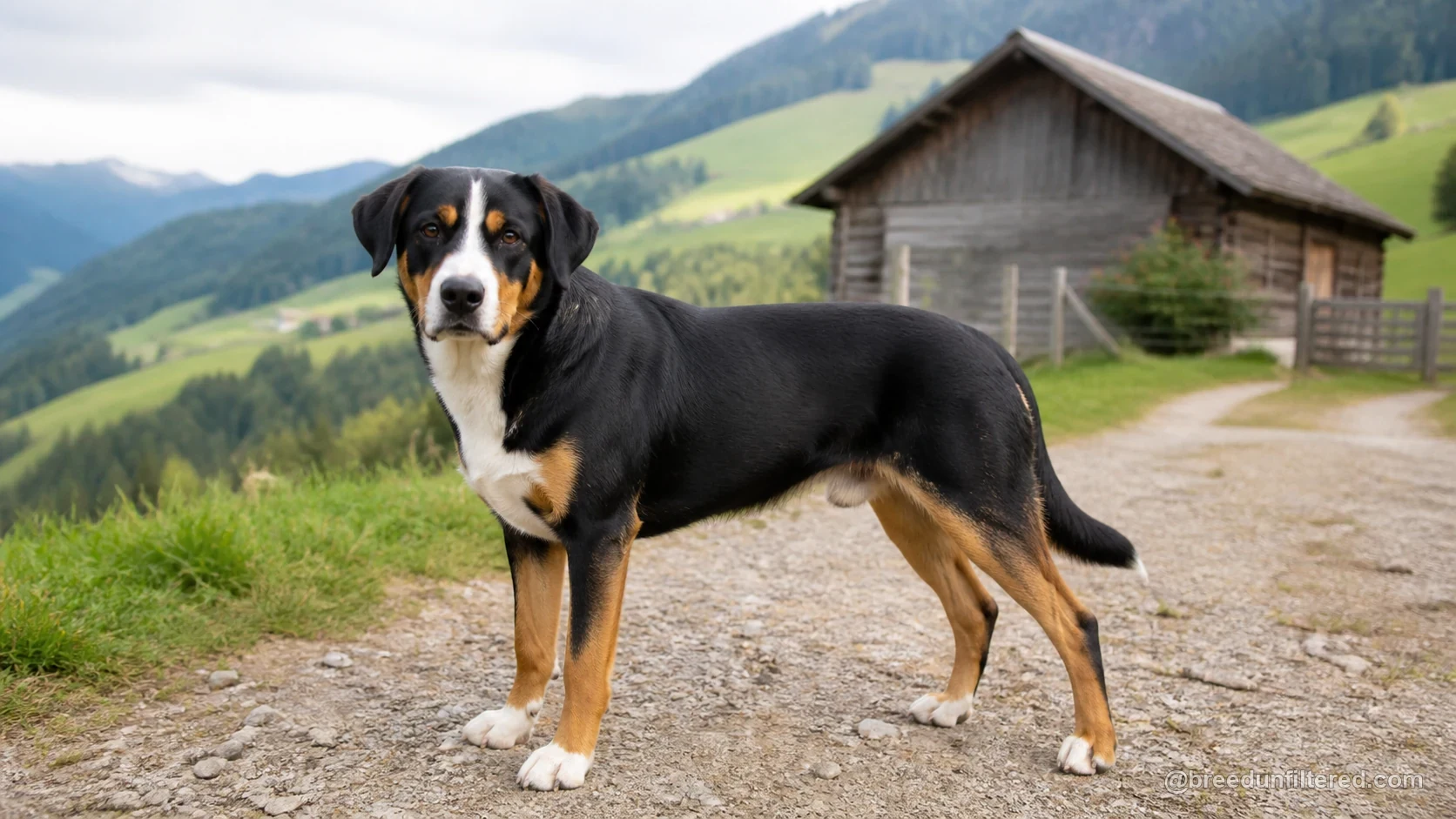
The Entlebuch Cattle Dog, also known as the Entlebucher Sennenhund, is the smallest of the four Swiss mountain dogs, yet it packs a considerable amount of energy and intelligence into its sturdy frame. Originating from the Entlebuch region of Switzerland, this breed was historically used to drive cattle, a task that required agility, endurance, and a strong work ethic. Today, the Entlebuch remains a versatile working dog, equally capable of participating in dog sports or serving as a loyal companion for an active household.
Prospective owners should be prepared for a dog that is both affectionate and demanding. The Entlebuch thrives on human interaction and mental challenges, and it is not a breed suited to a sedentary lifestyle. While its compact size might suggest an easy apartment dog, its energy levels and herding instincts require ample exercise and structured activities. This article provides a comprehensive overview of the breed, covering its history, temperament, care needs, and the responsibilities that come with owning an Entlebuch Cattle Dog.
Origin and Purpose
The Entlebuch Cattle Dog is one of the four Swiss Sennenhund breeds, which include the Greater Swiss Mountain Dog, the Bernese Mountain Dog, and the Appenzeller Sennenhund. Its name derives from the Entlebuch valley in central Switzerland, where it was developed as a herding dog for cattle. The breed's history is intertwined with the transhumance practices of Swiss farmers, who needed a dog capable of moving cattle over rugged terrain and guarding them from predators.
The Entlebuch was officially recognized as a distinct breed in the early 20th century, with the first standard written in 1927. Despite its long history, the breed remains relatively rare outside of Switzerland. Its working heritage is still evident in its strong herding instincts, agility, and endurance. The FCI classifies it under Group 2 (Pinscher and Schnauzer – Molossoid and Swiss Mountain and Cattledogs), and the current standard is available from the FCI.
Temperament and Variation
The Entlebuch Cattle Dog is known for its lively, alert, and confident temperament. It is a breed that forms strong bonds with its family and is often described as a 'velcro dog' due to its desire to be involved in all activities. This loyalty can translate into a protective nature, making it an effective watchdog. However, the breed's herding instincts may lead it to try to 'herd' children or other pets, which requires management and training.
Individual temperament can vary, but the breed generally exhibits a high level of intelligence and a willingness to work. Some Entlebuchs may be more reserved with strangers, while others are more outgoing. Early socialisation is crucial to ensure that these tendencies are channeled appropriately. The breed is not typically aggressive, but its guarding instincts mean it will alert its family to unusual occurrences. Prospective owners should be prepared for a dog that is both affectionate and independent, capable of making decisions on its own when necessary.
Exercise and Mental Work
The Entlebuch Cattle Dog is a high-energy breed that requires substantial daily exercise to remain physically and mentally healthy. A simple walk around the block is insufficient; this dog needs opportunities to run, play, and engage in activities that challenge its mind. Activities such as hiking, jogging, or participating in dog sports like agility, obedience, or herding trials can help meet these needs. Without adequate exercise, the breed may develop behavioral issues such as excessive barking or destructive chewing.
Mental stimulation is equally important. The Entlebuch is a working dog that thrives on having a job to do. Puzzle toys, scent work, and training sessions that require problem-solving can help satisfy its intellectual needs. Owners should be prepared to dedicate time each day to both physical and mental activities. The breed's herding background means it may also enjoy activities that involve chasing or controlling movement, but these should be managed to prevent obsessive behaviors.
Training and Socialisation
Training an Entlebuch Cattle Dog requires a consistent, patient, and positive approach. The breed is intelligent and eager to please, but it can also be stubborn and independent. Harsh training methods are counterproductive and can damage the trust between dog and owner. Instead, using reward-based techniques, such as treats and praise, tends to yield the best results. Early training should focus on basic obedience and impulse control, as the breed's herding instincts can lead to nipping or chasing behaviors if not properly managed.
Socialisation is a critical component of raising a well-adjusted Entlebuch. Exposing the dog to a variety of people, animals, environments, and situations from a young age helps prevent fearfulness or aggression. Puppy classes and regular outings can be beneficial. The breed's natural wariness of strangers should be managed through positive experiences, ensuring that it learns to discriminate between normal and threatening situations. With proper socialisation, the Entlebuch can be a reliable and sociable companion.
Family and Other Pets
The Entlebuch Cattle Dog can make a wonderful family dog for active households. It is generally affectionate with its family members and often forms a particularly strong bond with one person. However, its herding instincts may cause it to chase or nip at children, especially if they are running or playing. Supervision and training are essential to teach the dog appropriate behavior around kids. The breed is not recommended for families with very young children unless the dog is well-trained and the interactions are closely monitored.
With other pets, the Entlebuch's compatibility varies. It may get along well with other dogs, especially if raised together, but its herding drive can be problematic with cats or small animals. Early socialisation and training can help mitigate these issues, but owners should be aware that the breed's prey drive may be triggered by fast-moving small creatures. As with any dog, introductions should be gradual and supervised. The Entlebuch's protective nature also means it may be wary of unfamiliar animals, so consistent socialisation is key.
Grooming and Health
The Entlebuch Cattle Dog has a short, dense double coat that is relatively low-maintenance. Weekly brushing is usually sufficient to remove loose hair and keep the coat healthy, with more frequent brushing during seasonal shedding periods. The breed is a moderate shedder, and regular grooming can help keep hair accumulation in the home under control. Other grooming needs include regular nail trimming, ear cleaning, and dental care, which are standard for most breeds.
As with many purebred dogs, the Entlebuch may be predisposed to certain health conditions, though responsible breeding practices can reduce risks. Some health concerns that have been reported in the breed include hip dysplasia, progressive retinal atrophy, and other hereditary conditions. Prospective owners should seek breeders who conduct appropriate health screenings and provide documentation. Regular veterinary check-ups and a balanced diet are important for maintaining overall health. It is also advisable to be aware of the breed's potential for weight gain if exercise is insufficient.
Costs and Responsibility
Owning an Entlebuch Cattle Dog involves significant financial and time commitments. Initial costs include the purchase price from a reputable breeder, which can be substantial due to the breed's rarity. Additionally, owners must budget for food, veterinary care, grooming supplies, training classes, and pet insurance. The breed's high energy levels mean that owners must also invest time in daily exercise and mental stimulation, which can be a considerable commitment for those with busy schedules.
Responsible ownership also entails providing proper training, socialisation, and a safe environment. The Entlebuch is not a breed that can be left alone for long periods; it thrives on human interaction and may develop separation anxiety if neglected. Prospective owners should honestly assess their lifestyle and ability to meet the breed's needs. Adopting from a rescue or breed-specific organization is another option, though availability may be limited. Ultimately, the decision to bring an Entlebuch into one's home should be made with careful consideration of the long-term commitment involved.
Clear answers
FREQUENTLY ASKED QUESTIONS
Is the Entlebuch Cattle Dog a good family dog?
The Entlebuch can be a good family dog for active households, as it is affectionate and loyal. However, its herding instincts may lead it to chase or nip at children, so supervision and training are essential. It is not recommended for families with very young children unless the dog is well-trained and interactions are closely monitored. Early socialisation and consistent training can help the breed adapt to family life.
How much exercise does an Entlebuch Cattle Dog need?
The Entlebuch is a high-energy breed that requires substantial daily exercise, including opportunities to run and play. A simple walk is not enough; activities like hiking, jogging, or dog sports are beneficial. Mental stimulation is equally important, as the breed thrives on having a job to do. Without adequate exercise and mental challenges, the dog may develop behavioral issues.
Are Entlebuch Cattle Dogs good with other pets?
Entlebuchs may get along with other dogs, especially if raised together, but their herding drive can be problematic with cats or small animals. Early socialisation and training can help mitigate these issues, but owners should be aware of the breed's prey drive. Introductions should be gradual and supervised to ensure safety and harmony in the household.
What are common health issues in Entlebuch Cattle Dogs?
As with many purebreds, the Entlebuch may be predisposed to certain health conditions, including hip dysplasia and progressive retinal atrophy. Responsible breeders conduct health screenings to reduce risks. Regular veterinary check-ups and a balanced diet are important. Prospective owners should ask breeders for health clearances and documentation.
Is the Entlebuch Cattle Dog easy to train?
The Entlebuch is intelligent and eager to please, but it can also be stubborn and independent. Training requires consistency, patience, and positive reinforcement methods. Harsh techniques are counterproductive. Early training and socialisation are crucial to manage herding instincts and ensure a well-behaved companion. With the right approach, the breed can excel in obedience and dog sports.
Sources and further reading
Scores describe typical breed tendencies from 1 to 10. They are not a quality ranking or a prediction for an individual dog.
Size and presence8/10
CompactVery large
Physical strength8/10
LightExceptional
Energy level7/10
LowRelentless
Exercise demand8/10
ModestVery demanding
Mental work needed7/10
ModerateDaily job
Trainability7/10
ChallengingExceptional
Everyday manageability3/10
SpecialistStraightforward
First-time owner fit3/10
Poor fitGood fit
Family-life fit6/10
LimitedExcellent
Dog sociability4/10
SelectiveVery social
Prey drive6/10
LowVery high
Guarding tendency9/10
MinimalSerious
Independence7/10
Handler-focusedSelf-directed
Grooming demand5/10
LightHeavy
Apartment fit3/10
Poor fitGood fit