Complete breed guide
Australian Stumpy Tail Cattle Dog OWNERSHIP GUIDE
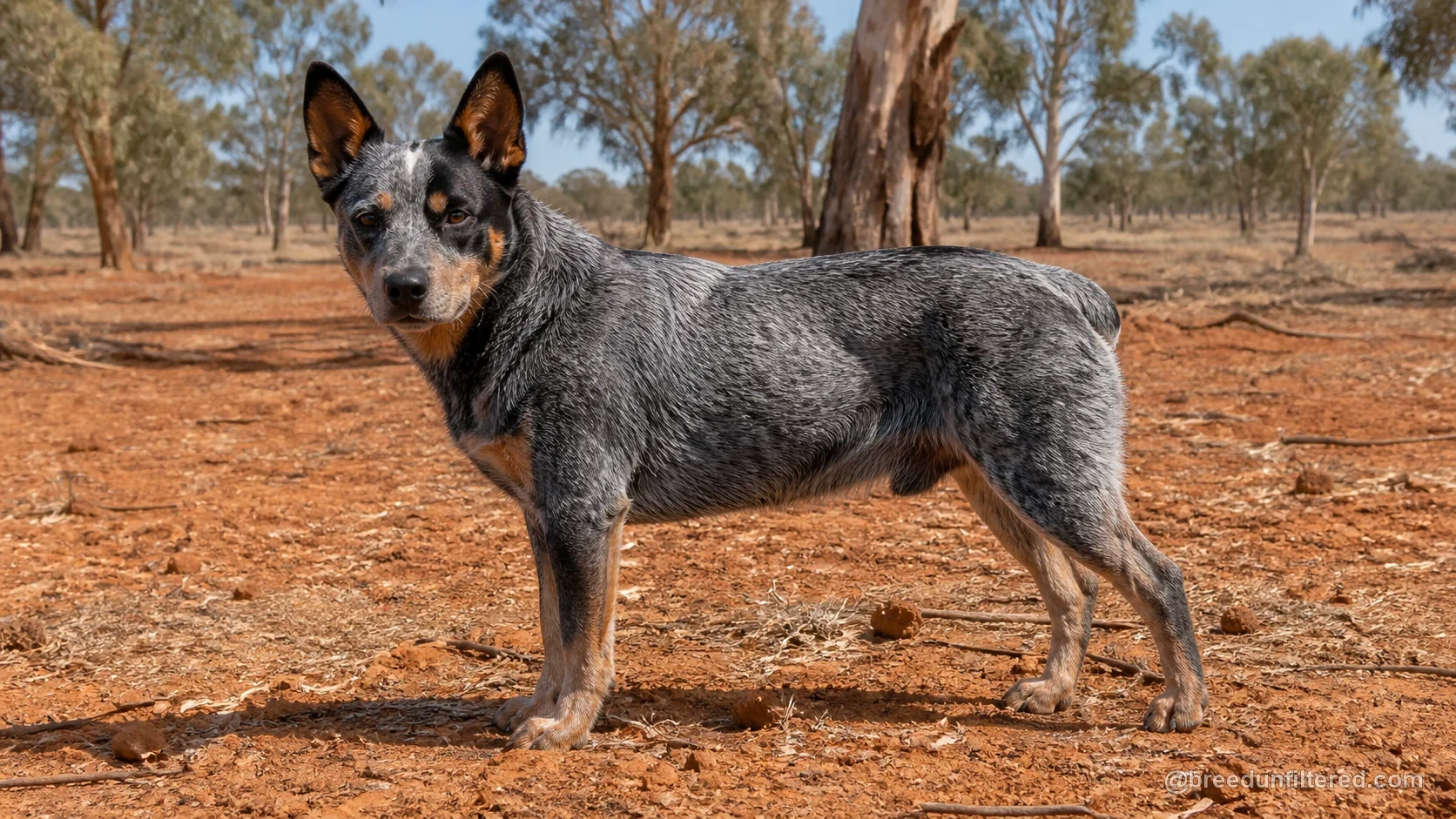
The Australian Stumpy Tail Cattle Dog is a distinct herding breed that developed in Australia to work cattle over vast, rugged distances. Often confused with the Australian Cattle Dog, the Stumpy is a separate breed with its own history, appearance, and working style. Its natural bobtail, leaner frame, and keen, alert expression set it apart from its better-known cousin.
For prospective owners, the Stumpy offers a loyal and hardworking companion, but it is not a dog for everyone. This breed thrives with active individuals or families who can provide ample physical exercise, mental challenges, and a clear job to do. Understanding the Stumpy's needs and temperament is essential before bringing one home, as its high energy and strong herding instincts require an experienced and committed owner.
Origin and Purpose
The Australian Stumpy Tail Cattle Dog originated in Australia in the early 19th century, developed by settlers who needed a tough, resilient dog to herd cattle across harsh terrain. The breed's foundation included crosses between Smithfield cattle dogs, dingoes, and possibly other collie-type dogs, resulting in a dog with natural stamina, intelligence, and a distinctive bobtail. The Stumpy was bred for function, not show, and its working ability was paramount.
Today, the Stumpy remains a capable working dog on cattle stations, but it also participates in dog sports and serves as a devoted companion. Its natural bobtail is a defining feature, though not all puppies are born with a short tail; some may have a longer tail. The breed is recognized provisionally by the FCI, and its standard emphasizes a dog that is agile, alert, and ready to work.
Temperament and Variation
The Stumpy is known for its loyalty, intelligence, and strong work ethic. It is typically alert and watchful, making it an excellent watchdog. While it can be affectionate with its family, it may be reserved or wary of strangers. Individual temperament varies, but the breed generally has a high prey drive and a strong instinct to herd, which can manifest in nipping at heels or chasing moving objects.
Because the Stumpy is a working breed, it often forms a close bond with one person and may be less demonstrative than some companion breeds. It is not typically aggressive but can be protective. Early and ongoing socialization is crucial to help it distinguish between normal situations and genuine threats. Prospective owners should be prepared for a dog that is always 'on' and ready to respond to its environment.
Exercise and Mental Work
The Stumpy is a high-energy breed that requires substantial daily exercise to remain physically and mentally healthy. A simple walk around the block is insufficient; this dog needs vigorous activities such as running, hiking, or participating in dog sports like agility, obedience, or herding trials. Without adequate exercise, the Stumpy may become bored and develop destructive behaviors.
Mental stimulation is equally important. The Stumpy is a problem-solver and thrives on tasks that challenge its mind. Puzzle toys, training sessions, and interactive games can help satisfy its need for mental work. Owners should be prepared to dedicate time each day to both physical and mental enrichment, as a tired Stumpy is a content Stumpy.
Training and Socialisation
Training a Stumpy requires patience, consistency, and a firm but fair approach. This breed is intelligent and can be independent, so it may test boundaries. Positive reinforcement methods work best, as harsh corrections can damage trust. Early training should focus on basic obedience and impulse control, especially to manage herding instincts.
Socialisation from a young age is essential to help the Stumpy become a well-adjusted adult. Expose it to various people, animals, environments, and sounds in a controlled manner. This helps reduce wariness and ensures the dog can distinguish between normal and threatening situations. A well-socialised Stumpy is more likely to be a reliable companion in different settings.
Family and Other Pets
The Stumpy can be a devoted family dog, especially in households that understand its needs. It is often good with older children who respect its space, but its herding instinct may lead it to nip at running or playing children. Supervision and training can mitigate this, but families with very young children should consider whether they can manage this behavior.
With other pets, the Stumpy's prey drive can be a challenge. It may chase small animals like cats or rabbits, though early socialisation can help it coexist peacefully. The breed tends to be dominant with other dogs, especially same-sex, so careful introductions and management are necessary. A Stumpy is best suited to a home where it is the only pet or where it has been raised with other animals from puppyhood.
Grooming and Health
The Stumpy has a short, double coat that is relatively low-maintenance. Regular brushing, about once a week, helps remove loose hair and keep the coat healthy. Shedding occurs seasonally, and more frequent brushing may be needed during those times. Bathing is only necessary when the dog is dirty, as over-bathing can strip natural oils.
As a breed, the Stumpy is generally hardy, but like all dogs, it can be prone to certain health conditions. These may include hip dysplasia, progressive retinal atrophy, and deafness, which can be seen in breeds with white pigmentation. Responsible breeders screen for these issues. Prospective owners should ask about health clearances and be prepared for potential veterinary costs.
Costs and Responsibility
Owning a Stumpy involves significant financial and time commitments. Initial costs include the purchase price, which can vary, and essential supplies like a crate, leash, and food. Ongoing expenses include high-quality dog food, routine veterinary care, vaccinations, and preventative medications. Emergency medical care or unexpected health issues can add to the financial burden.
Beyond money, a Stumpy requires a substantial investment of time and energy. It is not a dog that can be left alone for long periods without mental and physical stimulation. Prospective owners must be ready to provide daily exercise, training, and companionship for the dog's entire life, which can be 12 to 15 years. This breed is a long-term commitment that should not be taken lightly.
Clear answers
FREQUENTLY ASKED QUESTIONS
Is the Australian Stumpy Tail Cattle Dog the same as the Australian Cattle Dog?
No, they are separate breeds. The Stumpy is a distinct breed with its own standard, though they share similar origins. The Stumpy has a leaner build and a natural bobtail, while the Australian Cattle Dog typically has a longer tail. The Stumpy is also less common and has a different temperament, being more reserved.
Are Stumpy Tail Cattle Dogs good with children?
They can be good with older children who understand how to interact with dogs, but their herding instinct may cause them to nip at young children who run or play. Supervision and training are essential. Families with very young children should consider whether they can manage this behavior and provide proper guidance.
How much exercise does a Stumpy Tail Cattle Dog need?
This breed requires a significant amount of daily exercise, typically at least an hour of vigorous activity, but individual needs vary. Activities like running, hiking, or dog sports are ideal. Without enough exercise, they may become bored and develop destructive behaviors. Mental stimulation is also crucial.
Are Stumpy Tail Cattle Dogs easy to train?
They are intelligent and eager to learn, but they can be independent and stubborn. Positive reinforcement methods work best. Consistency and patience are key. Early training and socialisation are important to manage their herding instincts and ensure they become well-behaved adults.
Do Stumpy Tail Cattle Dogs shed a lot?
They have a short double coat that sheds moderately year-round and more heavily during seasonal changes. Regular brushing, about once a week, can help manage shedding. They are not hypoallergenic, and their grooming needs are relatively low compared to long-haired breeds.
Sources and further reading
Scores describe typical breed tendencies from 1 to 10. They are not a quality ranking or a prediction for an individual dog.
Size and presence5/10
CompactVery large
Physical strength5/10
LightExceptional
Energy level7/10
LowRelentless
Exercise demand8/10
ModestVery demanding
Mental work needed7/10
ModerateDaily job
Trainability6/10
ChallengingExceptional
Everyday manageability3/10
SpecialistStraightforward
First-time owner fit5/10
Poor fitGood fit
Family-life fit6/10
LimitedExcellent
Dog sociability6/10
SelectiveVery social
Prey drive8/10
LowVery high
Guarding tendency6/10
MinimalSerious
Independence6/10
Handler-focusedSelf-directed
Grooming demand5/10
LightHeavy
Apartment fit5/10
Poor fitGood fit