Complete breed guide
Chow Chow OWNERSHIP GUIDE
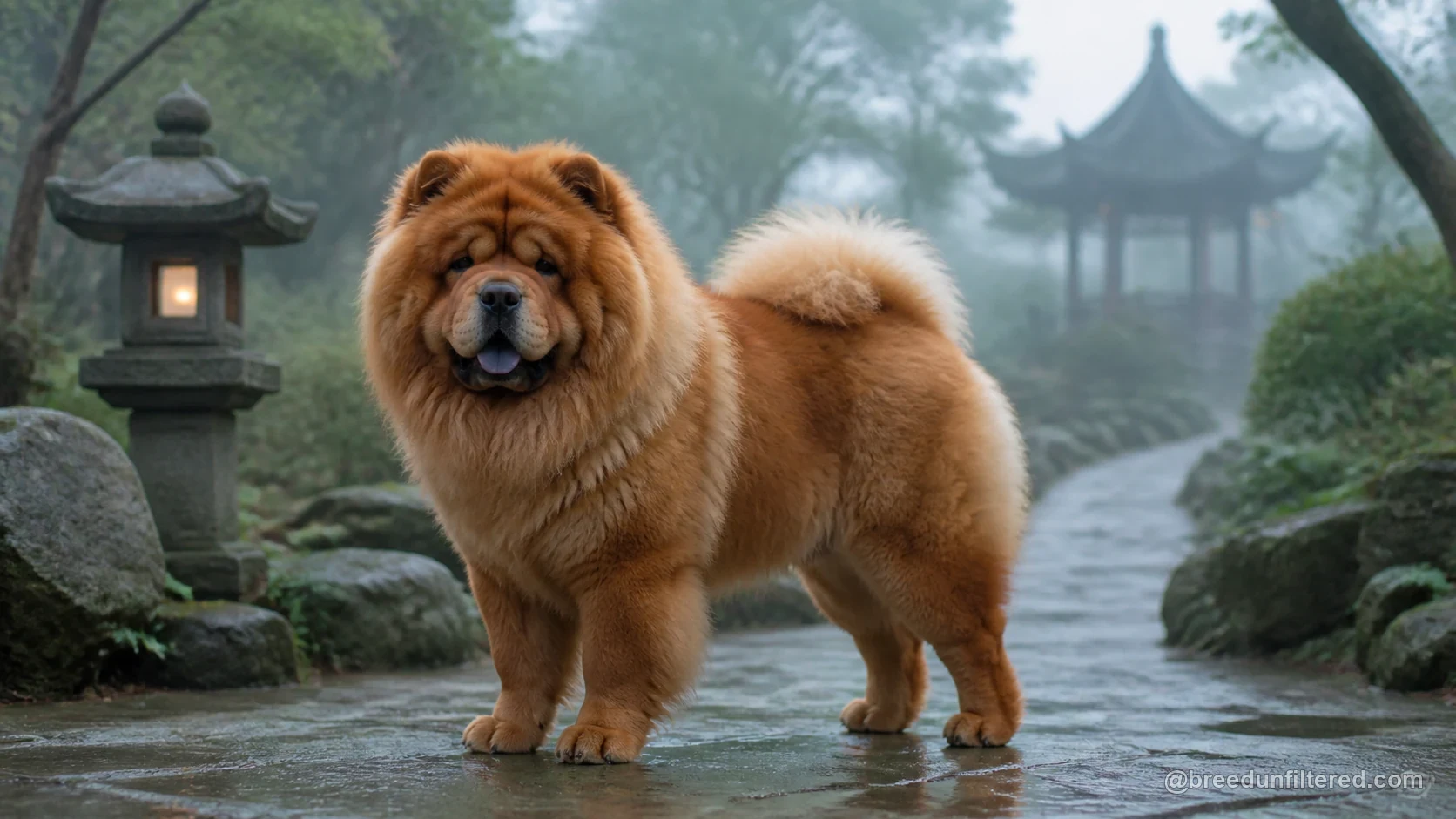
The Chow Chow, with its lion-like mane and distinctive blue-black tongue, is one of the most visually striking dog breeds in the world. Originating from ancient China, this breed carries an air of dignity and aloofness that sets it apart from more demonstrative companions. Prospective owners are often drawn to its plush coat and regal bearing, but the Chow Chow is far more than a pretty face—it is a complex, independent character that demands respect and understanding.
Before welcoming a Chow Chow into your home, it is essential to look beyond the breed's undeniable beauty. This is a dog that values its personal space, forms deep bonds with its chosen people, and may not readily warm to strangers or other animals. With proper socialisation, consistent training, and a commitment to meeting its grooming and exercise needs, a Chow Chow can be a loyal and fascinating companion. However, this breed is not for everyone, and a thorough, honest assessment of your lifestyle is crucial.
Origin and Purpose
The Chow Chow is an ancient breed with roots that trace back over two thousand years to northern China, where it served a variety of roles. Historical records and artifacts suggest that these dogs were used for hunting, herding, and guarding, as well as for pulling sleds and carts. Their sturdy build, thick coat, and keen senses made them well-suited to the harsh climates and demanding tasks of their homeland.
The breed's name is thought to derive from the Chinese term 'chaow' or from the pidgin English word 'chow' used to describe cargo, reflecting the dogs' role in trade. The Chow Chow was first brought to the West in the 19th century, where it quickly gained attention for its exotic appearance and dignified demeanor. Today, the Chow Chow is primarily a companion animal, but its working heritage still influences its temperament and needs.
Temperament and Variation
Chow Chows are known for their aloof and independent nature. They are often described as cat-like in their cleanliness and self-sufficiency, and they may not seek constant attention or affection. This breed tends to be reserved with strangers and can be protective of their family and territory. While individual temperaments vary, a well-socialised Chow Chow is typically calm, dignified, and loyal to its inner circle.
It is important to note that the Chow Chow's temperament can be influenced by genetics, early socialisation, and training. Some lines may be more outgoing, while others are more reserved. Prospective owners should meet both parents if possible and seek a reputable breeder who prioritises temperament. The breed's independent streak means that it may not always be eager to please, and it requires an owner who can appreciate its unique personality.
Exercise and Mental Work
Despite their somewhat sedentary reputation, Chow Chows do require regular exercise to maintain physical health and mental well-being. Daily walks, play sessions in a secure yard, and opportunities to explore new scents are beneficial. However, this breed is not typically a high-energy athlete; moderate, consistent activity is usually sufficient. Over-exercising, especially in hot weather, should be avoided due to their thick coats and potential heat sensitivity.
Mental stimulation is equally important for this intelligent breed. Puzzle toys, scent games, and basic obedience training can help keep a Chow Chow's mind engaged. Without adequate mental and physical outlets, they may become bored and develop undesirable behaviors such as excessive barking or digging. Owners should aim to provide a balanced routine that meets both physical and cognitive needs without overdoing it.
Training and Socialisation
Training a Chow Chow can be a rewarding but challenging endeavor. This breed is intelligent and can learn commands, but it is also independent and may question the need to comply. Positive reinforcement methods, such as treats and praise, work best, while harsh corrections can damage trust and lead to resistance. Consistency and patience are key, and owners should begin training early to establish good habits.
Socialisation is crucial for Chow Chows to develop into well-adjusted adults. Exposing them to a variety of people, places, and situations from a young age can help mitigate their natural reserve and reduce the risk of fear-based aggression. Puppy classes and controlled introductions to other dogs can be beneficial. However, even with thorough socialisation, a Chow Chow may never be a dog park enthusiast, and owners should respect their boundaries.
Family and Other Pets
Chow Chows can form strong bonds with their family members, including children, especially if raised with them. However, they are not typically a breed that tolerates rough handling or excessive noise, so interactions with young children should always be supervised. Teaching children to respect the dog's space and signals is essential. The breed's protective instincts can make them excellent watchdogs, but they may also be wary of unfamiliar guests.
When it comes to other pets, Chow Chows can be selective. They may get along with dogs they are raised with, but they can be same-sex aggressive or territorial with unfamiliar dogs. Their prey drive may be moderate, and they might not be suitable for homes with small animals like cats or rabbits unless carefully introduced and raised together. Early and ongoing socialisation can improve the chances of peaceful coexistence, but there are no guarantees.
Grooming and Health
The Chow Chow's luxurious double coat requires significant grooming. They shed heavily, especially during seasonal changes, and need brushing several times a week to prevent mats and tangles. During heavy shedding periods, daily brushing may be necessary. Regular bathing, nail trimming, and ear cleaning are also part of the routine. Owners should be prepared for a considerable time commitment to keep the coat in good condition.
Health-wise, Chow Chows are prone to certain conditions, including hip dysplasia, elbow dysplasia, entropion (an eyelid condition), and hypothyroidism. They are also sensitive to heat due to their heavy coats. Responsible breeders screen for these issues, and prospective owners should ask for health clearances. Regular veterinary check-ups and a balanced diet are important, but it is also wise to consider pet insurance to help manage potential health costs.
Costs and Responsibility
Owning a Chow Chow involves significant financial and time commitments. The initial cost of a puppy from a reputable breeder can be high, and ongoing expenses include high-quality food, grooming supplies, veterinary care, and possibly professional grooming services. Health issues can lead to unexpected bills, so budgeting for emergencies is advisable. Adoption from a rescue is another option that can be more affordable and rewarding.
Beyond finances, responsible ownership means dedicating time to training, socialisation, exercise, and grooming. Chow Chows are not a low-maintenance breed, and they thrive in homes where their needs are understood and met. They may not be the best choice for first-time dog owners or those who are away from home frequently. Prospective owners should honestly evaluate their ability to provide a stable, patient, and structured environment.
Clear answers
FREQUENTLY ASKED QUESTIONS
Are Chow Chows good with children?
Chow Chows can be good with children if they are raised with them and properly socialised. However, they are not typically tolerant of rough play or excessive noise, so interactions should always be supervised. Teaching children to respect the dog's space and signals is crucial. Each dog is an individual, and some may be more patient than others.
Do Chow Chows shed a lot?
Yes, Chow Chows shed heavily, especially during seasonal changes. Their thick double coat requires regular brushing, often several times a week, to manage loose hair and prevent mats. During heavy shedding periods, daily brushing may be necessary. Prospective owners should be prepared for a significant amount of dog hair in the home.
Are Chow Chows easy to train?
Chow Chows are intelligent but independent, which can make training a challenge. They respond best to positive reinforcement methods, such as treats and praise, and they may become stubborn if forced. Consistency, patience, and early training are essential. They are not typically eager to please, so owners need to find motivating rewards.
Do Chow Chows get along with other dogs?
Chow Chows can be selective with other dogs. They may get along with dogs they are raised with, but they can be territorial or same-sex aggressive with unfamiliar dogs. Early and ongoing socialisation can help, but there is no guarantee. Owners should be cautious in multi-dog households and supervise introductions.
What health issues are common in Chow Chows?
Chow Chows are prone to certain health conditions, including hip and elbow dysplasia, entropion (an eyelid condition), and hypothyroidism. They are also sensitive to heat. Responsible breeders screen for these issues, and regular veterinary check-ups are important. Pet insurance can help manage potential costs.
Sources and further reading
Scores describe typical breed tendencies from 1 to 10. They are not a quality ranking or a prediction for an individual dog.
Size and presence5/10
CompactVery large
Physical strength5/10
LightExceptional
Energy level9/10
LowRelentless
Exercise demand9/10
ModestVery demanding
Mental work needed8/10
ModerateDaily job
Trainability6/10
ChallengingExceptional
Everyday manageability2/10
SpecialistStraightforward
First-time owner fit3/10
Poor fitGood fit
Family-life fit6/10
LimitedExcellent
Dog sociability3/10
SelectiveVery social
Prey drive8/10
LowVery high
Guarding tendency7/10
MinimalSerious
Independence9/10
Handler-focusedSelf-directed
Grooming demand10/10
LightHeavy
Apartment fit4/10
Poor fitGood fit