Complete breed guide
Dutch Smoushond OWNERSHIP GUIDE
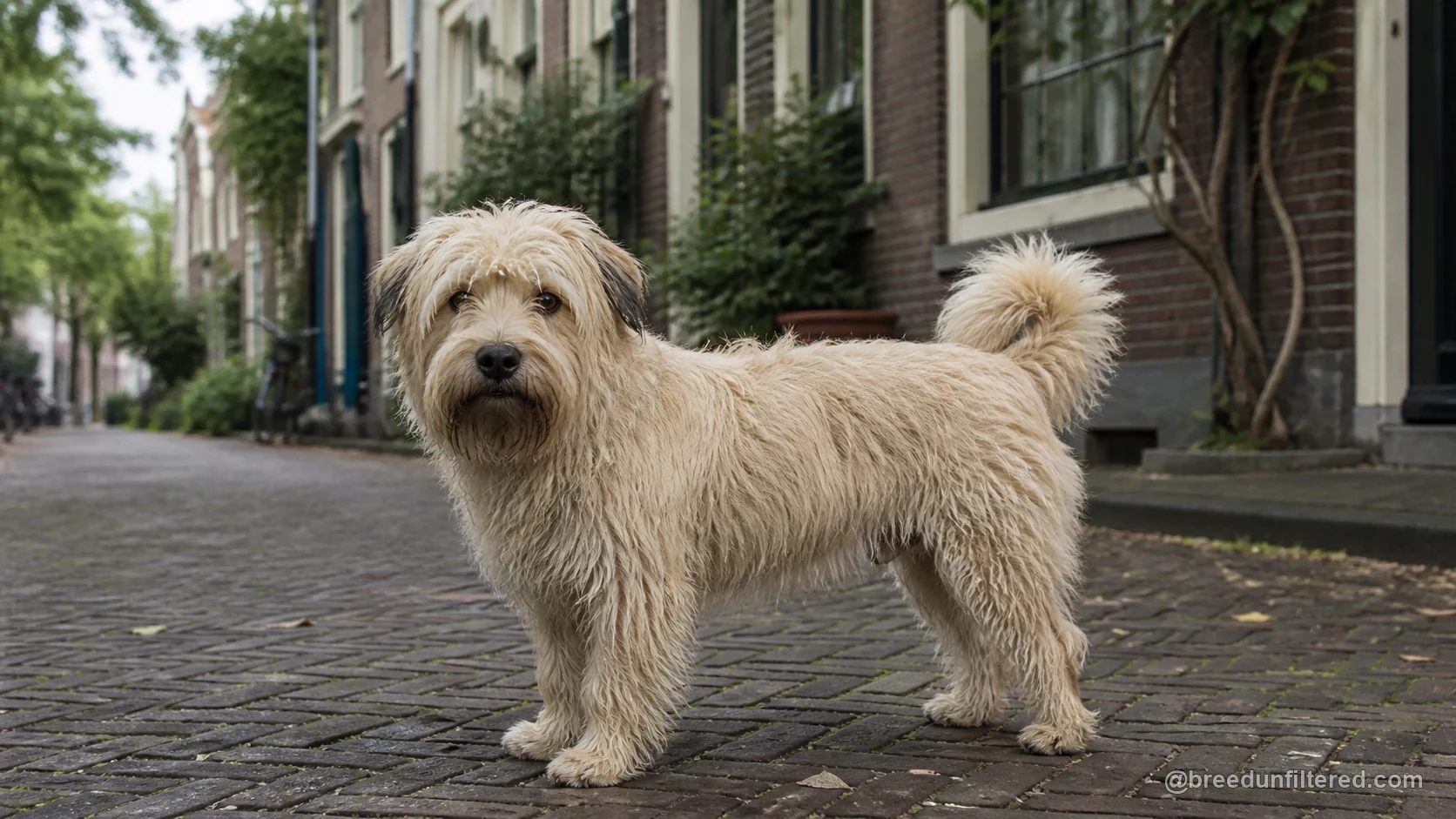
The Dutch Smoushond, also known as the Hollandse Smoushond, is a rare and charming breed with a distinctive shaggy coat and a lively, affectionate personality. Originating in the Netherlands, this small terrier-like dog was historically used as a stable dog and ratter, valued for its keen hunting instincts and loyal companionship. Today, the breed remains relatively uncommon outside its homeland, making it a unique choice for those seeking a devoted and spirited companion.
Prospective owners should be prepared for a dog that is intelligent, energetic, and deeply attached to its family. The Dutch Smoushond thrives on human interaction and can be reserved with strangers, making early socialisation essential. While not a high-maintenance breed in terms of grooming, its wiry coat requires regular care. This guide provides an evidence-based overview of the breed's characteristics, care requirements, and considerations for potential owners.
Origin and Purpose
The Dutch Smoushond's history is intertwined with the Netherlands' equestrian culture. The breed's name 'Smous' is thought to derive from the Yiddish word for 'Jew,' reflecting its association with Jewish horse traders who kept these dogs in stables. These dogs were prized for their ability to catch rats and mice, as well as their alertness and loyalty. The breed was officially recognised by the Dutch Kennel Club in 1905, but its numbers declined sharply during the 20th century, nearly reaching extinction after World War II.
Thanks to dedicated breeders, the Dutch Smoushond was revived and is now recognised by the Fédération Cynologique Internationale (FCI) under standard number 308. The breed remains rare, with most individuals found in the Netherlands and a few other European countries. Its original purpose as a stable dog and ratter has shaped its temperament: it is alert, agile, and tenacious, yet also affectionate and adaptable to family life. Understanding this heritage helps prospective owners appreciate the breed's instincts and energy levels.
Temperament and Variation
The Dutch Smoushond is known for its lively, cheerful, and devoted nature. It forms strong bonds with its family and often follows them around the house, eager to be involved in daily activities. While generally friendly, it can be wary of strangers, making it a good watchdog. The breed is intelligent and curious, with a playful streak that lasts well into adulthood. Individual temperaments can vary, influenced by genetics, socialisation, and training, so early and consistent exposure to different people and situations is recommended.
There is little variation within the breed in terms of size and coat colour, as the standard specifies a rough, harsh coat in shades of yellow to light brown. However, individual dogs may differ in energy levels and sociability. Some may be more reserved, while others are outgoing. Prospective owners should meet the parents or littermates when possible to gauge temperament, and they should be prepared for a dog that is alert and may bark to announce visitors. The breed's affectionate nature makes it a delightful companion for those who can provide ample attention.
Exercise and Mental Work
The Dutch Smoushond is an energetic breed that requires regular daily exercise to stay happy and healthy. A combination of walks, play sessions, and off-lead running in a secure area can help meet its physical needs. As a former ratter, it enjoys activities that engage its nose and mind, such as scent games, puzzle toys, and obedience training. Without sufficient mental stimulation, the breed may become bored and develop undesirable behaviours like excessive barking or digging.
Prospective owners should be prepared to dedicate at least an hour each day to exercise and mental enrichment. The breed excels in dog sports like agility, rally, and nose work, which can provide both physical and mental challenges. While not as demanding as some high-energy terriers, the Dutch Smoushond still needs consistent outlets for its energy. A securely fenced yard is beneficial, but the breed can adapt to apartment living if given ample walks and indoor play. The key is to provide variety and engagement to prevent boredom.
Training and Socialisation
Training a Dutch Smoushond requires patience, consistency, and positive reinforcement. The breed is intelligent and eager to please, but it can also be independent and stubborn at times. Harsh methods are counterproductive; instead, reward-based training with treats, praise, and play yields the best results. Early socialisation is crucial to help the dog become well-adjusted and comfortable around unfamiliar people, animals, and environments. Puppy classes and regular outings can help build confidence and reduce wariness.
The Dutch Smoushond responds well to short, varied training sessions that keep its interest. It is capable of learning basic obedience and tricks, and it enjoys challenges that stimulate its mind. Because of its terrier heritage, it may have a tendency to chase small animals, so recall training is essential. Owners should also address any guarding tendencies through positive socialisation. With consistent guidance, the breed can be a well-mannered companion, though it may retain a spirited and independent streak.
Family and Other Pets
The Dutch Smoushond makes a loyal and affectionate family dog, especially for families with older children who understand how to interact respectfully with dogs. It thrives on being included in family activities and can be quite protective of its loved ones. However, its small size and energetic nature mean that very young children should be supervised to prevent accidental injury. The breed is generally good with other dogs, especially when raised together, but it may exhibit a strong prey drive towards small animals like rodents or birds.
Early socialisation with other pets can help the Dutch Smoushond coexist peacefully with cats and other dogs. Its hunting instincts may be triggered by fast-moving small creatures, so caution is advised. The breed is not typically aggressive but can be assertive. For families seeking a devoted and playful companion, the Dutch Smoushond can be a wonderful addition, provided that everyone in the household is committed to training and providing adequate exercise and attention.
Grooming and Health
The Dutch Smoushond has a harsh, wiry coat that requires regular grooming to keep it in good condition. Weekly brushing is usually sufficient to remove loose hair and prevent matting. Some owners choose to hand-strip the coat a few times a year to maintain its texture, though clipping is an acceptable alternative for pet dogs. The breed sheds minimally, making it a good choice for those with mild allergies, though no dog is truly hypoallergenic. Regular ear cleaning, nail trimming, and dental care are also essential parts of the grooming routine.
As a generally healthy breed, the Dutch Smoushond has a life expectancy of around 12 to 15 years. However, like all breeds, it may be prone to certain health conditions, including patellar luxation, hip dysplasia, and eye disorders. Responsible breeders screen their breeding stock for these issues. Prospective owners should ask for health clearances and be prepared for routine veterinary care. Maintaining a healthy weight, providing regular exercise, and feeding a balanced diet can help promote overall well-being and longevity.
Costs and Responsibility
Owning a Dutch Smoushond involves financial and time commitments. Initial costs include the purchase price from a reputable breeder, which can be higher due to the breed's rarity, as well as supplies like a crate, bed, and grooming tools. Ongoing expenses include high-quality food, routine veterinary care, vaccinations, and preventive medications. Pet insurance is recommended to help cover unexpected medical costs. Additionally, owners should budget for training classes and potential boarding or pet-sitting services when travelling.
Beyond finances, prospective owners must be prepared for the responsibility of caring for a lively, social dog. The Dutch Smoushond requires daily exercise, mental stimulation, and companionship. It is not a breed that can be left alone for long periods, as it may develop separation anxiety. Potential owners should assess their lifestyle to ensure they can meet the breed's needs. Adopting from a rescue or breed-specific organisation is also an option, though availability may be limited. Responsible ownership includes lifelong commitment to the dog's health, happiness, and well-being.
Clear answers
FREQUENTLY ASKED QUESTIONS
Is the Dutch Smoushond a good family dog?
The Dutch Smoushond can be an excellent family dog for households with older children who know how to interact gently with dogs. It is affectionate, loyal, and enjoys being part of family activities. However, its small size and energetic nature mean that supervision is needed with very young children to prevent accidental injuries. Early socialisation and training are essential to ensure it becomes a well-adjusted family companion.
How much exercise does a Dutch Smoushond need?
The Dutch Smoushond is an energetic breed that requires at least an hour of exercise daily, including walks, playtime, and mental stimulation. Activities like scent games, puzzle toys, and dog sports can help meet its needs. Without sufficient exercise and mental engagement, it may become bored and develop behavioural issues. A securely fenced yard is beneficial, but the breed can adapt to apartment living with regular outings.
Does the Dutch Smoushond shed a lot?
The Dutch Smoushond has a wiry, harsh coat that sheds minimally. Regular weekly brushing helps remove loose hair and prevent matting. Some owners opt for hand-stripping a few times a year to maintain coat texture, though clipping is an acceptable alternative. While no dog is completely hypoallergenic, the low-shedding coat may be suitable for some allergy sufferers, but individual reactions vary.
Are Dutch Smoushonds good with other pets?
With early socialisation, Dutch Smoushonds can get along well with other dogs and cats, especially when raised together. However, due to their terrier heritage, they may have a strong prey drive towards small animals like rodents or birds. Caution is advised when introducing them to small pets. Consistent training and supervision can help manage these instincts and promote peaceful coexistence.
What health issues are common in Dutch Smoushonds?
The Dutch Smoushond is generally a healthy breed with a life expectancy of 12 to 15 years. However, like all breeds, it may be prone to certain conditions such as patellar luxation, hip dysplasia, and eye disorders. Responsible breeders screen their breeding stock for these issues. Prospective owners should ask for health clearances and maintain regular veterinary check-ups to ensure early detection and management of any health concerns.
Sources and further reading
Scores describe typical breed tendencies from 1 to 10. They are not a quality ranking or a prediction for an individual dog.
Size and presence8/10
CompactVery large
Physical strength8/10
LightExceptional
Energy level7/10
LowRelentless
Exercise demand7/10
ModestVery demanding
Mental work needed7/10
ModerateDaily job
Trainability7/10
ChallengingExceptional
Everyday manageability2/10
SpecialistStraightforward
First-time owner fit3/10
Poor fitGood fit
Family-life fit7/10
LimitedExcellent
Dog sociability5/10
SelectiveVery social
Prey drive8/10
LowVery high
Guarding tendency9/10
MinimalSerious
Independence7/10
Handler-focusedSelf-directed
Grooming demand5/10
LightHeavy
Apartment fit3/10
Poor fitGood fit