Complete breed guide
Affenpinscher OWNERSHIP GUIDE
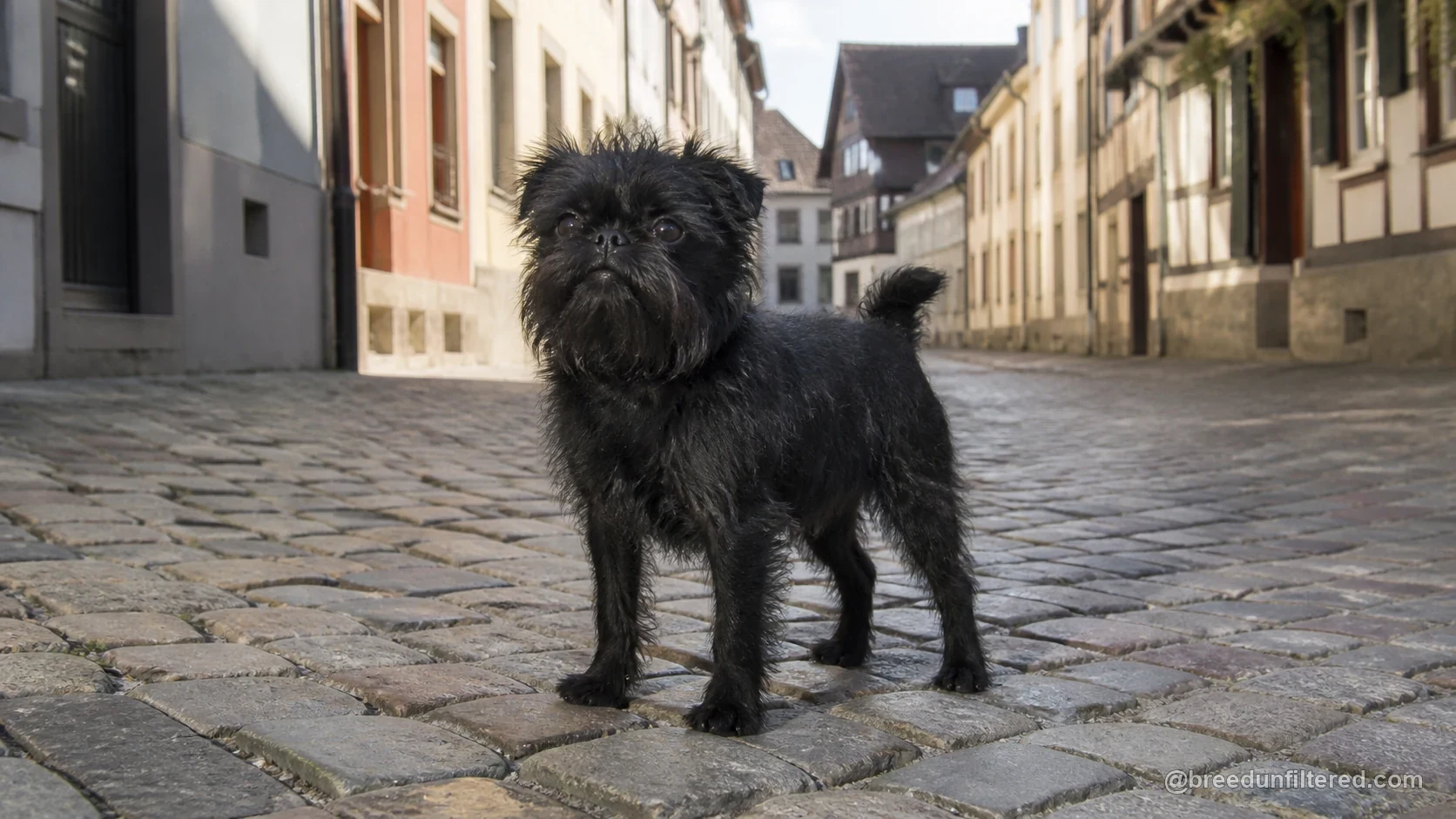
The Affenpinscher, often described as a 'monkey terrier' due to its expressive face and wiry coat, is a small but confident companion. Originating in Germany, this breed was historically used to control rats in kitchens and stables, but today it thrives as a lively household pet. Prospective owners should understand that the Affenpinscher is not a typical lapdog; it possesses a bold, self-assured personality that can be both endearing and challenging.
This article provides an evidence-conscious overview of the Affenpinscher, covering its origin, temperament, exercise and mental needs, training, family compatibility, grooming, health considerations, and the financial and time commitments involved. By understanding these aspects, you can make an informed decision about whether this unique breed fits your lifestyle.
Origin and Purpose
The Affenpinscher is a German breed with a history dating back to the 17th century. Its name translates to 'monkey terrier,' reflecting its monkey-like facial expression and terrier-like vermin-hunting abilities. Originally bred to eliminate rats and other pests from homes, stables, and shops, the Affenpinscher was valued for its tenacity and alertness. Over time, it transitioned from a working ratter to a companion dog, though its hunting instincts remain.
Today, the Affenpinscher is recognized by the Fédération Cynologique Internationale (FCI) in Group 2, Section 1.1, under standard number 186. This classification places it among the pinscher and schnauzer types, which share a common ancestry. The breed's purpose has evolved, but its spirited and determined nature persists, making it a distinctive choice for those who appreciate a small dog with a big personality.
Temperament and Variation
Affenpinschers are known for their confident, curious, and sometimes stubborn temperament. They are alert and watchful, often displaying a self-importance that belies their small size. While they can be affectionate with their families, they may be reserved or wary around strangers. Individual variation is significant; some Affenpinschers are more outgoing, while others are more reserved. Early and consistent socialization can help shape a well-adjusted adult.
The breed's temperament is often described as 'terrier-like,' meaning they can be feisty and determined. They are not typically aggressive but may exhibit a strong prey drive and a tendency to chase small animals. Their independence can make them seem cat-like, as they may enjoy affection on their own terms. Prospective owners should be prepared for a dog that is intelligent, sometimes mischievous, and always entertaining.
Exercise and Mental Work
Affenpinschers have moderate exercise needs. They enjoy daily walks and play sessions but do not require excessive physical activity. A securely fenced yard is beneficial, as their prey drive may lead them to chase after small creatures. Mental stimulation is equally important; puzzle toys, training games, and interactive play can help prevent boredom and destructive behaviors. Without adequate mental engagement, an Affenpinscher may become mischievous.
Despite their small size, Affenpinschers are energetic and agile. They excel in dog sports such as agility and obedience, which provide both physical and mental challenges. However, it's essential to tailor exercise to the individual dog's age and health. Puppies and young dogs may have bursts of energy, while older dogs may prefer shorter, gentler activities. Always consult with a veterinarian to design an appropriate exercise regimen.
Training and Socialisation
Training an Affenpinscher requires patience and consistency. They are intelligent but can be stubborn, so positive reinforcement methods work best. Harsh corrections may lead to resistance or fearfulness. Early socialization is crucial to help them become comfortable with various people, animals, and environments. Puppy classes and controlled introductions can foster a well-mannered companion.
Affenpinschers respond well to reward-based training, especially when treats and praise are involved. They can learn basic commands and tricks, but their independent nature may sometimes test boundaries. Establishing clear rules and routines helps them understand expectations. Consistency among family members is key to preventing confusion. With time and effort, an Affenpinscher can be a delightful and responsive partner.
Family and Other Pets
Affenpinschers can make excellent companions for families, but they are best suited to households with older children who understand how to interact respectfully with dogs. Their small size makes them vulnerable to accidental injury from rough handling. They may not tolerate teasing or excessive noise, so supervision is necessary. With proper socialization, they can live harmoniously with other dogs, but their prey drive may pose a risk to smaller pets like rodents or birds.
As a breed, Affenpinschers often form strong bonds with their primary caregiver and may be protective of their family. They can be wary of strangers, making them decent watchdogs. However, they are not typically aggressive and are more likely to alert bark than to confront. Families considering an Affenpinscher should be prepared for a loyal, sometimes possessive companion that thrives on attention and involvement in daily activities.
Grooming and Health
The Affenpinscher has a wiry, dense coat that requires regular grooming. Weekly brushing helps prevent mats and tangles, and occasional hand-stripping or clipping may be needed to maintain the coat's texture. They are considered a low-shedding breed, which may be appealing to some, but they still require routine care. Regular ear cleaning, nail trimming, and dental hygiene are essential parts of their grooming routine.
Like all breeds, Affenpinschers may be prone to certain health conditions, though not every individual will be affected. Potential issues include patellar luxation, hip dysplasia, and eye problems. Responsible breeders screen for these conditions. Regular veterinary check-ups and a balanced diet are important for overall health. Prospective owners should be aware of the potential for health-related expenses and consider pet insurance.
Costs and Responsibility
Owning an Affenpinscher involves financial and time commitments. Initial costs include purchasing from a reputable breeder or adopting from a rescue, as well as supplies like a crate, bed, and food. Ongoing expenses include high-quality dog food, routine veterinary care, grooming supplies or professional grooming services, and potential emergency medical costs. Pet insurance can help mitigate unexpected expenses.
Beyond finances, responsible ownership requires dedicating time to training, exercise, and companionship. Affenpinschers are social animals and may develop behavioral issues if left alone for long periods. They thrive in homes where someone is often present. Prospective owners should evaluate their lifestyle and ensure they can meet the breed's needs. Adoption from a rescue is a commendable option, and many breed-specific rescues exist.
Clear answers
FREQUENTLY ASKED QUESTIONS
Are Affenpinschers good with children?
Affenpinschers can be good with older, respectful children, but they are not ideal for very young kids who may handle them roughly. Their small size makes them vulnerable to injury, and they may not tolerate teasing. Supervision and teaching children how to interact gently are essential. With proper socialization, they can form strong bonds with family members, including children.
Do Affenpinschers bark a lot?
Affenpinschers are alert and may bark to announce visitors or unusual sounds. They are not typically excessive barkers, but they can be vocal if bored or under-stimulated. Training and providing adequate mental and physical exercise can help manage barking. Early socialization can also reduce unnecessary alarm barking.
How much exercise does an Affenpinscher need?
Affenpinschers have moderate exercise needs. Daily walks and play sessions are usually sufficient, but they also enjoy mental challenges like puzzle toys and training games. They are adaptable and can thrive in apartments if given regular opportunities to burn off energy. Always adjust exercise to your dog's age and health.
Are Affenpinschers easy to train?
Affenpinschers are intelligent but can be stubborn, making training a test of patience. Positive reinforcement methods work best, as harsh corrections can lead to resistance. Consistency and early socialization are key. They can learn commands and tricks, but their independent nature may require extra motivation, such as high-value treats.
Do Affenpinschers shed?
Affenpinschers are considered low-shedding, but they still require regular grooming to maintain their wiry coat. Weekly brushing helps remove loose hair and prevent mats. Some owners choose to hand-strip or clip the coat. While they may be more suitable for allergy sufferers, no dog is completely hypoallergenic.
Sources and further reading
Scores describe typical breed tendencies from 1 to 10. They are not a quality ranking or a prediction for an individual dog.
Size and presence8/10
CompactVery large
Physical strength8/10
LightExceptional
Energy level6/10
LowRelentless
Exercise demand6/10
ModestVery demanding
Mental work needed7/10
ModerateDaily job
Trainability6/10
ChallengingExceptional
Everyday manageability3/10
SpecialistStraightforward
First-time owner fit3/10
Poor fitGood fit
Family-life fit6/10
LimitedExcellent
Dog sociability4/10
SelectiveVery social
Prey drive8/10
LowVery high
Guarding tendency9/10
MinimalSerious
Independence7/10
Handler-focusedSelf-directed
Grooming demand7/10
LightHeavy
Apartment fit3/10
Poor fitGood fit