Complete breed guide
Dutch Schapendoes OWNERSHIP GUIDE
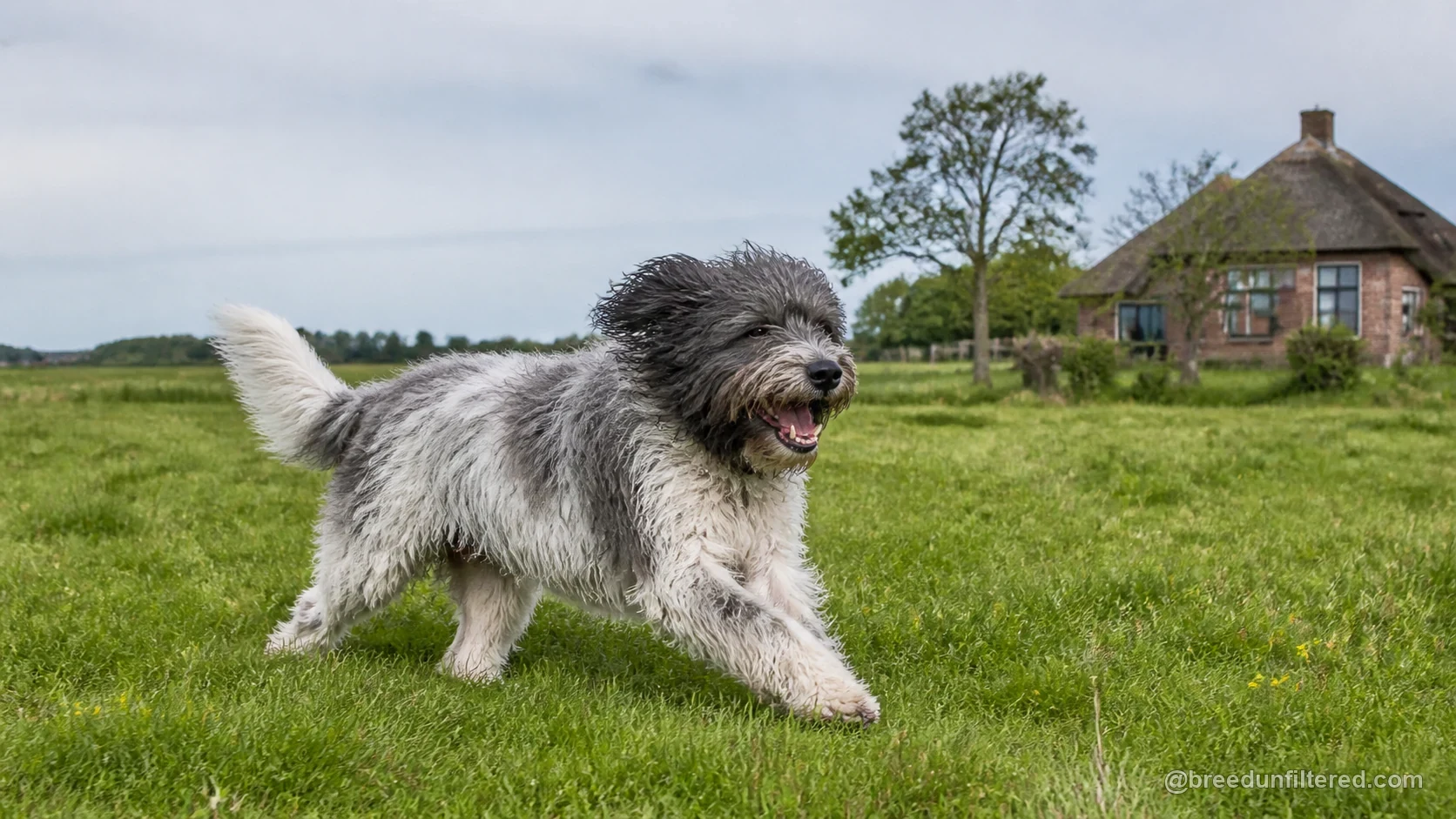
The Dutch Schapendoes, also known as the Nederlandse Schapendoes, is a herding breed from the Netherlands with a distinctive shaggy coat and an alert, lively expression. Recognized by the Fédération Cynologique Internationale (FCI) in Group 1, this breed has a long history as a versatile farm dog, skilled in gathering and driving sheep. Today, while still capable of herding, the Schapendoes is more often found as a companion and participant in dog sports, valued for its intelligence and cheerful disposition.
Prospective owners should understand that the Schapendoes is a working breed at heart. This means they thrive with purpose and activity, and they may not suit a sedentary lifestyle. Their coat requires regular grooming, and their herding instincts can manifest in behaviors like chasing or nipping. With proper socialization, training, and exercise, the Dutch Schapendoes can be a loyal and affectionate family member, but they are not a low-maintenance choice.
Origin and Purpose
The Dutch Schapendoes originated in the Netherlands, where it was historically used by shepherds to herd sheep across the country's open fields and peat bogs. The breed's name literally translates to 'Dutch sheep dog.' It was developed for its working ability, intelligence, and endurance, often working in harsh weather conditions. The breed's exact ancestry is not well-documented, but it is believed to share common roots with other European herding dogs like the Bearded Collie and the Polish Owczarek Nizinny.
By the early 20th century, the Schapendoes had become less common as shepherding declined. However, dedicated enthusiasts worked to preserve the breed, and it was officially recognized by the FCI in 1952. Today, the breed remains relatively rare outside its homeland, but it is appreciated for its versatility and charm. The FCI standard describes it as a 'sheepdog of the Dutch type,' emphasizing its natural herding instincts and its ability to work independently.
Temperament and Variation
The Dutch Schapendoes is known for its lively, friendly, and alert temperament. It is typically affectionate with its family and can be reserved with strangers, though not aggressive. The breed is intelligent and eager to please, which makes it responsive to training. However, like many herding dogs, it can be sensitive and may not respond well to harsh methods. Individual temperament can vary, and early socialization plays a crucial role in shaping a well-adjusted adult dog.
While the breed standard describes a general temperament, individual dogs may differ in energy levels, confidence, and sociability. Some Schapendoes may be more independent, while others are more clingy. It is important for prospective owners to meet the parents of a puppy if possible and to work with a reputable breeder who prioritizes temperament. The breed's herding instinct can be strong, leading to behaviors like chasing moving objects or rounding up children, which should be managed through training and appropriate outlets.
Exercise and Mental Work
The Dutch Schapendoes is an energetic breed that requires regular physical exercise to stay healthy and happy. Daily walks, play sessions, and opportunities to run off-leash in a safe area are important. However, exercise needs can vary based on age, health, and individual temperament. As a herding breed, the Schapendoes also benefits from mental stimulation, such as puzzle toys, obedience training, or dog sports like agility and herding trials. Without adequate mental and physical activity, they may become bored and develop undesirable behaviors.
Prospective owners should be prepared to dedicate time each day to exercise and enrichment. The breed is not suited to a purely sedentary lifestyle. While they can adapt to various living situations, they do best with access to a securely fenced yard where they can run. It is important to note that the Schapendoes is a versatile working dog, and many thrive when given a job to do, whether that is participating in dog sports or learning complex tasks. Owners should avoid over-exercising puppies, as their growing bones and joints are vulnerable.
Training and Socialisation
Training a Dutch Schapendoes can be a rewarding experience due to their intelligence and willingness to learn. Positive reinforcement methods, such as treats, praise, and play, work best. The breed is sensitive, so harsh corrections can be counterproductive. Early socialization is essential to help them become confident and well-mannered around people, other animals, and new environments. Puppy classes and regular exposure to different situations can help prevent shyness or over-reactivity.
The Schapendoes has a natural herding instinct, which can be channeled into activities like herding trials or simply managed through training. They may try to 'herd' children or other pets, which can be redirected with commands. Consistency and patience are key. This breed can be independent at times, so training sessions should be engaging and varied to hold their attention. With proper training, they can excel in obedience, agility, and other canine sports.
Family and Other Pets
The Dutch Schapendoes can make a wonderful family dog for active households. They are typically affectionate with their family members and enjoy being involved in activities. However, their herding instincts may lead them to chase or nip at children, especially if not properly trained and supervised. Early socialization with children and clear boundaries can help mitigate this. The breed is generally good with other dogs, especially if raised with them, but may view small animals as something to herd.
When introducing a Schapendoes to a home with cats or other small pets, careful management and gradual introductions are necessary. Their prey drive can vary, and some individuals may not be suitable for homes with small furry animals. As with any breed, supervision is important when the dog is interacting with young children. The Schapendoes is not typically aggressive, but its herding behavior can be misinterpreted. With proper training and socialization, they can coexist peacefully with other pets.
Grooming and Health
The Dutch Schapendoes has a long, thick, and wavy coat that requires regular grooming to prevent matting and tangles. Brushing several times a week is recommended, and more frequent grooming may be needed during shedding seasons. The coat is weather-resistant and should not be clipped, as that can damage its texture. Regular ear cleaning, nail trimming, and dental care are also part of routine maintenance. Professional grooming may be necessary occasionally, especially for show dogs.
As a breed, the Dutch Schapendoes is generally healthy, but like all dogs, they can be prone to certain conditions. Hip dysplasia, eye disorders, and epilepsy have been reported in the breed, though not all individuals are affected. Responsible breeders screen their breeding stock for these conditions. Prospective owners should ask about health clearances and the health history of the puppy's parents. Regular veterinary check-ups and a balanced diet are important for maintaining overall health.
Costs and Responsibility
Owning a Dutch Schapendoes involves financial and time commitments. The initial cost of a puppy from a reputable breeder can be significant, and ongoing expenses include food, veterinary care, grooming, and training. The breed's grooming needs can be costly if professional services are used regularly. Additionally, the Schapendoes requires daily exercise and mental stimulation, which demands time and energy from the owner. Prospective owners should consider whether they can meet these needs for the dog's entire lifespan, which can be 12-15 years.
Responsible ownership also includes providing proper socialization, training, and a safe environment. The breed may not be suitable for first-time dog owners due to its herding instincts and exercise requirements. It is important to research the breed thoroughly and consider adopting from a rescue if that is a better fit. Owning a dog is a long-term commitment, and the Dutch Schapendoes is no exception. Potential owners should be prepared for the joys and challenges that come with this intelligent and active breed.
Clear answers
FREQUENTLY ASKED QUESTIONS
Is the Dutch Schapendoes a good family dog?
The Dutch Schapendoes can be a good family dog for active households. They are typically affectionate and enjoy being with their family. However, their herding instincts may lead them to chase or nip at children, so supervision and training are important. Early socialization with children and other pets can help them become well-adjusted family members.
How much exercise does a Dutch Schapendoes need?
The Dutch Schapendoes is an energetic breed that requires daily physical exercise and mental stimulation. This can include walks, playtime, and opportunities to run in a safe area. They also benefit from activities like agility or herding trials. Without adequate exercise, they may become bored and develop behavioral issues.
Does the Dutch Schapendoes shed a lot?
Yes, the Dutch Schapendoes sheds, and its long coat requires regular brushing to remove loose hair and prevent matting. Shedding may increase seasonally. Regular grooming, including brushing several times a week, is necessary to keep the coat healthy and reduce loose hair around the home.
Are Dutch Schapendoes good with other dogs?
Dutch Schapendoes are generally good with other dogs, especially if they are socialized from a young age. They have a herding instinct, which may lead them to try to herd other dogs, but this can be managed with training. Early and ongoing socialization is key to ensuring positive interactions with other canines.
What health issues are common in Dutch Schapendoes?
The Dutch Schapendoes is generally a healthy breed, but like all dogs, they can be prone to certain conditions. Hip dysplasia, eye disorders, and epilepsy have been reported. Responsible breeders screen for these issues. Regular veterinary check-ups and a healthy lifestyle can help maintain overall well-being.
Sources and further reading
Scores describe typical breed tendencies from 1 to 10. They are not a quality ranking or a prediction for an individual dog.
Size and presence6/10
CompactVery large
Physical strength5/10
LightExceptional
Energy level8/10
LowRelentless
Exercise demand8/10
ModestVery demanding
Mental work needed10/10
ModerateDaily job
Trainability9/10
ChallengingExceptional
Everyday manageability6/10
SpecialistStraightforward
First-time owner fit6/10
Poor fitGood fit
Family-life fit7/10
LimitedExcellent
Dog sociability7/10
SelectiveVery social
Prey drive7/10
LowVery high
Guarding tendency7/10
MinimalSerious
Independence5/10
Handler-focusedSelf-directed
Grooming demand8/10
LightHeavy
Apartment fit4/10
Poor fitGood fit