Complete breed guide
Dalmatian OWNERSHIP GUIDE
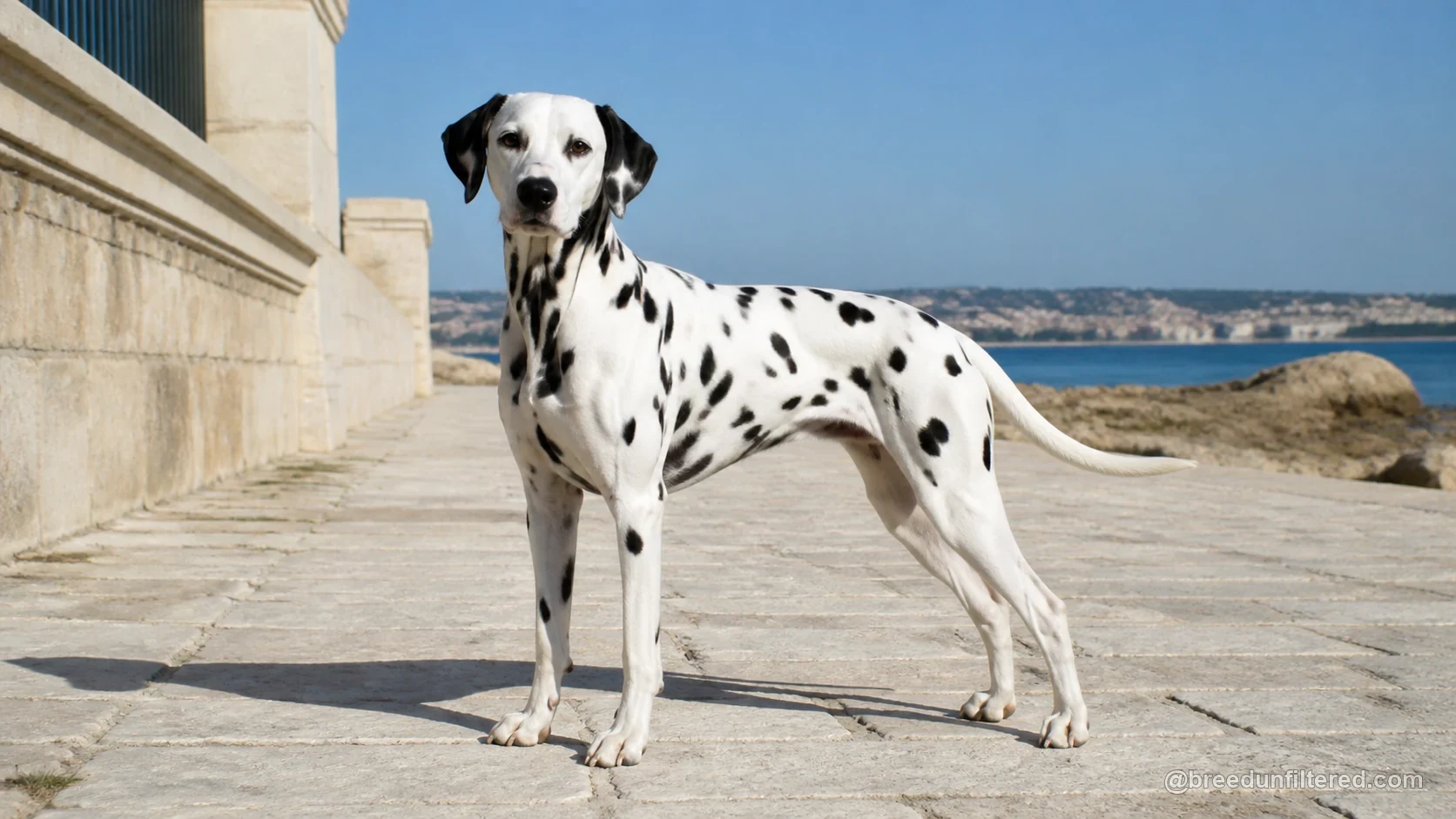
The Dalmatian is one of the most visually distinctive dog breeds, instantly recognized by its white coat adorned with black or liver spots. While many know the breed from popular culture, the real Dalmatian is a complex and energetic companion with a rich history. This article provides an evidence-conscious overview for prospective owners, covering the breed's origins, temperament, care requirements, and the responsibilities that come with sharing your life with a spotted athlete.
Before considering a Dalmatian, it is essential to understand that this is a high-energy, intelligent, and often independent breed. They were developed to run alongside carriages and horses, which has shaped their physical and mental needs. While they can be affectionate and loyal family members, they are not a low-maintenance choice. This guide aims to give you a realistic picture of what to expect, helping you decide if a Dalmatian is the right fit for your lifestyle.
Origin and Purpose
The Dalmatian's exact origins are debated, but the breed is named after the Dalmatia region of Croatia, where it was recognized in the 19th century. Historical evidence suggests that spotted dogs existed in various parts of the world, including ancient Egypt and Greece, but the modern Dalmatian was developed in Europe. The breed's most notable role was as a carriage dog, running alongside horse-drawn vehicles to protect them and clear the way. This historical purpose is reflected in the breed's stamina and love of running.
The Fédération Cynologique Internationale (FCI) classifies the Dalmatian in Group 6 (Scent hounds and related breeds) under standard number 153. The breed's official standard describes a medium-sized, well-balanced dog with a distinctive spotted coat. While carriage work is no longer common, the Dalmatian's athleticism and endurance remain central to its character. Understanding this heritage is key to appreciating why the breed requires ample exercise and mental stimulation.
Temperament and Variation
Dalmatians are often described as intelligent, active, and outgoing. They tend to form strong bonds with their families and can be affectionate companions. However, they are also known for their independence and can be stubborn at times. Individual temperament varies widely, influenced by genetics, socialization, and training. Some Dalmatians are more reserved with strangers, while others are exuberantly friendly. It is important to meet the parents or observe the puppy's behavior to gauge its personality.
There are two recognized coat color variations: black-spotted and liver-spotted. Both are equally accepted in the breed standard, and color does not appear to correlate with temperament. However, some Dalmatians may carry the gene for urate urolithiasis, a health condition that can affect their urinary system. This is not a temperament issue but a health consideration that prospective owners should be aware of. Responsible breeders screen for this condition, and it is a factor in the breed's overall care.
Exercise and Mental Work
The Dalmatian is a high-energy breed that requires substantial daily exercise to remain physically and mentally healthy. They were bred for endurance, so they thrive with activities like running, hiking, or cycling alongside an adult. A simple walk around the block is rarely sufficient. Without adequate exercise, Dalmatians can become bored and develop destructive behaviors. Prospective owners should be prepared to commit to at least an hour of vigorous activity each day, though individual needs vary.
Mental stimulation is equally important. Dalmatians are intelligent and enjoy problem-solving, so puzzle toys, obedience training, and canine sports such as agility or rally can be excellent outlets. They also benefit from having a job to do, whether it's learning tricks or participating in nose work. Engaging their minds helps prevent boredom and strengthens the bond between dog and owner. A tired Dalmatian is a well-behaved Dalmatian.
Training and Socialisation
Training a Dalmatian requires patience, consistency, and positive reinforcement methods. They respond well to reward-based training, but they can be sensitive to harsh corrections. Early socialization is crucial to help them become well-adjusted adults. Exposing them to a variety of people, animals, and environments during puppyhood can reduce the likelihood of fearfulness or aggression later in life. Puppy classes are a valuable investment.
Dalmatians are known for their intelligence, but they can also be independent thinkers. This means that training may require creativity and persistence. They are not typically eager to please in the same way as some sporting breeds, but they are capable of learning complex tasks. Establishing clear boundaries and consistent rules from the start is essential. Owners who enjoy training and are willing to put in the effort will find the Dalmatian a rewarding partner.
Family and Other Pets
Dalmatians can make excellent family dogs when raised with children and properly socialized. They are often playful and protective of their family members. However, their high energy and boisterous nature may be overwhelming for very young children, and they should always be supervised during interactions. Teaching children how to approach and handle dogs is important. Dalmatians tend to thrive in active households where they can participate in family activities.
Regarding other pets, Dalmatians generally get along well with other dogs, especially if they are socialized from an early age. However, they have a strong prey drive, which can be a concern with smaller animals such as cats, rabbits, or guinea pigs. While some Dalmatians live peacefully with cats, others may chase them. It is not a universal trait, but it is a consideration for households with small pets. Early and ongoing socialization can help, but supervision is recommended.
Grooming and Health
The Dalmatian's short, dense coat is relatively low-maintenance, but they do shed year-round. Regular brushing, at least once a week, helps remove loose hair and keep the coat healthy. They are clean dogs and do not have a strong doggy odor, so baths are only needed occasionally. Their nails should be trimmed regularly, and their ears checked for signs of infection. Dental hygiene is also important, with regular brushing recommended.
Dalmatians are generally a healthy breed, but they are prone to certain conditions, most notably urate urolithiasis, which can lead to bladder stones. This is due to a genetic mutation that affects uric acid metabolism. Responsible breeders screen for this condition, and a low-purine diet may be recommended for affected dogs. Other health concerns include deafness, which can occur in some puppies, and hip dysplasia. Prospective owners should ask breeders about health testing and obtain a health guarantee.
Costs and Responsibility
Owning a Dalmatian is a significant financial and time commitment. Initial costs include the purchase price from a responsible breeder, which can vary widely, as well as supplies such as a crate, bed, food, and veterinary care. Ongoing expenses include high-quality food, routine vet visits, vaccinations, and preventive medications. Additionally, Dalmatians may require professional grooming occasionally, though this is minimal. Pet insurance is worth considering to help manage unexpected medical costs.
Beyond finances, Dalmatians require a substantial time investment. They are not a breed that can be left alone for long periods without adequate exercise and mental stimulation. They thrive in homes where someone is present for much of the day. Prospective owners must be prepared for a long-term commitment of 10 to 13 years, ensuring they can provide the care, attention, and exercise the breed needs. Responsible ownership also involves training, socialization, and providing a safe environment.
Clear answers
FREQUENTLY ASKED QUESTIONS
Are Dalmatians good with children?
Dalmatians can be good with children, especially when raised together and properly socialized. They are often playful and protective, but their high energy may be too much for very young kids. Supervision is essential, and teaching children how to interact respectfully with dogs is crucial. Each dog's temperament varies, so it's important to assess individual behavior.
Do Dalmatians shed a lot?
Yes, Dalmatians shed year-round, and some owners describe it as constant. Their short hairs can be noticeable on clothing and furniture. Regular brushing, at least weekly, helps manage shedding, but it does not eliminate it. If you are sensitive to dog hair, this is a consideration.
How much exercise does a Dalmatian need?
Dalmatians are a high-energy breed and typically need at least an hour of vigorous exercise daily, though individual needs vary. Activities like running, hiking, or playing fetch are ideal. Without sufficient exercise, they may become bored and develop destructive behaviors. Mental stimulation is also important to keep them engaged.
Are Dalmatians easy to train?
Dalmatians are intelligent but can be independent and stubborn, making training a challenge for first-time owners. They respond best to positive reinforcement methods, such as treats and praise. Consistency and patience are key. Early socialization and puppy classes are highly recommended to shape a well-behaved adult.
What health issues are common in Dalmatians?
Dalmatians are prone to urate urolithiasis, which can cause bladder stones, and deafness, which can affect some puppies. Hip dysplasia is also seen. Responsible breeders screen for these conditions. A low-purine diet may be necessary for dogs with urinary issues. Regular veterinary check-ups are important for early detection.
Sources and further reading
Scores describe typical breed tendencies from 1 to 10. They are not a quality ranking or a prediction for an individual dog.
Size and presence5/10
CompactVery large
Physical strength5/10
LightExceptional
Energy level9/10
LowRelentless
Exercise demand10/10
ModestVery demanding
Mental work needed8/10
ModerateDaily job
Trainability6/10
ChallengingExceptional
Everyday manageability2/10
SpecialistStraightforward
First-time owner fit3/10
Poor fitGood fit
Family-life fit6/10
LimitedExcellent
Dog sociability8/10
SelectiveVery social
Prey drive10/10
LowVery high
Guarding tendency4/10
MinimalSerious
Independence8/10
Handler-focusedSelf-directed
Grooming demand6/10
LightHeavy
Apartment fit4/10
Poor fitGood fit