Complete breed guide
Basset Hound OWNERSHIP GUIDE
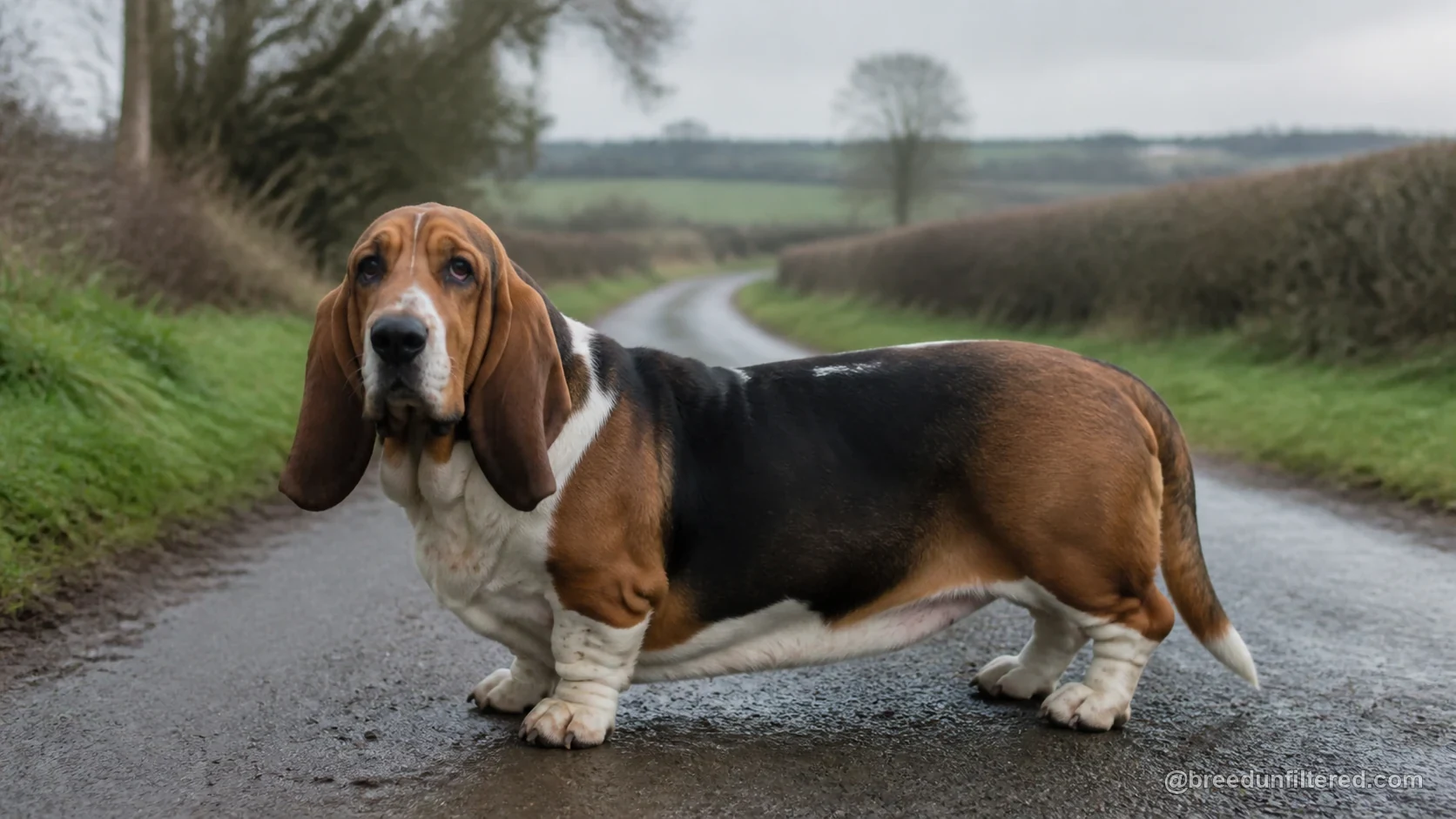
The Basset Hound, with its long ears, droopy eyes, and short legs, is one of the most recognizable dog breeds in the world. Originating in France and Belgium, this scent hound was developed to trail rabbits and hares, working at a deliberate pace that allowed hunters to follow on foot. Today, Basset Hounds are beloved companions known for their gentle, laid-back demeanor and distinctive appearance, but they also come with unique challenges that prospective owners should carefully consider.
Before bringing a Basset Hound into your home, it's essential to understand that this breed is not for everyone. Their independent nature, strong prey drive, and potential for stubbornness can test even experienced dog owners. However, for those who appreciate their quirky charm and are willing to meet their needs, Basset Hounds can be loyal, affectionate, and endlessly entertaining. This guide aims to provide an honest, evidence-conscious overview of the breed, helping you decide if a Basset Hound is the right fit for your lifestyle.
Origin and Purpose
The Basset Hound's history is rooted in France, where the word 'bas' means 'low,' referring to the breed's short stature. Developed from bloodhounds and other French hounds, the Basset Hound was selectively bred to have a keen nose and a slow, steady gait, making it ideal for hunters on foot. The breed's low-slung body and long ears help trap scent particles near the ground, enhancing its tracking ability. By the 19th century, the Basset Hound had gained popularity in England, where it was refined and eventually recognized by kennel clubs.
Today, the Basset Hound is classified by the Fédération Cynologique Internationale (FCI) in Group 6, which includes scent hounds and related breeds. The FCI standard (number 163) describes the breed's physical characteristics and temperament, emphasizing its role as a pack hound. While most Basset Hounds today are companions rather than working dogs, their innate scenting abilities and determination remain strong, influencing their behavior in everyday life.
Temperament and Variation
Basset Hounds are generally known for their gentle, easygoing, and affectionate nature. They tend to be good-natured and get along well with children and other dogs, often thriving in a family environment. However, they are also independent thinkers, a trait common among hounds, which can manifest as stubbornness. Individual temperaments vary widely, influenced by genetics, socialization, and training, so it's important to meet a puppy's parents and observe their behavior when possible.
While the breed standard describes a typical temperament, each Basset Hound is an individual. Some may be more outgoing, while others are more reserved. They are not typically aggressive, but they can be vocal, using baying and howling to communicate. Prospective owners should be prepared for a dog that may follow its nose rather than commands, and that may have a mind of its own. Understanding and accepting these breed tendencies is crucial for a harmonious relationship.
Exercise and Mental Work
Basset Hounds have moderate exercise needs, but they are not high-energy dogs. Daily walks and some playtime in a securely fenced area are usually sufficient to keep them physically healthy. However, their strong scenting instinct means that off-leash exercise is risky, as they may follow a scent and become oblivious to their surroundings. A fenced yard is essential, and leash walks should be controlled to prevent pulling.
Mental stimulation is just as important as physical exercise for this intelligent breed. Scent games, puzzle toys, and nose work can engage their minds and prevent boredom, which might otherwise lead to destructive behaviors. Because they were bred to work independently, they can be content to lounge for long periods, but they still need regular opportunities to use their noses. Balancing physical activity with mental challenges will help keep a Basset Hound happy and well-adjusted.
Training and Socialisation
Training a Basset Hound requires patience, consistency, and positive reinforcement. They respond well to treats and praise, but they can be easily distracted by scents, making training sessions challenging. Short, engaging sessions are more effective than long, repetitive ones. Harsh methods are counterproductive, as they can lead to fear or stubbornness. Early socialization is vital to help them become well-rounded adults, exposing them to various people, animals, and environments.
Because of their independent nature, Basset Hounds may not be the easiest breed for first-time owners. They can be stubborn and may test boundaries, so a firm but gentle approach is necessary. Crate training can be beneficial for housebreaking and providing a safe space. It's also important to teach a reliable recall, though even with training, off-leash reliability is not guaranteed. Professional training classes can be helpful for both the dog and the owner.
Family and Other Pets
Basset Hounds are generally good with children, often being patient and tolerant. Their playful yet calm demeanor makes them suitable playmates for older kids who understand how to interact with dogs. However, like any breed, supervision is necessary, especially with younger children, to prevent accidental injuries due to the dog's size and the child's behavior. They are also typically sociable with other dogs, as they were bred to work in packs.
When it comes to smaller pets, such as cats or rabbits, caution is advised. Basset Hounds have a strong prey drive, which may lead them to chase or even harm smaller animals. Early socialization can help, but it's not a guarantee. Each dog's behavior varies, and some Basset Hounds may live peacefully with cats if raised together. Prospective owners with small pets should carefully consider this aspect and be prepared to manage interactions.
Grooming and Health
Basset Hounds have a short, dense coat that sheds moderately year-round. Regular brushing, at least once a week, helps remove loose hair and keep the coat healthy. Their long, floppy ears require special attention: they should be checked and cleaned regularly to prevent infections, as the ear canals are not well-ventilated. Additionally, their facial wrinkles should be kept dry and clean to avoid skin issues.
Like many purebred dogs, Basset Hounds are prone to certain health conditions, including ear infections, obesity, and joint problems such as hip dysplasia and elbow dysplasia. Their long back and short legs make them susceptible to intervertebral disc disease, so they should not be allowed to jump from heights or engage in strenuous activities. Regular veterinary check-ups, a balanced diet, and maintaining a healthy weight are crucial. Prospective owners should ask breeders about health screenings for the parents.
Costs and Responsibility
Owning a Basset Hound involves significant financial and time commitments. Initial costs include the purchase price from a reputable breeder, which can vary widely, as well as supplies such as a crate, bedding, food bowls, and grooming tools. Ongoing expenses include high-quality dog food, routine veterinary care, vaccinations, flea and tick prevention, and pet insurance. Emergency medical costs can be substantial, especially for breed-specific issues like ear infections or back problems.
Beyond finances, Basset Hounds require daily attention, exercise, and mental stimulation. They are social animals and should not be left alone for long periods, as they may develop separation anxiety or destructive behaviors. Prospective owners must be prepared for a long-term commitment of 10 to 12 years or more. Adopting from a rescue organization is also an option, giving a home to a dog in need. Responsible ownership means understanding and meeting the breed's needs throughout its life.
Clear answers
FREQUENTLY ASKED QUESTIONS
Are Basset Hounds good with children?
Basset Hounds are generally patient and gentle with children, making them good family dogs. However, supervision is always recommended, especially with younger children, to prevent accidental injuries. Their sturdy build and tolerant nature can handle playful interactions, but children should be taught how to properly approach and handle dogs. Early socialization and training help ensure a positive relationship.
Do Basset Hounds bark a lot?
Basset Hounds are known for their distinctive baying howl, which they may use to communicate. They are not excessive barkers, but they can be vocal, especially when they catch an interesting scent or are left alone. Training and providing mental stimulation can help manage excessive vocalization. Prospective owners should be comfortable with some level of noise.
How much exercise does a Basset Hound need?
Basset Hounds have moderate exercise needs, typically requiring daily walks and playtime. They are not high-energy dogs and are content with a leisurely pace. However, they should not be over-exercised, especially as puppies, to protect their joints. Mental stimulation through scent games is also important to keep them engaged and prevent boredom.
Are Basset Hounds easy to train?
Basset Hounds can be challenging to train due to their independent and stubborn nature. They are intelligent but easily distracted by scents, so training requires patience and consistency. Positive reinforcement methods work best, and short, fun sessions are more effective. Early socialization and obedience classes are highly recommended, especially for first-time owners.
What health issues are common in Basset Hounds?
Basset Hounds are prone to certain health conditions, including ear infections, obesity, hip and elbow dysplasia, and intervertebral disc disease. Their long ears and droopy eyes require regular care. Maintaining a healthy weight and avoiding excessive jumping can help reduce risks. Regular veterinary check-ups and health screenings for breeding dogs are important.
Sources and further reading
Scores describe typical breed tendencies from 1 to 10. They are not a quality ranking or a prediction for an individual dog.
Size and presence5/10
CompactVery large
Physical strength5/10
LightExceptional
Energy level9/10
LowRelentless
Exercise demand9/10
ModestVery demanding
Mental work needed8/10
ModerateDaily job
Trainability5/10
ChallengingExceptional
Everyday manageability2/10
SpecialistStraightforward
First-time owner fit3/10
Poor fitGood fit
Family-life fit7/10
LimitedExcellent
Dog sociability9/10
SelectiveVery social
Prey drive10/10
LowVery high
Guarding tendency3/10
MinimalSerious
Independence8/10
Handler-focusedSelf-directed
Grooming demand4/10
LightHeavy
Apartment fit4/10
Poor fitGood fit