Complete breed guide
Czech Terrier OWNERSHIP GUIDE
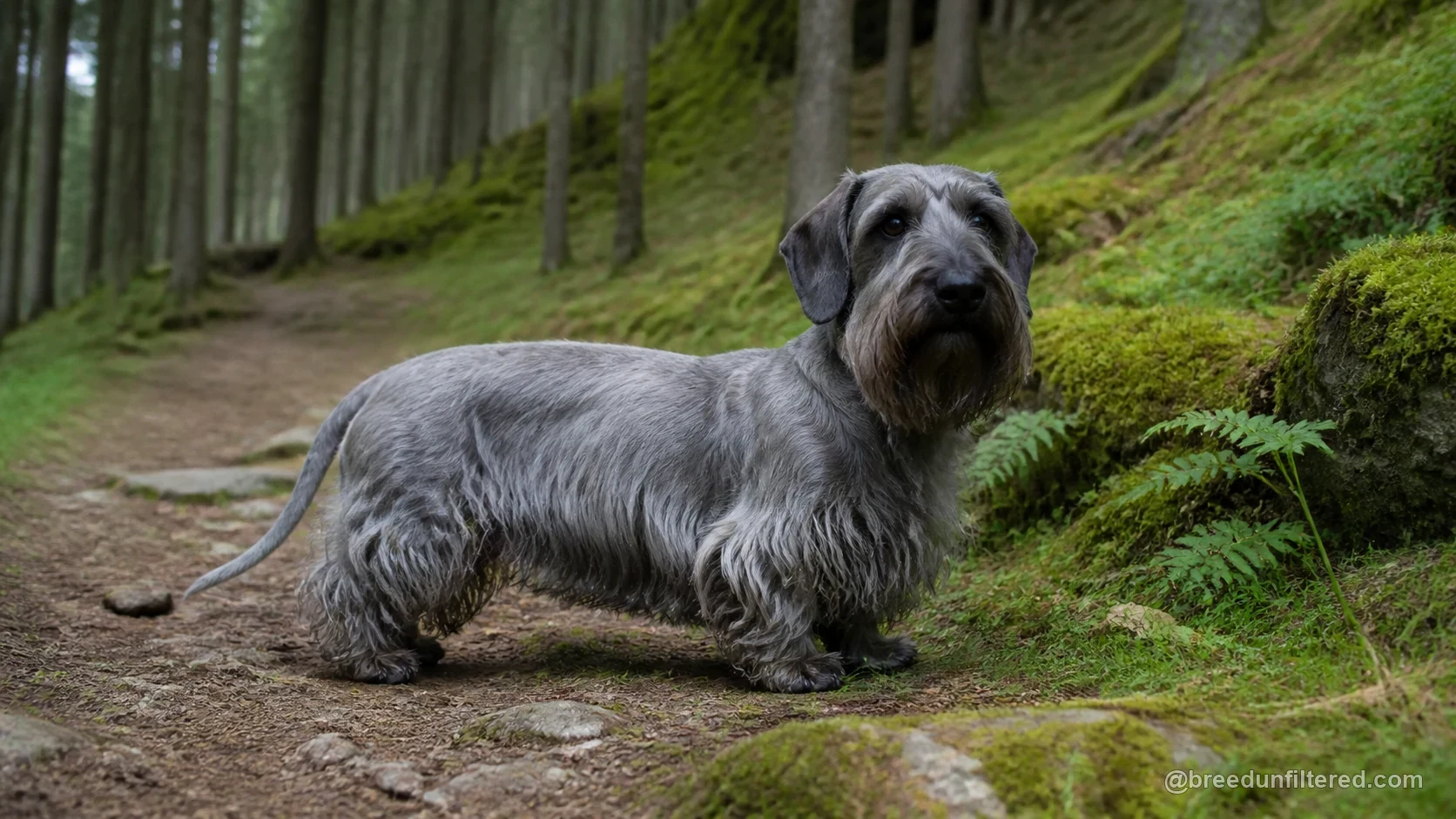
The Czech Terrier, also known as the Cesky Terrier, is a rare and distinctive breed with a rich history as a versatile hunting dog. Developed in the mid-20th century by Czech breeder František Horák, this terrier was created to combine the hunting prowess of the Scottish Terrier and Sealyham Terrier with a calmer, more cooperative disposition. The result is a low-slung, muscular dog with a silky, wavy coat and a gentle, loyal nature that sets it apart from many of its more fiery terrier relatives.
While still uncommon outside its native Czech Republic, the Czech Terrier has gained a devoted following among those who appreciate its unique blend of hunting ability and family companionship. With proper socialization and training, this breed can be a wonderful addition to many households, though its strong prey drive and independent streak mean it is not for everyone. This article explores the breed's origins, temperament, care needs, and more to help you decide if a Czech Terrier is the right fit for your life.
Origin and Purpose
The Czech Terrier was developed in the 1940s and 1950s by František Horák, a Czech breeder and hunter who sought to create a terrier that could work in the forests of Bohemia. He crossed Scottish Terriers and Sealyham Terriers, aiming for a dog with the courage and hunting instinct of a terrier but with a more even temperament and a longer, lower body suited for navigating dense undergrowth. The breed was officially recognized by the FCI in 1963, and it remains one of the rarest terrier breeds worldwide.
Originally bred to hunt vermin and small game, the Czech Terrier was also expected to retrieve and even track wounded game. This versatility made it a valuable companion for hunters. Today, while many Czech Terriers are primarily companions, they still retain their hunting instincts and require ample mental and physical stimulation. Understanding this heritage is key to appreciating the breed's needs and behaviors.
Temperament and Variation
Czech Terriers are often described as calm, loyal, and affectionate with their families. They tend to be less excitable and less aggressive than many other terriers, making them more adaptable to indoor living. They are typically devoted to their owners and can be reserved with strangers, but they are not usually aggressive. However, like all dogs, individual temperaments vary, and early socialization is essential to ensure a well-rounded adult.
While the breed standard describes a generally friendly and even-tempered dog, there can be variation in energy levels and sociability. Some Czech Terriers may be more outgoing, while others are more cautious. They are intelligent and can be somewhat independent, which can be both a charm and a challenge. Prospective owners should be prepared for a dog that may have a stubborn streak but is also eager to please when training is consistent and positive.
Exercise and Mental Work
Czech Terriers are moderately active dogs. They enjoy daily walks and play sessions but do not require the high-intensity exercise of some sporting breeds. A couple of moderate walks per day, combined with opportunities to sniff and explore, can meet their physical needs. They also benefit from a securely fenced yard where they can roam and investigate, though they should always be supervised due to their hunting instincts.
Mental stimulation is just as important as physical exercise for this intelligent breed. Puzzle toys, scent games, and training sessions that challenge their minds can help prevent boredom and destructive behaviors. Because they were bred to work independently, they appreciate tasks that allow them to use their noses and problem-solving skills. Without adequate mental engagement, they may become restless or develop undesirable habits.
Training and Socialisation
Training a Czech Terrier requires patience and a positive, reward-based approach. They respond well to treats and praise, but they can be sensitive to harsh corrections. Early socialization is crucial to help them become confident and well-mannered around people, other dogs, and new situations. Puppy classes and regular exposure to various environments can help prevent shyness or over-caution.
Due to their independent nature, Czech Terriers may sometimes appear stubborn. Consistency and short, engaging training sessions are more effective than long, repetitive drills. They are capable of learning basic obedience and even advanced tricks, but owners should be prepared to motivate them with high-value rewards. Crate training and housebreaking are usually manageable with a consistent routine.
Family and Other Pets
Czech Terriers can make excellent family dogs, especially in households with older children who understand how to interact respectfully with dogs. They are generally gentle and playful, and they form strong bonds with their families. However, like all terriers, they may not tolerate rough handling, so supervision with young children is recommended. They are often described as 'velcro dogs' who prefer to be close to their people.
When it comes to other pets, the Czech Terrier's prey drive can be a challenge. They may chase small animals such as cats, rabbits, or rodents, and they may not be reliable with them unless raised together and carefully trained. With other dogs, they can be sociable if properly introduced, but they may be wary of unfamiliar dogs. Early and ongoing socialization is key to fostering peaceful coexistence.
Grooming and Health
The Czech Terrier has a soft, silky, wavy coat that requires regular grooming. It is not a heavy shedder, but it does need brushing several times a week to prevent mats and tangles. Professional grooming every few months is often recommended to maintain the breed's distinctive clipped appearance, which includes a beard and eyebrows. Regular ear cleaning and nail trimming are also part of routine care.
As a relatively healthy breed, Czech Terriers may still be prone to certain genetic conditions, including Scottie Cramp, a neurological disorder that can affect movement, and some eye issues. Responsible breeders screen for these conditions. Prospective owners should ask about health testing and be prepared for potential veterinary costs. Overall, the breed has a lifespan of around 12 to 15 years, and maintaining a healthy weight and regular exercise can contribute to longevity.
Costs and Responsibility
Owning a Czech Terrier is a long-term commitment that involves financial and time investments. Initial costs include the purchase price from a reputable breeder, which can be significant due to the breed's rarity, as well as supplies like a crate, bed, and grooming tools. Ongoing expenses include high-quality food, routine veterinary care, grooming, and pet insurance. Emergency medical costs can also arise, so budgeting is essential.
Beyond finances, responsible ownership means providing proper training, socialization, and daily care. Czech Terriers thrive on human companionship and should not be left alone for long periods. They are not a low-maintenance breed in terms of grooming and mental stimulation. Prospective owners should research the breed thoroughly, connect with breeders or rescue organizations, and be prepared to meet the dog's needs for its entire life.
Clear answers
FREQUENTLY ASKED QUESTIONS
Are Czech Terriers good with children?
Czech Terriers can be good with children, especially when raised with them and properly socialized. They are generally gentle and playful, but like all dogs, they should be supervised with young children to prevent accidental injuries. Teaching children how to interact respectfully with dogs is important. Their calm nature often makes them a good fit for families with older kids who understand boundaries.
Do Czech Terriers shed a lot?
Czech Terriers are considered low shedders. Their silky, wavy coat does not shed heavily, but it does require regular brushing to prevent tangles and mats. They are not truly hypoallergenic, but their minimal shedding may be more tolerable for some allergy sufferers. Regular grooming, including professional trims, is necessary to keep their coat in good condition.
How much exercise does a Czech Terrier need?
Czech Terriers are moderately active and need daily walks and playtime, but they do not require intense exercise. A couple of 30-minute walks per day, plus time to explore a fenced yard, can meet their physical needs. Mental stimulation is equally important, so puzzle toys and training games are recommended to keep them engaged and prevent boredom.
Are Czech Terriers easy to train?
Czech Terriers are intelligent but can be independent and somewhat stubborn. They respond best to positive reinforcement methods, such as treats and praise. Early socialization and consistent, patient training are essential. They may not be the easiest breed for first-time owners, but with dedication and a gentle approach, they can learn obedience and even advanced commands.
Do Czech Terriers get along with other dogs?
Czech Terriers can get along with other dogs if they are properly socialized from a young age. They may be wary of unfamiliar dogs, but with gradual introductions and positive experiences, they can coexist peacefully. Their prey drive can make them unsafe around small pets like cats or rodents, so caution is advised in multi-pet households.
Sources and further reading
Scores describe typical breed tendencies from 1 to 10. They are not a quality ranking or a prediction for an individual dog.
Size and presence4/10
CompactVery large
Physical strength6/10
LightExceptional
Energy level8/10
LowRelentless
Exercise demand8/10
ModestVery demanding
Mental work needed8/10
ModerateDaily job
Trainability6/10
ChallengingExceptional
Everyday manageability3/10
SpecialistStraightforward
First-time owner fit4/10
Poor fitGood fit
Family-life fit6/10
LimitedExcellent
Dog sociability4/10
SelectiveVery social
Prey drive10/10
LowVery high
Guarding tendency4/10
MinimalSerious
Independence9/10
Handler-focusedSelf-directed
Grooming demand6/10
LightHeavy
Apartment fit5/10
Poor fitGood fit