Complete breed guide
Yorkshire Terrier OWNERSHIP GUIDE
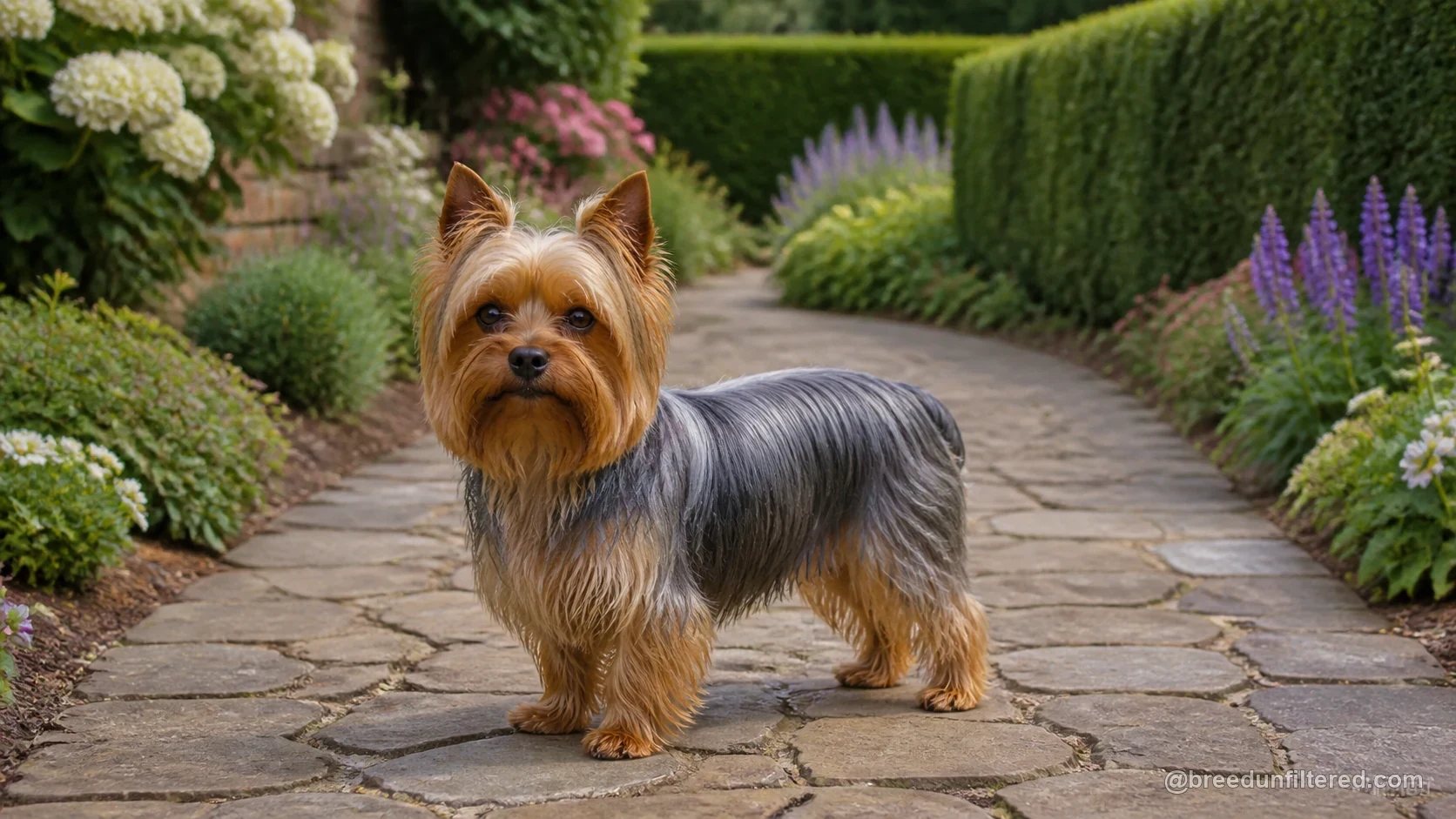
The Yorkshire Terrier, often affectionately called the Yorkie, is a small dog with a big personality. Originating in 19th-century England, this breed was developed in the county of Yorkshire to catch rats in mills and mines. Despite its diminutive size, the Yorkie carries itself with confidence and charm, making it a popular companion in many households around the world.
Before bringing a Yorkshire Terrier into your life, it's essential to understand the breed's distinctive traits and needs. While they are known for their silky coat and spirited demeanor, they also require dedicated grooming, consistent training, and thoughtful socialization. This guide aims to provide a balanced overview to help you decide if a Yorkie is the right fit for your lifestyle.
Origin and Purpose
The Yorkshire Terrier's roots trace back to the industrial north of England, where workers bred small terriers to hunt vermin in textile mills and coal mines. The breed likely resulted from crosses between various terriers, including the now-extinct Clydesdale Terrier and possibly the Maltese. These early Yorkies were valued for their tenacity and ability to keep rodent populations in check.
Over time, the Yorkshire Terrier transitioned from a working-class ratter to a fashionable companion, particularly among Victorian ladies. The breed's elegant appearance and portable size made it a favorite in high society. Today, the Yorkie is primarily a companion dog, but its terrier heritage still influences its alertness and spirited nature.
Temperament and Variation
Yorkshire Terriers are known for their affectionate and lively temperament. They often form strong bonds with their owners and can be quite devoted. While individual personalities vary, many Yorkies are confident and curious, sometimes displaying a 'big dog' attitude despite their small stature. They tend to be alert and may bark to announce visitors or unusual sounds.
There is some variation within the breed, including differences in size and coat color. The breed standard specifies a steel blue and tan coat, but some Yorkies may have slightly different shades. Additionally, 'teacup' Yorkies are not a separate breed but rather smaller individuals; however, such extreme miniaturization can be associated with health risks, so it's important to focus on health and temperament rather than size alone.
Exercise and Mental Work
Despite their small size, Yorkshire Terriers have moderate energy levels and benefit from daily exercise. Short walks and indoor play sessions can help meet their physical needs. However, they are adaptable and can thrive in apartments if given regular opportunities to burn off energy. It's important to avoid overexertion, especially in extreme weather, due to their small size.
Mental stimulation is equally important for this intelligent breed. Puzzle toys, training sessions, and interactive games can keep their minds engaged. Without adequate mental work, Yorkies may develop undesirable behaviors such as excessive barking or digging. Providing a variety of activities can help channel their terrier instincts in positive ways.
Training and Socialisation
Yorkshire Terriers are intelligent and can learn quickly, but they also have a stubborn streak. Consistent, positive reinforcement methods work best, as harsh training can lead to fearfulness. Early socialization is crucial to help them become well-adjusted adults. Exposing them to different people, animals, and environments can reduce the likelihood of shyness or aggression.
House training can be challenging due to their small bladders and sometimes independent nature. Crate training and a consistent schedule can aid in this process. Additionally, teaching basic obedience commands is important for safety and good manners. With patience and gentle guidance, Yorkies can be responsive and eager to please.
Family and Other Pets
Yorkshire Terriers can make wonderful companions for individuals and families, but they may not be the best choice for very young children. Their small size makes them vulnerable to accidental injury from rough handling. Older children who understand how to interact gently can form strong bonds with a Yorkie. Supervision is always recommended when a dog and young children are together.
When it comes to other pets, Yorkies can get along with other dogs and cats if properly socialized from a young age. However, their terrier instinct may lead them to chase small animals like rodents or birds. Each dog's temperament varies, so introductions should be gradual and controlled. With time and positive experiences, many Yorkies live harmoniously with other pets.
Grooming and Health
The Yorkshire Terrier's long, silky coat is one of its most distinctive features, but it requires significant upkeep. Daily brushing is often necessary to prevent tangles and mats. Many owners choose to keep their Yorkie in a shorter 'puppy cut' for easier maintenance. Regular bathing, ear cleaning, and nail trimming are also part of the grooming routine.
Like all breeds, Yorkshire Terriers are prone to certain health conditions, though not every dog will be affected. These may include dental issues, patellar luxation, and tracheal collapse. Regular veterinary check-ups and a healthy diet can help manage potential problems. Prospective owners should be prepared for the financial and time commitment that comes with responsible pet ownership.
Costs and Responsibility
Owning a Yorkshire Terrier involves various costs beyond the initial purchase or adoption fee. These include high-quality food, routine veterinary care, grooming supplies, and potential medical expenses. Grooming costs can be significant if you choose professional services. It's wise to budget for unexpected health issues, possibly through pet insurance or a dedicated savings fund.
Responsibility also extends to providing a safe and enriching environment. Yorkies are companion dogs and thrive on human interaction, so they may not do well if left alone for long periods. Prospective owners should consider their lifestyle and ability to meet the breed's needs. With proper care, a Yorkshire Terrier can be a loyal and joyful addition to the family.
Clear answers
FREQUENTLY ASKED QUESTIONS
Are Yorkshire Terriers good with children?
Yorkshire Terriers can be good with children, but they are small and delicate, so interactions should be supervised. They are often better suited to families with older children who understand how to handle them gently. Early socialization and training can help them become more comfortable around kids, but it's important to teach children how to respect the dog's space and avoid rough play.
How much exercise does a Yorkshire Terrier need?
Yorkshire Terriers have moderate exercise needs. Daily short walks and indoor play sessions are usually sufficient to keep them healthy and happy. They are adaptable and can get much of their exercise indoors, making them suitable for apartment living. However, they still benefit from regular opportunities to explore and burn off energy, so a consistent routine is recommended.
Do Yorkshire Terriers shed a lot?
Yorkshire Terriers are considered low-shedding dogs, which can be appealing for people with allergies. However, their long, silky coat requires regular grooming to prevent tangles and mats. They are not truly hypoallergenic, as allergens can still be present in dander and saliva. Regular brushing and occasional professional grooming are necessary to keep their coat in good condition.
Are Yorkshire Terriers easy to train?
Yorkshire Terriers are intelligent and can learn quickly, but they can also be stubborn. Positive reinforcement methods, such as treats and praise, work best. Consistency and patience are key, especially with house training, which can be challenging due to their small size. Early socialization and obedience training are important to prevent behavioral issues and ensure a well-mannered companion.
What health issues are common in Yorkshire Terriers?
Yorkshire Terriers may be prone to certain health conditions, including dental disease, patellar luxation (knee problems), and tracheal collapse. They can also be sensitive to anesthesia and may have liver shunts. Regular veterinary check-ups, a balanced diet, and proper dental care can help mitigate some risks. It's important to obtain a puppy from a responsible breeder who screens for hereditary conditions.
Sources and further reading
Scores describe typical breed tendencies from 1 to 10. They are not a quality ranking or a prediction for an individual dog.
Size and presence4/10
CompactVery large
Physical strength5/10
LightExceptional
Energy level8/10
LowRelentless
Exercise demand8/10
ModestVery demanding
Mental work needed8/10
ModerateDaily job
Trainability6/10
ChallengingExceptional
Everyday manageability4/10
SpecialistStraightforward
First-time owner fit4/10
Poor fitGood fit
Family-life fit6/10
LimitedExcellent
Dog sociability4/10
SelectiveVery social
Prey drive9/10
LowVery high
Guarding tendency4/10
MinimalSerious
Independence9/10
Handler-focusedSelf-directed
Grooming demand6/10
LightHeavy
Apartment fit5/10
Poor fitGood fit