Complete breed guide
Continental Toy Spaniel OWNERSHIP GUIDE
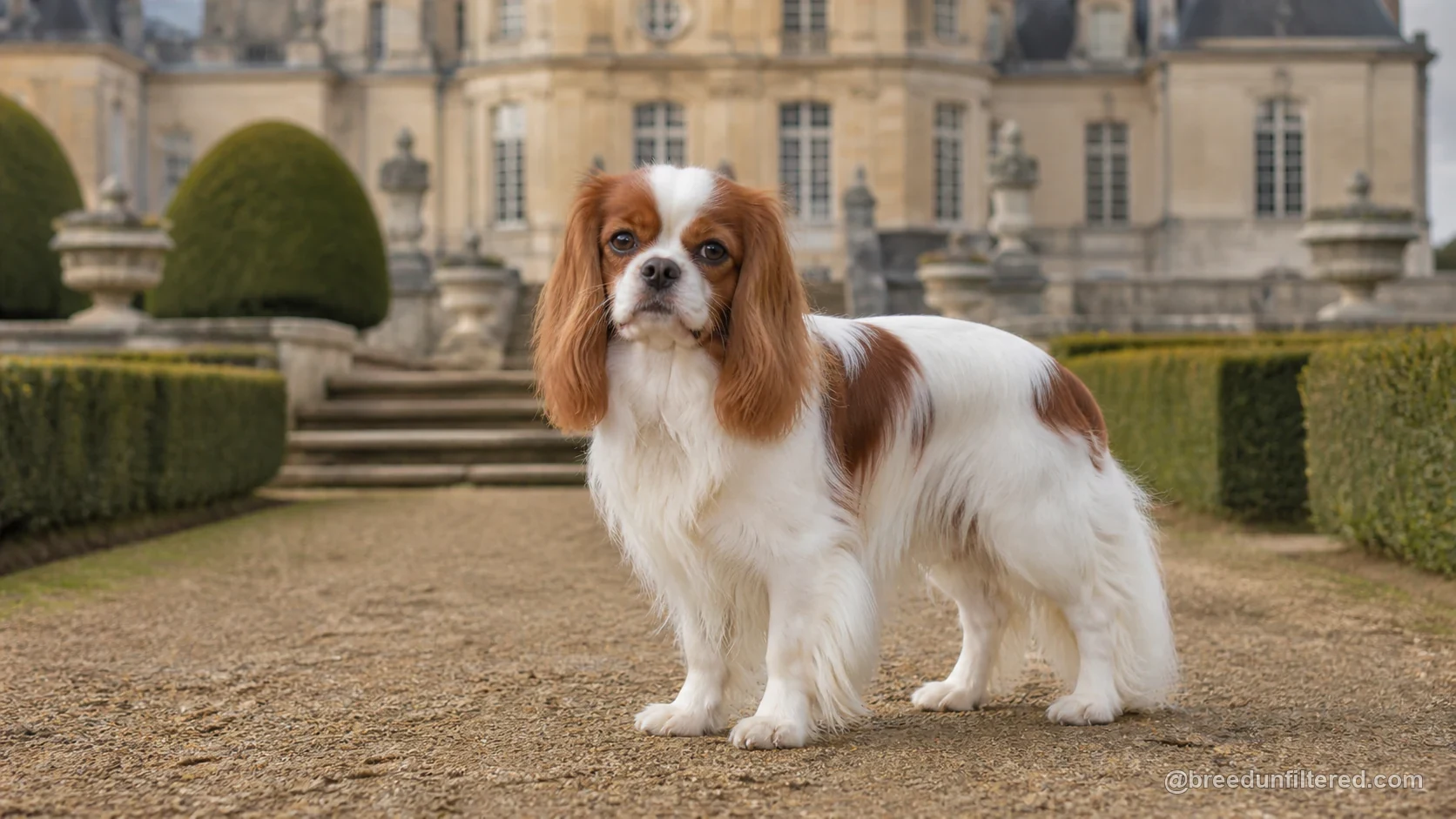
The Continental Toy Spaniel, also known as the Papillon (when erect-eared) or Phalène (when drop-eared), is a small companion breed with a long and storied history. Recognized by the Fédération Cynologique Internationale (FCI) under the name 'Epagneul Nain Continental' (Continental Toy Spaniel), this breed has been a favorite of European nobility for centuries, often depicted in classic paintings. Today, they are cherished as alert, affectionate companions who thrive in a variety of living situations, from apartments to larger homes.
Prospective owners should understand that the Continental Toy Spaniel is a true spaniel in miniature, combining a playful, curious nature with a surprisingly sturdy build for its size. While they are often associated with lapdog behavior, they are also intelligent and energetic, requiring a balanced approach to exercise and mental stimulation. This article provides an evidence-conscious overview of the breed's characteristics, care requirements, and considerations for those thinking about welcoming one into their family.
Origin and Purpose
The Continental Toy Spaniel's ancestry traces back to the toy spaniels of Renaissance Europe, where they were prized as companions to royalty and aristocrats. The breed's name 'Papillon' (French for butterfly) refers to the erect ears that resemble butterfly wings, while 'Phalène' (moth) describes the drop-eared variety. The FCI standard, number 77, recognizes both varieties under the same breed name, with the only difference being ear carriage.
Historically, these dogs were bred for companionship rather than a specific working role, though they were also known to catch mice and provide warmth in bed chambers. Their small size and charming demeanor made them ideal lapdogs, and they were often seen in the courts of France, Spain, and Italy. Today, they remain primarily companion animals, but their intelligence and agility have also made them successful in dog sports such as obedience and rally.
Temperament and Variation
The Continental Toy Spaniel is generally described as lively, alert, and friendly. They are known for their strong bond with their human family and often seek to be involved in daily activities. While individual temperaments vary, the breed tends to be confident and curious, with a playful streak that lasts well into adulthood. They are not typically shy or aggressive, but early socialization is important to ensure they develop into well-rounded adults.
The two ear varieties, Papillon and Phalène, share the same temperament and are not considered separate breeds. However, some enthusiasts note subtle differences in personality, with Phalènes sometimes being perceived as calmer, though such observations are anecdotal. As with any breed, a dog's upbringing, environment, and genetics all play a role in shaping its personality, so it is essential to meet the parents or spend time with the puppy before making a commitment.
Exercise and Mental Work
Despite their small size, Continental Toy Spaniels are energetic and require regular exercise to stay healthy and happy. Daily walks, play sessions, and opportunities to run in a securely fenced area are typically sufficient to meet their physical needs. They are agile and enjoy activities like fetch, which also provides mental stimulation. However, they are adaptable and can thrive with moderate exercise, making them suitable for city dwellers who can provide consistent outdoor time.
Mental work is equally important for this intelligent breed. Puzzle toys, trick training, and interactive games can help prevent boredom and destructive behaviors. Because they were bred as companions, they are highly attuned to their owners and often excel in activities that involve cooperation, such as agility or nose work. Providing a variety of mental challenges can strengthen the bond between dog and owner and keep the dog's sharp mind engaged.
Training and Socialisation
Continental Toy Spaniels are generally eager to please and respond well to positive reinforcement training methods. They are intelligent and can learn commands quickly, but they may also have a stubborn streak, so patience and consistency are key. Harsh training methods are not recommended, as they can damage the dog's trust and willingness to learn. Short, fun training sessions are more effective than long, repetitive ones.
Early socialisation is crucial to help the breed develop into a confident adult. Exposing the puppy to a variety of people, animals, environments, and sounds in a positive way can reduce the likelihood of fearfulness or reactivity. Puppy classes and supervised playdates with other well-mannered dogs can be beneficial. As with any breed, individual dogs may have different thresholds, so it is important to go at the puppy's pace and avoid overwhelming experiences.
Family and Other Pets
Continental Toy Spaniels are known for their affectionate nature and often form strong bonds with all family members, including children. However, due to their small size, they can be easily injured by rough handling, so interactions with very young children should always be supervised. They are generally good with older children who understand how to treat a small dog gently. The breed tends to be sociable with other dogs and can coexist with cats if introduced properly.
As with any dog, early and ongoing socialisation is key to fostering positive relationships with other pets. While the breed does not typically exhibit high prey drive, some individuals may chase small animals, so caution is advised when introducing them to rodents or birds. Overall, the Continental Toy Spaniel can be a wonderful family companion, but it is essential to teach children how to interact respectfully and to provide the dog with a safe space where it can retreat if needed.
Grooming and Health
The Continental Toy Spaniel has a long, silky coat that requires regular grooming to prevent mats and tangles. Brushing several times a week is typically recommended, with more frequent attention during shedding seasons. Many owners opt for a professional groomer every few months to keep the coat in good condition. The ears, especially in the drop-eared variety, should be checked regularly for signs of infection, and dental care is important for this small breed.
As with many purebred dogs, the Continental Toy Spaniel may be predisposed to certain health conditions, including patellar luxation, progressive retinal atrophy, and dental issues. Responsible breeders screen their breeding stock for these conditions, but prospective owners should be aware of potential health concerns and budget for routine veterinary care. Regular check-ups, a balanced diet, and appropriate exercise can help maintain overall health, but no breed is immune to illness.
Costs and Responsibility
Owning a Continental Toy Spaniel involves financial and time commitments. Initial costs include the purchase price from a reputable breeder, which can vary widely, as well as supplies such as a crate, bedding, food bowls, and grooming tools. Ongoing expenses include high-quality dog food, routine veterinary care, vaccinations, and preventive medications. Grooming costs, if using a professional, should also be considered. Pet insurance is an option that can help manage unexpected medical bills.
Beyond finances, prospective owners must be prepared for the responsibility of caring for a living being for 12 to 16 years or more. This includes providing daily exercise, mental stimulation, socialisation, and affection. The breed thrives on human companionship and may not do well if left alone for long periods. Potential owners should assess their lifestyle, living situation, and ability to meet the dog's needs before making a commitment. Adopting from a rescue or shelter is also a noble option, as many purebred dogs end up in need of homes.
Clear answers
FREQUENTLY ASKED QUESTIONS
Are Continental Toy Spaniels good for first-time dog owners?
Continental Toy Spaniels can be suitable for first-time owners due to their intelligence and eagerness to please, but they require consistent training and socialisation. Their small size makes them manageable, but they are energetic and need daily exercise. Prospective owners should be prepared to invest time in positive reinforcement training and provide mental stimulation. As with any breed, individual temperament varies, so meeting the puppy's parents can offer insight.
Do Continental Toy Spaniels get along with children?
Continental Toy Spaniels can get along well with children, especially older ones who understand how to handle a small dog gently. They are affectionate and playful, but their small size makes them vulnerable to accidental injury from rough play. Supervision is essential when they are around toddlers. Teaching children to respect the dog's space and signals is crucial for a harmonious relationship.
How much grooming does a Continental Toy Spaniel need?
The Continental Toy Spaniel has a long, silky coat that requires regular grooming to prevent mats and tangles. Brushing several times a week is recommended, and some owners choose to keep the coat trimmed for easier maintenance. Regular ear checks, especially for drop-eared individuals, and dental care are also important. Professional grooming every few months can help keep the coat in top condition.
Are Continental Toy Spaniels easy to train?
Continental Toy Spaniels are generally intelligent and eager to please, making them responsive to positive reinforcement training. However, they can have a stubborn streak, so patience and consistency are necessary. Short, fun training sessions work best. Early socialisation is also important to prevent shyness or reactivity. They excel in activities like obedience and agility when trained with kindness.
What is the difference between a Papillon and a Phalène?
The Papillon and Phalène are two varieties of the same breed, the Continental Toy Spaniel. The primary difference is ear carriage: the Papillon has erect ears, while the Phalène has drop ears. Both varieties are recognized under the same FCI standard and share similar temperament and care requirements. The choice between them is often based on personal preference for appearance.
Sources and further reading
Scores describe typical breed tendencies from 1 to 10. They are not a quality ranking or a prediction for an individual dog.
Size and presence1/10
CompactVery large
Physical strength1/10
LightExceptional
Energy level5/10
LowRelentless
Exercise demand4/10
ModestVery demanding
Mental work needed6/10
ModerateDaily job
Trainability6/10
ChallengingExceptional
Everyday manageability6/10
SpecialistStraightforward
First-time owner fit9/10
Poor fitGood fit
Family-life fit8/10
LimitedExcellent
Dog sociability8/10
SelectiveVery social
Prey drive6/10
LowVery high
Guarding tendency3/10
MinimalSerious
Independence7/10
Handler-focusedSelf-directed
Grooming demand9/10
LightHeavy
Apartment fit10/10
Poor fitGood fit