Complete breed guide
German Hunting Terrier OWNERSHIP GUIDE
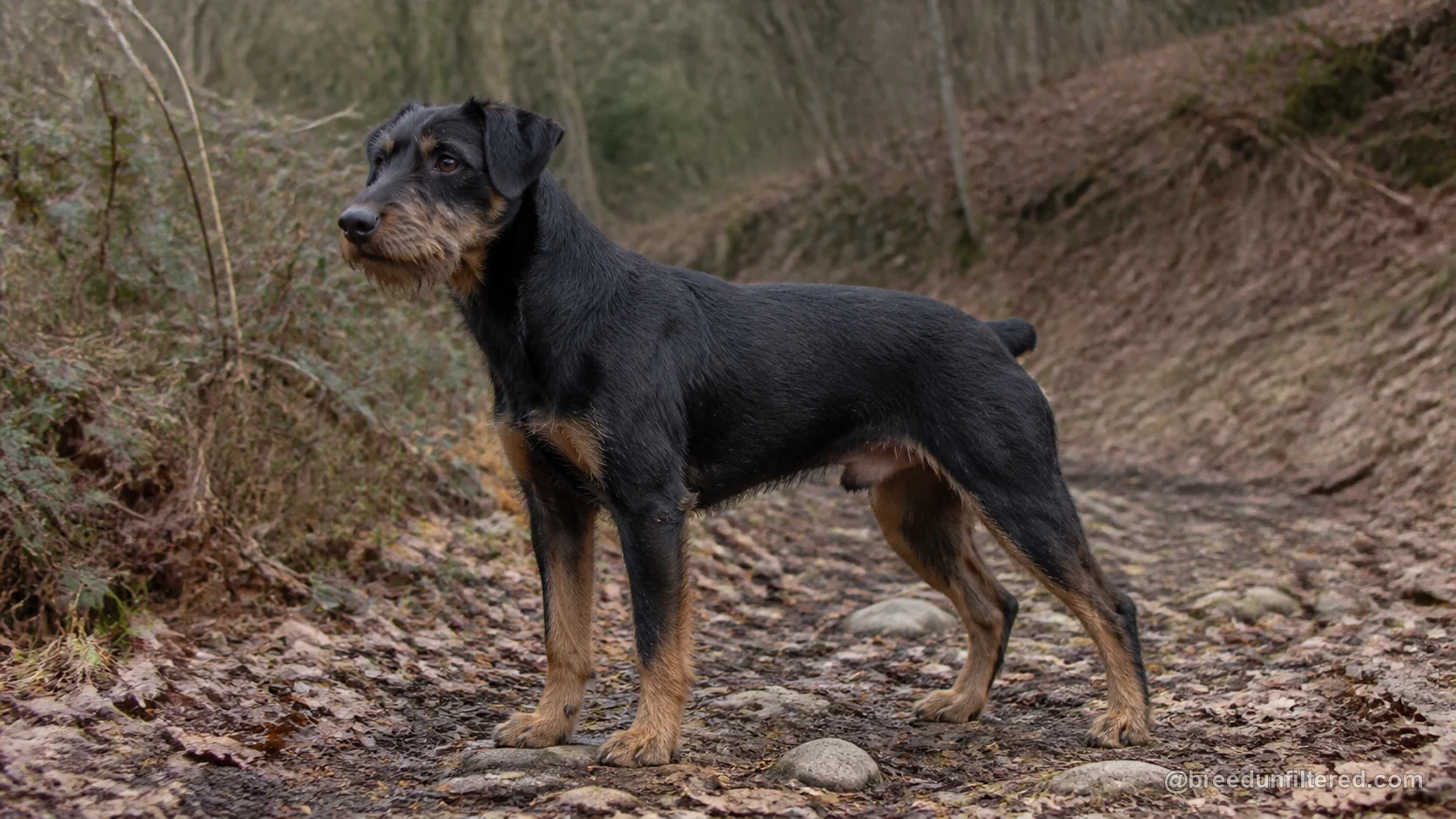
The German Hunting Terrier, also known as the Deutscher Jagdterrier, is a compact, versatile working dog developed in Germany for hunting. Bred for tenacity and courage, this breed excels in tracking, flushing, and retrieving game, often working in challenging terrain. Its intense drive and intelligence make it a dedicated partner for hunters, but these same traits demand an experienced owner who can provide structure and purpose.
Prospective owners should understand that this is not a typical companion breed. The German Hunting Terrier thrives when given a job, whether in the field or in dog sports like earthdog trials and agility. Without adequate mental and physical stimulation, it may develop undesirable behaviors. This guide explores the breed's history, temperament, care requirements, and the responsibilities involved in owning such a driven and capable dog.
Origin and Purpose
The German Hunting Terrier originated in the early 20th century in Germany, where hunters sought a versatile, hardy dog capable of hunting both above and below ground. Breeders crossed various terriers, including the Fox Terrier and the Old English Wirehaired Terrier, aiming to create a dog with a strong prey drive, courage, and a keen nose. The result was a breed that could track wounded game, flush out foxes and badgers from dens, and retrieve from water and land.
Today, the breed remains primarily a working dog, valued by hunters for its persistence and adaptability. It is recognized by the Fédération Cynologique Internationale (FCI) in Group 3, Terriers, and is known for its distinctive black-and-tan or dark grizzle coat. While still used extensively for hunting in Europe, it has also gained a following in dog sports and as a loyal companion for active individuals who appreciate its drive and intelligence.
Temperament and Variation
The German Hunting Terrier is known for its bold, determined, and sometimes stubborn temperament. It is typically confident and alert, with a strong territorial instinct. While individual dogs vary, the breed generally exhibits a high level of energy and a persistent nature. This terrier is not typically a 'couch potato' and may be reserved with strangers, making early socialization essential to ensure it becomes a well-adjusted adult.
There is some variation within the breed, influenced by breeding lines and individual upbringing. Some lines may be more people-oriented, while others are more focused on work. However, all German Hunting Terriers share a strong prey drive and a need for purposeful activity. They are often described as 'all business' when working, but can be affectionate and playful with their families, especially when raised in a structured environment.
Exercise and Mental Work
Exercise is a critical component of caring for a German Hunting Terrier. This breed has substantial energy reserves and requires daily physical activity to stay balanced. A vigorous walk or run, combined with opportunities to explore and use its nose, is essential. However, physical exercise alone is not sufficient; mental stimulation is equally important. Puzzle toys, scent work, and training sessions that challenge the dog's mind can help prevent boredom and destructive behaviors.
Prospective owners should be prepared to commit to at least an hour or more of active exercise each day, though this can vary based on the individual dog's age and health. Activities like hiking, biking, or participating in dog sports such as agility or barn hunt can be excellent outlets. Without adequate exercise and mental engagement, this breed may become restless, vocal, or develop habits like digging and chewing.
Training and Socialisation
Training a German Hunting Terrier requires patience, consistency, and a firm but positive approach. This breed is intelligent and learns quickly, but it can also be independent and willful. Early obedience training is essential to establish leadership and clear communication. Positive reinforcement methods, such as treats and praise, work well, but the owner must be consistent and set boundaries. Harsh or punitive methods can backfire, leading to distrust or stubbornness.
Socialisation is equally important. Exposing the puppy to various people, animals, and environments from a young age helps it become a well-mannered adult. However, due to its strong prey drive, interactions with small pets should be supervised, and off-leash reliability is not guaranteed. This breed may not be naturally friendly with other dogs, especially of the same sex, so careful introductions and management are necessary.
Family and Pets
The German Hunting Terrier can be a loyal and affectionate family member for the right household. It often forms strong bonds with its owners and may be protective of them. However, its high energy and strong prey drive can make it a challenging companion for families with very young children, as it may be too boisterous or may interpret sudden movements as prey. Older children who understand how to interact respectfully with dogs can be good playmates.
When it comes to other pets, the breed's hunting instincts can be problematic. It may view small animals like rabbits, guinea pigs, or cats as prey, and even with socialization, these instincts can remain strong. Some individuals may coexist with cats if raised together, but it is not a guarantee. Similarly, interactions with unfamiliar dogs should be managed, as the breed can be territorial and assertive.
Grooming and Health
Grooming the German Hunting Terrier is relatively straightforward. The breed has a dense, harsh coat that is typically broken or smooth. Regular brushing, about once or twice a week, helps remove loose hair and keep the coat healthy. They shed moderately, and during seasonal changes, more frequent brushing may be needed. Bathing should be done only when necessary to avoid stripping natural oils. Routine care includes nail trimming, ear cleaning, and dental hygiene.
As for health, the German Hunting Terrier is generally a robust and hardy breed. However, like all breeds, it may be prone to certain conditions. Responsible breeders screen for hip dysplasia, eye disorders, and other hereditary issues. It is important to obtain a puppy from a breeder who conducts health tests and provides a health guarantee. Regular veterinary check-ups and a balanced diet are essential to maintain overall well-being.
Costs and Responsibility
Owning a German Hunting Terrier involves significant financial and time commitments. Initial costs include the purchase price, which can vary depending on the breeder and the dog's lineage, as well as supplies like a crate, bedding, and food. Ongoing expenses include high-quality dog food, routine veterinary care, vaccinations, and preventive medications. Additionally, because this breed requires substantial exercise and mental stimulation, owners must be prepared to invest time daily in activities and training.
Responsibility extends beyond basic care. This breed is not suitable for everyone; it requires an experienced owner who understands its needs and can provide a structured environment. Potential owners should consider their lifestyle, living situation, and ability to manage a high-drive dog. It is also crucial to ensure that the dog is kept in a secure area, as its hunting instincts may lead it to wander. Ultimately, the German Hunting Terrier can be a rewarding companion for those who can meet its demands.
Clear answers
FREQUENTLY ASKED QUESTIONS
Is the German Hunting Terrier a good family dog?
The German Hunting Terrier can be a good family dog for active families with older children who understand how to interact with dogs. It is loyal and affectionate with its family, but its high energy and strong prey drive may be too much for households with very young children or small pets. Early socialization and training are essential to ensure it behaves appropriately around family members and visitors.
How much exercise does a German Hunting Terrier need?
German Hunting Terriers are high-energy dogs that require substantial daily exercise. At least an hour of vigorous activity is recommended, but many will benefit from more. This should include both physical exercise like running or hiking and mental stimulation such as puzzle toys or scent work. Without adequate exercise, they may become destructive or develop behavioral issues.
Are German Hunting Terriers good with other dogs?
German Hunting Terriers can be territorial and may not get along with other dogs, especially those of the same sex. They have a strong prey drive and may view smaller animals as quarry. Early socialization can help, but it is not a guarantee. Owners should be prepared to manage introductions and supervise interactions with other pets.
What are the grooming requirements for a German Hunting Terrier?
Grooming is relatively low-maintenance. Regular brushing once or twice a week helps manage shedding and keeps the coat healthy. They may require more frequent brushing during seasonal sheds. Bathing should be done only when necessary. Routine care includes nail trimming, ear cleaning, and dental hygiene to maintain overall health.
Is the German Hunting Terrier suitable for first-time dog owners?
The German Hunting Terrier is generally not recommended for first-time dog owners. Its strong-willed nature, high energy, and intense prey drive require an experienced handler who can provide consistent training and firm leadership. Novice owners may find it challenging to manage this breed's needs, so it is better suited to those with prior experience with terriers or working dogs.
Sources and further reading
Scores describe typical breed tendencies from 1 to 10. They are not a quality ranking or a prediction for an individual dog.
Size and presence4/10
CompactVery large
Physical strength6/10
LightExceptional
Energy level9/10
LowRelentless
Exercise demand10/10
ModestVery demanding
Mental work needed8/10
ModerateDaily job
Trainability5/10
ChallengingExceptional
Everyday manageability2/10
SpecialistStraightforward
First-time owner fit4/10
Poor fitGood fit
Family-life fit6/10
LimitedExcellent
Dog sociability4/10
SelectiveVery social
Prey drive10/10
LowVery high
Guarding tendency4/10
MinimalSerious
Independence9/10
Handler-focusedSelf-directed
Grooming demand4/10
LightHeavy
Apartment fit5/10
Poor fitGood fit