Complete breed guide
Cimarrón Uruguayo OWNERSHIP GUIDE
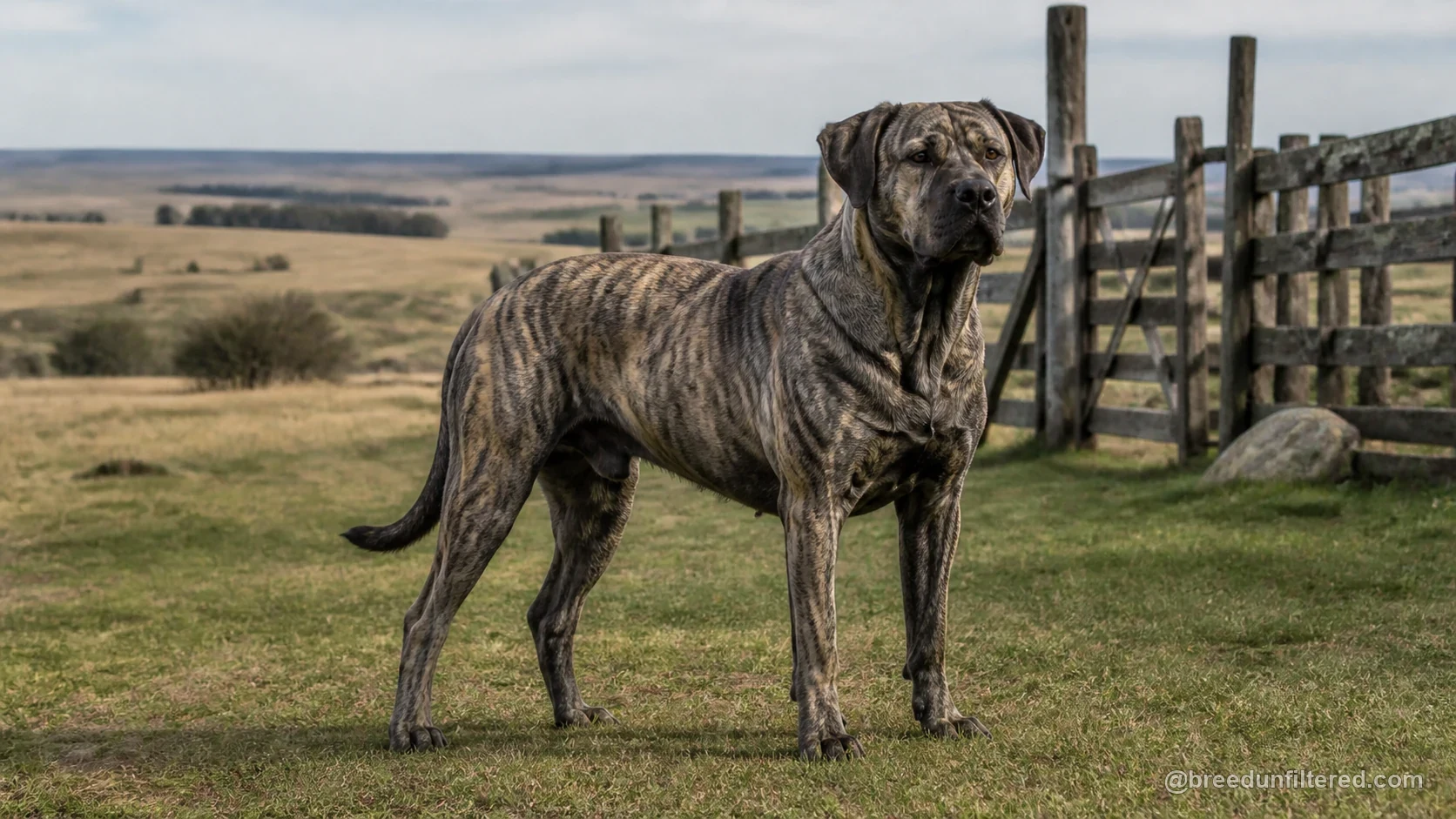
The Cimarrón Uruguayo, also known as the Uruguayan Cimarron, is a large, powerful molosser-type breed that originated in Uruguay. Recognized definitively by the Fédération Cynologique Internationale (FCI) under standard number 353, this breed is a national symbol of Uruguay, embodying the rugged spirit of the country's rural heritage. Historically used as a war dog, guard dog, and cattle herder, the Cimarrón is a versatile working breed that thrives on having a job to do.
Today, the Cimarrón Uruguayo remains a rare breed outside its homeland, but its reputation as a loyal and protective companion is growing. Prospective owners should understand that this is not a dog for everyone. With a strong guarding instinct, high intelligence, and a need for consistent leadership, the Cimarrón requires an experienced owner who can provide firm, fair training and ample physical and mental stimulation. This guide explores the breed's origins, temperament, care needs, and the responsibilities that come with owning such a formidable canine.
Origin and Purpose
The Cimarrón Uruguayo's history is rooted in the wild plains of Uruguay, where feral dogs, descended from European mastiffs and bulldogs brought by Spanish and Portuguese colonizers, roamed freely. These hardy dogs adapted to the harsh environment, developing strength, endurance, and a survival instinct. Over time, they were captured and tamed by gauchos, who valued them for their ability to hunt wild boar, guard livestock, and protect property.
The breed's name 'Cimarrón' refers to something that has reverted to a wild state, reflecting its feral origins. In 1989, the Cimarrón Uruguayo was declared a national treasure of Uruguay, and the breed standard was established. The FCI granted definitive recognition in 2017, cementing its status as a distinct breed. Today, while still used as a working dog in rural areas, the Cimarrón is also kept as a companion and guardian in homes, though its powerful instincts remain deeply ingrained.
Temperament and Variation
The Cimarrón Uruguayo is known for its balanced temperament: confident, alert, and loyal to its family, yet reserved and wary of strangers. This breed is naturally protective, making it an excellent watchdog, but it requires early and ongoing socialization to ensure it can distinguish between genuine threats and everyday situations. Individual temperament can vary, with some dogs being more outgoing and others more aloof, but the breed's guarding instinct is a consistent trait.
As a working breed, the Cimarrón is intelligent and independent, capable of making decisions on its own. This independence can be a double-edged sword: it makes the dog resourceful in work but can also lead to stubbornness if not properly channeled. The breed is generally not aggressive without reason, but it will not hesitate to defend its family and territory. Prospective owners should be prepared for a dog that is always on alert and may be wary of unfamiliar people and animals.
Exercise and Mental Work
The Cimarrón Uruguayo is a high-energy breed that requires substantial daily exercise to stay physically and mentally healthy. A long walk or jog, combined with vigorous play, is essential, but this breed also needs a job to do. Activities such as agility, obedience, or even cart pulling can provide the mental stimulation that this intelligent dog craves. Without adequate exercise and mental engagement, the Cimarrón may become bored and develop destructive behaviors.
Mental work is just as important as physical exercise. Puzzle toys, scent games, and training sessions that challenge the dog's problem-solving abilities are highly recommended. The Cimarrón excels in dog sports that require strength and endurance, such as weight pulling or Schutzhund, though these should be introduced with proper guidance. Owners should be prepared to dedicate at least an hour or two each day to active engagement with their dog, as this breed is not suited to a sedentary lifestyle.
Training and Socialisation
Training a Cimarrón Uruguayo requires patience, consistency, and a firm but fair approach. This breed responds best to positive reinforcement techniques, such as treats and praise, but it also respects a confident leader. Harsh or punitive methods can backfire, leading to distrust or aggression. Early socialization is crucial: exposing the puppy to a wide variety of people, places, and situations helps it develop into a well-adjusted adult that can differentiate between normal and threatening encounters.
Because of its independent nature, the Cimarrón may test boundaries, so owners must establish clear rules from the start. Obedience training should begin early and continue throughout the dog's life. This breed is highly trainable when motivated, but it requires an experienced handler who can provide consistent guidance. For first-time dog owners, the Cimarrón may be overwhelming, and professional training classes are often recommended to ensure proper socialization and control.
Family and Other Pets
The Cimarrón Uruguayo can be a devoted and affectionate family companion, forming strong bonds with its human pack. It is generally good with children, especially when raised with them, but due to its size and protective nature, supervision is essential, particularly around young children. The breed's guarding instinct means it may view strangers as potential threats, so it is important to teach children how to interact respectfully with the dog and to never leave them unsupervised.
When it comes to other pets, the Cimarrón's prey drive and dominance can pose challenges. It may not tolerate other dogs of the same sex, and its hunting instincts could be triggered by small animals like cats or rabbits. Early socialization with other pets can help, but there is no guarantee of compatibility. Prospective owners with existing pets should carefully consider whether this breed is a good fit, as the Cimarrón is best suited to being the sole dog in the household or living with a compatible opposite-sex companion.
Grooming and Health
The Cimarrón Uruguayo has a short, dense coat that is relatively low-maintenance. Weekly brushing with a firm bristle brush or a rubber curry comb will help remove loose hair and keep the coat healthy. The breed sheds moderately, with heavier shedding during seasonal changes. Regular ear cleaning, nail trimming, and dental care are also important parts of the grooming routine. Bathing should be done only when necessary to avoid stripping the coat's natural oils.
As a generally robust breed, the Cimarrón is not known for a high incidence of specific health problems, but like all large breeds, it can be prone to hip dysplasia and other joint issues. Responsible breeders screen their breeding stock for such conditions. The breed's lifespan is typically around 10 to 14 years. Prospective owners should be prepared for the financial and emotional costs of potential health issues, and should ensure they obtain a puppy from a breeder who performs health clearances and prioritizes the well-being of their dogs.
Costs and Responsibility
Owning a Cimarrón Uruguayo is a significant financial and time commitment. The initial cost of a puppy from a reputable breeder can be high, and ongoing expenses include high-quality food, routine veterinary care, and pet insurance. Because this breed is large and active, it will consume a substantial amount of food, and its exercise needs require a securely fenced yard and ample space. Owners must also invest in training and socialization, which may involve professional classes.
Beyond finances, the responsibility of owning a Cimarrón is immense. This breed is not suitable for apartment living or for owners who are away from home for long periods. It requires a confident, experienced handler who can provide leadership and structure. Potential owners must be prepared to dedicate time to training, exercise, and mental stimulation every day. In some regions, owning a breed with guarding instincts may also come with legal responsibilities, such as liability insurance or leash laws. It is crucial to research local regulations and ensure that you can meet the breed's needs before bringing one home.
Clear answers
FREQUENTLY ASKED QUESTIONS
Is the Cimarrón Uruguayo a good family dog?
The Cimarrón can be a loyal and protective family companion, especially when raised with children. However, its strong guarding instinct and large size mean that supervision is essential, and it may be wary of strangers. Families with older children who understand how to interact with dogs may find the breed a devoted guardian, but it is not recommended for first-time dog owners or families with very young children.
How much exercise does a Cimarrón Uruguayo need?
This breed has high energy and requires at least one to two hours of vigorous exercise daily. This should include both physical activities like running or hiking and mental challenges such as training sessions or puzzle toys. Without sufficient exercise, the Cimarrón may become bored and develop destructive behaviors. Owners should be prepared for an active lifestyle.
Is the Cimarrón Uruguayo aggressive?
The Cimarrón is not inherently aggressive, but it is a protective breed with a strong guarding instinct. It is naturally wary of strangers and may act defensively if it perceives a threat. Proper socialization and training from an early age are crucial to help the dog distinguish between normal situations and genuine dangers. With responsible ownership, the breed can be a calm and reliable companion.
Can a Cimarrón Uruguayo live with other dogs or cats?
The Cimarrón may have difficulty coexisting with other dogs of the same sex due to its dominant nature, and its prey drive could be triggered by small animals like cats. Early socialization can improve the chances of peaceful coexistence, but there are no guarantees. This breed is often best as the only pet in the household, or with a compatible opposite-sex dog.
What are the grooming requirements for a Cimarrón Uruguayo?
The Cimarrón has a short, dense coat that requires minimal grooming. Weekly brushing is sufficient to remove loose hair and keep the coat in good condition. The breed sheds moderately, with heavier shedding during seasonal changes. Regular ear cleaning, nail trimming, and dental care are also important to maintain overall health.
Sources and further reading
Scores describe typical breed tendencies from 1 to 10. They are not a quality ranking or a prediction for an individual dog.
Size and presence8/10
CompactVery large
Physical strength9/10
LightExceptional
Energy level7/10
LowRelentless
Exercise demand8/10
ModestVery demanding
Mental work needed7/10
ModerateDaily job
Trainability7/10
ChallengingExceptional
Everyday manageability1/10
SpecialistStraightforward
First-time owner fit1/10
Poor fitGood fit
Family-life fit6/10
LimitedExcellent
Dog sociability4/10
SelectiveVery social
Prey drive6/10
LowVery high
Guarding tendency10/10
MinimalSerious
Independence8/10
Handler-focusedSelf-directed
Grooming demand3/10
LightHeavy
Apartment fit1/10
Poor fitGood fit