Complete breed guide
Castro Laboreiro Dog OWNERSHIP GUIDE
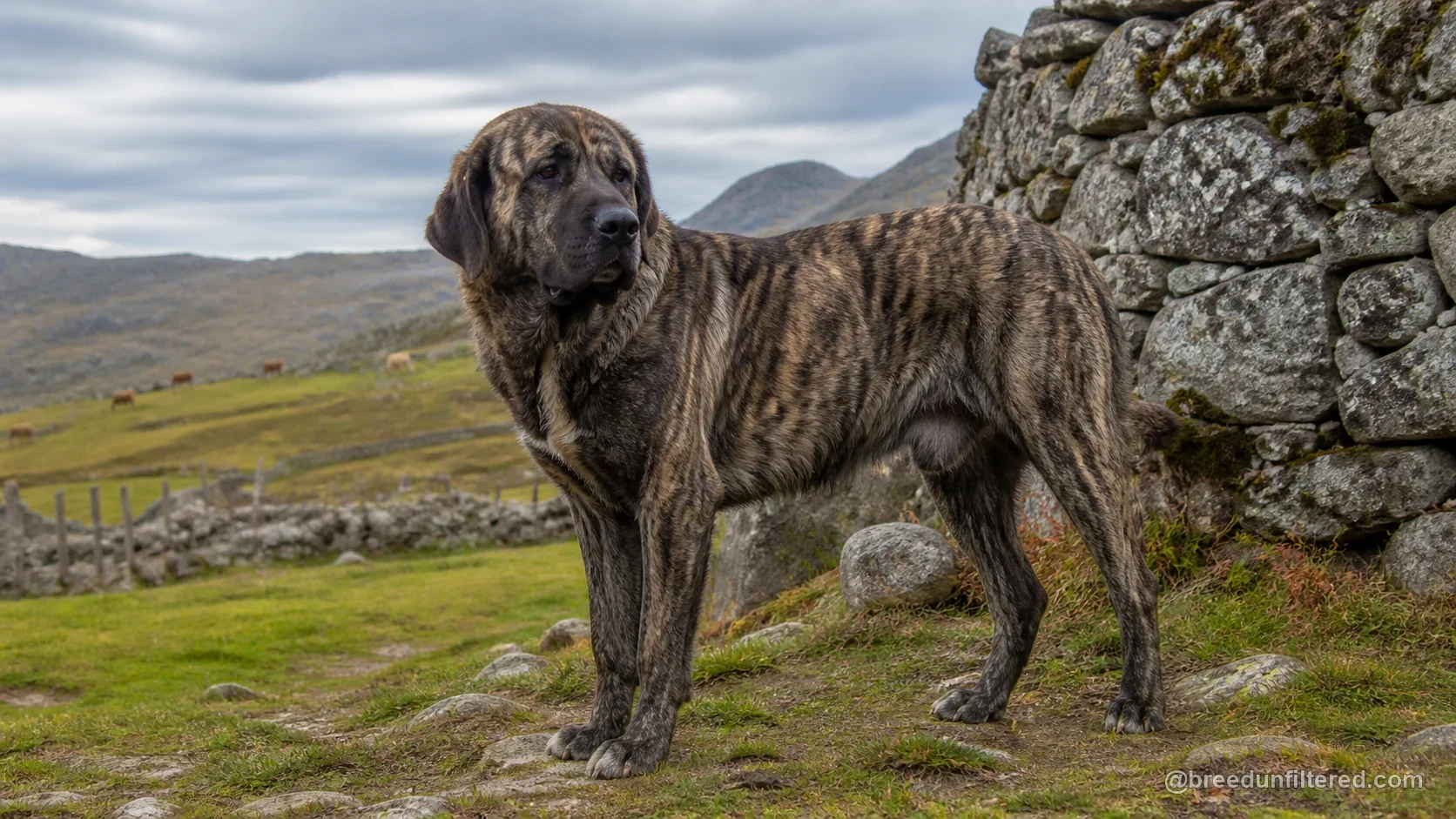
The Castro Laboreiro Dog, also known as the Cão de Castro Laboreiro, is a rare and ancient livestock guardian breed from the mountainous region of Castro Laboreiro in northern Portugal. Recognized by the FCI in Group 2 (Pinscher and Schnauzer type, Molossoid breeds), this dog has been shaped by centuries of guarding flocks against wolves and bears. Its name reflects its origin, and its working heritage remains central to its character.
Prospective owners should understand that this is not a typical companion breed. The Castro Laboreiro Dog is a powerful, independent, and highly territorial guardian that requires experienced handling, ample space, and a clear job or purpose. While deeply loyal to its family, it is wary of strangers and may not tolerate other dogs. This article provides an evidence-conscious overview of the breed's characteristics, care needs, and responsibilities, helping you decide if this noble guardian is the right fit for your lifestyle.
Origin and Purpose
The Castro Laboreiro Dog originates from the remote Castro Laboreiro parish in the Peneda-Gerês National Park, a rugged, mountainous area in northern Portugal. For centuries, these dogs have been used by shepherds to guard livestock, primarily sheep and goats, against predators such as wolves and bears. Their isolation in this harsh terrain contributed to the breed's development as a hardy, self-reliant guardian, capable of making independent decisions to protect their charges.
The breed's working style is distinct: unlike herding dogs that move livestock, the Castro Laboreiro Dog is a livestock guardian, living with the flock and defending it from threats. This purpose has shaped its temperament, making it vigilant, courageous, and deeply bonded to its territory and family. The FCI recognized the breed definitively, and its standard (number 170) describes a dog of medium to large size, with a wolf-like appearance and a characteristic 'lobethal' howl, which is used to communicate over long distances.
Temperament and Variation
The Castro Laboreiro Dog is known for its calm, steady, and loyal temperament with its family, but it is naturally suspicious of strangers and highly protective of its home and livestock. This breed is not typically aggressive without cause, but it will not hesitate to act if it perceives a threat. Individual variation exists: some dogs may be more social, while others are more reserved, but the breed's guarding instincts are consistently strong.
Because of its history as a guardian, the Castro Laboreiro Dog is independent and can be stubborn. It is not a dog that seeks constant approval; rather, it respects a confident and consistent leader. Early and ongoing socialisation is essential to help it distinguish between normal and threatening situations. Owners should be prepared for a dog that is watchful, vocal (including its distinctive howl), and always aware of its surroundings.
Exercise and Mental Work
The Castro Laboreiro Dog is a working breed with moderate to high energy levels, but its exercise needs are not as extreme as those of a high-drive herding dog. Daily physical activity, such as long walks, hikes, or a securely fenced area to patrol, is necessary to keep it physically fit and mentally satisfied. However, the breed's true fulfillment comes from having a job, whether that is guarding property, participating in dog sports like obedience or tracking, or simply having a defined role in the household.
Mental stimulation is equally important. Without adequate mental work, this intelligent breed can become bored and develop destructive behaviors. Puzzle toys, scent games, and training sessions that challenge its problem-solving abilities are beneficial. Owners should avoid leaving the dog alone for long periods without stimulation, as this can lead to excessive barking or digging. A well-exercised and mentally engaged Castro Laboreiro Dog is a calm and content companion.
Training and Socialisation
Training a Castro Laboreiro Dog requires patience, consistency, and a firm but fair approach. This breed is intelligent but independent, and it may question commands if it does not see the value in them. Positive reinforcement methods, such as treats and praise, work best, but owners must also establish clear boundaries and leadership. Harsh or punitive training can damage the trust between dog and owner and exacerbate stubbornness.
Socialisation from an early age is critical. Exposing the puppy to a wide variety of people, animals, environments, and sounds helps it develop into a well-adjusted adult. However, even with extensive socialisation, the breed's guarding instincts remain, and it may never be fully trustworthy with unfamiliar dogs or people. Owners should manage interactions carefully and never force the dog into situations that overwhelm it. Professional training classes, especially those focused on guardian breeds, can be highly beneficial.
Family and Other Pets
The Castro Laboreiro Dog is devoted to its family and is generally gentle and protective with children it has been raised with. However, due to its size and strength, supervision is necessary when it interacts with young children, as the dog may not realize its own power. It is not a breed that enjoys roughhousing or being treated as a playmate; rather, it sees itself as a guardian of the household.
When it comes to other pets, the Castro Laboreiro Dog's compatibility varies. It has a strong prey drive, which can make it unsafe around small animals such as cats or rabbits, especially if not raised with them. With other dogs, it may be territorial and dominant, particularly with same-sex dogs. Early socialisation can help, but owners should be prepared for potential conflicts and should always supervise introductions. This breed is best suited to a home where it is the sole dog or where it lives with livestock it is trained to protect.
Grooming and Health
The Castro Laboreiro Dog has a short to medium-length double coat that is weather-resistant and requires minimal grooming. Weekly brushing helps remove loose hair and keep the coat healthy, with more frequent brushing during seasonal shedding periods. Bathing is only necessary when the dog is dirty, as over-bathing can strip natural oils. Routine care includes nail trimming, ear cleaning, and dental hygiene.
As a breed, the Castro Laboreiro Dog is generally healthy, but like all purebreds, it may be predisposed to certain conditions. Hip dysplasia and elbow dysplasia are common in large breeds, and some lines may have a higher incidence of bloat (gastric dilatation-volvulus). Responsible breeders screen their breeding stock for these issues. Prospective owners should ask for health clearances and be prepared for potential veterinary costs. Regular check-ups and a balanced diet are essential to maintain overall health.
Costs and Responsibility
Owning a Castro Laboreiro Dog is a significant financial and time commitment. Initial costs include the purchase price from a reputable breeder, which can be high due to the breed's rarity, as well as supplies such as a crate, bedding, and food. Ongoing expenses include high-quality dog food, routine veterinary care, vaccinations, and parasite prevention. Emergency medical costs and pet insurance should also be considered.
Beyond finances, this breed demands a responsible owner who can provide secure fencing, ample space, and time for training and exercise. It is not suitable for apartment living or for first-time dog owners. The Castro Laboreiro Dog thrives in a rural or suburban setting with a clear job. Potential owners must be committed to lifelong socialisation and management of the breed's guarding instincts. Adopting from a rescue or breed-specific organization is also an option, but it requires an even greater understanding of the dog's background and needs.
Clear answers
FREQUENTLY ASKED QUESTIONS
Is the Castro Laboreiro Dog good with children?
The Castro Laboreiro Dog can be good with children if raised with them and properly socialised. It is naturally protective and may be gentle with family kids. However, due to its size and strength, supervision is essential, and children should be taught how to interact respectfully with the dog. It is not a breed that tolerates rough play or teasing.
Does the Castro Laboreiro Dog get along with other dogs?
The Castro Laboreiro Dog can be territorial and dominant with other dogs, especially same-sex individuals. Early and ongoing socialisation can help, but it may never be fully trustworthy with unfamiliar dogs. It is often best as the only dog in the household, or it may live with livestock it is trained to guard.
How much exercise does a Castro Laboreiro Dog need?
The Castro Laboreiro Dog has moderate to high exercise needs. Daily long walks or hikes, plus access to a securely fenced yard, are important. Mental stimulation is equally crucial, as this working breed needs a job or puzzle activities to prevent boredom. Without adequate exercise and mental work, it may develop destructive behaviors.
Is the Castro Laboreiro Dog easy to train?
Training a Castro Laboreiro Dog can be challenging due to its independent and stubborn nature. It responds best to positive reinforcement and consistent, patient leadership. Harsh methods are counterproductive. Early socialisation and obedience training are essential, and professional help is often recommended for first-time owners.
What are the grooming requirements for a Castro Laboreiro Dog?
The Castro Laboreiro Dog has a short to medium double coat that sheds seasonally. Weekly brushing is usually sufficient, with more frequent brushing during shedding periods. Bathing should be infrequent. Routine nail trimming, ear cleaning, and dental care are also necessary. Overall, grooming is relatively low-maintenance.
Sources and further reading
Scores describe typical breed tendencies from 1 to 10. They are not a quality ranking or a prediction for an individual dog.
Size and presence8/10
CompactVery large
Physical strength9/10
LightExceptional
Energy level6/10
LowRelentless
Exercise demand6/10
ModestVery demanding
Mental work needed7/10
ModerateDaily job
Trainability6/10
ChallengingExceptional
Everyday manageability2/10
SpecialistStraightforward
First-time owner fit2/10
Poor fitGood fit
Family-life fit6/10
LimitedExcellent
Dog sociability4/10
SelectiveVery social
Prey drive8/10
LowVery high
Guarding tendency10/10
MinimalSerious
Independence8/10
Handler-focusedSelf-directed
Grooming demand3/10
LightHeavy
Apartment fit1/10
Poor fitGood fit