Complete breed guide
Atlas Mountain Dog (Aidi) OWNERSHIP GUIDE
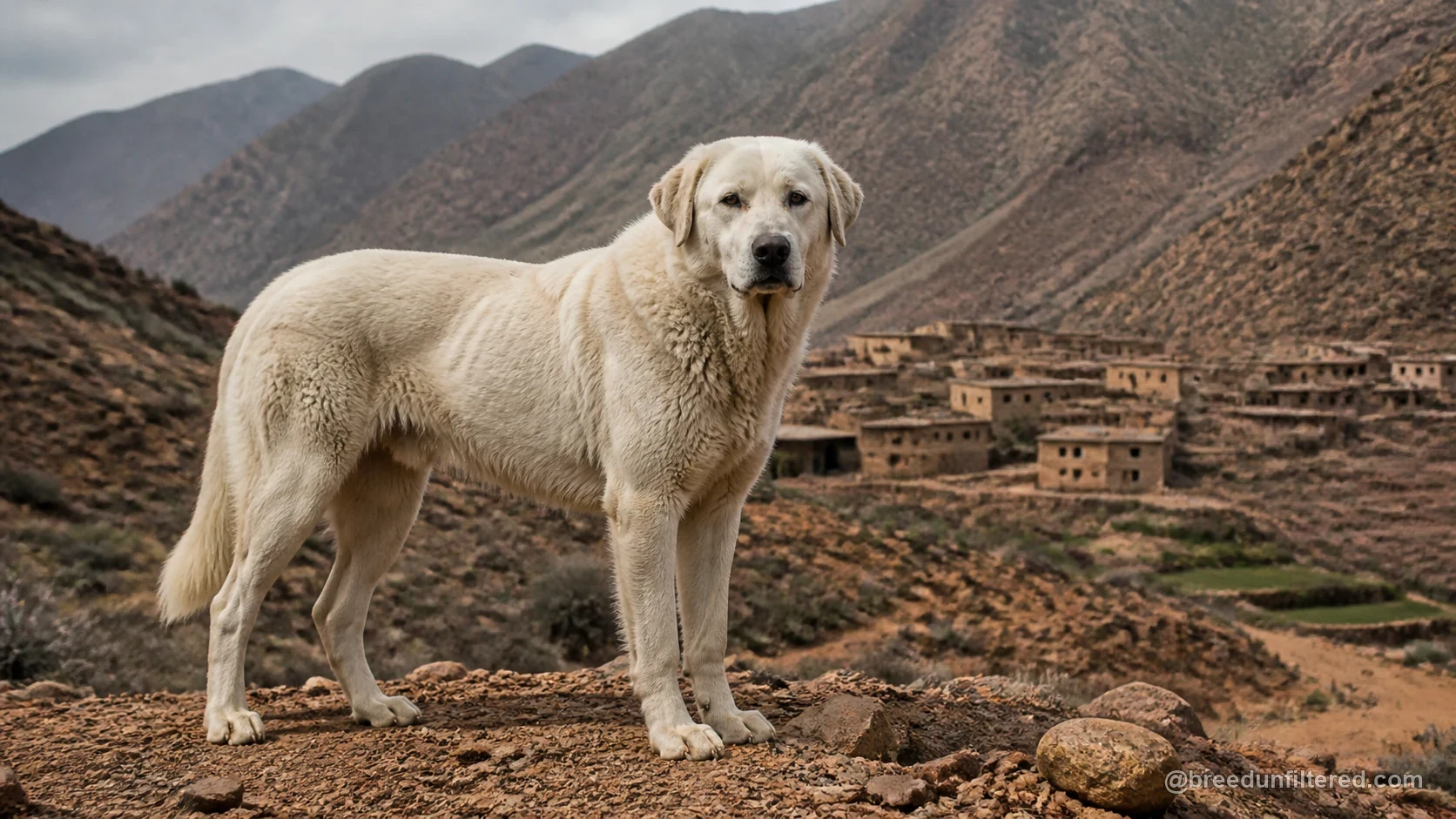
The Atlas Mountain Dog, also known as the Aidi, is a centuries-old livestock guardian from the rugged Atlas Mountains of North Africa. Bred to protect flocks from predators and thieves, this breed is defined by its courage, vigilance, and deep bond with its human family. Unlike herding dogs that move livestock, the Aidi works independently, patrolling and defending its territory with a serious, watchful demeanor.
For the right owner, the Aidi offers unwavering loyalty and a calm, steady presence at home. However, this is not a beginner-friendly dog. Its guarding instincts, strong will, and high exercise needs demand an experienced handler who can provide firm, consistent leadership and ample physical and mental stimulation. This guide explores the breed's origins, temperament, care requirements, and the practical considerations of living with an Atlas Mountain Dog.
Origin and Purpose
The Atlas Mountain Dog, or Aidi, hails from the Atlas Mountains of Morocco, where it has worked for centuries as a livestock guardian. Its primary role was to protect herds of sheep and goats from predators such as wolves, jackals, and even human thieves. This heritage has shaped a dog that is alert, territorial, and unafraid to confront threats, often working at night while shepherds rest.
The breed is recognized by the Fédération Cynologique Internationale (FCI) in Group 2, Section 2.2, as a mountain dog. The FCI standard describes a dog of medium to large size, well-boned, and powerful, with a thick, weather-resistant coat. While still used for its traditional purpose in its homeland, the Aidi is increasingly found as a companion and guardian in other parts of the world, though it remains a rare breed outside North Africa.
Temperament and Variation
The Aidi is typically calm and composed within its family, yet intensely watchful and suspicious of strangers. Its guarding instinct is deeply ingrained, and it may bark to alert its family to any unusual activity. While individual temperaments vary, most Aidis are loyal, affectionate with their own people, and reserved or aloof with unfamiliar people and animals. They are not naturally aggressive without cause but will not hesitate to defend their territory if they perceive a threat.
Because the Aidi was bred to make independent decisions, it can be stubborn and strong-willed. This independence, combined with a high intelligence, means that the breed responds best to owners who establish clear boundaries and use positive, consistent training methods. Early and ongoing socialization is crucial to help an Aidi distinguish between genuine threats and normal everyday occurrences, reducing the risk of over-guarding.
Exercise and Mental Work
The Atlas Mountain Dog is an active and athletic breed that requires substantial daily exercise to stay physically and mentally healthy. A long walk or jog, combined with opportunities to run in a securely fenced area, is essential. However, exercise alone is not enough; the Aidi also needs mental challenges to prevent boredom and destructive behaviors. Puzzle toys, scent work, and training sessions that engage its problem-solving abilities are highly recommended.
Prospective owners should be prepared for a dog that thrives on having a job to do. Activities such as agility, obedience, or even cart pulling can provide an outlet for its energy and intelligence. Without adequate physical and mental stimulation, an Aidi may become restless, vocal, or develop undesirable habits like digging or excessive barking. A securely fenced yard is a must, as this breed has a strong instinct to patrol and may wander if given the chance.
Training and Socialisation
Training an Aidi requires patience, consistency, and a calm but firm approach. This breed respects a leader who is confident and fair, but it will challenge a handler who is inconsistent or overly harsh. Positive reinforcement methods, such as treats and praise, work best, while punishment-based techniques can damage trust and increase stubbornness. Early training should focus on basic obedience, impulse control, and recall, as the Aidi's independent nature can make off-leash reliability a challenge.
Socialisation is equally important and should begin in puppyhood. Exposing the Aidi to a wide variety of people, places, sounds, and other animals helps it learn to discriminate between normal situations and real threats. A well-socialised Aidi is more likely to be calm and accepting of visitors, whereas an unsocialised one may become overly protective or fearful. Puppy classes and controlled introductions to friendly dogs can be beneficial, but owners must always supervise interactions to ensure positive experiences.
Family and Other Pets
The Aidi can be a devoted and protective family companion, forming strong bonds with its human pack. It is often gentle and patient with children it knows, though its size and boisterous nature mean that interactions with very young children should always be supervised. The breed's guarding instinct extends to the entire family, and it may be wary of strangers approaching children, so early socialisation is key to ensuring it distinguishes between friendly visitors and potential threats.
When it comes to other pets, the Aidi's compatibility varies. Because it was bred to guard livestock, it may coexist peacefully with other dogs and even cats if raised with them from puppyhood. However, its prey drive can be strong, and it may chase small animals such as rabbits or squirrels. Introducing an Aidi into a home with existing pets requires careful, gradual introductions and ongoing management to ensure harmony. Same-sex aggression can occur, particularly between males, so neutering and proper socialisation are important.
Grooming and Health
The Aidi has a thick, double coat that provides protection from harsh weather. This coat sheds seasonally, and during heavy shedding periods, daily brushing is necessary to remove loose hair and prevent matting. Outside of shedding seasons, weekly brushing is usually sufficient. The breed is generally clean and has a low doggy odor, so baths are only needed occasionally. Regular ear checks, nail trimming, and dental care are also part of a good grooming routine.
As a breed, the Aidi is considered robust and healthy, with a lifespan of around 10 to 12 years. However, like all dogs, it can be prone to certain conditions, including hip dysplasia and bloat (gastric dilatation-volvulus). Responsible breeders screen their breeding stock for hereditary issues. Prospective owners should ask about health clearances and be prepared for potential veterinary costs. A nutritious diet and regular exercise contribute to overall well-being, but no breed is immune to health problems.
Costs and Responsibility
Owning an Atlas Mountain Dog is a significant financial and time commitment. Initial costs include purchasing from a reputable breeder, which can be substantial due to the breed's rarity, as well as supplies such as a crate, bedding, and food. Ongoing expenses include high-quality dog food, routine veterinary care, vaccinations, and parasite prevention. Emergency medical care and pet insurance are also worth considering, as unexpected health issues can be costly.
Beyond finances, the Aidi demands a serious commitment to training, exercise, and socialisation. This is not a dog that can be left alone for long hours or confined to a small apartment. It needs space, a securely fenced yard, and an owner who understands its guarding nature. Potential owners should honestly assess their lifestyle and experience before choosing an Aidi. Rescue organisations may occasionally have Aidis in need of homes, offering an alternative to purchasing a puppy, but they too require the same level of dedication.
Clear answers
FREQUENTLY ASKED QUESTIONS
Is the Atlas Mountain Dog good with children?
The Aidi can be good with children it knows and has been raised with, often showing patience and protectiveness. However, due to its size and guarding instincts, interactions with young children should always be supervised. Early socialisation and training are essential to help the dog distinguish between normal play and potential threats, ensuring a safe and harmonious relationship.
Does the Aidi get along with other dogs?
The Aidi's compatibility with other dogs varies. It may get along with dogs it is raised with, but it can be territorial and may show same-sex aggression, especially between males. Proper socialisation from puppyhood and neutering can help reduce these tendencies. Introductions to new dogs should be gradual and controlled to prevent conflicts.
How much exercise does an Atlas Mountain Dog need?
The Aidi is an active breed that requires at least an hour of vigorous exercise daily, such as a long walk, jog, or play session in a securely fenced area. Mental stimulation is equally important, as this intelligent dog needs challenges to prevent boredom. Without adequate exercise and mental work, the Aidi may become restless and develop destructive behaviors.
Is the Aidi easy to train?
The Aidi is intelligent but independent and can be stubborn, making training a challenge for novice owners. It responds best to positive reinforcement and consistent, firm leadership. Early socialisation and obedience training are crucial. With an experienced handler who uses patience and fairness, the Aidi can learn reliably, but it may not be as eager to please as some other breeds.
Does the Aidi shed a lot?
Yes, the Aidi has a thick double coat that sheds seasonally, often heavily. During shedding periods, daily brushing is needed to manage loose hair and prevent matting. Outside of these times, weekly brushing is usually sufficient. The breed is a moderate shedder overall, and prospective owners should be prepared for regular grooming maintenance.
Sources and further reading
Scores describe typical breed tendencies from 1 to 10. They are not a quality ranking or a prediction for an individual dog.
Size and presence8/10
CompactVery large
Physical strength9/10
LightExceptional
Energy level7/10
LowRelentless
Exercise demand8/10
ModestVery demanding
Mental work needed7/10
ModerateDaily job
Trainability6/10
ChallengingExceptional
Everyday manageability1/10
SpecialistStraightforward
First-time owner fit2/10
Poor fitGood fit
Family-life fit6/10
LimitedExcellent
Dog sociability3/10
SelectiveVery social
Prey drive6/10
LowVery high
Guarding tendency10/10
MinimalSerious
Independence10/10
Handler-focusedSelf-directed
Grooming demand7/10
LightHeavy
Apartment fit3/10
Poor fitGood fit