Complete breed guide
Canadian Eskimo Dog OWNERSHIP GUIDE
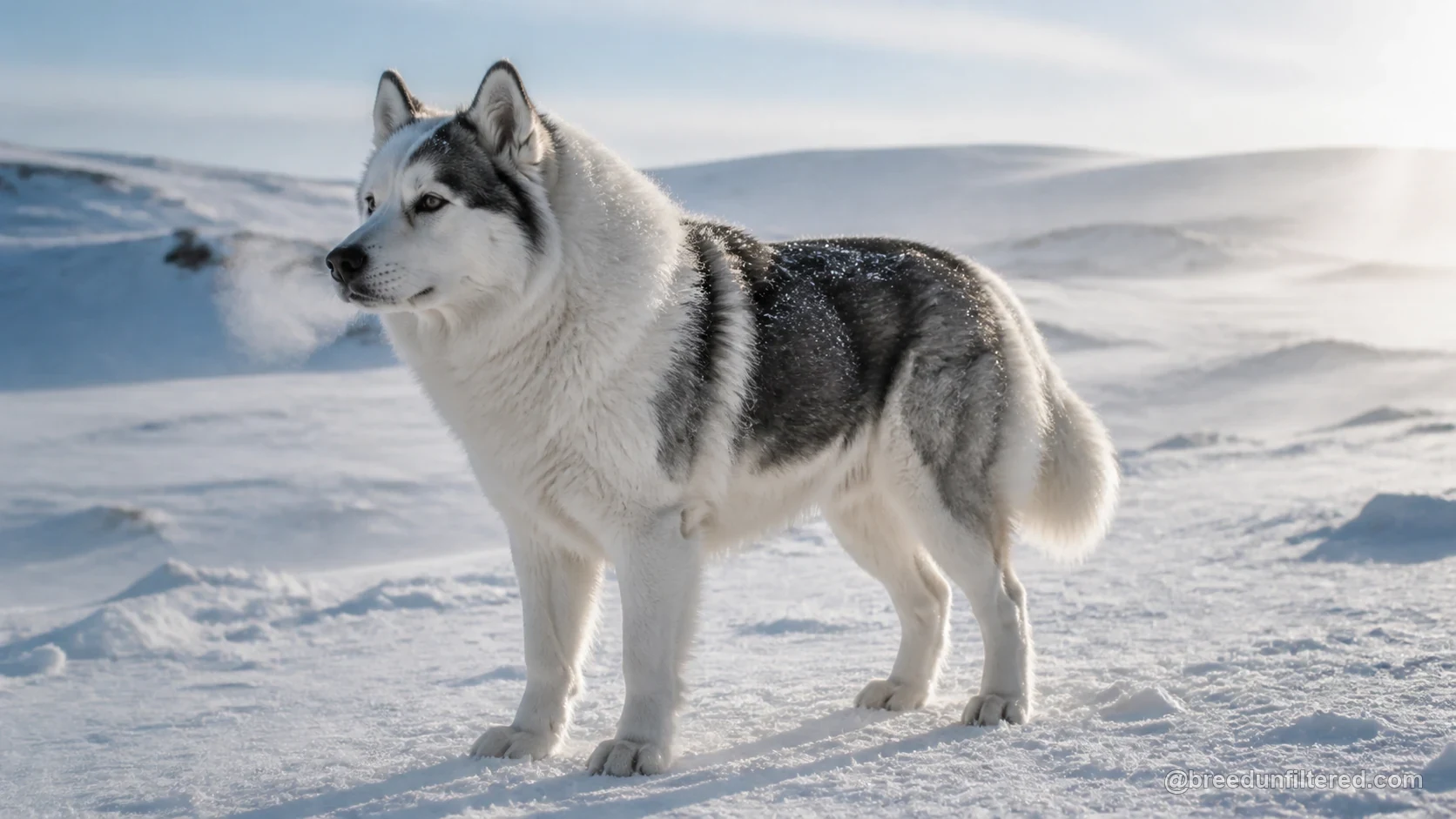
The Canadian Eskimo Dog is a powerful, Arctic-built spitz breed with roots stretching back thousands of years. Historically indispensable to Inuit communities for hauling sleds and hunting polar bears, this dog is a testament to endurance and resilience. Today, the breed remains rare, and owning one is a commitment to preserving a piece of living history.
Prospective owners should understand that this is not a typical companion dog. Bred for harsh conditions and demanding work, the Canadian Eskimo Dog thrives with experienced handlers who can provide structure, exercise, and purpose. This article offers an evidence-conscious overview of the breed's characteristics, care requirements, and the realities of sharing your life with such a remarkable animal.
Origin and Purpose
The Canadian Eskimo Dog, also known as Qimmiq, is one of the oldest and rarest purebred dog breeds in North America. Archaeological evidence suggests that dogs resembling this breed have existed in the Arctic for over 4,000 years. They were essential to the Thule culture, pulling sleds over vast distances and assisting in hunting large game such as seals and muskoxen.
The breed's historical role shaped its physical and mental attributes: incredible strength, endurance, and a strong pack instinct. In the mid-20th century, the breed faced near-extinction due to the advent of snowmobiles and changing lifestyles. Dedicated breeders and the Canadian Kennel Club have worked to preserve the breed, but it remains rare, with only a few hundred registered worldwide.
Temperament and Variation
Canadian Eskimo Dogs are known for their bold, confident, and independent temperament. They are often described as loyal and affectionate with their family, but they can be wary of strangers. As a primitive breed, they retain many instincts that are less pronounced in modern companion breeds, including a strong prey drive and a tendency to roam if not properly contained.
Individual variation exists, but the breed generally exhibits a high degree of independence and a stubborn streak. They are not typically 'velcro dogs' and may not seek constant physical affection. Instead, they often show their bond through cooperative work and mutual respect. This temperament makes them better suited to experienced owners who appreciate a dog with a mind of its own.
Exercise and Mental Work
The Canadian Eskimo Dog is a high-energy working breed that requires substantial daily exercise. They are not satisfied with a short walk around the block; they need opportunities to run, pull, and engage in vigorous activity. Activities like skijoring, canicross, or weight pulling can provide an outlet for their natural drive. Without adequate exercise, they may develop destructive behaviors.
Mental stimulation is equally important. These intelligent dogs thrive when given tasks that challenge their problem-solving abilities. Puzzle toys, scent work, and obedience training can help keep their minds sharp. However, owners should be prepared for a dog that may become bored easily and will find its own entertainment if not sufficiently engaged.
Training and Socialisation
Training a Canadian Eskimo Dog requires patience, consistency, and a firm but fair approach. They respond best to positive reinforcement techniques that build trust and respect. Harsh methods are likely to backfire, as this breed can become stubborn or defensive. Early socialisation is crucial to help them become well-adjusted adults, especially given their natural wariness of strangers.
Owners should be prepared for a dog that may challenge authority and test boundaries. This is not a breed for first-time dog owners. Experienced handlers who can provide clear leadership and structured training will find a willing and capable partner. The breed's intelligence means they learn quickly, but they also quickly learn what they can get away with.
Family and Other Pets
Canadian Eskimo Dogs can form strong bonds with their human family, including children, especially if raised with them. However, their size, strength, and boisterous play style may be overwhelming for very young children. Supervision is essential, and children should be taught how to interact respectfully with dogs. The breed's protective instincts may also make them wary of unfamiliar visitors.
When it comes to other animals, the Canadian Eskimo Dog's high prey drive can be a significant challenge. They may not be safe around small pets such as cats, rabbits, or small dogs. Even with early socialisation, their instinct to chase and potentially harm smaller animals can remain strong. Owners should carefully consider their existing pets and be prepared to manage interactions.
Grooming and Health
The Canadian Eskimo Dog has a thick double coat that requires regular grooming. During shedding seasons, which occur once or twice a year, they 'blow' their undercoat, and daily brushing is necessary to manage loose fur. Outside of these periods, weekly brushing is usually sufficient. They are generally clean dogs with minimal odor, and bathing should be infrequent to preserve natural oils.
As a breed, the Canadian Eskimo Dog is generally healthy, but like all breeds, they can be prone to certain conditions. Hip dysplasia and eye issues are among the health concerns that have been reported. Responsible breeders screen their breeding stock for these conditions. Prospective owners should ask for health clearances and be prepared for potential veterinary costs associated with a large, active breed.
Costs and Responsibility
Owning a Canadian Eskimo Dog is a significant financial and time commitment. The initial cost of a puppy from a responsible breeder can be high, and ongoing expenses include quality food, routine veterinary care, and grooming supplies. Because the breed is rare, finding a breeder may require a waiting list and travel. Adoption from a rescue is possible but uncommon.
Beyond finances, owners must be prepared for a long-term commitment to providing adequate exercise, training, and mental stimulation. This breed is not suited to a sedentary lifestyle or apartment living without extensive outdoor access. They thrive in homes with secure, fenced yards and owners who are dedicated to meeting their needs. Prospective owners should honestly assess their ability to provide for such a demanding breed.
Clear answers
FREQUENTLY ASKED QUESTIONS
Is the Canadian Eskimo Dog good for first-time owners?
Generally, no. The Canadian Eskimo Dog is a strong-willed, independent breed that requires experienced handling. First-time owners may struggle with their stubbornness and high exercise needs. This breed is best suited to those who have previously owned dogs and understand how to provide firm, consistent leadership and ample physical and mental stimulation.
How much exercise does a Canadian Eskimo Dog need?
This breed has very high exercise requirements. They need more than a daily walk; they thrive with vigorous activities like running, pulling, or hiking. Without sufficient exercise, they can become bored and destructive. Owners should be prepared to dedicate at least one to two hours per day to intense physical activity, though individual needs vary.
Are Canadian Eskimo Dogs good with children?
They can be, especially if raised with children, but supervision is essential. Their large size and boisterous play style may accidentally knock over small children. They are protective of their family, but may be wary of unfamiliar children. Teaching children how to interact respectfully with dogs is crucial for a harmonious household.
Do Canadian Eskimo Dogs get along with other dogs?
They can get along with other dogs, particularly if socialised early and if the other dog is of similar size and temperament. However, they have a dominant streak and may not tolerate same-sex aggression. Their high prey drive means they should not be trusted with small animals like cats or rabbits, as they may view them as prey.
What are the common health issues in Canadian Eskimo Dogs?
The breed is generally healthy, but like many large breeds, they can be prone to hip dysplasia and certain eye conditions. Responsible breeders screen for these issues. Regular veterinary check-ups and a healthy diet can help maintain overall well-being. Prospective owners should ask breeders about health clearances for the parents.
Sources and further reading
Scores describe typical breed tendencies from 1 to 10. They are not a quality ranking or a prediction for an individual dog.
Size and presence5/10
CompactVery large
Physical strength6/10
LightExceptional
Energy level9/10
LowRelentless
Exercise demand10/10
ModestVery demanding
Mental work needed8/10
ModerateDaily job
Trainability4/10
ChallengingExceptional
Everyday manageability1/10
SpecialistStraightforward
First-time owner fit3/10
Poor fitGood fit
Family-life fit6/10
LimitedExcellent
Dog sociability3/10
SelectiveVery social
Prey drive10/10
LowVery high
Guarding tendency7/10
MinimalSerious
Independence10/10
Handler-focusedSelf-directed
Grooming demand10/10
LightHeavy
Apartment fit4/10
Poor fitGood fit