Complete breed guide
German Spitz OWNERSHIP GUIDE
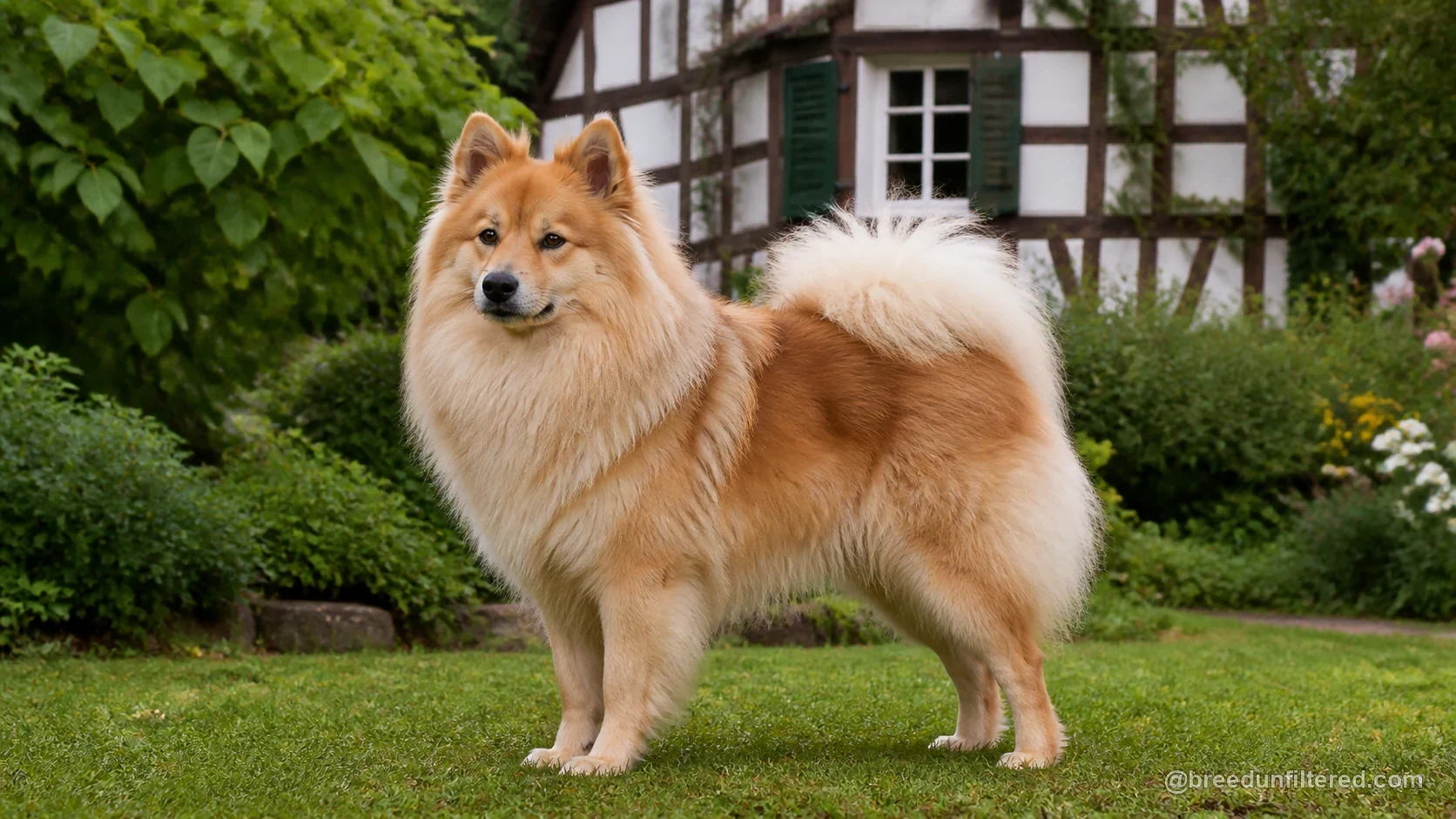
The German Spitz is a breed of ancient lineage, known for its fox-like face, plumed tail, and vivacious personality. As a member of the FCI Group 5 (Spitz and primitive types), it encompasses several size varieties, from the Klein (small) to the Mittel (medium), each sharing a common heritage. This guide aims to provide a balanced overview for those considering adding a German Spitz to their home, covering everything from its historical purpose to its daily care requirements.
Prospective owners should understand that the German Spitz is a companion dog with a strong personality. While they are affectionate and loyal to their families, they can be reserved with strangers and possess a keen alertness that makes them excellent watchdogs. Their intelligence and eagerness to please make them trainable, but they also have an independent streak that requires patient, consistent handling. This article will explore these traits in depth, helping you decide if this breed is the right match for your lifestyle.
Origin and Purpose
The German Spitz is one of the oldest dog breeds in Europe, with ancestors dating back to the Stone Age. Historically, they were versatile farm dogs, used for herding, guarding property, and keeping vermin under control. Their thick double coat protected them from harsh weather, and their alert nature made them effective watchdogs. Over time, they became popular companions among the nobility and later among the general public, particularly in Germany where they were standardized.
The breed's official FCI standard (number 97) recognizes several size varieties, including the Wolfsspitz (Keeshond), Grossspitz (large), Mittelspitz (medium), and Kleinspitz (small). Each variety shares the same general characteristics but differs in size. The German Spitz's historical role as a multi-purpose working dog has shaped its temperament: they are adaptable, intelligent, and always ready to participate in family activities. Understanding this background helps owners appreciate their dog's natural instincts and energy levels.
Temperament and Size Variation
German Spitz dogs are known for their lively, spirited, and devoted nature. They form strong bonds with their families and thrive on human companionship. They are typically alert and vocal, making them good watchdogs, but they can be wary of strangers. Their temperament can vary somewhat between individuals and size varieties, with smaller ones often being more energetic and larger ones more composed. However, all share a playful, curious disposition that endears them to owners.
Size variation is a key consideration for prospective owners. The Kleinspitz stands about 23-29 cm, while the Mittelspitz is 30-38 cm. Both are sturdy and well-proportioned. Despite their small to medium size, they have a robust build and a confident demeanor. They are not typically aggressive but can be protective. Early socialization helps them become well-adjusted adults. Their temperament is often described as 'big dog in a small body,' as they are fearless and assertive.
Exercise and Mental Stimulation
The German Spitz is an active and agile breed that requires regular physical activity to stay healthy and happy. Daily walks, play sessions, and opportunities to run in a secure area are essential. They enjoy activities like fetch, agility, and obedience training. While they can adapt to apartment living, they need sufficient exercise to prevent boredom and destructive behaviors. A tired German Spitz is a content one, so owners should be prepared to provide at least moderate exercise each day.
Mental stimulation is equally important for this intelligent breed. They excel at learning new tricks and tasks, and they enjoy puzzle toys, nose work, and interactive games. Without adequate mental engagement, they may become mischievous or develop excessive barking. Incorporating training sessions into their daily routine not only exercises their mind but also strengthens the bond between dog and owner. Prospective owners should be ready to commit time to both physical and mental enrichment.
Training and Socialisation
Training a German Spitz requires patience, consistency, and positive reinforcement techniques. They are intelligent and eager to learn, but they can also be stubborn and independent. Harsh methods are counterproductive and can damage trust. Short, varied training sessions with rewards like treats and praise work best. Early obedience training is recommended to establish good manners and prevent behavioral issues. They respond well to clicker training and other reward-based methods.
Socialisation is crucial from a young age. Exposing the puppy to different people, environments, sounds, and other animals helps them grow into confident, well-rounded adults. Without proper socialisation, they may become overly cautious or reactive. Puppy classes and regular outings can provide positive experiences. While they are generally good with children and other pets when raised together, supervision is always advised. A well-socialised German Spitz is a joy to have around.
Family Life and Compatibility with Other Pets
German Spitz dogs make excellent family companions for households that can meet their needs. They are affectionate with their family members and enjoy being involved in daily activities. They are often good with children, especially when raised with them, though their small size means they can be easily injured by rough handling, so supervision is important. They are loyal and protective, making them good watchdogs. However, they may not be suitable for very young children who do not yet understand how to interact gently with dogs.
When it comes to other pets, German Spitz dogs can coexist peacefully with cats and other dogs if introduced properly. Their herding and hunting instincts may be triggered by small animals, but early socialisation can mitigate this. They tend to be dominant with other dogs of the same sex, so careful introductions and management are necessary. For multi-pet households, gradual, supervised introductions are key. Overall, they thrive in homes where they are considered part of the family.
Grooming and Health Considerations
The German Spitz has a thick double coat that requires regular grooming. They shed moderately throughout the year and heavily during seasonal changes. Brushing two to three times a week is recommended to remove loose hair and prevent matting. During shedding seasons, daily brushing may be necessary. They do not require frequent baths, but regular ear cleaning, nail trimming, and dental care are essential. Their coat is relatively easy to maintain, but prospective owners should be prepared for grooming commitment.
Health-wise, the German Spitz is generally a robust breed with a long lifespan, often living into their teens. However, like all breeds, they may be prone to certain conditions such as patellar luxation, dental issues, and eye problems. Responsible breeders screen for hereditary conditions. Regular veterinary check-ups and a balanced diet contribute to their overall health. It is important for owners to be aware of potential health issues and to maintain a healthy weight to prevent joint problems. Always consult with a veterinarian for specific health advice.
Costs and Long-term Responsibility
Owning a German Spitz involves financial and time commitments. Initial costs include purchasing from a reputable breeder or adopting from a rescue, as well as supplies like crates, beds, and food. Ongoing expenses include high-quality dog food, routine veterinary care, vaccinations, and grooming supplies. Additionally, owners should budget for potential health issues and pet insurance. The cost of ownership can vary widely, but it is important to be financially prepared for the dog's entire lifespan, which can be 12-16 years.
Beyond finances, owning a German Spitz requires a significant time investment. They need daily exercise, mental stimulation, grooming, and companionship. They are not a breed that can be left alone for long periods; they thrive on human interaction and may develop separation anxiety if neglected. Prospective owners should assess their lifestyle to ensure they can provide the attention and care this breed needs. Responsible ownership also involves training, socialisation, and providing a safe environment. It is a rewarding but demanding commitment.
Clear answers
FREQUENTLY ASKED QUESTIONS
Are German Spitz dogs good with children?
German Spitz dogs can be good with children, especially when raised together. They are affectionate and playful, but their small size makes them vulnerable to accidental injury. Supervision is essential, and children should be taught how to interact gently with dogs. Early socialisation and positive experiences help build a strong bond. As with any breed, individual temperament varies, so it's important to assess each dog's personality.
How much exercise does a German Spitz need?
German Spitz dogs are active and require daily exercise to stay healthy and happy. This includes walks, playtime, and opportunities to run in a secure area. They enjoy activities like fetch and agility. While they can adapt to apartment living, they need sufficient physical activity to prevent boredom. Mental stimulation is also important, as they are intelligent and enjoy training and puzzle toys.
Are German Spitz dogs easy to train?
German Spitz dogs are intelligent and eager to please, making them trainable with positive reinforcement methods. However, they can be independent and stubborn at times, so patience and consistency are key. Short, varied training sessions work best. Early socialisation and obedience training are recommended to ensure they become well-mannered adults. Harsh training methods should be avoided.
Do German Spitz dogs bark a lot?
German Spitz dogs are alert and vocal, often barking to announce visitors or unusual sounds. This makes them good watchdogs, but excessive barking can become a nuisance. Training and socialisation can help manage barking. Providing adequate exercise and mental stimulation reduces boredom-related barking. With proper guidance, they can learn to be quiet on command.
What is the lifespan of a German Spitz?
German Spitz dogs are generally healthy and have a long lifespan, often living 12 to 16 years. Some may live even longer with proper care. Regular veterinary check-ups, a balanced diet, and regular exercise contribute to their longevity. Responsible breeding practices help reduce the risk of hereditary health issues. Owners should be prepared for a long-term commitment.
Sources and further reading
Scores describe typical breed tendencies from 1 to 10. They are not a quality ranking or a prediction for an individual dog.
Size and presence5/10
CompactVery large
Physical strength6/10
LightExceptional
Energy level8/10
LowRelentless
Exercise demand8/10
ModestVery demanding
Mental work needed8/10
ModerateDaily job
Trainability6/10
ChallengingExceptional
Everyday manageability4/10
SpecialistStraightforward
First-time owner fit3/10
Poor fitGood fit
Family-life fit6/10
LimitedExcellent
Dog sociability6/10
SelectiveVery social
Prey drive8/10
LowVery high
Guarding tendency6/10
MinimalSerious
Independence9/10
Handler-focusedSelf-directed
Grooming demand10/10
LightHeavy
Apartment fit4/10
Poor fitGood fit