Complete breed guide
Central Asia Shepherd Dog OWNERSHIP GUIDE
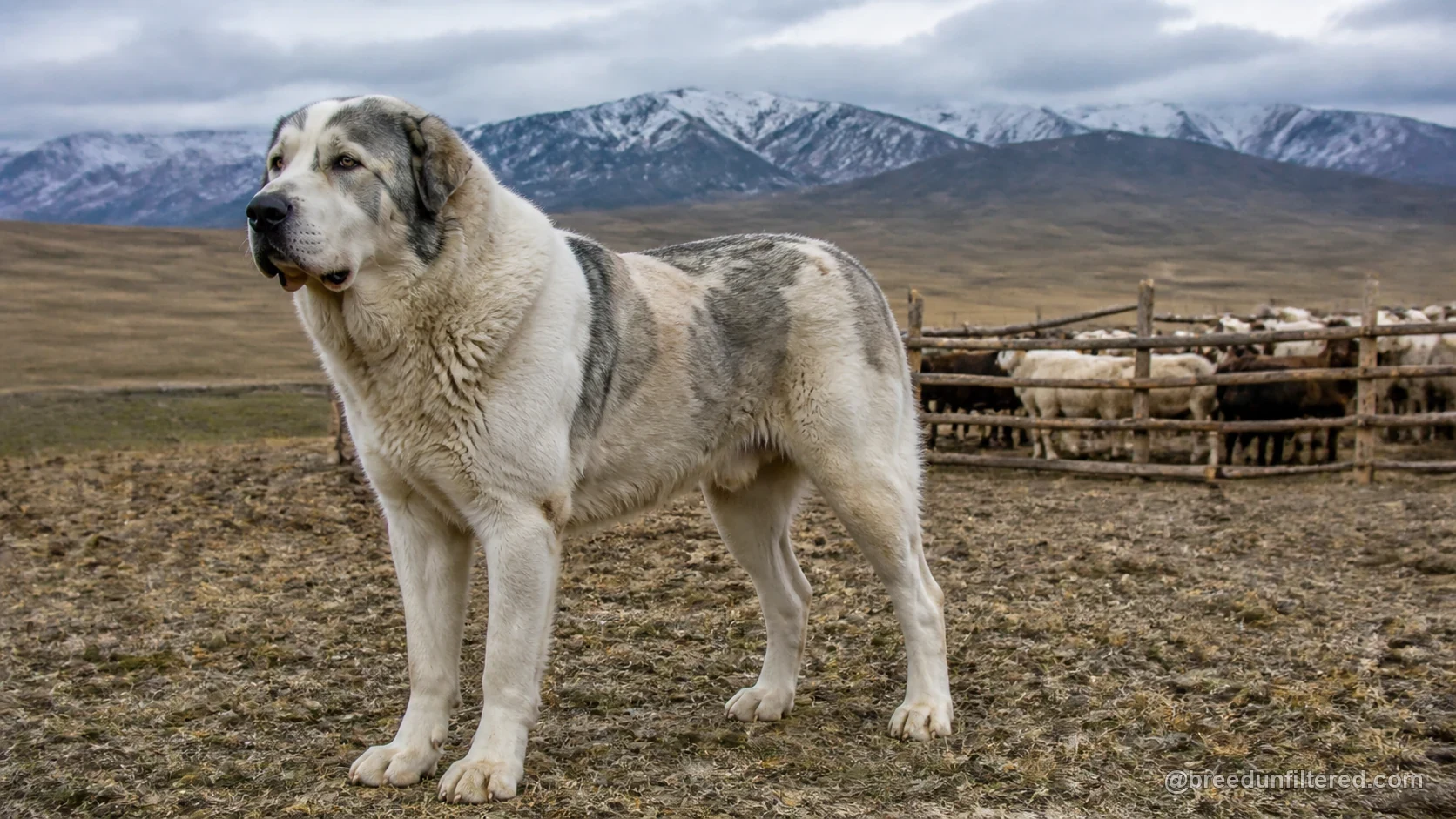
The Central Asia Shepherd Dog, also known as the Sredneasiatskaya Ovtcharka, is an ancient livestock guardian breed from the vast steppes and mountains of Central Asia. For centuries, these dogs have protected flocks from predators and intruders, developing a formidable presence and an independent, discerning nature. Their history is one of working alongside nomadic peoples, where their primary role was to make decisions autonomously in remote and often harsh environments.
Today, the Central Asia Shepherd Dog is gaining recognition beyond its native lands, attracting owners who appreciate its loyalty, courage, and calm demeanor. However, this is not a dog for everyone. Prospective owners must understand that this breed requires experienced handling, early and consistent socialization, and a commitment to providing both physical and mental challenges. This article offers a balanced overview of the breed's characteristics, care needs, and the responsibilities that come with welcoming such a powerful guardian into your life.
Origin and Purpose
The Central Asia Shepherd Dog is one of the oldest known dog breeds, with a lineage that traces back thousands of years. Originating in the regions that now include Turkmenistan, Kazakhstan, Uzbekistan, and parts of Russia and China, these dogs were bred by nomadic tribes to guard livestock, primarily sheep and goats, against large predators such as wolves and bears. Their isolation and the demanding environment shaped a breed that is hardy, resilient, and deeply instinctual.
The breed's purpose as a livestock guardian is central to its character. Unlike herding dogs that move livestock, guardian dogs are expected to live with the flock and protect it from threats. This role required the Central Asia Shepherd Dog to be independent, watchful, and capable of assessing danger without human direction. While many modern dogs are companions, this breed retains its guardian instincts, which can manifest as territorial behavior and a strong protective drive.
Temperament and Variation
The Central Asia Shepherd Dog is typically described as calm, confident, and even-tempered, but also highly protective and wary of strangers. They are known for their loyalty to their family and their ability to form deep bonds. However, their temperament can vary significantly between individuals, influenced by genetics, socialization, and training. Some lines may be more sociable, while others are more aloof or aggressive toward other dogs.
This breed is not naturally outgoing or eager to please like many sporting breeds. Instead, they are thoughtful and deliberate, often taking time to assess a situation before acting. They are known for their 'quiet' guarding style, often barking less than other guardian breeds but remaining vigilant. Potential owners should expect a dog that is independent and may not be overly affectionate in the traditional sense, but whose loyalty is unwavering.
Exercise and Mental Work
While the Central Asia Shepherd Dog is not a hyperactive breed, it does require regular exercise to maintain physical health and mental well-being. A large, securely fenced yard is ideal, as they need space to patrol and explore. Daily walks or hikes are beneficial, but the intensity should be moderate, as this breed is not built for sustained high-energy activities like long-distance running. They are more suited to a lifestyle that includes periods of activity followed by rest.
Mental stimulation is equally important. This intelligent breed needs tasks that engage their mind, such as puzzle toys, scent work, or obedience training. Without adequate mental and physical outlets, they may become bored and develop destructive behaviors. However, it is crucial to avoid over-exercising a young dog, as their bones and joints are still developing. A balanced approach that includes both physical activity and mental challenges is key to a well-adjusted adult.
Training and Socialisation
Training a Central Asia Shepherd Dog requires patience, consistency, and a firm but fair approach. They are intelligent and can learn quickly, but they are also independent and may question commands if they see no reason to comply. Positive reinforcement methods, such as treats and praise, work best, but owners must be prepared to establish clear boundaries and leadership. Harsh or punitive training methods are counterproductive and can damage the trust between dog and owner.
Early and ongoing socialization is absolutely critical for this breed. Exposing them to a wide variety of people, animals, and environments from a young age helps them develop into well-adjusted adults. Without proper socialization, they may become overly suspicious or aggressive. It is important to note that even with excellent socialization, this breed may never be fully trustworthy with unfamiliar dogs, especially those of the same sex. Owners must be vigilant and manage their dog's interactions appropriately.
Family and Other Pets
The Central Asia Shepherd Dog can be a devoted family companion, especially when raised with children. They are often gentle and protective of 'their' children, but due to their size and strength, supervision is essential. They may not tolerate rough handling or teasing, so teaching children how to interact respectfully with the dog is crucial. This breed is not recommended for families with very young children unless the adults are experienced and can manage the dog's size and energy.
When it comes to other pets, the picture is complex. Because of their history as livestock guardians, they may coexist peacefully with animals they are raised with, including cats and other dogs. However, they have a strong prey drive and may view smaller animals, such as rabbits or rodents, as prey. They are also prone to same-sex aggression, particularly between males. Introducing a Central Asia Shepherd Dog into a home with existing pets requires careful planning and professional guidance.
Grooming and Health
Grooming a Central Asia Shepherd Dog is relatively straightforward. They have a thick double coat that sheds seasonally, often heavily. Regular brushing, at least two to three times a week, helps manage loose hair and keeps the coat healthy. During shedding seasons, daily brushing may be necessary. They do not require frequent baths, but their nails should be trimmed regularly, and their ears checked for debris or infection.
As a breed, the Central Asia Shepherd Dog is generally hardy, but like all dogs, they are prone to certain health conditions. Hip and elbow dysplasia are concerns, as are certain eye conditions. Responsible breeders screen their breeding stock for these issues. Prospective owners should ask for health clearances and be prepared for potential veterinary costs. Regular check-ups, a balanced diet, and appropriate exercise contribute to their overall well-being, but no dog is immune to health problems.
Costs and Responsibility
Owning a Central Asia Shepherd Dog is a significant financial and time commitment. The initial cost of a puppy from a reputable breeder can be substantial, and ongoing expenses include high-quality food, routine veterinary care, grooming supplies, and training classes. Because of their size, they may require larger doses of medications and more expensive equipment, such as sturdy crates and beds. Owners should also consider the cost of secure fencing and potential property damage from a powerful dog.
Beyond finances, the responsibility of owning such a guardian breed cannot be overstated. They require an owner who is confident, experienced, and willing to invest time in training and socialization. They are not suitable for first-time dog owners or those who are away from home for long periods. This breed thrives in a structured environment with clear rules and a job to do. Prospective owners must be prepared to be their dog's advocate and manager for the entirety of its life, which can be 12 to 15 years.
Clear answers
FREQUENTLY ASKED QUESTIONS
Is the Central Asia Shepherd Dog good with children?
When raised with children and properly socialized, they can be gentle and protective. However, their large size and strong guarding instincts mean that supervision is essential. They may not tolerate rough play or teasing, so it's crucial to teach children how to interact respectfully. This breed is best suited to families with older, well-behaved children and experienced adults who can manage the dog's strength.
How much exercise does a Central Asia Shepherd Dog need?
They need moderate daily exercise, such as a long walk or a play session in a securely fenced yard. They are not high-energy dogs but require mental stimulation as well. Without adequate physical and mental outlets, they may become bored and destructive. However, avoid excessive exercise in puppies to protect their developing joints. A balanced routine that includes both activity and rest is ideal.
Are Central Asia Shepherd Dogs aggressive?
They have a strong protective instinct and can be wary of strangers, which may be perceived as aggression. However, with proper socialization and training, they can learn to distinguish between real threats and normal situations. They are not inherently aggressive but are naturally suspicious. Owners must be prepared to manage their dog's interactions and provide consistent, positive training to ensure they are well-adjusted.
Do Central Asia Shepherd Dogs get along with other dogs?
They can be dog-aggressive, especially with unfamiliar dogs of the same sex. Early socialization can help, but it does not guarantee friendliness. They are often more tolerant of dogs they are raised with, but even then, supervision is necessary. Owners should be cautious in multi-dog households and avoid situations that may trigger aggressive responses, such as off-leash encounters with unknown dogs.
What is the lifespan of a Central Asia Shepherd Dog?
The typical lifespan is around 12 to 15 years, which is relatively long for a large breed. However, they are prone to certain health issues like hip dysplasia and eye problems. Regular veterinary care, a healthy diet, and appropriate exercise can help maximize their lifespan. Prospective owners should be prepared for the long-term commitment and potential health-related expenses.
Sources and further reading
Scores describe typical breed tendencies from 1 to 10. They are not a quality ranking or a prediction for an individual dog.
Size and presence8/10
CompactVery large
Physical strength9/10
LightExceptional
Energy level7/10
LowRelentless
Exercise demand7/10
ModestVery demanding
Mental work needed7/10
ModerateDaily job
Trainability7/10
ChallengingExceptional
Everyday manageability1/10
SpecialistStraightforward
First-time owner fit3/10
Poor fitGood fit
Family-life fit6/10
LimitedExcellent
Dog sociability3/10
SelectiveVery social
Prey drive8/10
LowVery high
Guarding tendency10/10
MinimalSerious
Independence8/10
Handler-focusedSelf-directed
Grooming demand7/10
LightHeavy
Apartment fit3/10
Poor fitGood fit