Complete breed guide
Kuvasz OWNERSHIP GUIDE
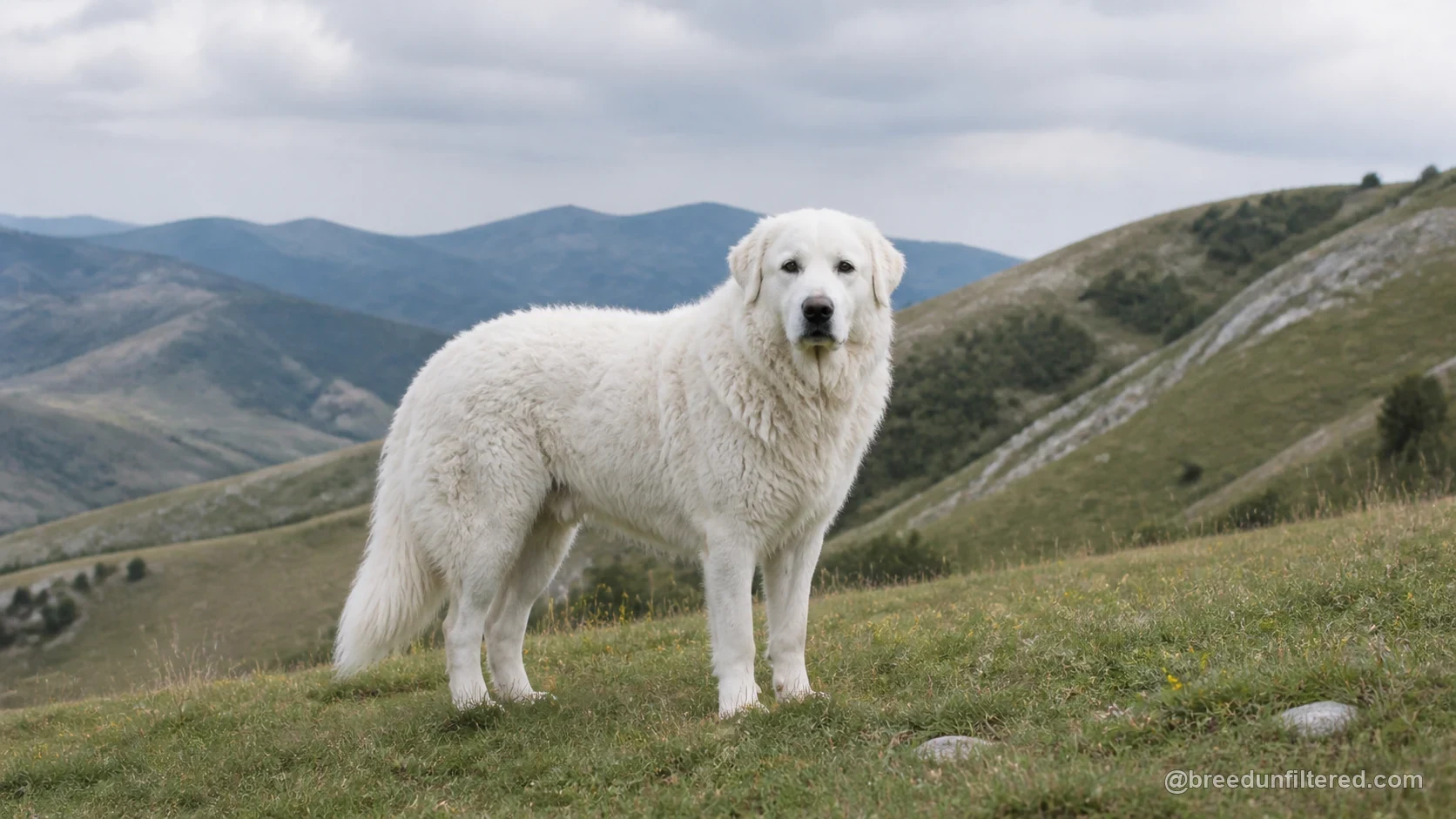
The Kuvasz (pronounced koo-vahz) is a majestic, large Hungarian livestock guardian breed, recognized by the FCI in Group 1 (standard number 54). With a history rooted in protecting flocks and property, this breed is known for its white coat, calm demeanor, and fierce loyalty. Prospective owners should understand that the Kuvasz is not a typical companion dog; it is an independent thinker with strong guarding instincts, requiring experienced handling and a purposeful lifestyle.
This article provides a balanced overview of the Kuvasz, covering its origin, temperament, exercise and mental needs, training, family compatibility, grooming, health considerations, and the financial and time commitments involved. The goal is to help you decide if this noble breed is the right fit for your home and lifestyle, emphasizing that each dog is an individual and early socialization and consistent training are paramount.
Origin and Purpose
The Kuvasz is an ancient Hungarian breed, believed to have accompanied nomadic tribes and later served as a guardian of livestock and estates. Its name may derive from a Turkish word meaning 'protector' or from a Hungarian term for 'mongrel,' but its role as a guardian is well-documented. The breed was prized by Hungarian nobility and was often used to protect large flocks of sheep and cattle from predators and thieves.
Today, the Kuvasz still excels as a livestock guardian and property protector. Its independent nature and keen sense of territory make it a natural watchdog, but these same traits mean it is not a dog that will blindly obey commands. Understanding its historical purpose is essential for appreciating its behavior: it is bred to make decisions on its own, which can be both an asset and a challenge in a domestic setting.
Temperament and Variation
The Kuvasz is typically calm, loyal, and devoted to its family, but it is also aloof with strangers and highly protective. It is not a breed that seeks constant attention; rather, it is content to watch over its domain. Individual temperament varies, influenced by genetics, socialization, and training. Some Kuvaszok may be more outgoing, while others are more reserved, but the breed standard describes a dog that is courageous and fearless when necessary.
Because of its guarding heritage, the Kuvasz can be wary of unfamiliar people and animals. It is not typically aggressive without reason, but it will act if it perceives a threat to its family or territory. This breed is not recommended for first-time dog owners or those who cannot provide firm, consistent leadership. A well-adjusted Kuvasz is confident and steady, but a poorly socialized one can become overly suspicious or reactive.
Exercise and Mental Work
The Kuvasz is a large, athletic dog that requires regular exercise to maintain physical and mental health. However, its exercise needs are not extreme; a daily walk or two, combined with access to a securely fenced yard, is often sufficient. This breed is not a high-energy dog in the way a retriever might be, but it does need space to roam and explore. Apartment living is generally not suitable unless the owner is committed to providing ample outdoor time.
Mental stimulation is equally important. The Kuvasz is intelligent and independent, and without mental challenges, it may become bored and develop destructive behaviors. Activities such as puzzle toys, scent work, or obedience training can help engage its mind. However, this breed is not typically suited for competitive sports like agility, as it may not see the point in repetitive tasks. Instead, providing a job, even if it's just guarding the yard, can fulfill its innate needs.
Training and Socialisation
Training a Kuvasz requires patience, consistency, and a calm but firm approach. This breed is not eager to please in the way a Labrador is; it respects a leader who is fair and confident. Harsh methods or force are counterproductive and can damage the trust between dog and owner. Positive reinforcement, such as treats and praise, works best, but the Kuvasz may still choose to ignore commands if it sees no benefit. Early and ongoing socialization is crucial to help it distinguish between normal and threatening situations.
Socialization should begin in puppyhood and continue throughout life. Exposing the Kuvasz to a variety of people, places, and other animals can help reduce its natural suspicion. However, even with excellent socialization, the Kuvasz will likely remain aloof with strangers. It is not a breed that welcomes everyone into its home. Owners must be prepared to manage its guarding instincts responsibly, which may include using management tools like leashes and crates when visitors come.
Family and Other Pets
The Kuvasz can be a devoted family dog, especially gentle with children it knows. However, its large size and protective nature mean that interactions with young children should always be supervised. The breed may not tolerate rough handling or teasing, and its guarding instinct could lead it to misinterpret play as a threat. With proper socialization, it can coexist peacefully with other dogs and pets, but it may be dominant or territorial, especially with same-sex dogs.
Because of its history as a livestock guardian, the Kuvasz may be more accepting of other animals if raised with them from puppyhood. However, it may still view small animals, such as cats or rabbits, as prey or intruders. Prospective owners should be prepared to manage introductions carefully and provide separate spaces if needed. The Kuvasz is not a dog that thrives in a chaotic household; it prefers a structured environment with clear rules.
Grooming and Health
The Kuvasz has a double coat that is white or cream, and it sheds heavily, especially during seasonal changes. Regular brushing, at least two to three times a week, is necessary to remove loose hair and prevent matting. During shedding season, daily brushing may be required. The coat is naturally water-resistant and dirt-repellent, so baths are only needed occasionally. Nail trimming, ear cleaning, and dental care are also part of routine grooming.
As a large breed, the Kuvasz is prone to certain health issues, including hip dysplasia, elbow dysplasia, and bloat (gastric dilatation-volvulus). Responsible breeders screen for these conditions, but owners should be aware of the risks. The average lifespan is around 10 to 12 years. Regular veterinary check-ups, a balanced diet, and appropriate exercise can help maintain health, but no breed is free from potential problems. Prospective owners should ask breeders about health testing and be prepared for potential medical costs.
Costs and Responsibility
Owning a Kuvasz is a significant financial and time commitment. The initial cost of a puppy from a reputable breeder can be high, and ongoing expenses include food, veterinary care, grooming supplies, and training classes. Large breeds eat more, and their medical care can be more expensive. Additionally, the Kuvasz's guarding nature may require professional training or behavior consultations, adding to the cost. Owners should also consider the cost of secure fencing and potential property damage if the dog is not properly exercised.
Beyond finances, the Kuvasz demands a responsible owner who understands its needs. This breed is not suitable for everyone; it requires an experienced handler who can provide leadership, socialization, and a safe environment. The Kuvasz is a long-term commitment of 10 to 12 years, and rehoming an adult Kuvasz can be challenging due to its strong bonds and guarding instincts. Prospective owners should thoroughly research the breed, meet adult Kuvaszok, and honestly assess their ability to meet its needs before bringing one home.
Clear answers
FREQUENTLY ASKED QUESTIONS
Is the Kuvasz a good family dog?
The Kuvasz can be a good family dog for experienced owners who understand its guarding nature. It is loyal and protective of its family, and can be gentle with children it knows. However, its large size and independent temperament require supervision around young children, and it may not tolerate rough play. Early socialization and training are essential to ensure it distinguishes between normal and threatening situations.
How much exercise does a Kuvasz need?
The Kuvasz needs moderate exercise, such as daily walks and access to a securely fenced yard. It is not a hyperactive breed, but it does need space to roam and explore. Mental stimulation is also important to prevent boredom. Apartment living is not ideal unless the owner can provide ample outdoor time and mental challenges. Each dog is an individual, so exercise needs may vary.
Is the Kuvasz good with other pets?
With proper socialization, the Kuvasz can coexist with other dogs and pets, especially if raised with them. However, its guarding and prey instincts may lead it to be territorial or view small animals as prey. Introductions should be managed carefully, and supervision is recommended. The breed may be dominant with same-sex dogs, so compatibility depends on individual temperaments.
Does the Kuvasz shed a lot?
Yes, the Kuvasz sheds heavily, especially during seasonal changes. Regular brushing, at least two to three times a week, is necessary to manage loose hair and prevent matting. During shedding season, daily brushing may be needed. The coat is white, so shedding may be noticeable on furniture and clothing. Grooming is a significant commitment for this breed.
What are common health issues in Kuvasz?
Common health issues in the Kuvasz include hip dysplasia, elbow dysplasia, and bloat (gastric dilatation-volvulus). Responsible breeders screen for these conditions, but owners should be aware of the risks. Regular veterinary check-ups, a balanced diet, and appropriate exercise can help maintain health. The average lifespan is around 10 to 12 years, and large breeds may have higher medical costs.
Sources and further reading
Scores describe typical breed tendencies from 1 to 10. They are not a quality ranking or a prediction for an individual dog.
Size and presence6/10
CompactVery large
Physical strength5/10
LightExceptional
Energy level9/10
LowRelentless
Exercise demand9/10
ModestVery demanding
Mental work needed10/10
ModerateDaily job
Trainability8/10
ChallengingExceptional
Everyday manageability1/10
SpecialistStraightforward
First-time owner fit1/10
Poor fitGood fit
Family-life fit8/10
LimitedExcellent
Dog sociability6/10
SelectiveVery social
Prey drive7/10
LowVery high
Guarding tendency9/10
MinimalSerious
Independence8/10
Handler-focusedSelf-directed
Grooming demand8/10
LightHeavy
Apartment fit4/10
Poor fitGood fit