Complete breed guide
Basset Fauve De Bretagne OWNERSHIP GUIDE
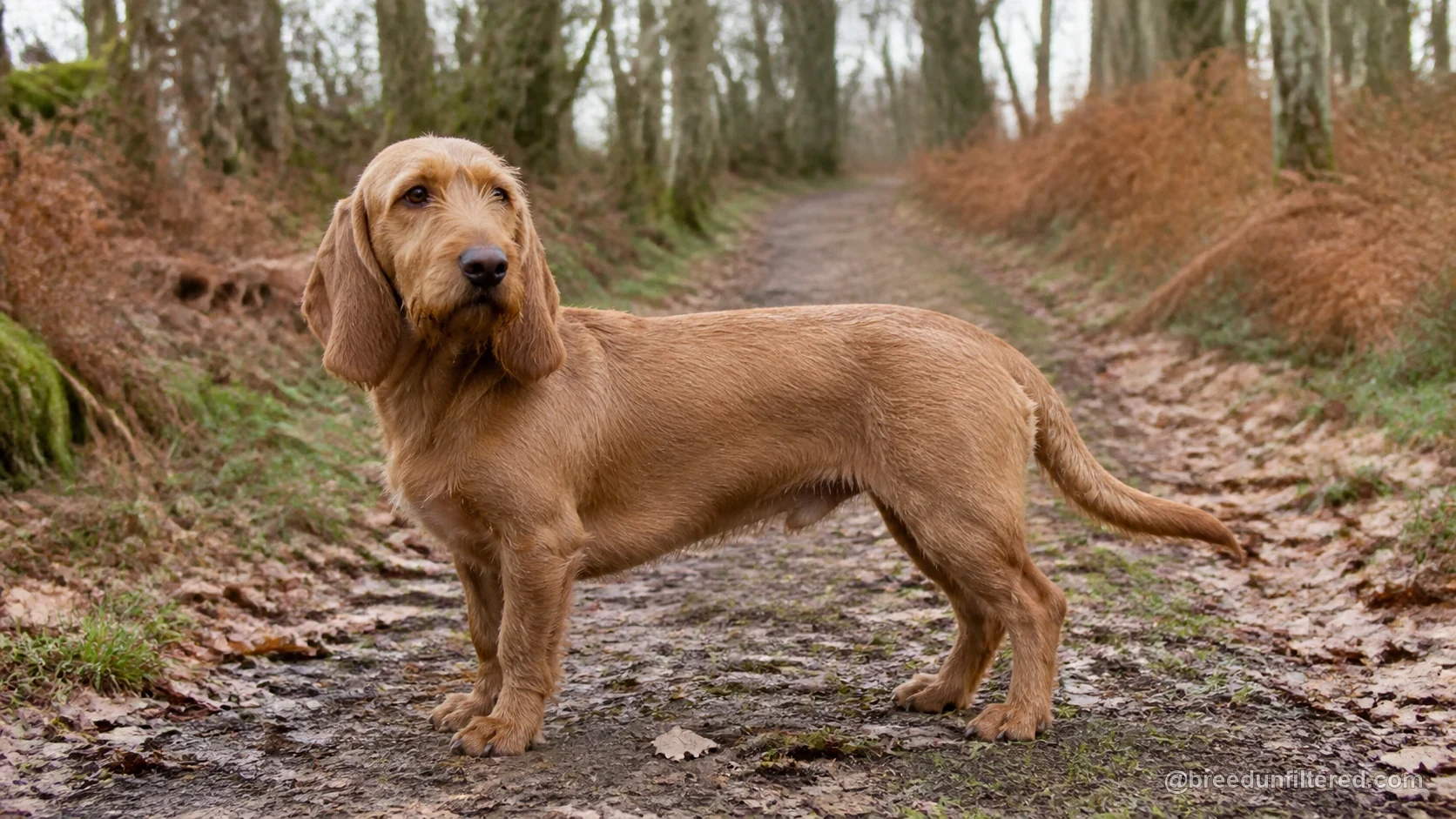
The Basset Fauve de Bretagne, a rustic French hound with a golden-red coat, is a breed that often surprises those who meet it. While its short legs and long body might suggest a sedentary companion, this is a working hound at heart, bred to hunt small game through dense underbrush. Prospective owners should look beyond the charming exterior and understand the breed's energetic, determined, and sociable nature.
This article provides a balanced overview of the Basset Fauve de Bretagne, covering its origins, temperament, exercise and training needs, and the practical realities of daily life. Whether you are considering adding one to your family or simply curious about this rare breed, the information here will help you make an informed decision.
Origin and Purpose
The Basset Fauve de Bretagne hails from the Brittany region of France, where it was developed as a scent hound for hunting rabbits and other small game. Its name translates to 'low-set fawn-colored dog of Brittany,' reflecting its stature and coat color. The breed is one of several basset-type hounds in France, but it is distinguished by its harsh, wiry coat and its ability to navigate thick brambles and rocky terrain.
Historically, these dogs were prized for their persistence and courage in the field, often working in packs. They were bred to be compact yet sturdy, with a keen nose and a voice that carries well. While their hunting role has diminished in modern times, the breed's instincts remain strong, and many still participate in hunting or scent-based activities. Understanding this background is key to appreciating their energy and drive.
Temperament and Variation
Basset Fauve de Bretagnes are generally described as cheerful, outgoing, and affectionate with their families. They tend to be sociable and enjoy being part of household activities, often forming strong bonds with their people. However, like many hounds, they can also be independent and stubborn, especially when following a scent. Individual temperaments vary, and early experiences play a significant role in shaping behavior.
While they are not typically aggressive, they are alert and will bark to announce visitors. Their friendly nature extends to strangers, making them poor guard dogs but pleasant companions. They usually get along well with other dogs, but their prey drive can be strong, so caution is needed around small animals. Prospective owners should expect a dog that is both loving and willful, requiring patience and a good sense of humor.
Exercise and Mental Work
Despite their short legs, Basset Fauve de Bretagnes are active and need regular exercise to stay healthy and content. Daily walks, play sessions, and opportunities to explore in a safe area are important. They are not suited to a purely sedentary lifestyle, and without adequate activity, they may become bored and develop undesirable behaviors. However, they are not high-octane athletes; moderate, consistent exercise is usually sufficient.
Mental stimulation is equally crucial. Scent games, puzzle toys, and training sessions that engage their noses can tire them out as much as physical activity. Because they were bred to work independently, they may not always look to their owner for direction, so creative approaches to mental enrichment are beneficial. A tired Basset Fauve is a happy Basset Fauve, and meeting both physical and mental needs is essential for a harmonious home.
Training and Socialisation
Training a Basset Fauve de Bretagne requires patience and consistency. They are intelligent but can be stubborn, and they respond best to positive reinforcement methods such as treats, praise, and play. Harsh corrections are counterproductive and can damage trust. Short, varied sessions are more effective than long, repetitive ones, as these dogs may lose interest quickly.
Early socialisation is vital to help them become well-rounded adults. Exposing them to a variety of people, places, and other animals in a positive way can reduce shyness or reactivity. Because of their hunting background, recall may be unreliable when they catch an interesting scent, so a secure, fenced area is essential for off-leash exercise. Training should also include impulse control to manage their prey drive.
Family and Other Pets
Basset Fauve de Bretagnes can make wonderful family dogs, especially in homes with older children who understand how to interact respectfully with dogs. They are generally tolerant and playful, but like any breed, they should be supervised around young children to prevent accidental injuries. Their sturdy build allows for rough-and-tumble play, but they may not appreciate being teased.
With other dogs, they usually get along well, as they are pack-oriented by nature. However, their prey drive means that cats and small pets such as rabbits or guinea pigs may be viewed as quarry. With careful introductions and management, some individuals can live peacefully with cats, but it is not guaranteed. Prospective owners should assess their household's current pets and be prepared to manage interactions.
Grooming and Health
The Basset Fauve de Bretagne has a harsh, wiry coat that is relatively low-maintenance. Weekly brushing helps remove loose hair and prevent mats, and occasional hand-stripping or clipping can maintain the coat's texture. They are moderate shedders, and bathing is only needed when they are dirty. Regular ear cleaning is important, as their floppy ears can trap moisture and debris.
As with many purebred dogs, they may be prone to certain health conditions, though the breed is generally robust. Potential issues include ear infections, hip dysplasia, and eye problems. Responsible breeders screen for hereditary conditions, and prospective owners should ask about health clearances. Regular veterinary check-ups, a balanced diet, and appropriate exercise contribute to overall well-being.
Costs and Responsibility
Owning a Basset Fauve de Bretagne involves financial and time commitments. Initial costs include the purchase price from a reputable breeder, which can be significant due to the breed's rarity. Ongoing expenses include high-quality food, routine veterinary care, grooming supplies, and pet insurance. Emergency medical costs can be substantial, so planning ahead is wise.
Beyond finances, these dogs require a significant investment of time for exercise, training, and companionship. They are not a breed to be left alone for long periods, as they thrive on human interaction. Prospective owners should honestly assess their lifestyle and living situation. With proper care, a Basset Fauve de Bretagne can be a loyal and entertaining companion for many years.
Clear answers
FREQUENTLY ASKED QUESTIONS
Are Basset Fauve de Bretagnes good with children?
They can be good with children, especially when raised with them and properly socialized. Their playful and tolerant nature often makes them suitable for families with older kids who know how to interact gently. However, supervision is always recommended, as any dog may react defensively if provoked or handled roughly.
How much exercise does a Basset Fauve de Bretagne need?
They need moderate daily exercise, such as a couple of walks and playtime in a secure yard. They are not couch potatoes, but they are not extremely high-energy either. Mental stimulation, like scent games, is also important to keep them content and prevent boredom-related behaviors.
Are they easy to train?
Training can be challenging due to their independent and sometimes stubborn nature. They respond best to positive reinforcement and short, engaging sessions. Consistency and patience are key. Early socialization and training are essential to manage their prey drive and ensure they become well-mannered companions.
Do they get along with other pets?
They generally get along well with other dogs, as they are pack-oriented. However, their strong prey drive may make them unsafe around small animals like cats, rabbits, or guinea pigs. With careful introductions and management, some individuals can coexist with cats, but it is not guaranteed.
What are common health issues in the breed?
While generally healthy, they may be prone to ear infections due to their floppy ears, as well as hip dysplasia and certain eye conditions. Responsible breeders screen for these issues. Regular veterinary check-ups and proper ear care can help mitigate risks. Always ask breeders about health clearances.
Sources and further reading
Scores describe typical breed tendencies from 1 to 10. They are not a quality ranking or a prediction for an individual dog.
Size and presence5/10
CompactVery large
Physical strength6/10
LightExceptional
Energy level9/10
LowRelentless
Exercise demand9/10
ModestVery demanding
Mental work needed8/10
ModerateDaily job
Trainability5/10
ChallengingExceptional
Everyday manageability2/10
SpecialistStraightforward
First-time owner fit3/10
Poor fitGood fit
Family-life fit6/10
LimitedExcellent
Dog sociability8/10
SelectiveVery social
Prey drive10/10
LowVery high
Guarding tendency3/10
MinimalSerious
Independence8/10
Handler-focusedSelf-directed
Grooming demand4/10
LightHeavy
Apartment fit4/10
Poor fitGood fit