Complete breed guide
Swiss Hound OWNERSHIP GUIDE
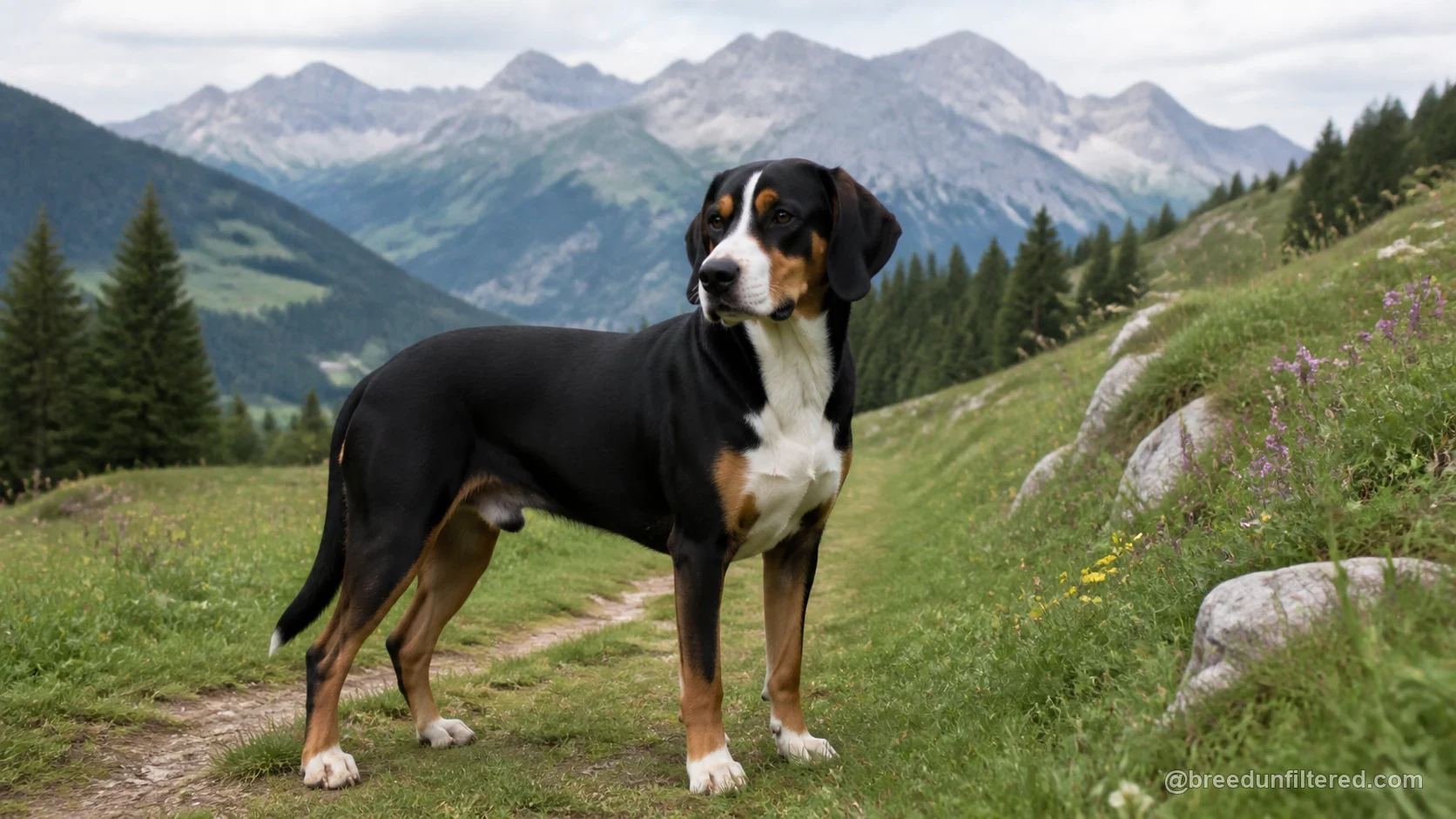
The Swiss Hound, known officially as the Schweizer Laufhund, is a scenthound of considerable antiquity, developed in Switzerland for trailing game across varied and demanding terrain. With a history that may trace back to Roman times and Celtic hounds, this breed was refined over centuries to work independently, using its voice to signal hunters from a distance. Recognized by the Fédération Cynologique Internationale (FCI) in Group 6, the Swiss Hound remains a specialist working dog, prized for its endurance, keen nose, and melodious bay.
Today, the Swiss Hound is not a common companion dog, and its instincts are deeply rooted in the chase. Prospective owners must understand that this is a breed with high exercise demands, a strong prey drive, and a vocal nature. While loyal and affectionate with their family, they are not suited to every household. This article provides an evidence-based overview of the breed's characteristics, care requirements, and the responsibilities involved, helping you decide if the Swiss Hound is the right match for your lifestyle.
Origin and Purpose
The Swiss Hound's origins are ancient, with ancestors likely brought to Switzerland by the Romans. Over centuries, selective breeding produced a hound adapted to the country's diverse landscapes, from alpine slopes to dense forests. The breed was historically used for hunting hare, fox, and deer, often in packs, and was valued for its ability to work independently while maintaining contact through its distinctive baying. The FCI standard, number 59, describes the Swiss Hound as a medium-sized, well-muscled dog with a noble bearing, reflecting its purpose as a persistent and agile hunter.
There are four recognized varieties of the Swiss Hound: the Bernese, Jura, Lucerne, and Schwyz Hounds, each named after their region of origin and distinguished by coat color and slight variations in type. Despite these differences, all share the same working heritage and are judged under a single FCI standard. The breed's primary role remains hunting, and it is rarely seen outside its native country. This specialized purpose means that the Swiss Hound's instincts are strong, and its suitability as a pet depends on an owner's ability to channel those instincts appropriately.
Temperament and Variation
The Swiss Hound is typically described as even-tempered, intelligent, and determined. As a pack hound, it generally gets along well with other dogs and thrives in a social environment. With its family, it can be affectionate and loyal, though it may retain a degree of independence, a trait common among scenthounds. The breed is not known for aggression, but its strong hunting instinct means that small animals, including cats, may be viewed as prey unless carefully socialized from an early age.
Individual temperament can vary, and the four varieties may show subtle differences in energy or drive, though these are not well-documented. The Swiss Hound is vocal by nature, using its voice to communicate during work, and this tendency may manifest as barking or baying at home. Prospective owners should be prepared for a dog that is not typically a quiet companion. Early and consistent training, along with ample mental and physical stimulation, can help manage these traits, but they are inherent to the breed's character.
Exercise and Mental Work
The Swiss Hound is a high-energy breed with substantial exercise requirements. Bred for endurance, it needs daily opportunities to run and explore, ideally in a safe, enclosed area where it can follow its nose. A simple walk around the block is insufficient; this dog requires vigorous activity, such as hiking, jogging, or off-lead running in a secure location. Without adequate exercise, the Swiss Hound may become restless and develop behavioral issues, including excessive barking or digging.
Mental stimulation is equally important. Scent work, tracking, and puzzle toys can engage the Swiss Hound's keen nose and problem-solving abilities. Activities that mimic hunting, such as nose work or lure coursing, can be particularly fulfilling. Owners should be prepared to dedicate a significant portion of their day to meeting both physical and mental needs. This breed is not suited to a sedentary lifestyle, and potential owners must honestly assess their ability to provide the necessary outlet for the dog's energy.
Training and Socialisation
Training a Swiss Hound requires patience and consistency. While intelligent, the breed's independent nature can make it appear stubborn, and it may be more motivated by food or the opportunity to follow a scent than by praise alone. Positive reinforcement methods, using treats and play, tend to yield the best results. Harsh corrections are counterproductive and can damage the trust between dog and owner. Early training should focus on basic obedience and a reliable recall, which is essential for a dog with such a strong prey drive.
Socialisation is critical from a young age. Exposing the Swiss Hound to a variety of people, animals, and environments helps it develop into a well-adjusted adult. However, even with thorough socialisation, the breed's instinct to chase small animals may remain, so supervision is necessary around non-canine pets. The Swiss Hound is generally good with children, but its boisterous nature and size mean that interactions should be supervised, especially with very young children. A well-trained and socialised Swiss Hound can be a delightful companion, but it is not a breed for first-time dog owners.
Family and Pets
The Swiss Hound can make a loving family dog, particularly in households that appreciate its energetic and affectionate nature. It tends to bond closely with its family and may be reserved with strangers, though not aggressive. The breed's pack mentality means it usually gets along well with other dogs, and it may thrive in a multi-dog household. However, its hunting instinct can be problematic with cats, rabbits, or other small pets, and introductions should be done carefully and gradually, if at all.
Families with young children should consider the Swiss Hound's size and exuberance. While not typically aggressive, it may accidentally knock over a toddler during play. Older children who understand how to interact with dogs can enjoy a rewarding relationship with this breed. The Swiss Hound is not a guard dog; it may alert bark, but it is more likely to greet a stranger with curiosity than suspicion. Ultimately, the breed's suitability for a family depends on the family's ability to meet its exercise and training needs.
Grooming and Health
The Swiss Hound has a short, dense coat that is relatively low-maintenance. Weekly brushing with a soft bristle brush or hound glove helps remove loose hair and keep the coat healthy. The breed sheds moderately year-round, with heavier shedding during seasonal changes. Regular ear checks are important, as the breed's floppy ears can trap moisture and debris, potentially leading to infections. Nails should be trimmed regularly, and dental hygiene should be maintained with routine brushing.
As with many purebred dogs, the Swiss Hound may be predisposed to certain health conditions, though the breed is generally considered hardy. Potential issues include hip dysplasia, ear infections, and bloat (gastric dilatation-volvulus), a serious condition that requires immediate veterinary attention. Responsible breeders screen their breeding stock for hereditary conditions. Prospective owners should ask for health clearances and be prepared for the financial commitment of routine veterinary care and potential emergencies. The average lifespan is around 10 to 12 years, though individual dogs may vary.
Costs and Responsibility
Owning a Swiss Hound is a significant financial and time commitment. Initial costs include the purchase price from a reputable breeder, which can be considerable, as well as supplies such as a crate, bedding, and food. Ongoing expenses include high-quality dog food, routine veterinary care, vaccinations, and parasite prevention. Grooming costs are minimal, but pet insurance or a savings fund for unexpected medical bills is advisable. The breed's exercise needs may also incur costs, such as fencing a yard or boarding when you are away.
Beyond finances, the Swiss Hound requires a dedicated owner who can provide ample exercise, mental stimulation, and training. This is not a breed that can be left alone for long periods; it thrives on companionship and activity. Prospective owners should research the breed thoroughly, speak with breeders or owners, and consider whether their lifestyle aligns with the dog's needs. The Swiss Hound is a rewarding companion for the right person, but it is not a low-maintenance pet. Responsible ownership means being prepared for the long-term commitment of up to 12 years or more.
Clear answers
FREQUENTLY ASKED QUESTIONS
Is the Swiss Hound a good family dog?
The Swiss Hound can be a good family dog for active households that understand its needs. It is generally affectionate and loyal, and it usually gets along well with children, especially older ones. However, its high energy and strong prey drive require careful management. Families must be prepared to provide ample exercise and training, and supervision is necessary around small pets.
How much exercise does a Swiss Hound need?
The Swiss Hound has high exercise requirements. It needs at least one to two hours of vigorous activity daily, such as running, hiking, or off-lead play in a secure area. Mental stimulation is also crucial, as the breed is intelligent and driven by scent. Without sufficient exercise, the dog may become restless and develop behavioral problems.
Is the Swiss Hound easy to train?
Training a Swiss Hound can be challenging due to its independent nature. It is intelligent but may be stubborn, and it responds best to positive reinforcement methods like treats and play. Consistency and patience are essential. Early socialisation and obedience training are critical to manage its prey drive and ensure a well-behaved companion.
Does the Swiss Hound bark a lot?
Yes, the Swiss Hound is a vocal breed. It uses its voice to communicate during hunting, and this tendency can carry over into the home. It may bark or bay when excited, when following a scent, or when alerting to something. Owners should be prepared for a dog that is not typically quiet and may need training to manage excessive barking.
Is the Swiss Hound suitable for apartment living?
The Swiss Hound is not well-suited to apartment living due to its high energy and vocal nature. It needs space to run and explore, and a securely fenced yard is highly recommended. Apartment dwellers would need to provide extensive outdoor exercise and mental stimulation, which may be challenging. A home with access to open areas is more appropriate.
Sources and further reading
Scores describe typical breed tendencies from 1 to 10. They are not a quality ranking or a prediction for an individual dog.
Size and presence5/10
CompactVery large
Physical strength5/10
LightExceptional
Energy level9/10
LowRelentless
Exercise demand10/10
ModestVery demanding
Mental work needed8/10
ModerateDaily job
Trainability5/10
ChallengingExceptional
Everyday manageability2/10
SpecialistStraightforward
First-time owner fit3/10
Poor fitGood fit
Family-life fit6/10
LimitedExcellent
Dog sociability8/10
SelectiveVery social
Prey drive10/10
LowVery high
Guarding tendency3/10
MinimalSerious
Independence8/10
Handler-focusedSelf-directed
Grooming demand4/10
LightHeavy
Apartment fit4/10
Poor fitGood fit