Complete breed guide
Japanese Terrier OWNERSHIP GUIDE
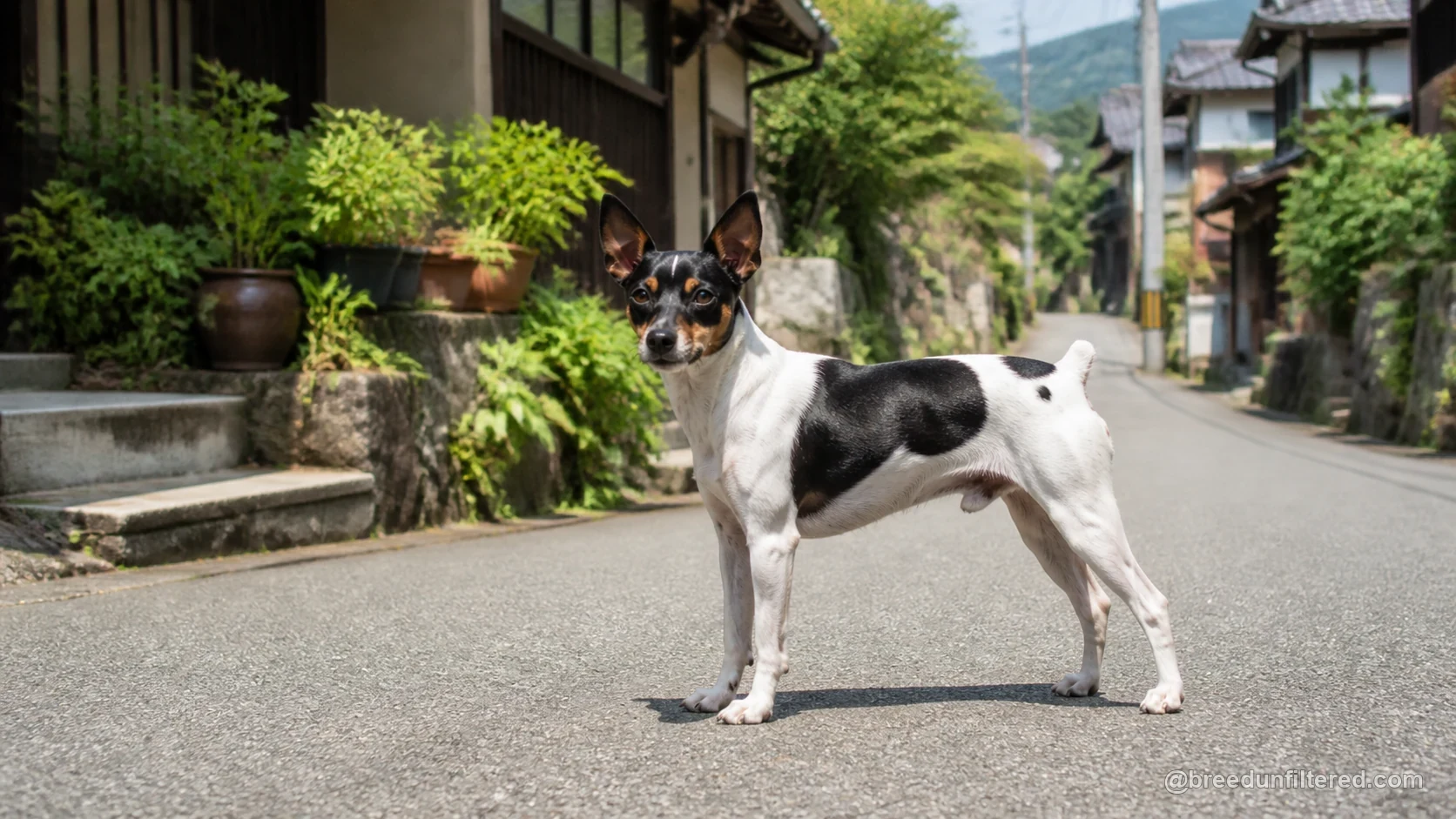
The Japanese Terrier is a rare and elegant small breed, known for its sleek black-and-white coat and lively, affectionate nature. Originating in Japan, this terrier was developed as a companion and ratter, prized for its intelligence and adaptability. Despite its scarcity outside its homeland, the breed has a devoted following among enthusiasts who appreciate its charming personality and manageable size.
For prospective owners, understanding the Japanese Terrier's unique characteristics is essential. This article provides a comprehensive overview of the breed's origin, temperament, exercise requirements, training, health, and more. Whether you are considering adding one to your family or simply curious about this fascinating breed, this guide offers practical insights to help you make an informed decision.
Origin and Purpose
The Japanese Terrier, also known as the Nihon Teria, is a breed with roots in Japan, believed to have descended from small terriers brought by European traders in the 17th century. These dogs were crossed with local Japanese breeds to create a compact, agile dog capable of hunting rats and other vermin. The breed was refined in the port cities of Kobe and Yokohama, where it became a favorite among merchants and sailors.
Today, the Japanese Terrier is primarily a companion animal, but its terrier heritage remains evident in its alertness and prey drive. The breed is recognized by the Fédération Cynologique Internationale (FCI) under standard number 259, and it is classified in Group 3 (Terriers). While still rare outside Japan, the breed has a small but dedicated following in other countries, where enthusiasts value its unique appearance and spirited personality.
Temperament and Variation
Japanese Terriers are known for their lively, affectionate, and intelligent temperament. They form strong bonds with their families and often display a playful, sometimes clownish demeanor. While they can be reserved with strangers, they are generally not aggressive, and early socialization helps them become well-adjusted adults. Individual temperaments can vary, with some dogs being more outgoing and others more cautious.
As with any breed, the Japanese Terrier's personality is shaped by genetics, upbringing, and environment. They are typically alert and make good watchdogs, but they are not known for excessive barking. Their terrier nature may lead to a stubborn streak, but they are also eager to please, which can make training a rewarding experience when approached with patience and consistency.
Exercise and Mental Work
Despite their small size, Japanese Terriers have moderate energy levels and require daily exercise to stay happy and healthy. A couple of walks per day, along with playtime in a securely fenced area, usually suffices. They enjoy interactive games like fetch and agility, which also provide mental stimulation. Without adequate exercise, they may become bored and develop undesirable behaviors.
Mental work is equally important for this intelligent breed. Puzzle toys, obedience training, and scent games can help keep their minds sharp. Because they were bred to hunt, they may have a strong prey drive, so it's essential to keep them on a leash in unfenced areas. Providing a variety of activities can prevent boredom and strengthen the bond between dog and owner.
Training and Socialisation
Training a Japanese Terrier requires a gentle yet firm approach. They respond well to positive reinforcement techniques, such as treats and praise, and they can become stubborn if handled harshly. Consistency and patience are key, as is starting training early. Basic obedience commands and house training are usually straightforward, but some individuals may test boundaries.
Socialisation is crucial for this breed to develop into a well-mannered companion. Exposing them to various people, animals, and environments from a young age helps reduce shyness or reactivity. Puppy classes and regular outings can be beneficial. With proper socialisation, Japanese Terriers typically get along well with other dogs and can coexist peacefully with cats if raised together.
Family and Other Pets
Japanese Terriers can make wonderful family pets for households with older children who understand how to interact respectfully with dogs. They are playful and enjoy being involved in family activities, but they may not tolerate rough handling. Supervision is recommended when they are around very young children, as with any small breed, to prevent accidental injury.
Regarding other pets, the Japanese Terrier's prey drive can be a consideration. They may chase small animals such as rodents or birds, but with early socialisation, they can learn to live peacefully with cats and other dogs. Their terrier instincts may lead them to be assertive with other dogs of the same sex, so careful introductions and ongoing management are important.
Grooming and Health
The Japanese Terrier has a short, smooth coat that is relatively low-maintenance. Weekly brushing with a soft bristle brush or rubber mitt helps remove loose hair and keep the coat shiny. They are moderate shedders, and occasional baths are sufficient to keep them clean. Regular ear cleaning, nail trimming, and dental care are also part of a good grooming routine.
As a breed, the Japanese Terrier is generally healthy, but like all dogs, they may be prone to certain conditions. Responsible breeders screen for hereditary issues, and prospective owners should ask about health clearances. Common concerns in small breeds include patellar luxation and eye problems, but no breed-specific health issues are widely documented. Regular veterinary check-ups and a balanced diet contribute to their overall well-being.
Costs and Responsibility
Owning a Japanese Terrier involves financial and time commitments. Initial costs include the purchase price, which can be significant due to the breed's rarity, as well as supplies like a crate, bed, and food. Ongoing expenses include high-quality dog food, routine veterinary care, vaccinations, and preventive medications. Pet insurance is also worth considering to help manage unexpected medical costs.
Beyond finances, responsible ownership requires a commitment to training, exercise, and companionship. Japanese Terriers thrive on human interaction and should not be left alone for long periods. Prospective owners should ensure they have the time and resources to meet the breed's needs. Adopting from a rescue or breed-specific organization is also an option, though availability may be limited.
Clear answers
FREQUENTLY ASKED QUESTIONS
Are Japanese Terriers good with children?
Japanese Terriers can be good with children, especially when raised with them and properly socialized. They are playful and affectionate, but due to their small size, they may be easily injured by rough handling. It's important to teach children how to interact gently and to supervise interactions to ensure safety for both the dog and the child.
How much exercise does a Japanese Terrier need?
Japanese Terriers have moderate energy levels and typically need about 30 to 60 minutes of exercise per day. This can include walks, playtime, and mental stimulation. They enjoy activities like fetch and agility, which help burn energy and keep them engaged. Without enough exercise, they may become bored and develop behavioral issues.
Are Japanese Terriers easy to train?
Japanese Terriers are intelligent and generally eager to please, but they can have a stubborn streak. Training is most effective with positive reinforcement, such as treats and praise, and consistent, patient methods. Early training and socialization are important to prevent bad habits. They respond well to short, fun sessions that keep their interest.
Do Japanese Terriers shed a lot?
Japanese Terriers have a short, smooth coat that sheds moderately. Regular brushing, about once a week, can help remove loose hair and keep shedding under control. They are not considered heavy shedders, but they do shed year-round. Bathing occasionally can also help manage loose hair and keep their coat healthy.
Are Japanese Terriers rare?
Yes, Japanese Terriers are considered a rare breed, especially outside of Japan. Their numbers are limited, and they are not commonly found in many countries. This rarity can make finding a reputable breeder challenging, and there may be waiting lists. It's important to do thorough research and consider rescue options if available.
Sources and further reading
Scores describe typical breed tendencies from 1 to 10. They are not a quality ranking or a prediction for an individual dog.
Size and presence2/10
CompactVery large
Physical strength4/10
LightExceptional
Energy level8/10
LowRelentless
Exercise demand8/10
ModestVery demanding
Mental work needed8/10
ModerateDaily job
Trainability6/10
ChallengingExceptional
Everyday manageability3/10
SpecialistStraightforward
First-time owner fit4/10
Poor fitGood fit
Family-life fit6/10
LimitedExcellent
Dog sociability4/10
SelectiveVery social
Prey drive10/10
LowVery high
Guarding tendency4/10
MinimalSerious
Independence9/10
Handler-focusedSelf-directed
Grooming demand4/10
LightHeavy
Apartment fit6/10
Poor fitGood fit