Complete breed guide
Australian Kelpie OWNERSHIP GUIDE
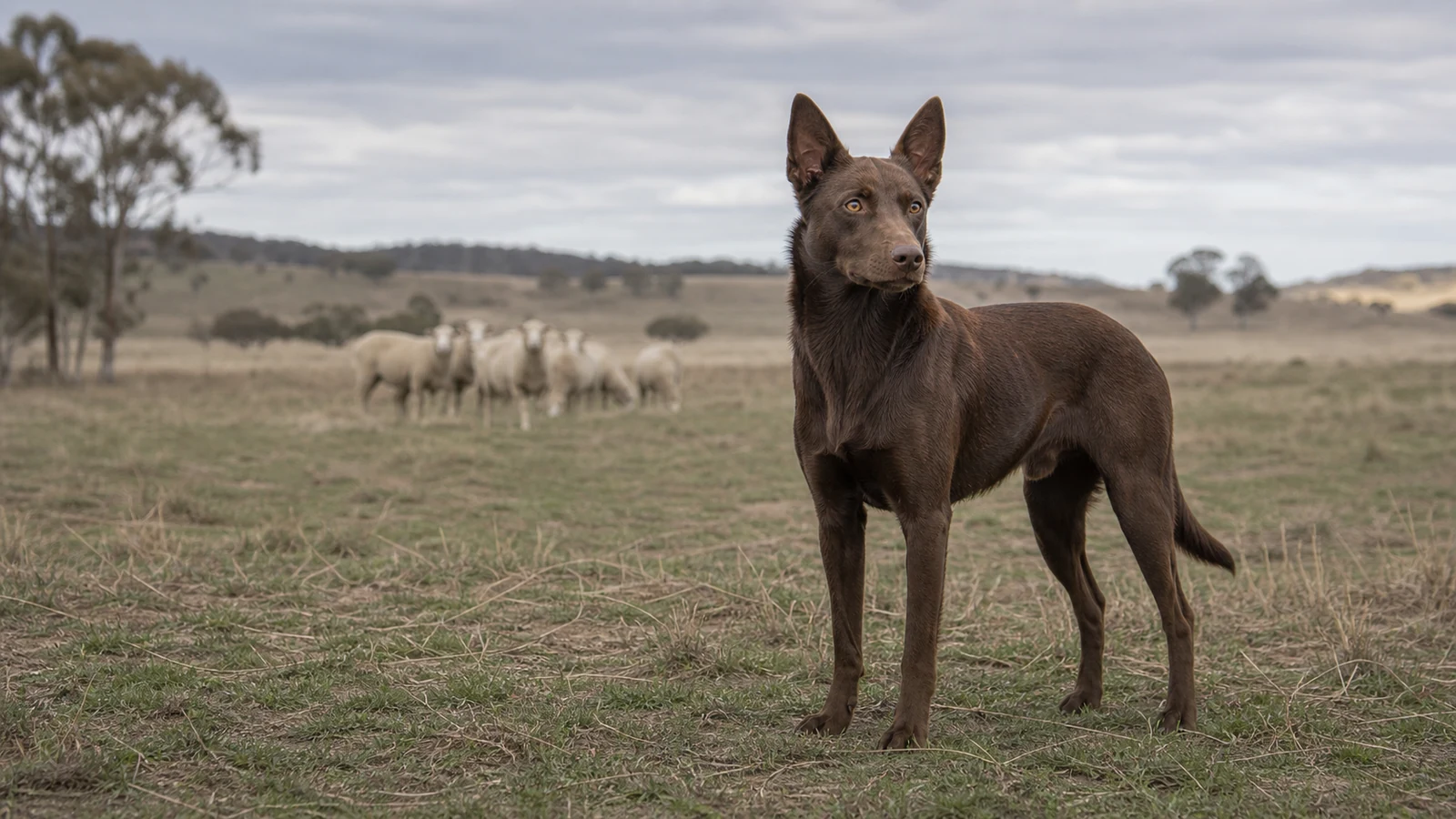
The Australian Kelpie is a highly intelligent and energetic herding dog, developed in Australia to work sheep in vast, challenging terrains. Known for their tireless work ethic and remarkable agility, Kelpies have become popular not only as working dogs but also as companions for active individuals and families. Their keen expression and athletic build reflect a breed that thrives on purpose and activity.
This guide provides an evidence-conscious overview of the Australian Kelpie, covering their origins, temperament, exercise and training needs, and considerations for prospective owners. Whether you are considering a Kelpie as a working partner or a family pet, understanding their inherent drives and requirements is essential to a successful and fulfilling relationship.
Origin and Purpose
The Australian Kelpie originated in Australia in the late 19th century, developed from British herding dogs, particularly Collies, that were imported to work on the vast sheep stations. The breed was refined to handle the harsh climate, wide-open spaces, and independent sheep that required a dog capable of working long hours with minimal supervision. The name 'Kelpie' is said to derive from a water spirit in Celtic folklore, reflecting the breed's agility and affinity for water.
Kelpies were bred for function over form, with an emphasis on stamina, intelligence, and a natural herding instinct. They are renowned for their ability to 'work the fence' and their 'eye' – a focused stare used to control livestock. Today, while many Kelpies still work as stock dogs, they also excel in dog sports such as agility, obedience, and flyball, and some serve as therapy or detection dogs, showcasing their versatility and trainability.
Temperament and Variation
The Australian Kelpie is typically described as alert, intelligent, and eager to please, but they are also known for their independence and strong work drive. They are often reserved with strangers but are loyal and devoted to their family. Because they were bred to make decisions on their own while herding, they can be independent thinkers, which can be both a blessing and a challenge in training. Individual temperament varies, and early socialisation and consistent training play a significant role in shaping their behaviour.
There are two main types of Kelpies: the working line and the show line. Working line Kelpies are bred primarily for their herding ability and may have even higher energy and drive, while show line Kelpies are bred to conform to the breed standard and may have a slightly more moderate temperament. However, both types share the core Kelpie traits of intelligence, agility, and a strong desire to be active. Prospective owners should consider their lifestyle and the specific line they are interested in.
Exercise and Mental Work
Australian Kelpies are extremely energetic and require substantial daily exercise to remain physically and mentally healthy. They are not couch potatoes; they need opportunities to run, play, and engage in activities that challenge their minds. A typical Kelpie will benefit from at least an hour of vigorous exercise per day, but this can vary based on age, health, and individual temperament. Activities like running, hiking, and playing fetch are popular, but mental stimulation is equally important.
Mental work is crucial for Kelpies, as they are highly intelligent and can become bored easily. Boredom may lead to destructive behaviours such as digging, chewing, or excessive barking. Providing puzzle toys, obedience training sessions, and interactive games can help satisfy their need for mental engagement. Many Kelpies excel in dog sports like agility, which combine physical and mental challenges, and they often thrive when given a 'job' to do, even if it is just learning new tricks.
Training and Socialisation
Training an Australian Kelpie requires patience, consistency, and positive reinforcement methods. They are quick learners and respond well to reward-based training, but their independent nature can sometimes make them seem stubborn. Early socialisation is essential to help them become well-adjusted adults, as they can be wary of strangers and other dogs if not properly exposed. Puppy classes and regular outings to new environments can help build their confidence.
Kelpies are known for their strong herding instinct, which may manifest as nipping at heels or chasing moving objects, including children and other pets. Training should include teaching impulse control and appropriate outlets for their herding drive. Because they are sensitive and intelligent, harsh training methods are counterproductive; they respond best to clear, fair, and engaging training sessions that keep their interest. A well-trained Kelpie is a joy to live with, but they are not recommended for first-time dog owners who are not prepared for their high energy and training demands.
Family and Other Pets
Australian Kelpies can make wonderful family dogs for active households that can meet their exercise and mental needs. They are typically loyal and affectionate with their family members, including children, but their herding instinct may lead them to try to round up small children, which can be startling. Supervision and training are important to teach them appropriate behaviour around kids. They often form strong bonds with their owners and may be protective, though they are not typically aggressive.
Regarding other pets, Kelpies may have a high prey drive due to their herding background, which can make them prone to chasing small animals like cats, rabbits, or small dogs. However, with early socialisation and training, some Kelpies can learn to coexist peacefully with other pets. It is important to introduce them carefully and provide supervision, especially in the beginning. Their natural instinct to chase and herd can be managed with consistent training and by providing appropriate outlets for their energy.
Grooming and Health
The Australian Kelpie has a short, weather-resistant double coat that requires minimal grooming. They shed moderately throughout the year, with heavier shedding during seasonal changes. Regular brushing, about once a week, helps remove loose hair and keeps their coat healthy. They are generally clean dogs and do not require frequent baths unless they get particularly dirty. Routine care such as nail trimming, ear cleaning, and dental hygiene should be part of their regular grooming routine.
Kelpies are generally a healthy breed with a lifespan of around 10 to 13 years. However, like all breeds, they may be predisposed to certain health conditions, including hip dysplasia, progressive retinal atrophy (PRA), and some hereditary conditions. Responsible breeders screen their breeding dogs for these issues. It is important for prospective owners to obtain a puppy from a breeder who conducts health clearances and to maintain regular veterinary check-ups. A balanced diet and appropriate exercise are key to keeping a Kelpie healthy.
Costs and Responsibility
Owning an Australian Kelpie involves significant financial and time commitments. The initial cost of a puppy from a reputable breeder can vary, but it is often in the range of several hundred to over a thousand dollars, depending on the line and location. Ongoing costs include high-quality food, routine veterinary care, vaccinations, parasite prevention, and pet insurance. Additionally, because Kelpies are active dogs, they may require secure fencing and durable toys, which add to the overall expense.
Beyond financial costs, owning a Kelpie is a long-term responsibility that requires a substantial time investment. They need daily exercise, mental stimulation, and training, which can be challenging for busy individuals or those with limited mobility. Prospective owners should honestly assess their ability to provide for a high-energy working breed. Kelpies are not suitable for apartment living unless their exercise needs are exceptionally well met, and they are best suited to homes with a yard. Adopting a Kelpie is a commitment that can be incredibly rewarding for the right owner.
Clear answers
FREQUENTLY ASKED QUESTIONS
Are Australian Kelpies good family dogs?
Australian Kelpies can be good family dogs for active households that can meet their exercise and mental needs. They are loyal and affectionate with family members, but their herding instinct may lead them to try to round up small children, so supervision and training are important. They are best suited to families that enjoy outdoor activities and can provide consistent structure.
How much exercise does an Australian Kelpie need?
Australian Kelpies are extremely energetic and require substantial daily exercise, typically at least an hour of vigorous activity. This can include running, hiking, playing fetch, or participating in dog sports. Mental stimulation is equally important to prevent boredom, which can lead to destructive behaviours. The exact amount varies by individual, but they are not a low-energy breed.
Are Australian Kelpies easy to train?
Australian Kelpies are highly intelligent and eager to please, making them generally trainable, but they can also be independent thinkers. They respond best to positive reinforcement methods and consistent, engaging training sessions. Early socialisation and training are essential to manage their herding instincts and ensure they become well-adjusted adults. They are not recommended for first-time owners without experience.
Do Australian Kelpies get along with other pets?
Australian Kelpies may have a high prey drive due to their herding background, which can make them prone to chasing small animals. With early socialisation and training, some Kelpies can learn to live peacefully with cats and other dogs, but supervision is important. Their herding instinct may also cause them to try to herd other pets, which can be managed with training.
What are the grooming requirements for an Australian Kelpie?
Australian Kelpies have a short, double coat that requires minimal grooming. Weekly brushing helps remove loose hair and keep their coat healthy, with more frequent brushing during shedding seasons. They are generally clean dogs and do not need frequent baths. Routine nail trimming, ear cleaning, and dental care are also important for their overall health.
Sources and further reading
Scores describe typical breed tendencies from 1 to 10. They are not a quality ranking or a prediction for an individual dog.
Size and presence6/10
CompactVery large
Physical strength5/10
LightExceptional
Energy level7/10
LowRelentless
Exercise demand8/10
ModestVery demanding
Mental work needed10/10
ModerateDaily job
Trainability9/10
ChallengingExceptional
Everyday manageability2/10
SpecialistStraightforward
First-time owner fit2/10
Poor fitGood fit
Family-life fit7/10
LimitedExcellent
Dog sociability6/10
SelectiveVery social
Prey drive9/10
LowVery high
Guarding tendency7/10
MinimalSerious
Independence5/10
Handler-focusedSelf-directed
Grooming demand4/10
LightHeavy
Apartment fit2/10
Poor fitGood fit