Complete breed guide
Mudi OWNERSHIP GUIDE
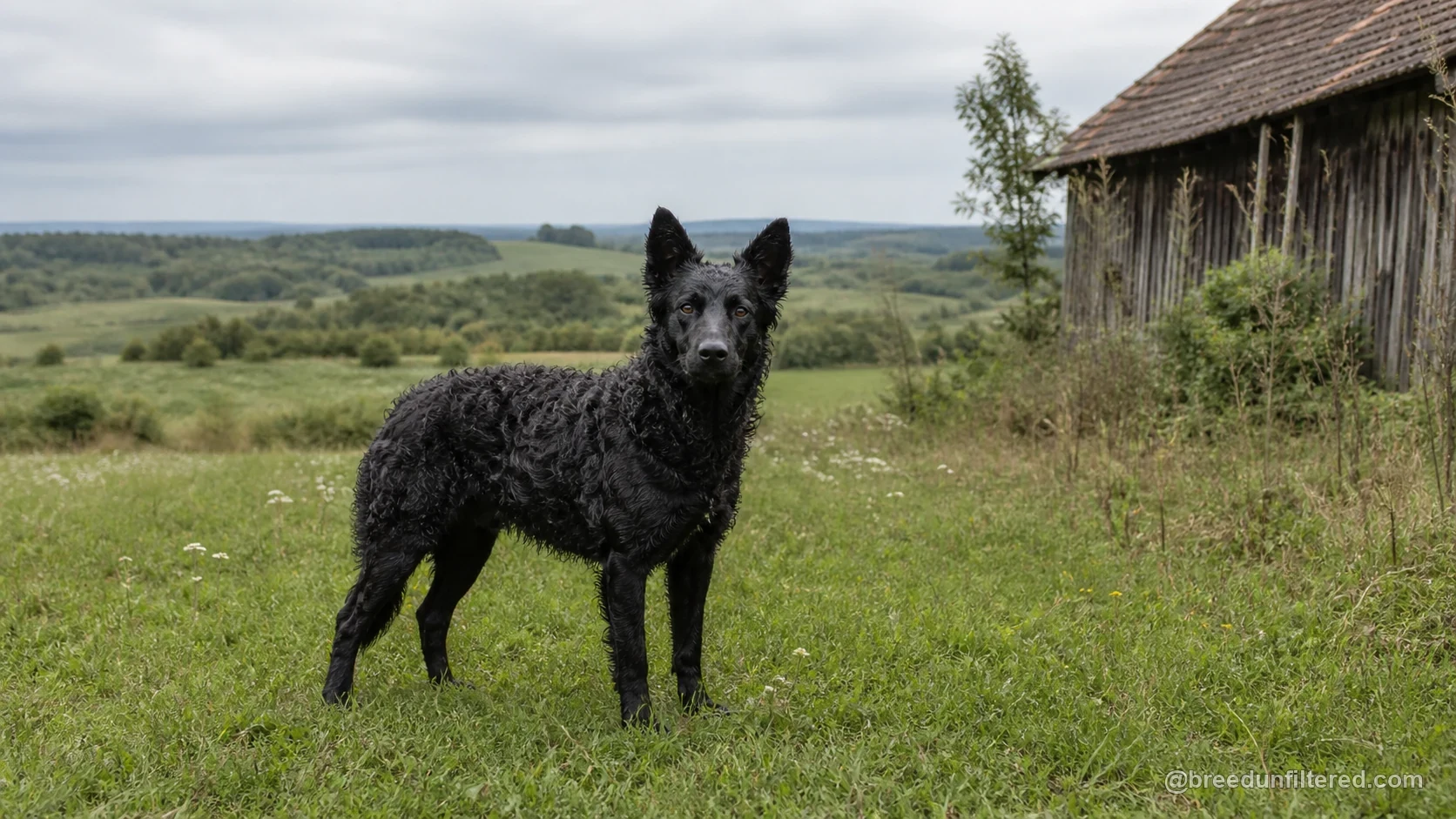
The Mudi is a rare and versatile Hungarian herding dog, known for its intelligence, agility, and distinctive wavy or curly coat. Developed in the 19th century as a working farm dog, the Mudi excels in herding, guarding, and even hunting, making it a true all-rounder among pastoral breeds. Despite its long history, the Mudi remains relatively unknown outside its native Hungary, but it has been gaining a dedicated following among enthusiasts who appreciate its keen mind and energetic spirit.
This breed is not for everyone: the Mudi is a high-energy, highly intelligent dog that thrives on mental and physical challenges. It forms strong bonds with its family and can be reserved with strangers, making it an excellent watchdog. However, its natural herding instincts and alertness require consistent training and ample outlets for its energy. If you are an active owner willing to invest time in training and exercise, the Mudi can be a loyal and rewarding companion.
Origin and Purpose
The Mudi originated in Hungary in the 19th century, developed by crossing various herding dogs, including the Puli and Pumi, to create a versatile farm dog capable of herding, guarding, and even hunting. The breed was first recognized as a distinct type in the 1930s, but its numbers declined dramatically during World War II. Thanks to dedicated breeders, the Mudi was revived and is now recognized by the Fédération Cynologique Internationale (FCI) under standard number 238.
Historically, the Mudi was prized for its ability to work independently and its keen senses, often used to herd cattle, sheep, and pigs. It also served as a watchdog and ratter on farms. Today, the Mudi is still used for herding in Hungary, but it also excels in dog sports such as agility, obedience, and flyball. Its versatility and intelligence make it a capable working dog, but it is equally suited to active families who can provide the mental and physical stimulation it craves.
Temperament and Variation
The Mudi is known for its lively, alert, and courageous temperament. It is a highly intelligent breed that is eager to please but can also be independent and strong-willed. Mudis are typically loyal and affectionate with their families, but they can be wary of strangers, making them excellent watchdogs. They are not naturally aggressive, but their protective instincts may lead them to bark at unfamiliar people or situations.
Individual Mudis can vary in temperament, influenced by genetics, socialization, and training. Some may be more outgoing, while others are more reserved. Early and ongoing socialization is crucial to help them become well-adjusted adults. They are generally good with children if raised with them, but their herding instincts may cause them to nip at heels, so supervision is recommended. With other dogs, they can be assertive and may not tolerate same-sex aggression, so proper introductions are important.
Exercise and Mental Work
The Mudi is a high-energy breed that requires substantial daily exercise to stay happy and healthy. A vigorous walk or jog, combined with off-leash play in a secure area, is essential. However, physical exercise alone is not enough; the Mudi's intelligent mind needs mental challenges to prevent boredom and destructive behaviors. Puzzle toys, obedience training, and interactive games can help satisfy their need for mental stimulation.
Mudis excel in dog sports such as agility, obedience, and herding trials, which provide both physical and mental outlets. They are also known for their jumping ability and may enjoy activities like flyball or dock diving. Without adequate exercise and mental engagement, Mudis can become restless, anxious, and may develop undesirable behaviors like excessive barking or digging. Prospective owners should be prepared to dedicate at least one to two hours of active engagement daily.
Training and Socialisation
Training a Mudi requires patience, consistency, and positive reinforcement methods. They are highly trainable and respond well to reward-based techniques, but they can become bored with repetitive drills. Short, varied training sessions that challenge their intellect are most effective. Harsh corrections are counterproductive and can damage the trust between dog and owner.
Socialisation is equally important. Exposing the Mudi to a wide range of people, animals, and environments from an early age helps prevent shyness or overprotectiveness. Puppy classes and regular outings can build confidence. Because of their herding background, they may have a strong prey drive and may chase small animals, so training a reliable recall is essential. With proper socialisation and training, the Mudi can become a well-mannered and adaptable companion.
Family and Pets
The Mudi can make a wonderful family dog for active households. It is loyal and protective, often forming a strong bond with one person but still affectionate with all family members. They are generally good with children, especially if raised with them, but their herding instincts may lead them to nip at heels, so supervision is advised. They may also be possessive of their family and territory, so early training is needed to manage this behavior.
When it comes to other pets, the Mudi's compatibility varies. They can live with other dogs if properly socialized, but they may be assertive and may not tolerate same-sex aggression. Their prey drive can be strong, so they may not be safe around small animals like cats, rabbits, or rodents unless raised with them from a young age. It is essential to introduce them carefully and supervise interactions.
Grooming and Health
The Mudi has a medium-length, wavy or curly coat that is relatively low-maintenance. Weekly brushing is usually sufficient to remove loose hair and prevent matting, with more frequent grooming during seasonal sheds. They are moderate shedders. Bathing should be done only when necessary to avoid stripping natural oils. Regular ear checks, nail trims, and dental care are also part of routine grooming.
The Mudi is generally a healthy breed with a lifespan of 12-14 years. However, like all breeds, they may be prone to certain genetic conditions, including hip dysplasia, progressive retinal atrophy (PRA), and epilepsy. Responsible breeders screen their breeding stock for these conditions. Prospective owners should ask for health clearances and be prepared for potential veterinary costs. Regular check-ups and a balanced diet contribute to overall well-being.
Costs and Responsibility
Owning a Mudi involves significant financial and time commitments. The initial cost of a puppy from a reputable breeder can range from $1,000 to $2,500 or more, depending on location and pedigree. Additionally, you should budget for high-quality food, routine veterinary care, vaccinations, and grooming supplies. Emergency medical expenses can be substantial, so pet insurance is worth considering.
Beyond finances, the Mudi requires a substantial time investment for exercise, training, and companionship. They are not suited to a sedentary lifestyle or being left alone for long periods. Prospective owners should assess their ability to meet the breed's needs before acquiring a Mudi. Adopting from a rescue or breed-specific organization is also an option, though Mudis are rare, so availability may be limited. Responsible ownership includes lifelong care and commitment.
Clear answers
FREQUENTLY ASKED QUESTIONS
Is the Mudi a good family dog?
The Mudi can be a good family dog for active households that can provide ample exercise and mental stimulation. They are loyal and protective, but their herding instincts may lead to nipping, especially with children. Early socialisation and training are essential to ensure they interact well with kids and other pets.
How much exercise does a Mudi need?
Mudis are high-energy dogs that require at least one to two hours of vigorous exercise daily, including walks, runs, or play sessions. They also need mental challenges like puzzle toys or training to prevent boredom. Without sufficient activity, they may become destructive or develop behavioral issues.
Are Mudis easy to train?
Mudis are highly intelligent and eager to please, making them trainable with positive reinforcement methods. However, they can be independent and may become bored with repetitive tasks. Short, varied training sessions that engage their minds work best. Consistency and patience are key to successful training.
Do Mudis shed a lot?
Mudis are moderate shedders. They have a medium-length, wavy or curly coat that requires weekly brushing to remove loose hair and prevent matting. During seasonal changes, they may shed more, so more frequent brushing may be needed. They are not considered hypoallergenic.
What health issues are common in Mudis?
Mudis are generally healthy, but they may be prone to hip dysplasia, progressive retinal atrophy (PRA), and epilepsy. Responsible breeders screen for these conditions. Regular veterinary check-ups and a healthy lifestyle can help manage potential health issues. Prospective owners should ask breeders for health clearances.
Sources and further reading
Scores describe typical breed tendencies from 1 to 10. They are not a quality ranking or a prediction for an individual dog.
Size and presence6/10
CompactVery large
Physical strength5/10
LightExceptional
Energy level9/10
LowRelentless
Exercise demand10/10
ModestVery demanding
Mental work needed10/10
ModerateDaily job
Trainability8/10
ChallengingExceptional
Everyday manageability1/10
SpecialistStraightforward
First-time owner fit4/10
Poor fitGood fit
Family-life fit7/10
LimitedExcellent
Dog sociability3/10
SelectiveVery social
Prey drive9/10
LowVery high
Guarding tendency8/10
MinimalSerious
Independence7/10
Handler-focusedSelf-directed
Grooming demand6/10
LightHeavy
Apartment fit4/10
Poor fitGood fit