Complete breed guide
Artois Hound OWNERSHIP GUIDE
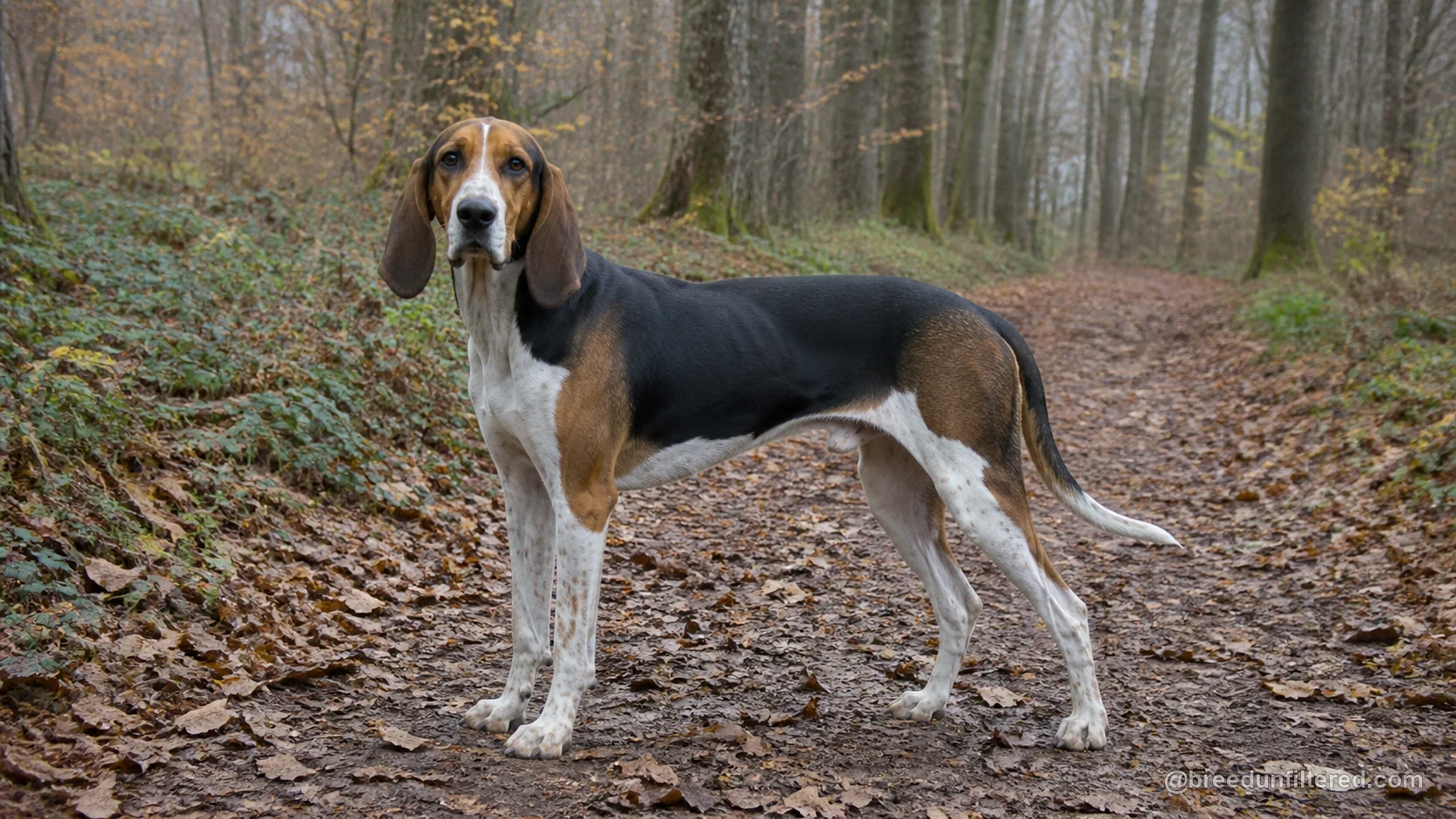
The Artois Hound, known officially as the Chien d'Artois, is a French scenthound with a lineage that traces back to the medieval provinces of Artois and Picardy. Once a favorite of nobility for hunting hare and deer, this breed is now cherished for its balanced temperament and robust hunting ability. With a compact, muscular build and a distinctive tricolor coat, the Artois Hound embodies the essence of a working pack dog, yet it also possesses a gentle and sociable nature that can make it a rewarding companion for the right owner.
This guide aims to provide prospective owners with a comprehensive overview of the Artois Hound, covering its origins, temperament, exercise needs, training requirements, and health considerations. By understanding the breed's inherent traits and demands, you can make an informed decision about whether this ancient hound is the right fit for your lifestyle. Remember that every dog is an individual, and while breed tendencies offer valuable insights, your dog's personality will also be shaped by its upbringing and environment.
Origin and Purpose
The Artois Hound is one of the oldest French scenthounds, with roots that may extend back to the 15th century. It was developed in the northern region of Artois, where it was prized for its ability to hunt hare and other small game, often working in packs. The breed's keen nose, endurance, and melodious voice made it a favorite among French nobility, and it was later refined by hunters who valued its tenacity and adaptability in varied terrain.
Despite its historical significance, the Artois Hound faced a decline in numbers after the French Revolution and again during the World Wars. Dedicated breeders worked to preserve the breed, and today it remains relatively rare outside its native France. The FCI recognizes the breed under the name Chien d'Artois, and it is classified in Group 6 (Scent Hounds and Related Breeds). This heritage as a working pack hound continues to influence the breed's temperament and care requirements.
Temperament and Variation
Artois Hounds are typically described as sociable, affectionate, and even-tempered. They are pack-oriented dogs that generally get along well with other dogs and thrive on companionship, whether human or canine. While they are not known for aggression, they can be reserved with strangers, making them decent watchdogs in the sense that they will alert you to unfamiliar activity. However, they are not guard dogs and lack the protective instincts of dedicated guardians.
As with any breed, individual temperament varies. Some Artois Hounds may be more outgoing, while others are more cautious. Early and ongoing socialization is crucial to help them develop into well-rounded adults. Their hunting heritage means they have a strong prey drive, which can manifest as a tendency to chase small animals. This trait requires careful management, especially in off-leash situations, and may not make them ideal companions for households with small pets like rabbits or guinea pigs.
Exercise and Mental Work
The Artois Hound is an energetic breed that requires regular physical activity to stay healthy and content. As a scenthound, it excels at following its nose, so activities that allow it to use its olfactory abilities are particularly satisfying. Daily walks, jogs, or hikes are beneficial, but the breed also thrives when given opportunities to explore and track scents in a safe, enclosed area. Without adequate exercise, Artois Hounds may become restless and develop undesirable behaviors.
Mental stimulation is equally important. Puzzle toys, scent games, and training sessions that challenge their minds can help prevent boredom. Because they were bred to work independently in packs, they may have a somewhat independent streak, but they are also eager to please when training is positive and consistent. Owners should be prepared to provide a variety of activities to keep their Artois Hound engaged and happy.
Training and Socialisation
Training an Artois Hound requires patience and a gentle, reward-based approach. They respond well to positive reinforcement, such as treats and praise, but can become stubborn if handled harshly. Early obedience training is recommended to establish good manners and recall, which is especially important given their strong prey drive. Consistency and short, engaging sessions will yield the best results.
Socialisation should begin in puppyhood and continue throughout the dog's life. Exposing them to a variety of people, animals, environments, and sounds helps them become confident and adaptable. Because they are pack dogs, they generally get along well with other dogs, but introductions should always be supervised. With proper socialisation, an Artois Hound can be a friendly and well-mannered companion in many different settings.
Family and Pets
Artois Hounds can make wonderful family pets for active households. They are typically gentle and patient with children, though as with any dog, interactions should be supervised to ensure safety for both the dog and the child. Their sociable nature means they often enjoy being part of family activities and may not do well when left alone for long periods. They thrive in homes where someone is present for much of the day.
When it comes to other pets, the Artois Hound's prey drive is a significant consideration. They may view small animals, including cats, as prey, especially if they have not been raised with them. However, with careful introduction and training, some individuals can coexist peacefully with cats. It is essential to assess each dog's temperament and to manage environments to prevent chasing incidents.
Grooming and Health
The Artois Hound has a short, dense coat that is relatively low-maintenance. Weekly brushing with a firm bristle brush or a hound glove will help remove loose hair and keep the coat healthy. They shed moderately, and more frequent brushing may be needed during seasonal shedding periods. Bathing should be done only when necessary to avoid stripping natural oils from the skin.
As a breed, the Artois Hound is generally robust, but like all dogs, it may be prone to certain health conditions. Responsible breeders screen for common issues such as hip dysplasia and ear infections, the latter being a concern for floppy-eared breeds. Regular veterinary check-ups, a balanced diet, and proper ear cleaning are important for maintaining overall health. Prospective owners should ask breeders about health testing and the longevity of the dogs in their lines.
Costs and Responsibility
Owning an Artois Hound involves financial and time commitments. Initial costs include the purchase price from a reputable breeder, which can vary, as well as supplies such as a crate, bedding, food, and veterinary care. Ongoing expenses include high-quality dog food, routine vet visits, vaccinations, parasite prevention, and potential emergency medical care. Pet insurance is worth considering to help manage unexpected costs.
Beyond finances, responsible ownership requires a significant investment of time and energy. Artois Hounds need daily exercise, mental stimulation, and companionship. They are not suited to a sedentary lifestyle or being left alone for extended periods. Prospective owners should assess their living situation, schedule, and ability to meet the breed's needs before bringing one home. Adoption from a rescue is also an option, though the breed is rare, so availability may be limited.
Clear answers
FREQUENTLY ASKED QUESTIONS
Is the Artois Hound good with children?
Artois Hounds are generally gentle and sociable, and they can be good with children when properly socialized and supervised. They are not typically aggressive, but as with any dog, interactions should be monitored to ensure safety. Teaching children how to approach and handle dogs respectfully is essential. Early socialization and positive experiences help build a strong bond between the dog and children.
How much exercise does an Artois Hound need?
Artois Hounds are energetic and require regular daily exercise to stay healthy and happy. This includes at least one long walk or jog, plus opportunities to run and explore in a secure area. They also benefit from mental stimulation like scent games and puzzle toys. Without adequate exercise, they may become bored and develop destructive behaviors. The exact amount varies by individual, but a minimum of 60 minutes of activity per day is often recommended.
Does the Artois Hound get along with other dogs?
Yes, Artois Hounds are pack-oriented and generally get along well with other dogs. They were bred to work in packs, so they tend to be sociable and enjoy canine companionship. However, proper introductions and supervision are important, especially with unfamiliar dogs. Early socialization helps ensure they develop good social skills. They may not be suitable for homes with very small pets due to their prey drive.
Is the Artois Hound easy to train?
Artois Hounds are intelligent but can be somewhat independent, which may make training a challenge for novice owners. They respond best to positive reinforcement methods, such as treats and praise, and do poorly with harsh corrections. Consistency and patience are key. Early obedience training and recall work are especially important given their strong prey drive. With the right approach, they can be trained successfully.
What is the lifespan of an Artois Hound?
The Artois Hound typically has a lifespan of around 10 to 13 years, which is common for medium-sized breeds. As with any dog, individual health and longevity can be influenced by genetics, diet, exercise, and veterinary care. Responsible breeders aim to produce healthy puppies by screening for hereditary conditions. Regular check-ups and a healthy lifestyle can help maximize your dog's lifespan.
Sources and further reading
Scores describe typical breed tendencies from 1 to 10. They are not a quality ranking or a prediction for an individual dog.
Size and presence5/10
CompactVery large
Physical strength6/10
LightExceptional
Energy level8/10
LowRelentless
Exercise demand8/10
ModestVery demanding
Mental work needed8/10
ModerateDaily job
Trainability6/10
ChallengingExceptional
Everyday manageability3/10
SpecialistStraightforward
First-time owner fit3/10
Poor fitGood fit
Family-life fit6/10
LimitedExcellent
Dog sociability8/10
SelectiveVery social
Prey drive10/10
LowVery high
Guarding tendency3/10
MinimalSerious
Independence8/10
Handler-focusedSelf-directed
Grooming demand4/10
LightHeavy
Apartment fit4/10
Poor fitGood fit