Complete breed guide
Slovakian Hound OWNERSHIP GUIDE
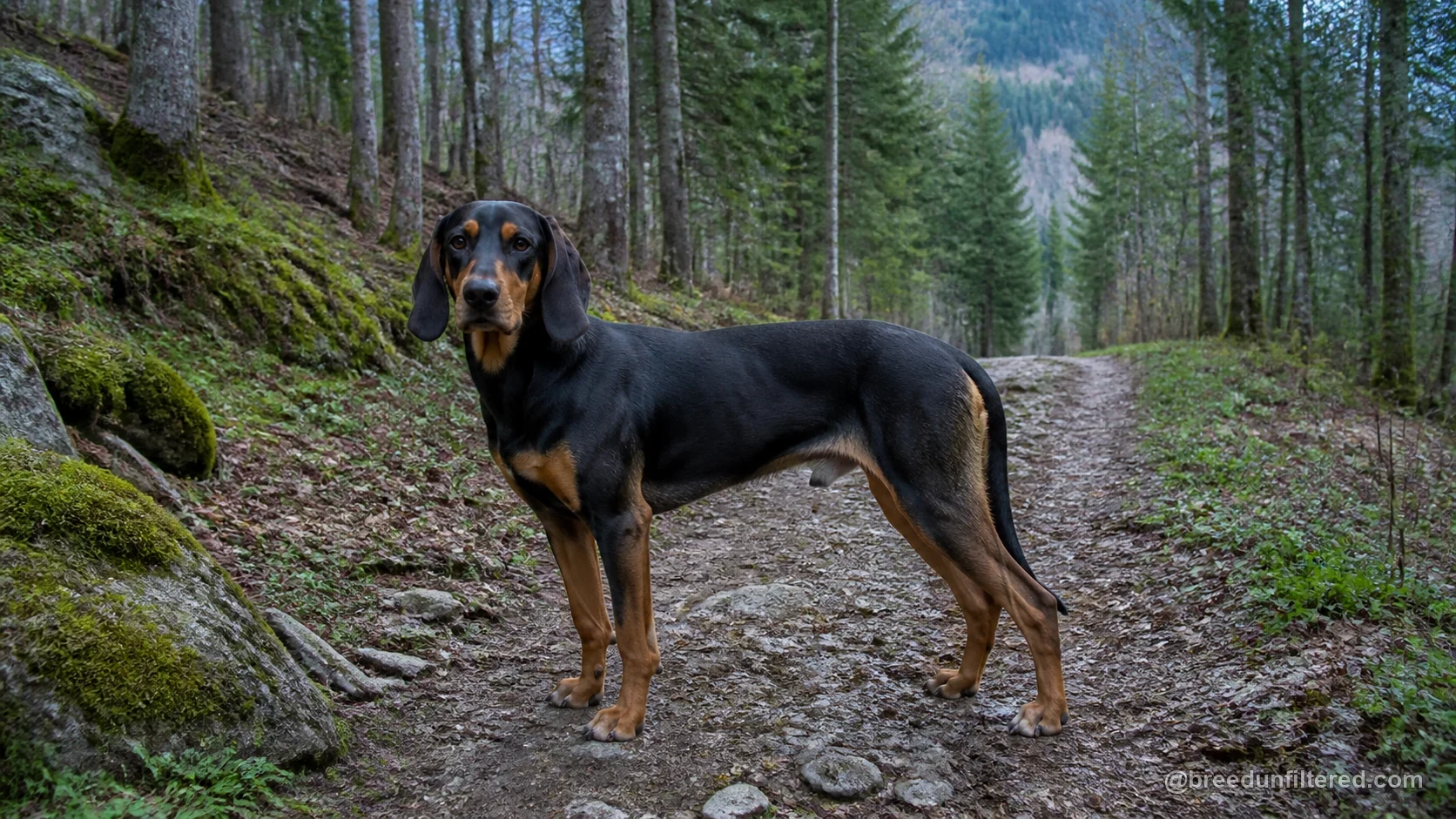
The Slovakian Hound, also known as the Slovenský Kopov, is a medium-sized scent hound developed in Slovakia for tracking and hunting. With a history rooted in the dense forests of Central Europe, this breed is prized for its endurance, determination, and a keen nose. While not as widely known as some other hounds, the Slovakian Hound has earned a reputation among hunters for its ability to work in challenging terrain and harsh weather conditions. For prospective owners, understanding this breed's purpose is essential, as its instincts and energy levels are deeply tied to its working heritage.
This article provides an evidence-conscious overview of the Slovakian Hound, drawing on the official FCI standard and reputable breed resources. We will explore the breed's origin, temperament, exercise and training needs, family compatibility, grooming, health considerations, and the responsibilities of ownership. By the end, you will have a clearer picture of whether this dedicated hound is the right companion for your lifestyle. Remember, every dog is an individual, and while breed tendencies are informative, they do not guarantee the behavior of a specific dog.
Origin and Purpose: A Hunter's Companion
The Slovakian Hound originates from Slovakia, where it was developed as a versatile hunting dog capable of tracking game such as wild boar and deer. The breed's ancestors include various Central European hounds, and it was refined over centuries to possess a strong prey drive, excellent scenting ability, and remarkable stamina. The FCI standard (number 244) describes the Slovakian Hound as a robust, medium-sized dog with a rectangular frame and a distinctive black coat with tan markings. This breed is still primarily used for hunting today, and its purpose has shaped its physical and behavioral traits.
Prospective owners should recognize that the Slovakian Hound is not a typical companion breed. Its instincts are deeply rooted in hunting, which means it may be less adaptable to a purely sedentary lifestyle. The breed's history as a pack hound also influences its social dynamics with other dogs, though individual variation exists. Understanding this origin helps set realistic expectations for the dog's energy, independence, and potential challenges in non-hunting homes.
Temperament and Variation: Independent Yet Loyal
The Slovakian Hound is described in the FCI standard as lively, courageous, and persistent. It is typically loyal and devoted to its family, but it also possesses a strong independent streak, a trait common among scent hounds. This independence can manifest as stubbornness during training, but it also reflects the dog's ability to work autonomously in the field. The breed is generally alert and may be reserved with strangers, though not aggressive. Early socialization is important to ensure a well-adjusted adult.
While breed standards provide a general temperament, individual dogs can vary widely. Some Slovakian Hounds may be more outgoing, while others are more reserved. Factors such as genetics, early experiences, and training play significant roles. Prospective owners should meet the parents of a puppy if possible and discuss temperament with breeders. It is also crucial to understand that this breed's hunting instincts can lead to strong reactions to small animals, which may not be suitable for households with cats or other small pets unless carefully managed.
Exercise and Mental Work: Meeting the Hound's Needs
The Slovakian Hound is a high-energy breed that requires substantial daily exercise to remain physically and mentally healthy. As a working hound, it is accustomed to long days of activity, so a simple walk around the block is insufficient. Owners should be prepared to provide at least an hour or more of vigorous exercise, such as jogging, hiking, or off-leash running in a secure area. The breed's strong prey drive means that off-leash activities should only occur in safely fenced areas to prevent it from following a scent and becoming lost.
Mental stimulation is equally important. Scent work, tracking games, and puzzle toys can help satisfy the breed's natural instincts and prevent boredom, which may lead to destructive behaviors. Without adequate exercise and mental engagement, a Slovakian Hound may become restless and develop behavioral issues. Prospective owners should assess their ability to commit to this level of activity, as it is a lifelong requirement, not just a phase.
Training and Socialisation: Patience and Consistency
Training a Slovakian Hound requires patience, consistency, and positive reinforcement methods. Due to its independent nature, the breed may not be as eager to please as some other dogs, and harsh training techniques are counterproductive. Short, engaging sessions that incorporate rewards such as treats or play can be effective. Early obedience training is essential to establish a foundation for good behavior, especially given the breed's strong will and potential for stubbornness.
Socialisation is equally critical. Exposing the puppy to a variety of people, environments, and other animals from a young age helps develop a confident and well-mannered adult. While the Slovakian Hound is generally good with other dogs, especially when raised with them, its prey drive can make it unsafe around small animals. Socialisation should be conducted in a controlled manner, always prioritizing safety. Owners who are new to hounds may benefit from enrolling in obedience classes or seeking guidance from experienced handlers.
Family and Pets: A Loyal but Specialized Companion
The Slovakian Hound can be a loyal and affectionate family member, forming strong bonds with its human pack. It is typically good with children, especially when raised with them, but its boisterous nature and size mean that interactions should be supervised, particularly with younger children. The breed's hunting instincts may make it unsuitable for homes with small pets such as rabbits, guinea pigs, or cats, as the dog may view them as prey. However, with careful introduction and management, some individuals may coexist peacefully, but this is not guaranteed.
Families considering a Slovakian Hound should be prepared for a dog that may be more independent and less overtly affectionate than some companion breeds. It thrives in an active household where it can participate in outdoor activities. A home with a securely fenced yard is ideal, as the breed has a tendency to wander if it catches an interesting scent. Apartment living is possible if the dog's exercise needs are met, but it is not the breed's natural environment.
Grooming and Health: Low Maintenance but Vigilant
The Slovakian Hound has a short, dense coat that is relatively low maintenance. Weekly brushing is usually sufficient to remove loose hair and keep the coat healthy. The breed sheds moderately, and more frequent brushing may be needed during seasonal changes. Routine care such as nail trimming, ear cleaning, and dental hygiene should be part of the regular grooming regimen. The breed's floppy ears should be checked regularly to prevent infections, especially after outdoor activities.
As with many purebred dogs, the Slovakian Hound may be predisposed to certain health conditions, though the breed is generally considered hardy. The FCI standard does not list specific health issues, but prospective owners should be aware of potential problems common in hounds, such as hip dysplasia and ear infections. Responsible breeders conduct health screenings on their breeding stock. Regular veterinary check-ups and a balanced diet are essential to maintain the dog's health. It is important to note that this article does not provide medical advice, and any health concerns should be discussed with a veterinarian.
Costs and Responsibility: A Long-Term Commitment
Owning a Slovakian Hound is a significant financial and time commitment. Initial costs include the purchase price from a reputable breeder, which can vary, as well as supplies such as a crate, bedding, and food. Ongoing expenses include high-quality dog food, routine veterinary care, vaccinations, and preventive medications. Additionally, owners should budget for potential unexpected medical costs, as well as training classes or professional services if needed. The breed's exercise requirements may also incur costs, such as membership to a secure dog park or expenses for hiking trips.
Beyond finances, the responsibility of providing adequate exercise, mental stimulation, and socialisation is substantial. This breed is not suitable for owners who are away from home for long hours or who prefer a sedentary lifestyle. Prospective owners should thoroughly research the breed, speak with breeders and owners, and honestly assess their ability to meet the dog's needs. Adopting a Slovakian Hound is a lifelong commitment, often spanning 10 to 12 years, and should not be taken lightly.
Clear answers
FREQUENTLY ASKED QUESTIONS
Is the Slovakian Hound good with children?
The Slovakian Hound can be good with children, especially when raised with them, but its boisterous nature and size require supervision. Early socialisation and training are important to ensure positive interactions. As with any breed, individual temperament varies, and children should be taught how to behave around dogs.
Does the Slovakian Hound get along with other dogs?
Generally, the Slovakian Hound is sociable with other dogs, particularly when raised together. However, its hunting instincts may lead to dominance or reactivity in some individuals. Proper socialisation from puppyhood and careful introductions are essential to foster good relationships with other canines.
How much exercise does a Slovakian Hound need?
The Slovakian Hound is a high-energy breed that requires substantial daily exercise, typically at least an hour of vigorous activity. This can include long walks, jogs, or off-leash running in a secure area. Mental stimulation, such as scent work, is also crucial to prevent boredom and destructive behavior.
Is the Slovakian Hound suitable for first-time dog owners?
The Slovakian Hound is not generally recommended for first-time owners due to its independent nature and strong hunting instincts. It requires experienced handling, consistent training, and a commitment to meeting its exercise needs. Novice owners may find the breed challenging, but with dedication and professional guidance, it can be managed.
What are common health issues in Slovakian Hounds?
The Slovakian Hound is generally a hardy breed, but like many dogs, it may be prone to hip dysplasia and ear infections. Responsible breeders screen for hereditary conditions. Regular veterinary check-ups, a balanced diet, and proper ear care can help maintain health. Always consult a veterinarian for specific health concerns.
Sources and further reading
Scores describe typical breed tendencies from 1 to 10. They are not a quality ranking or a prediction for an individual dog.
Size and presence5/10
CompactVery large
Physical strength6/10
LightExceptional
Energy level9/10
LowRelentless
Exercise demand10/10
ModestVery demanding
Mental work needed8/10
ModerateDaily job
Trainability6/10
ChallengingExceptional
Everyday manageability3/10
SpecialistStraightforward
First-time owner fit5/10
Poor fitGood fit
Family-life fit6/10
LimitedExcellent
Dog sociability9/10
SelectiveVery social
Prey drive10/10
LowVery high
Guarding tendency3/10
MinimalSerious
Independence8/10
Handler-focusedSelf-directed
Grooming demand4/10
LightHeavy
Apartment fit4/10
Poor fitGood fit