Complete breed guide
Afghan Hound OWNERSHIP GUIDE
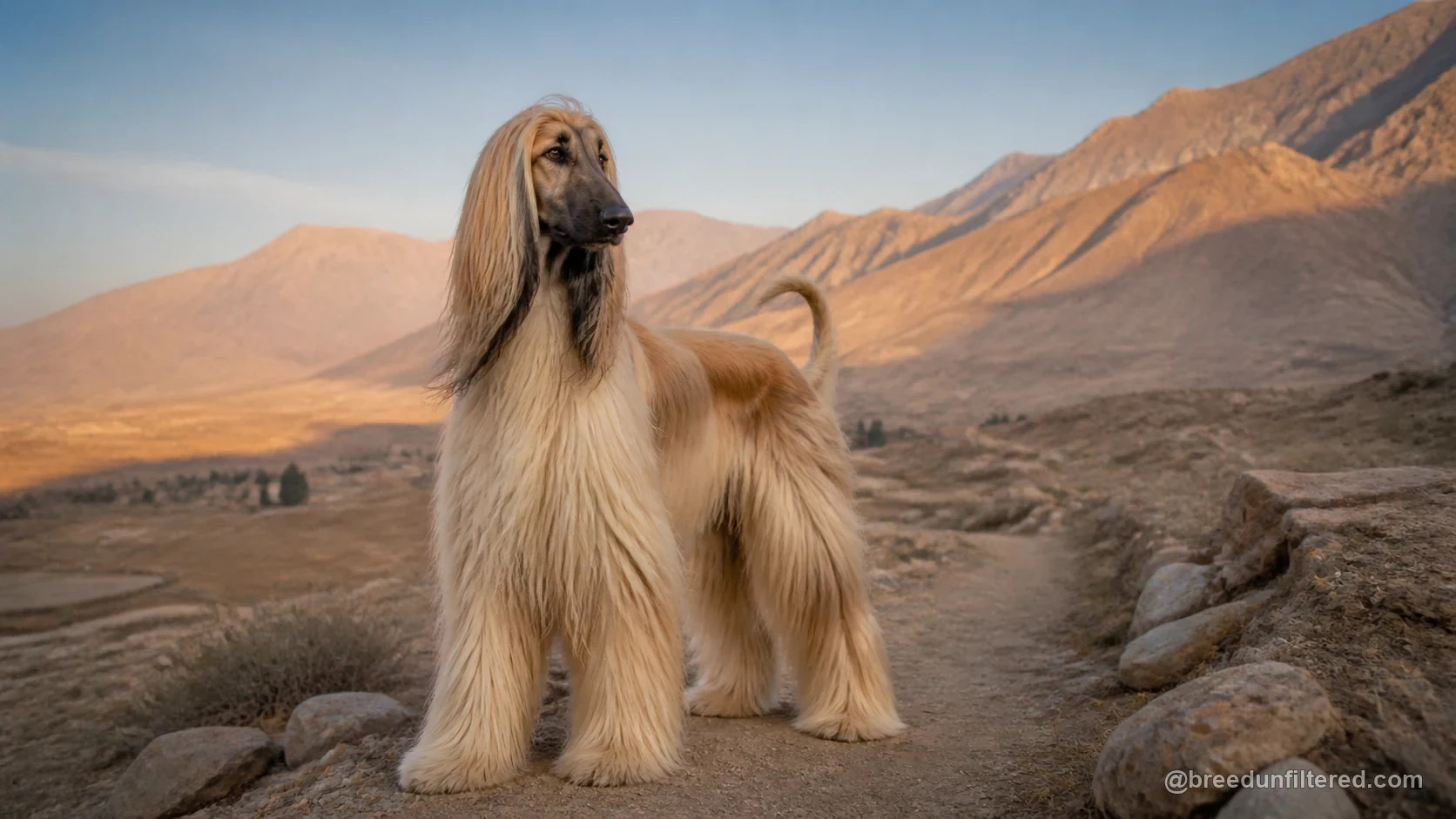
The Afghan Hound is an ancient sighthound breed celebrated for its flowing coat, dignified bearing, and aloof charm. Originating from the mountainous regions of Afghanistan, this breed was historically used for hunting large game in challenging terrain. Today, Afghan Hounds are admired for their striking appearance and unique personality, making them a distinctive choice for experienced dog owners who appreciate independence and elegance.
While their beauty is undeniable, prospective owners should understand that Afghan Hounds are not typical companion dogs. They are intelligent, independent, and often described as cat-like in their demeanor. This breed requires patient training, consistent socialization, and a commitment to regular grooming. In return, they offer loyalty and a deep bond with their human family, though they may remain reserved with strangers.
Origin and Purpose
The Afghan Hound's history traces back thousands of years to the rugged landscapes of Afghanistan, where they were prized by nomadic tribes for their speed, agility, and endurance in hunting leopards, deer, and other swift prey. Their thick, silky coat protected them from harsh climates, and their keen eyesight allowed them to spot movement from great distances. The breed was first brought to the West in the early 20th century, gaining popularity among aristocrats and dog enthusiasts.
Today, the Afghan Hound is primarily a companion and show dog, but its hunting instincts remain strong. The FCI standard (number 228) classifies it under Group 10, Sighthounds, reflecting its historical purpose. Understanding this background helps owners appreciate the breed's need for space to run and its tendency to chase moving objects, which should be managed in safe, enclosed areas.
Temperament and Variation
Afghan Hounds are known for their dignified and somewhat aloof temperament. They are often described as independent and even stubborn, with a sense of humor that can be endearing. While they form strong bonds with their family, they may be reserved or indifferent toward strangers. Individual personalities vary widely; some are more outgoing, while others are more reserved. Early socialization can help them become more adaptable and confident.
This breed is not typically aggressive, but they can be sensitive and may not respond well to harsh training methods. They are intelligent but have a mind of their own, which can make training a challenge. Owners should approach them with patience, consistency, and positive reinforcement. Their independent nature means they may not always come when called, especially if they are focused on something interesting.
Exercise and Mental Work
Afghan Hounds are athletic dogs that require regular exercise to maintain their physical and mental well-being. They enjoy running at full speed in a safe, fenced area, and they also benefit from daily walks. However, their exercise needs are not extreme; a couple of moderate walks plus a good run each day can suffice. Without adequate exercise, they may become restless or develop behavioral issues.
Mental stimulation is equally important. Afghan Hounds are intelligent and can become bored easily. Puzzle toys, scent games, and activities that engage their natural hunting instincts can help keep their minds sharp. They are not typically suited for rigorous obedience or agility training due to their independent nature, but they can excel in lure coursing, which taps into their sighthound heritage.
Training and Socialisation
Training an Afghan Hound requires patience and a gentle, consistent approach. They respond best to positive reinforcement techniques such as treats, praise, and play. Harsh corrections or force can cause them to shut down or become stubborn. Early training should focus on basic obedience, recall, and leash manners, but owners should have realistic expectations; Afghan Hounds are not known for eager compliance.
Socialization is crucial from a young age. Exposing them to various people, animals, and environments helps them develop into well-adjusted adults. They may be reserved with strangers, but proper socialization can reduce fearfulness and promote confidence. Puppy classes and controlled introductions are beneficial. However, their prey drive means they may not be reliable off-leash in unfenced areas, so secure enclosures are essential.
Family and Pets
Afghan Hounds can be loving family members, but they are not typically recommended for first-time dog owners. They are gentle and patient with children they know, but their large size and energetic play may inadvertently knock over small children. Supervision is advised. They thrive in homes where they are included in family activities and given attention, but they also appreciate having their own space.
Regarding other pets, Afghan Hounds have a strong prey drive and may chase small animals such as cats, rabbits, or rodents. With early socialization, some can live peacefully with cats, but it is not guaranteed. They generally get along with other dogs, especially sighthounds, but introductions should be managed carefully. Their independent nature means they may not be as playful as other breeds, but they can form strong bonds with canine companions.
Grooming and Health
The Afghan Hound's luxurious coat is one of its most distinctive features, but it requires significant grooming. Daily brushing is recommended to prevent mats and tangles, and regular baths are necessary to keep the coat clean and healthy. Many owners opt for professional grooming every few weeks. The coat sheds moderately, but the main challenge is maintenance, not shedding. Owners should be prepared for a time commitment.
Health-wise, Afghan Hounds are generally a hardy breed, but they can be prone to certain conditions such as hip dysplasia, cataracts, and autoimmune thyroiditis. Responsible breeders screen for these issues. Their thin build and low body fat make them sensitive to cold and anesthesia, so owners should be aware of these considerations. Regular veterinary check-ups and a balanced diet are essential for their well-being.
Costs and Responsibility
Owning an Afghan Hound involves significant financial and time commitments. Initial costs include purchasing from a reputable breeder, which can be substantial, plus supplies such as a crate, bedding, grooming tools, and food. Ongoing expenses include high-quality dog food, routine veterinary care, grooming appointments, and pet insurance. Emergency medical costs can be unexpected, so planning is wise.
Beyond finances, Afghan Hounds require a dedicated owner who can provide daily exercise, grooming, and companionship. They are not a breed to be left alone for long periods, as they can become destructive or develop separation anxiety. Prospective owners should honestly assess their lifestyle and ability to meet these needs. Adopting from a rescue is also a noble option, giving a home to a dog in need.
Clear answers
FREQUENTLY ASKED QUESTIONS
Are Afghan Hounds good with children?
Afghan Hounds can be good with children they are raised with, as they are generally gentle and patient. However, their large size and energetic nature may accidentally knock over small children, so supervision is recommended. They may not tolerate rough handling, so teaching children how to interact respectfully is important. Early socialization helps them become more comfortable around kids.
Do Afghan Hounds shed a lot?
Afghan Hounds are moderate shedders, but their long, silky coat requires regular grooming to prevent mats and tangles. Daily brushing is recommended, and they may need professional grooming every few weeks. Shedding is not excessive, but the coat's length means loose hair can become trapped, so consistent maintenance is necessary to keep the coat healthy and reduce hair around the home.
Are Afghan Hounds easy to train?
Afghan Hounds are intelligent but independent, which can make training challenging. They respond best to positive reinforcement techniques, such as treats and praise, and they may become stubborn if forced. Consistency and patience are key. They are not known for eager obedience, so owners should have realistic expectations and focus on basic commands and recall in a safe environment.
How much exercise does an Afghan Hound need?
Afghan Hounds need regular exercise to stay healthy and happy. They enjoy daily walks and the opportunity to run in a securely fenced area. While they are not hyperactive, they do require at least a couple of moderate walks and some free running time each day. Without adequate exercise, they may become restless or develop behavioral issues, so an active owner is ideal.
Are Afghan Hounds suitable for apartment living?
Afghan Hounds can adapt to apartment living if their exercise needs are met. They are not overly active indoors and can be calm companions, but they need daily walks and a safe place to run. Their size and grooming needs should be considered, as they require space for grooming and may not be ideal for very small apartments. Access to a nearby park is beneficial.
Sources and further reading
Scores describe typical breed tendencies from 1 to 10. They are not a quality ranking or a prediction for an individual dog.
Size and presence6/10
CompactVery large
Physical strength6/10
LightExceptional
Energy level8/10
LowRelentless
Exercise demand8/10
ModestVery demanding
Mental work needed6/10
ModerateDaily job
Trainability5/10
ChallengingExceptional
Everyday manageability4/10
SpecialistStraightforward
First-time owner fit4/10
Poor fitGood fit
Family-life fit6/10
LimitedExcellent
Dog sociability7/10
SelectiveVery social
Prey drive10/10
LowVery high
Guarding tendency2/10
MinimalSerious
Independence8/10
Handler-focusedSelf-directed
Grooming demand5/10
LightHeavy
Apartment fit5/10
Poor fitGood fit