Complete breed guide
Abruzzes And Maremma Shepherd Dog OWNERSHIP GUIDE
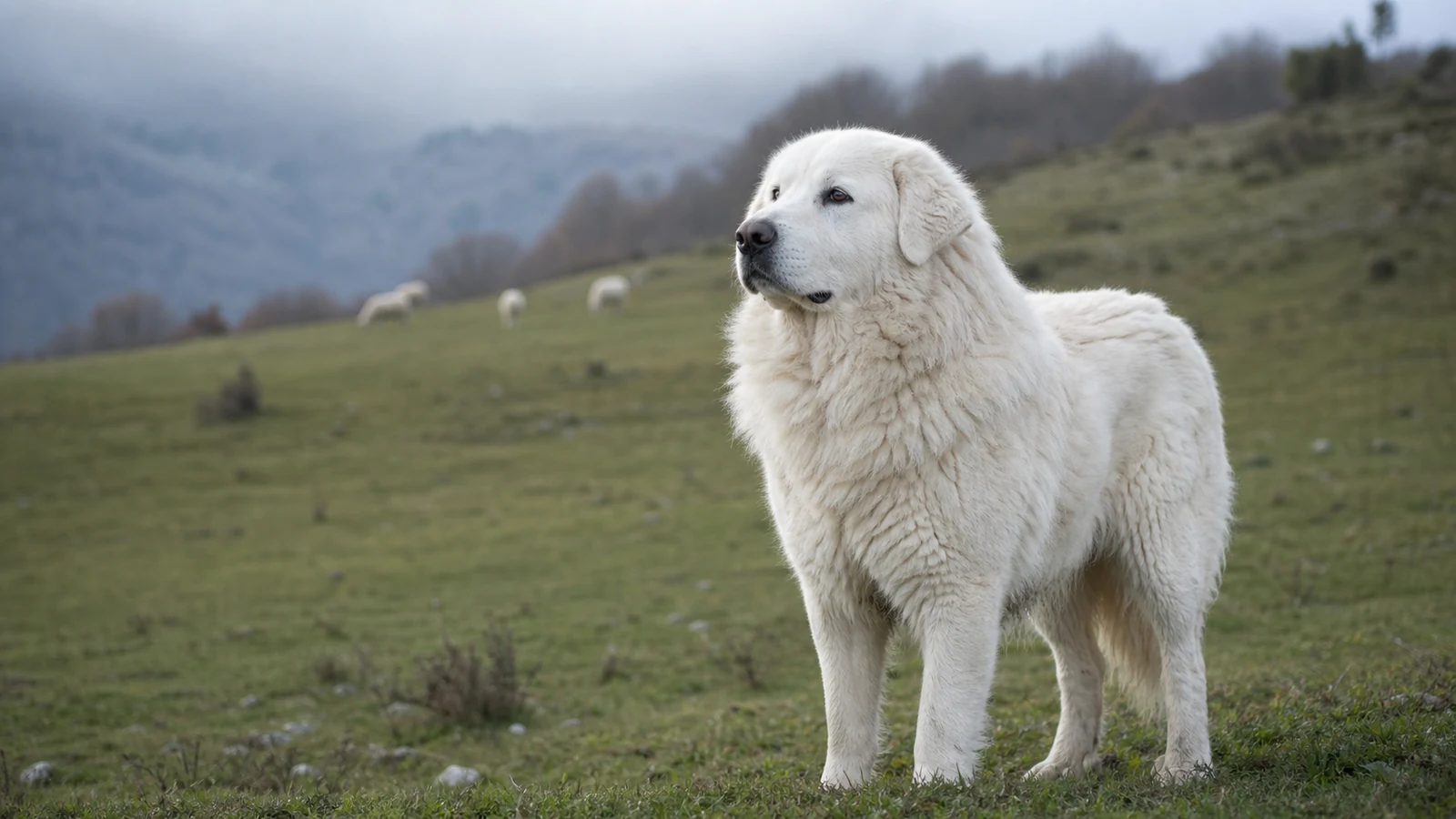
The Abruzzes and Maremma Shepherd Dog, also known as Cane da Pastore Abruzzese Maremmano, is a majestic livestock guardian breed originating from central Italy. For centuries, these dogs have protected sheep and other livestock from predators in the rugged Apennine mountains, developing a unique blend of independence, loyalty, and vigilance. Their striking white coats and calm, confident demeanor make them both beautiful and imposing, but they are not a breed for everyone.
Prospective owners should understand that this breed was developed to work autonomously, making decisions in the field without constant human direction. As a result, they are intelligent, self-reliant, and often reserved with strangers. While they can form deep bonds with their family, they require experienced handling, ample space, and a clear job or purpose. This article provides an in-depth look at the breed's characteristics, care requirements, and the responsibilities involved in welcoming one into your life.
Origin and Purpose
The Abruzzes and Maremma Shepherd Dog has a long history in the regions of Abruzzo and Maremma in Italy, where it has been used for centuries as a guardian of sheep and other livestock. The breed's development was shaped by the need to protect flocks from wolves and other predators in the mountainous terrain. These dogs worked alongside shepherds, often living with the flock and forming strong bonds with the animals they protected.
The breed's white coat is not merely aesthetic; it allows the dog to be easily distinguished from predators during nighttime attacks and helps them blend with the sheep during the day. Recognized by the FCI under standard number 201, the breed is classified in Group 1 (Sheepdogs and Cattle Dogs). Today, while still used for livestock guarding, they also serve as companions and property guardians, though their working heritage remains central to their temperament.
Temperament and Variation
The Abruzzes and Maremma Shepherd Dog is known for its calm, steady, and watchful temperament. They are typically independent thinkers, a trait essential for their traditional role as livestock guardians. This independence can manifest as stubbornness, and they are not typically eager to please in the way many companion breeds are. They are often aloof with strangers, but devoted and protective of their family and territory.
Individual variation exists within the breed, influenced by genetics, socialization, and environment. Some lines may be more sociable, while others are more reserved. Early and ongoing socialization is crucial to help them distinguish between normal and threatening situations. While they are not typically aggressive without cause, their protective instincts can lead to wariness of unfamiliar people and animals, making them excellent watchdogs but potentially challenging in busy households.
Exercise and Mental Work
Despite their size, Abruzzes and Maremma Shepherd Dogs are not high-energy athletes. They are more suited to long, leisurely walks and having a large, securely fenced yard to patrol. Their exercise needs are moderate, but they require daily opportunities to move and explore. However, their true fulfillment comes from having a job, whether that is guarding livestock, participating in dog sports like obedience or tracking, or simply having a defined role in the family.
Mental stimulation is as important as physical exercise. These intelligent dogs can become bored and destructive if left without mental challenges. Puzzle toys, scent work, and training sessions that engage their problem-solving abilities are beneficial. Because they were bred to make decisions independently, they thrive in environments where they are given some autonomy, but this must be balanced with clear boundaries and consistent guidance from their owner.
Training and Socialisation
Training an Abruzzes and Maremma Shepherd Dog requires patience, consistency, and a deep understanding of the breed's independent nature. They respond poorly to harsh or forceful methods, which can damage trust and increase stubbornness. Positive reinforcement techniques, such as treats, praise, and play, are more effective. Early training should focus on basic obedience and establishing a strong bond, as these dogs are more likely to cooperate with someone they respect.
Socialisation is critical from a young age. Exposing the puppy to a wide variety of people, animals, sounds, and environments helps them develop into well-adjusted adults. However, even with excellent socialisation, they may remain aloof with strangers. It is important to manage their guarding instincts by teaching them when it is appropriate to alert and when to relax. Professional training classes can be helpful, but owners should seek instructors familiar with livestock guardian breeds.
Family and Other Pets
Abruzzes and Maremma Shepherd Dogs can be devoted family members, especially when raised with children. They are typically gentle and protective with kids they know, but their large size and guarding instincts mean supervision is necessary, especially with very young children. They may not tolerate rough handling or unexpected noises, so children should be taught how to interact respectfully with the dog.
With other pets, their behavior varies. They are often good with other dogs if socialised early, but they may be dominant or intolerant of same-sex dogs. Their prey drive can be strong, and they may view small animals such as cats or rabbits as potential threats or prey, especially if not raised with them. However, when raised with livestock, they learn to protect them. Prospective owners should assess their household carefully and be prepared to manage introductions and ongoing supervision.
Grooming and Health
The Abruzzes and Maremma Shepherd Dog has a thick, double coat that sheds heavily, particularly during seasonal changes. Regular brushing, at least two to three times a week, is necessary to remove loose hair and prevent matting. During heavy shedding periods, daily brushing may be required. They are generally clean dogs and do not need frequent baths, but their ears should be checked regularly, and nails trimmed as needed.
As a breed, they are generally healthy, but like all dogs, they can be prone to certain conditions. Hip dysplasia, elbow dysplasia, and eye disorders such as progressive retinal atrophy are seen in the breed. Responsible breeders screen their breeding stock for these issues. Prospective owners should ask for health clearances and be prepared for the potential costs of veterinary care. Maintaining a healthy weight and providing regular exercise can help reduce the risk of some joint problems.
Costs and Responsibility
Owning an Abruzzes and Maremma Shepherd Dog is a significant financial and time commitment. Initial costs include purchasing from a reputable breeder, which can be substantial, as well as supplies such as a crate, bedding, and fencing. Ongoing expenses include high-quality food, routine veterinary care, grooming supplies, and pet insurance. Emergency medical care can be costly, so planning ahead is wise.
Beyond finances, this breed requires a dedicated owner who can provide ample space, time for exercise and training, and a lifestyle that accommodates their guarding instincts. They are not suitable for apartment living or for owners who are away from home for long periods. They need a securely fenced yard to prevent roaming. Prospective owners should honestly assess their ability to meet the breed's needs and consider whether they can provide a fulfilling life for such an independent and powerful dog.
Clear answers
FREQUENTLY ASKED QUESTIONS
Are Abruzzes and Maremma Shepherd Dogs good with children?
They can be good with children when raised with them and properly socialized. They are typically gentle and protective with their family, but their large size and guarding instincts mean supervision is essential, especially with young children. Teach children how to interact respectfully and never leave them unsupervised with any dog.
Do Abruzzes and Maremma Shepherd Dogs need a lot of exercise?
They have moderate exercise needs, but they require daily walks and a large, securely fenced yard to patrol. They are not hyperactive but need mental stimulation and a job to be content. Without adequate exercise and mental challenges, they may become bored and develop destructive behaviors.
Are Abruzzes and Maremma Shepherd Dogs easy to train?
Training can be challenging due to their independent nature. They are intelligent but not eager to please, and they respond best to positive reinforcement and consistent, patient methods. Harsh training can be counterproductive. Early socialisation and obedience training are essential for a well-mannered adult.
Do Abruzzes and Maremma Shepherd Dogs get along with other pets?
It depends on socialisation and individual temperament. They may be good with other dogs if raised together, but they can be dominant with same-sex dogs. Their prey drive may be strong, so caution is needed with small animals. When raised with livestock, they learn to protect them, but introductions should be managed carefully.
How much grooming does an Abruzzes and Maremma Shepherd Dog require?
They have a thick double coat that sheds heavily, especially during seasonal changes. Regular brushing at least two to three times a week is necessary to manage loose hair and prevent matting. During heavy shedding periods, daily brushing may be needed. They are not high-maintenance in terms of bathing, but ear cleaning and nail trimming are routine.
Sources and further reading
Scores describe typical breed tendencies from 1 to 10. They are not a quality ranking or a prediction for an individual dog.
Size and presence6/10
CompactVery large
Physical strength6/10
LightExceptional
Energy level9/10
LowRelentless
Exercise demand9/10
ModestVery demanding
Mental work needed10/10
ModerateDaily job
Trainability8/10
ChallengingExceptional
Everyday manageability2/10
SpecialistStraightforward
First-time owner fit3/10
Poor fitGood fit
Family-life fit7/10
LimitedExcellent
Dog sociability6/10
SelectiveVery social
Prey drive7/10
LowVery high
Guarding tendency9/10
MinimalSerious
Independence8/10
Handler-focusedSelf-directed
Grooming demand8/10
LightHeavy
Apartment fit2/10
Poor fitGood fit